

ArdorComm Media Group

Wednesday, December 31, 2025 3:39 AM

Ashwini Vaishnaw

Ashwini Vaishnaw Pushes for Indigenous Film Equipment, Model Cinema Rules

ardorcomm news

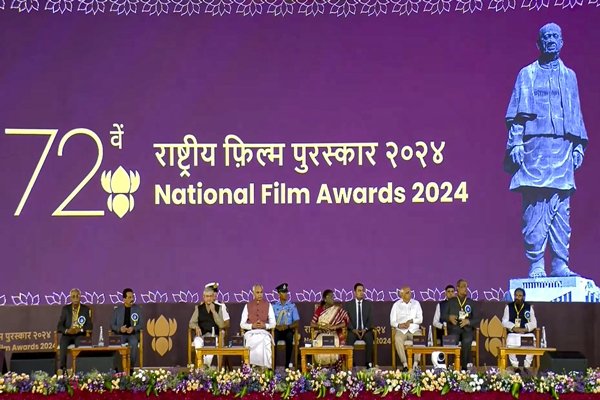
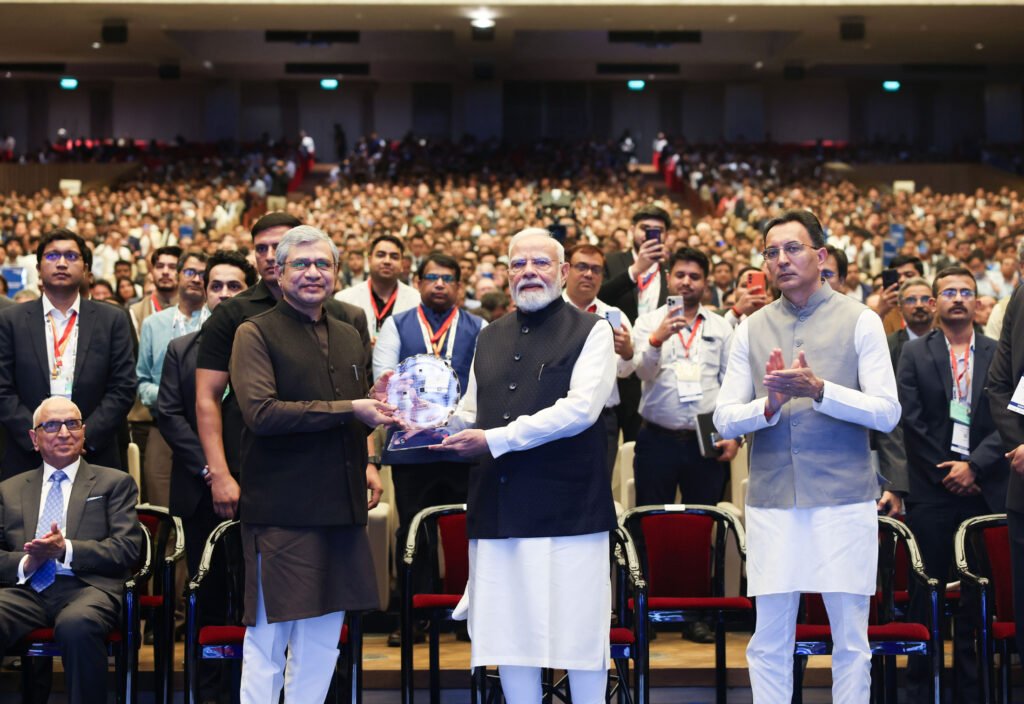
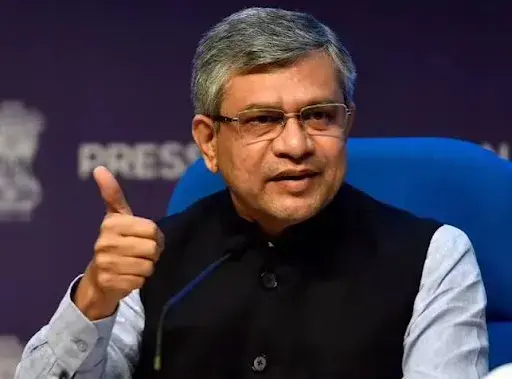
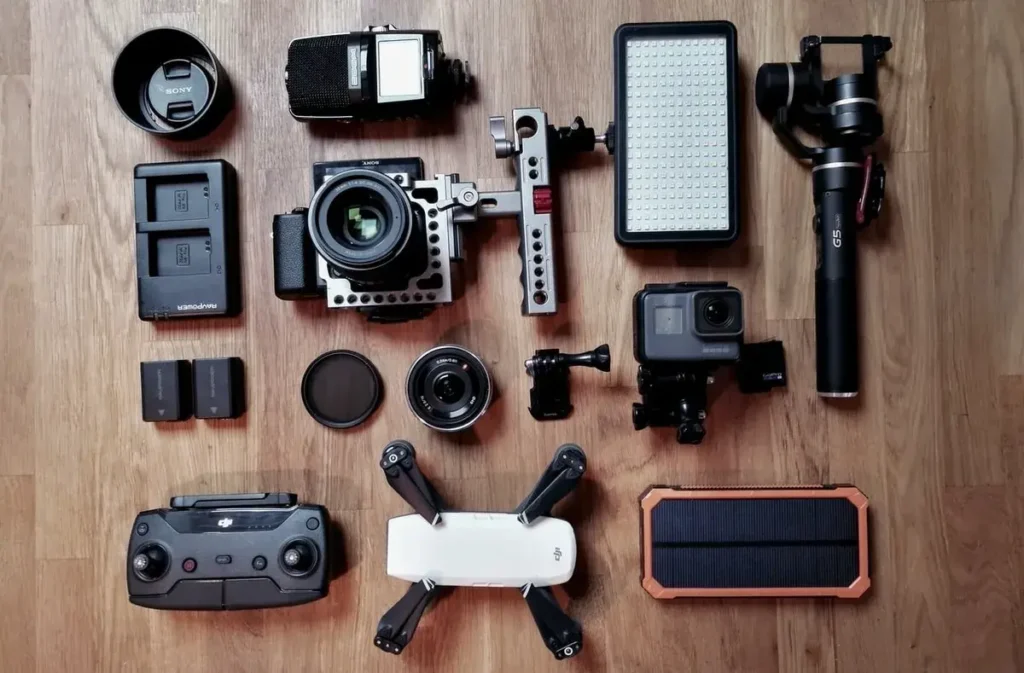
Union Information and Broadcasting Minister Ashwini Vaishnaw on Tuesday emphasized the importance of manufacturing advanced film equipment such as professional-grade cameras in India under the ‘Make in India’ programme. Speaking at the National Film Awards ceremony, he highlighted the government’s commitment to boosting local production capabilities in the entertainment sector. Vaishnaw also revealed that the Centre is preparing Model State Cinema Regulation Rules aimed at harmonising permissions and approvals across states to make film production processes more seamless. The minister stressed the need to build a live concert economy, supported by clear policies, simplified permissions, and uniform guidelines, noting that such steps could significantly expand India’s creative industries. He reiterated Prime Minister Narendra Modi’s vision of positioning India as a global content hub. To further this goal, Vaishnaw said the country’s first International Institute of Cinema and Technology (IICT) has already started operations at the NFDC campus in Mumbai. The institute is offering 17 specialised courses in partnership with global technology giants such as Meta, NVIDIA, Microsoft, and Google. Highlighting global outreach, he mentioned that Indian creators are finding new opportunities abroad through the government-backed Waves Bazaar, which has been showcased in countries including Australia, South Korea, and Canada. Source: PTI  

Ashwini Vaishnaw Pushes for Indigenous Film Equipment, Model Cinema Rules Read More »

Govt to Unveil Centralised Digital Music Licensing Registry by October 2025

The Ministry of Information and Broadcasting (I&B) is gearing up to launch a centralised digital music licensing registry within the next two months, in collaboration with rights societies. The initiative, expected to go live by October 2025, is part of a broader strategy to expand and streamline India’s live entertainment industry. The announcement followed the first meeting of the Joint Working Group (JWG) on live events, held on 26 August at the National Media Centre and chaired by I&B secretary Sanjay Jaju. Representatives from multiple ministries—including culture, youth affairs and sports, skill development, finance and DPIIT—participated, along with the Sports Authority of India and state governments from Maharashtra, Delhi, Uttar Pradesh, Telangana and Karnataka. Key industry players such as BookMyShow, Wizcraft, Saregama, District by Zomato and Touchwood Entertainment, along with associations like Ficci, CII, Eema and Ilea, also joined the deliberations. Rights organisations including IPRS, PPL, RMPL and IMI Trust were part of the discussions. Among the major takeaways were plans to integrate approvals for live events into the India Cine Hub portal to reduce bureaucratic hurdles, create a model policy for multi-use of public venues like stadiums, and include live-entertainment skills in the national skills framework. Proposals for financial incentives—such as GST relaxations, blended finance options, subsidies and MSME recognition—were also put on the table. Prime Minister Narendra Modi has recently highlighted live entertainment as a catalyst for employment, tourism and cultural impact. The sector, currently valued at ₹20,861 crore (2024), is expanding at nearly 15% annually, driven by increasing demand in both metro and emerging cities, as well as growing interest in music tourism. According to Jaju, the government’s ambition is to position India among the world’s top five live entertainment destinations by 2030, unlocking the potential for 15–20 million jobs. “The JWG will focus on leveraging the concert economy to boost infrastructure, create jobs, attract tourists and strengthen India’s soft power,” he noted. The JWG, constituted in July under the directive of Union I&B Minister Ashwini Vaishnaw, will continue to meet periodically to monitor progress and submit policy suggestions. Its work builds on the recommendations outlined in the white paper India’s Live Events Economy: A Strategic Growth Imperative, presented earlier this year at the Waves 2025 summit. Source: PIB

Govt to Unveil Centralised Digital Music Licensing Registry by October 2025 Read More »

Online Gaming Bill becomes law after President’s assent

President Droupadi Murmu has approved the Promotion and Regulation of Online Gaming Bill, 2025, officially turning it into law just a day after the Rajya Sabha cleared it. The new legislation imposes a complete ban on online money gaming services, prescribing penalties of up to three years in jail and fines as high as ₹1 crore for operators. Advertising such banned platforms could attract up to two years imprisonment and fines of ₹50 lakh. The Rajya Sabha passed the bill in just 26 minutes, following the Lok Sabha’s approval in seven minutes, despite opposition protests questioning the rushed process. Union Electronics and IT Minister Ashwini Vaishnaw, defending the law, said millions were being pushed into debt traps. “From time to time, society faces social evils. It is the responsibility of the government and Parliament to intervene with appropriate laws,” he told the House. He also cited official estimates showing that 450 million players have collectively lost over ₹20,000 crore to money-based online gaming. Prime Minister Narendra Modi welcomed the move, stressing that the law will promote e-sports and social gaming while shielding society from the dangers of gambling-driven online games. “This Bill highlights our commitment to make India a hub of gaming, innovation, and creativity. It will encourage healthy gaming while protecting people from harmful effects of money gaming,” he said. However, the decision has sparked outrage within the industry. Representatives of the ₹31,000 crore sector argue that the ban is a “death knell” for legitimate businesses, warning that offshore operators will benefit while Indian companies suffer. They pointed out that the sector employs over 200,000 people and has attracted ₹25,000 crore in foreign investment since 2022. In the immediate aftermath of the law’s passage, major platforms including Dream11 and WinZO announced they would shut down operations. Source: Hindustan Times

Online Gaming Bill becomes law after President’s assent Read More »

Online Gaming Bill 2025 introduced in Lok Sabha: Blanket ban on money games sparks debate

Union IT Minister Ashwini Vaishnaw on Wednesday introduced The Promotion and Regulation of Online Gaming Bill, 2025 in the Lok Sabha, even as opposition members voiced protests. The Bill, cleared by the Union Cabinet a day earlier, proposes a complete ban on online games involving monetary stakes, citing growing concerns of addiction, financial distress, and suicides among youth. Soon after the Bill was tabled, proceedings were adjourned until 2 PM. MeitY clarifies intent Explaining the move, IT Secretary S. Krishnan said the Bill addresses two key issues — recognising the scope of the online gaming industry while also curbing harmful real-money games. He emphasised that this is a “societal decision,” noting that the government had weighed concerns of job losses but prioritised public well-being. He added that a regulatory authority will be established to classify permissible and banned games. eSports and social games, including subscription-based formats without monetary rewards, will remain legal. What the Bill proposes Under the draft law: Offering online money games could attract up to three years in jail or fines up to ₹1 crore. Advertising such services could lead to two years in jail or fines up to ₹50 lakh. Banks and financial institutions enabling transactions for money games may also face penalties. Repeat offenders risk harsher sentences — three to five years in jail and higher fines. Importantly, the Bill does not criminalise players, treating them as victims rather than offenders. The legislation defines an “online money game” as any game where players pay fees, deposit money, or stake assets with the expectation of monetary returns — irrespective of whether it is skill-based or chance-based. It aims to curb gambling risks, financial exploitation, money laundering, and mental health crises while fostering a safe space for eSports and game development in India. Industry backlash Industry groups, including the All India Gaming Federation (AIGF), E-Gaming Federation (EGF), and the Federation of India Fantasy Sports (FIFS), have warned of severe fallout. In a letter to Home Minister Amit Shah, they claimed the blanket ban could wipe out over 2 lakh jobs, force the shutdown of more than 400 companies, and push users toward unregulated and illegal platforms. They highlighted that online skill gaming has become a ₹2 lakh crore industry, generating ₹31,000 crore in revenue and contributing ₹20,000 crore in taxes annually. The sector, growing at 20% CAGR, was projected to double by 2028, with India’s gamer base already exceeding 50 crore players by 2024. Industry voices fear that the ban could derail India’s progress as a digital innovator, discourage foreign investment, and trigger large-scale unemployment. Public health perspective Supporters of the Bill, however, argue it is a much-needed safeguard. “This is more than regulation — it is protection,” said Preetha Reddy, Vice Chairperson of Apollo Hospitals. “Online money games have exposed children and youth to exploitation and mental health risks. This step puts wellbeing first.” Source: Economic Times  

Online Gaming Bill 2025 introduced in Lok Sabha: Blanket ban on money games sparks debate Read More »

India to Host First Global Media & Entertainment Summit in November

India is set to host the inaugural World Audio Visual and Entertainment Summit (WAVES) in Goa from November 20-24, alongside the International Film Festival of India (IFFI). Announced by Information and Broadcasting Minister Ashwini Vaishnaw and Goa Chief Minister Pramod Sawant, WAVES aims to position India as a global hub for the media and entertainment industry. Described as a visionary initiative by Prime Minister Narendra Modi, WAVES will focus on intellectual property rights (IPR), fostering collaboration, and driving innovation in the sector. “IP rights hold immense value in the media and entertainment sector. We are committed to strengthening the ecosystem for protecting these rights,” Vaishnaw said at the event’s curtain raiser. The summit will explore providing low-cost funding for the industry, drawing inspiration from the venture capital model. Vaishnaw emphasized that this initiative reflects the government’s broader strategy to support growth and innovation in the sector. Goa Chief Minister Pramod Sawant highlighted the rapid evolution of the industry, noting that in 2023 alone, India produced 3,000 hours of content for OTT platforms. He added that WAVES would serve as a platform for industry leaders to network, collaborate, and explore investment opportunities. With a market value of $27.5 billion, India’s media and entertainment sector is poised for substantial growth. WAVES is designed to evoke transformative ideas, facilitate knowledge sharing, and position India as a business-friendly and attractive investment destination. I&B Secretary Sanjay Jaju stated that WAVES seeks to elevate India as a global leader in the sector, fostering international partnerships and showcasing the country’s potential as a creative and economic powerhouse in media and entertainment. Source: Business Standard Photo Credit: Business Standard

India to Host First Global Media & Entertainment Summit in November Read More »

I&B Minister Warns Big Tech: Address Fake News or Risk Losing ‘Safe Harbour’ Protection

Union Minister of Information and Broadcasting Ashwini Vaishnaw issued a stern warning to Big Tech companies on National Press Day, urging them to take stronger measures against fake news and algorithmic biases. Speaking at a Press Council of India event in Delhi, the minister highlighted four critical challenges impacting the news media: misinformation, AI-generated content, algorithmic manipulation, and unfair compensation for traditional media. Vaishnaw called out digital platforms for failing to verify information, leading to the unchecked spread of fake news, which he described as a “threat to democracy.” He suggested revisiting the Safe Harbour clause under Section 79 of the IT Act, 2000, which currently grants immunity to platforms like Meta and X for user-generated content. The minister argued that the provision, formulated in the 1990s, is outdated given the vast influence of today’s digital platforms. “In a country as diverse as India, misinformation and algorithmic bias pose significant societal risks. Platforms must take greater responsibility to align their operations with our sensitivities,” he said. On algorithmic bias, Vaishnaw criticised platforms for amplifying sensational content to boost engagement, often at the cost of social harmony. He advocated for ethical solutions that prioritize responsible dissemination of information. The minister also addressed the economic disparity between traditional and digital media, urging Big Tech to ensure fair compensation for conventional media outlets that create original content. Highlighting the risks of artificial intelligence, Vaishnaw raised ethical concerns over AI-generated content and its impact on creators’ rights and recognition. He called for open debates and collaborative efforts to address these pressing issues, emphasizing the need for accountability and fairness in digital media governance. The speech underscored the government’s growing focus on regulating Big Tech and safeguarding democratic values in the digital era. Source: Indiatvnews Photo Credit: Indiatvnews

I&B Minister Warns Big Tech: Address Fake News or Risk Losing ‘Safe Harbour’ Protection Read More »

5G Spectrum auction enters day 3; receives bids worth Rs 1.49 lakh cr on day 2

Day 3 of India’s 5G spectrum auctions began on Thursday with the tenth round of bidding for the airwaves required to provide lag-free connectivity and ultra-high-speed internet. After the ninth round of the second day’s largest-ever auction for mobile signal spectrum in the nation, bids for 5G airwaves totaled more than 1.49 lakh crore. Union minister Ashwini Vaishnaw said on Wednesday that bids totalling 1,49,454 crores were received in the ninth round. “I am happy to see good competition in auction, good competition for all bands have come in,” Vaishnaw said, adding, “Bids worth ₹1,49,454 crore have been received so far at the end of 9th round.” According to the telecom minister, the third day of the 5G spectrum auction was extended, and it is continuing on Thursday. He added that demand is evident in all spectrum bands. The second day of the auction, which would enable ultra-high speeds about ten times faster than 4G and usher in new-age offerings and business models, began at 10 am and ended at 6 pm with nine rounds of bidding. After four rounds of spectrum bidding, the government got spectrum bids of 1.45 lakh crore on the first day of auction on Tuesday. On the first day, companies owned by businessmen Mukesh Ambani, Sunil Bharti Mittal, and Gautam Adani, as well as Vodafone Idea, placed bids totalling 1.45 lakh crore. On Wednesday, five rounds were held to receive more offers for airwaves. According to analysts, Ambani’s Reliance Jio may be the most aggressive competitor. The bid specifications have not yet been disclosed. According to ICICI Securities’ estimate, Jio most likely selected 10 MHz of spectrum in the exclusive 700 MHz band, placing the highest bid of 80,100 crore. ICICI Securities noted in its report, “It appears Adani has bought 26GHz spectrum in 20 circles (except in Delhi and Kolkata), and its total spectrum purchase could be 3350MHz for ₹900 crore. Our estimate is provisional as data does not reflect the entire purchase by Adani. We believe, it should have purchased 200 MHz spectrum in all circles except Gujarat, where it would have bought 400MHz.” Bharti Airtel may have submitted a bid for spectrum in the 1800 MHz and 2100 MHz bands for 45,000 crores, which is 20% higher than anticipated. Adani Data Networks should have picked 26 GHz spectrum across India, whereas debt-ridden Vodafone Idea likely bid for 18,400 crores, according to the report. Source: PTI

5G Spectrum auction enters day 3; receives bids worth Rs 1.49 lakh cr on day 2 Read More »