


ArdorComm Media Group

Monday, February 9, 2026 5:50 AM

Continuous Learning

How to Build a Continuous Learning Culture in Your Organization

ardorcomm news

In today’s rapidly changing world, the most valuable asset any organization can cultivate isn’t just technology or capital — it’s the capacity to learn faster and adapt better than the competition. The shelf life of skills is shrinking, industries are being reshaped by innovation, and traditional job roles are continuously evolving. In this landscape, organizations that foster a continuous learning culture don’t just survive — they lead. So how can you move beyond occasional training programs and truly embed learning into the DNA of your organization? Let’s explore the mindset, strategies, and structures that make a continuous learning culture thrive. Redefine Learning: From an Event to a Mindset Most companies treat learning as a one-time event — a workshop, a certification, a webinar. But real learning cultures see it as an ongoing mindset. A true learning culture starts when employees — from interns to CEOs — see learning not as something they have to do, but something they want to do. It means rewarding curiosity, celebrating experimentation, and normalizing the idea that not knowing something today is just an invitation to grow tomorrow. Leaders can set the tone by modeling learning behavior: sharing what they’re reading, attending sessions themselves, and openly discussing their own growth areas. When curiosity flows top-down, it soon spreads sideways. Build the Infrastructure for Learning A culture cannot thrive without structure. Learning must be easy, accessible, and woven into daily workflows. Here’s how successful organizations make learning seamless: Digital Learning Platforms: Offer bite-sized, personalized content employees can access anytime. Think microlearning modules, internal MOOCs, or AI-driven learning journeys. Learning Experience Platforms (LXPs): Go beyond traditional LMS systems to provide tailored recommendations based on individual skills, goals, and performance data. Learning in the Flow of Work: Integrate learning into tools employees already use — Slack, Teams, or project management software — so that upskilling becomes a natural extension of their workday. By creating these learning touchpoints, you shift from training events to a continuous learning ecosystem. Connect Learning with Purpose Learning without purpose feels like homework; learning with purpose feels like growth. Employees are more likely to engage when they understand why learning matters — both for their career progression and the company’s mission. HR leaders and managers should tie learning opportunities directly to: Career pathways and promotions Skill-based projects and stretch assignments Organizational goals or innovation challenges When employees can see the connection between new skills and tangible outcomes, learning becomes meaningful — not mandatory. Empower Peer-to-Peer Learning Some of the most powerful learning doesn’t come from external trainers or e-learning platforms — it comes from peers. Encourage knowledge-sharing communities, mentorship programs, and internal “lunch and learn” sessions where employees teach each other. This not only builds skills but also creates a sense of belonging and cross-functional collaboration. For example, a data analyst could host a short session on Excel automation, while a communications specialist could share tips on persuasive writing. Over time, this peer-driven learning becomes self-sustaining — a hallmark of mature learning cultures. Measure, Recognize, and Reward Learning What gets measured gets valued. Organizations often track KPIs like revenue or customer satisfaction, but rarely measure learning progress. To make learning integral, establish metrics such as: Skill acquisition and certification rates Learning engagement scores Internal mobility linked to upskilling Moreover, reward learning behaviors, not just performance outcomes. Recognize employees who proactively learn new tools, mentor others, or contribute to knowledge bases. A small acknowledgment — a feature in the company newsletter or “learning champion” badge — can go a long way in reinforcing the right habits. Make Failure Part of Learning A continuous learning culture cannot exist without psychological safety. Employees must feel safe to experiment, fail, and learn from mistakes without fear of punishment. Leaders should create environments where failure is seen as data, not defeat. Sharing “lessons learned” stories or holding reflection sessions after projects helps normalize the learning loop. When teams know that innovation and imperfection can coexist, creativity blossoms — and learning accelerates. Align Learning with Organizational Strategy Finally, continuous learning must be tied to business priorities. The most successful organizations treat learning as a strategic lever — aligning it with goals like digital transformation, innovation, and customer experience. This ensures learning isn’t an HR initiative, but a business imperative. When learning drives measurable business outcomes — faster innovation cycles, reduced attrition, improved leadership pipelines — it becomes non-negotiable. Conclusion: Make Learning a Way of Life Building a continuous learning culture isn’t a quick project; it’s a long-term transformation. It requires leadership buy-in, thoughtful systems, and a deep respect for human potential. But once embedded, it transforms the organization into a living, breathing learning organism — adaptive, resilient, and always ready for what’s next. Because in the future of work, the best organizations won’t be the biggest or the fastest. They’ll be the ones that never stop learning.

How to Build a Continuous Learning Culture in Your Organization Read More »
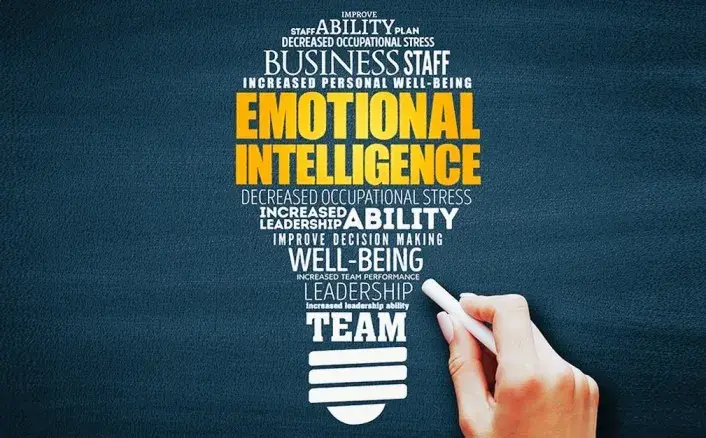
The Importance of Emotional Intelligence in HR Leadership

Blog on HR

In today’s rapidly evolving workplace landscape, Human Resources (HR) leadership plays a pivotal role in fostering a positive work environment, nurturing employee well-being, and driving organizational success. While technical skills and experience are undoubtedly crucial in HR leadership, there’s another equally vital attribute that often gets overlooked: emotional intelligence (EQ). In this blog, we’ll delve into the concept of emotional intelligence, its significance in HR leadership, and practical ways HR leaders can leverage it to create thriving, resilient, and engaged teams. Understanding Emotional Intelligence Emotional intelligence, often abbreviated as EQ, refers to the ability to recognize, understand, manage, and effectively use one’s emotions and the emotions of others. It’s a multifaceted skill that encompasses empathy, self-awareness, social skills, self-regulation, and motivation. HR leaders with high EQ not only possess a deep understanding of their own emotions but also excel in their interactions with colleagues, employees, and stakeholders. Also Read: Nobel Prize in Medicine Awarded to Pioneers of mRNA Technology in COVID-19 Vaccines Development The Significance of EQ in HR Leadership Building Strong Relationships: One of the primary responsibilities of HR leaders is to build and maintain strong relationships within the organization. EQ helps them connect on a deeper level with employees and colleagues, fostering trust and open communication. When HR leaders understand the emotional needs of their team, they can provide more effective support and guidance. Conflict Resolution: Conflict is inevitable in any workplace, and HR leaders often find themselves in the role of mediator. High EQ enables them to navigate conflicts with empathy and diplomacy, leading to more productive resolutions. They can help parties involved in conflicts understand each other’s perspectives and find common ground. Effective Communication: Effective communication is the cornerstone of HR leadership. HR leaders with strong emotional intelligence excel in both verbal and non-verbal communication. They can convey messages clearly, listen actively, and pick up on non-verbal cues, which are essential for understanding the underlying emotions of employees. Empathy: Empathy is a crucial component of EQ. HR leaders who can put themselves in others’ shoes are better equipped to address employee concerns and needs. Empathetic HR leaders create a workplace culture that values the well-being of employees, leading to higher job satisfaction and retention rates. Stress Management: HR leaders often deal with high-stress situations, from layoffs to employee disputes. Emotional intelligence enables them to manage their own stress effectively and remain calm under pressure. This, in turn, sets an example for employees and encourages a more resilient work culture. Team Building: HR leaders are responsible for assembling and nurturing high-performing teams. EQ helps them recognize the unique strengths and weaknesses of team members, facilitating better team dynamics. They can create a work environment that encourages collaboration and innovation. Also Read: Strengthening Your Immune System Naturally: A Comprehensive Guide Practical Ways to Develop EQ in HR Leadership Now that we understand the importance of emotional intelligence in HR leadership, let’s explore some practical strategies for HR leaders to develop and enhance their EQ: Self-awareness: Start by taking a deep dive into your own emotions and reactions. Regular self-reflection and self-assessment can help you identify areas for improvement. Consider seeking feedback from colleagues or mentors to gain insights into your strengths and areas that need development. Active Listening: Practice active listening during interactions with employees and colleagues. Focus on what the other person is saying without interrupting or formulating responses in your mind. Ask open-ended questions to encourage deeper conversations. Empathy: Put yourself in others’ shoes. Try to understand their perspectives, feelings, and motivations. When dealing with employee issues, approach the situation with empathy, showing that you genuinely care about their well-being. Emotion Regulation: Learn to manage your emotions effectively, especially in high-stress situations. Techniques such as mindfulness, deep breathing, and time management can help you stay composed and make rational decisions. Social Skills: Develop your social skills by practicing effective communication, conflict resolution, and relationship-building. Attend workshops or training programs that focus on these skills to refine your abilities. Continuous Learning: Emotional intelligence is not static; it can be developed and refined over time. Commit to continuous learning and self-improvement. Stay updated on the latest trends and research in emotional intelligence. Mentorship: Seek guidance from mentors or senior HR professionals who excel in emotional intelligence. They can provide valuable insights and share their experiences, helping you grow in this area. Feedback Culture: Promote a feedback-rich culture within your HR team and organization. Encourage open and honest feedback from employees and colleagues. Use constructive feedback as an opportunity for growth. Also Read: The Evolution of Streaming Services: From Cable TV to Digital Domination Conclusion Emotional intelligence is a fundamental trait that elevates HR leadership to a higher level of effectiveness and impact. HR leaders with high EQ can build strong relationships, resolve conflicts, communicate effectively, and foster a workplace culture that values well-being and productivity. By continuously developing their emotional intelligence, HR leaders can lead with empathy, wisdom, and resilience, ultimately driving success for both their organizations and their employees. The author, Pratik Ghosh is associated with ArdorComm Media

The Importance of Emotional Intelligence in HR Leadership Read More »