


ArdorComm Media Group

Wednesday, August 19, 2026 6:48 AM

economic growth

UK Set to Create 38,000 Jobs Following Record £63 Billion Investment
ArdorComm news

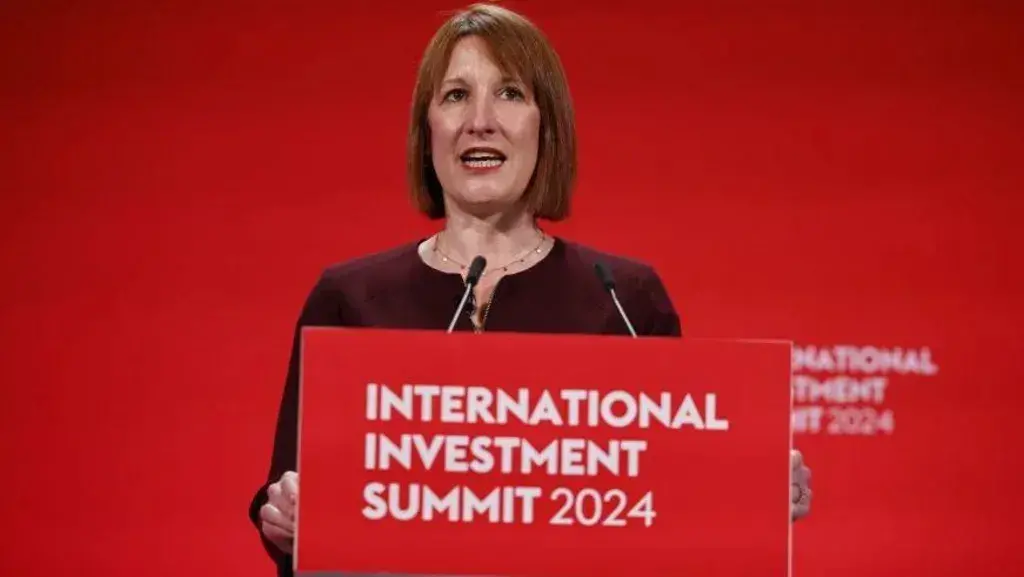
Nearly 38,000 jobs will be created across the UK following the announcement of a record-breaking £63 billion in investments around the International Investment Summit. This total more than doubles last year’s £29.5 billion commitment at the Global Investment Summit and will drive growth and innovation in key sectors like infrastructure and technology. Among today’s new announcements are investments from DP World, Associated British Ports (ABP), and Imperial College London, totalling over £1 billion. The UK’s stable governance has attracted tens of billions in new investments, reinforcing the government’s focus on delivering economic growth. These investments demonstrate global confidence in Britain as a prime investment destination, with a particular focus on areas such as artificial intelligence (AI), data centre expansion, and renewable energy. Tech Firms Invest £6.3 Billion in Data Centres Four major US-based tech firms have announced £6.3 billion investments in UK data centres, which are essential for enhancing AI capabilities. These data centres will power AI systems and store the vast amount of information generated, providing the infrastructure for future AI development and economic growth. Key Infrastructure Investments: ABP, Imperial College London ABP, the UK’s largest port operator, will invest over £200 million alongside Stena Line to develop a new freight ferry terminal at the Port of Immingham, creating around 900 jobs during construction and operation. Additionally, Imperial College London has announced a £150 million investment to expand its R&D campus in West London, contributing to the growing deep tech ecosystem and boosting job creation. Government’s Commitment to Economic Growth Business and Trade Secretary Jonathan Reynolds highlighted the UK’s leading position as an investment hub, stating: “The record-breaking investment total secured at today’s Summit marks a major vote of confidence in the UK and our stability dividend across industry and innovation.” Chancellor Rachel Reeves echoed this sentiment, emphasizing the impact of these investments on businesses across the UK, from large corporations to small enterprises, all contributing to job creation and economic prosperity. Other Major Investments Announced: Iberdrola: Doubling its UK investment to £24 billion, including £4 billion for the East Anglia 2 wind farm. Blackstone: £10 billion investment in Northumberland for Europe’s largest artificial data centre, creating 4,000 jobs. Amazon Web Services: £8 billion investment, supporting 14,000 jobs annually. CCUS Investors (Eni, BP, Equinor): Unlocking £8 billion for carbon capture clusters, creating 4,000 jobs. Orsted and Greenvolt: Offshore wind projects unlocking £8 billion (Orsted) and £2.5 billion (Greenvolt), creating thousands of jobs. These investments solidify the UK’s position as a global leader in innovation and economic growth, with the government’s Industrial Strategy providing further certainty for future global business ventures. Source : Gov.UK

UK Set to Create 38,000 Jobs Following Record £63 Billion Investment Read More »

India Considering Lowering Personal Tax Rates to Boost Consumption

The Indian government is contemplating lowering personal tax rates for certain categories of individuals in the upcoming Budget 2024, potentially boosting consumption in Asia’s third-largest economy. This plan might be announced in July when Prime Minister Narendra Modi’s government presents its first federal budget after the Bharatiya Janata Party (BJP) failed to secure a majority on its own. A post-poll survey revealed voter concerns about inflation, unemployment, and declining incomes. Despite the Indian economy growing at an impressive 8.2% in 2023-24, consumption only grew at half that rate. Prime Minister Modi, while claiming to form the National Democratic Alliance government, emphasized focusing on raising middle-class savings and improving their quality of life. A reduction in personal tax could enhance consumption and increase middle-class savings, according to sources, who spoke anonymously due to the confidentiality of budget discussions. The finance ministry did not immediately respond to requests for comment. The tax relief may target individuals earning over Rs 15 lakh annually, with specifics yet to be determined. The changes might affect a tax scheme introduced in 2020, where income up to Rs 15 lakh is taxed at 5%-20%, and earnings over Rs 15 lakh are taxed at 30%. The government may also consider lowering rates for annual incomes of Rs 10 lakh and discussing a new threshold for the highest tax rate of 30%. Any loss of tax revenue from these cuts could be partially offset by increased consumption among higher income earners. The federal government aims for a fiscal deficit of 5.1% of GDP by March 2025. Strong tax collections and a substantial dividend from the central bank will provide the government flexibility in planning the new budget.

India Considering Lowering Personal Tax Rates to Boost Consumption Read More »

RBI Approves ₹2.11 Lakh Crore Dividend Payout to Government for 2023-24

The Reserve Bank of India (RBI) has approved a substantial ₹2.11 lakh crore dividend payout to the central government for the financial year 2023-24. This amount is more than double the ₹87,416 crore paid for the previous financial year, 2022-23. The decision was made during the 608th meeting of the Central Board of Directors of the RBI, chaired by Governor Shaktikanta Das on May 22. In a statement, the RBI announced, “The Board…approved the transfer of ₹2,10,874 crore as surplus to the Central Government for the accounting year 2023-24.” This significant dividend payout surpasses analysts’ expectations, who had anticipated a surplus transfer between 750 billion rupees to 1.2 trillion rupees, driven by strong foreign exchange earnings. Additionally, the RBI has increased the Contingent Risk Buffer (CRB) to 6.5% for FY 2023-24, up from 6% in the previous financial year. The CRB is a financial safeguard against potential risks, and its increase reflects the RBI’s confidence in the economy’s resilience and robustness. The large dividend payout is expected to provide a substantial boost to the central government’s finances, aiding in fiscal management and potentially funding various public expenditure programs. This move by the RBI underscores its strong financial performance and the positive outlook for India’s economic growth. The enhanced dividend payout comes at a critical time, supporting the government’s efforts to manage its fiscal deficit and fund developmental initiatives. The decision reflects the RBI’s commitment to maintaining a robust financial position while supporting the government’s economic agenda.  

RBI Approves ₹2.11 Lakh Crore Dividend Payout to Government for 2023-24 Read More »

Closing the Women’s Health Gap: A $1 Trillion Opportunity for Global Well-being

Blog on Health

In a study by the McKinsey Health Institute in collaboration with the World Economic Forum (WEF), the report titled “Closing the women’s health gap: A $1 trillion opportunity to improve lives and economies” sheds light on the profound impact of gender disparities in healthcare on both individual well-being and global economic prosperity. The study, focused on addressing the health gap between men and women, reveals startling statistics that demand urgent attention and action. Key Findings: Unraveling the Women’s Health Gap The report brings to light the alarming fact that while women tend to live longer than men, they spend 25 percent more of their lives grappling with poor health. This health disparity translates into a staggering 75 million years of life lost annually due to illnesses or premature death among women. The study identifies key areas contributing to the women’s health gap: Health Conditions Affecting Both Genders: 95 percent of the health burden on women is attributed to conditions affecting both men and women, such as sexual and reproductive health, maternal and child health, and endometriosis. Prevalence of Conditions in Women: 56 percent of the health burden on women arises from conditions that are either more prevalent or manifest differently in women. The Case of India: A $22 Billion Opportunity In the context of India, the study highlights that closing the gender gap in healthcare could lead to a substantial economic boost. The report estimates that India’s GDP could rise by at least $22 billion by addressing the health disparities between men and women. The top health conditions contributing to this potential GDP impact include premenstrual syndrome, gynecological diseases, migraine, depressive disorders, and anxiety disorders. Global Root Causes: Science, Care Delivery, Investment, and Data The report identifies four primary global root causes contributing to the women’s health gap: Science: Historically, the study of human biology has predominantly focused on the male body, leading to less effective treatments for women. Over 50 percent of interventions with sex-disaggregated research are found to be less effective for women than men. Care Delivery: Women often face barriers to care, diagnostic delays, and suboptimal treatment due to healthcare systems designed and run predominantly by men. Investment: There has been lower investment in women’s health conditions relative to their prevalence, perpetuating limited scientific understanding and data on women’s bodies. Data: Health burdens for women are systematically underestimated, with incomplete datasets that exclude or undervalue crucial conditions affecting women. Closing the Gap: A Trillion-Dollar Opportunity The report emphasizes the potential economic and societal benefits of addressing the women’s health gap: Economic Growth: For every $1 invested in women’s health, the projection is nearly $3 in economic growth. Global Impact: Closing the health gap could add 7 more days of healthy living for each woman annually, contribute at least $1 trillion to the global economy by 2040, and generate an impact equivalent to 137 million women accessing full-time positions. Reduced Health Burden: Addressing the gaps in women’s health could reduce the time women spend in poor health by almost two-thirds, positively impacting 3.9 billion women. Strategies for Change To achieve health equity and foster economic growth, the report suggests a comprehensive strategy involving various stakeholders: Invest in Research: Prioritize women-centric research to fill knowledge and data gaps in women-specific conditions. Data Collection: Systematically collect and analyze sex-, ethnicity-, and gender-specific data for accurate representation of women’s health burden. Enhance Access: Improve access to gender-specific care, from prevention to diagnosis and treatment. Financing Models: Incentivize new financing models to support women’s health initiatives. Business Policies: Establish business policies that actively support women’s health. Raise Awareness: Promote awareness and advocacy to draw attention to the women’s health gap. By prioritizing women’s health in research, care, and investment, societies can unlock immense economic potential while ensuring a healthier

Closing the Women’s Health Gap: A $1 Trillion Opportunity for Global Well-being Read More »