





Chikungunya Risk Grows: WHO Warns of Possible Global Outbreak
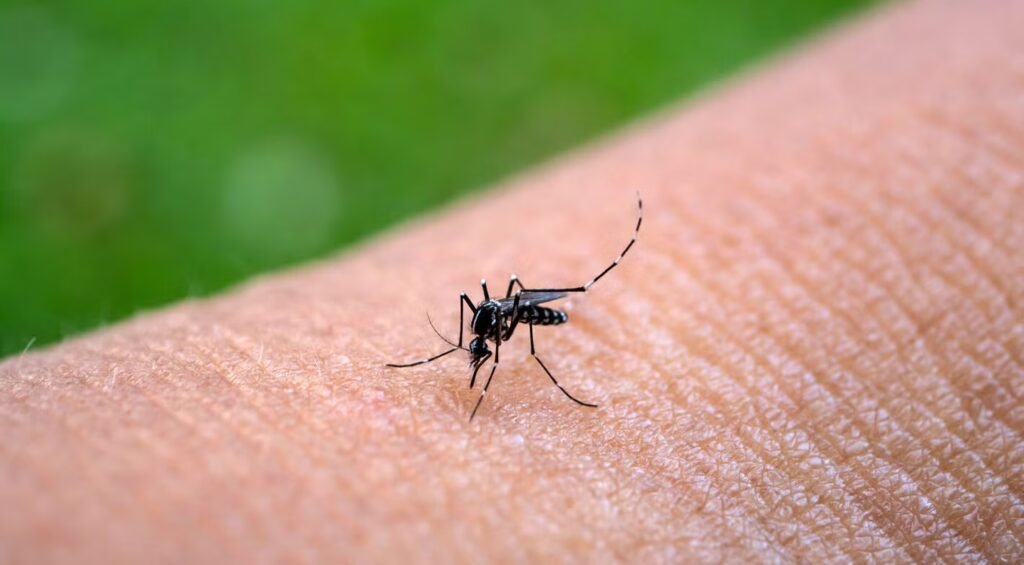
The World Health Organization (WHO) has issued a global health alert about the rising threat of a chikungunya epidemic, warning that the virus could soon spread across continents if swift preventive measures are not taken. The warning, issued on Tuesday, highlights signs similar to those observed before the large-scale outbreak of 2004–05. Dr. Diana Rojas Alvarez, a medical officer at the WHO, revealed that approximately 5.6 billion people across 119 countries are potentially vulnerable. Speaking at a press conference in Geneva, she emphasized the virus’s ability to trigger severe fever, debilitating joint pain, and long-lasting health issues, particularly among older adults. Outbreak Timeline and Spread The ongoing surge began in early 2025, primarily affecting regions in the Indian Ocean, including La Réunion, Mayotte, and Mauritius—where nearly one-third of La Réunion’s population has been infected. The virus has since made inroads into Madagascar, Somalia, Kenya, India, and other parts of Southeast Asia. Alarmingly, southern Europe is now reporting isolated locally transmitted cases in France and Italy. Understanding Chikungunya Chikungunya, first identified in Tanzania in 1952, is a mosquito-borne viral illness transmitted mainly by Aedes aegypti and Aedes albopictus mosquitoes. These vectors also spread other diseases like dengue and Zika. Common symptoms include: Sudden onset of high fever Severe joint and muscle pain Headache Fatigue Rash Although the infection is rarely fatal, many patients suffer prolonged joint discomfort that can persist for months. There is currently no specific antiviral treatment. Supportive care—hydration, rest, and pain relief—remains the primary approach. While two vaccines have been approved or recommended in select countries, widespread access and deployment remain limited. The WHO is assessing safety data and global needs to determine the potential for broader rollout. Global Numbers and Trends The European Centre for Disease Prevention and Control (ECDC) reports that, as of June 2025, Brazil leads with over 141,000 cases, followed by Argentina (2,521), Peru (46), and Bolivia (605). The French territory of La Réunion has documented over 51,000 cases by May-end. In South Asia, more than 33,000 infections have been reported in India, Pakistan, and Sri Lanka since June. Notably, regions that were once free from local chikungunya transmission are now witnessing occasional local outbreaks—a shift attributed to global warming and the changing habitats of mosquito species. WHO’s Call to Action To prevent chikungunya from escalating into a full-scale global epidemic, the WHO has urged governments and health agencies to: Enhance mosquito surveillance and vector control Strengthen healthcare infrastructure for better outbreak detection and response Increase public awareness on mosquito bite prevention Accelerate vaccine research and availability The WHO stressed that delaying action now could result in a wider, more difficult-to-control health emergency in the near future. Source: Business Standard
Chikungunya Risk Grows: WHO Warns of Possible Global Outbreak Read More »
