


ArdorComm Media Group

Monday, November 23, 2026 3:39 PM

humanitarian aid

China Calls for Post-War Governance in Gaza, Strengthens Diplomatic Ties with Egypt and Saudi Arabia
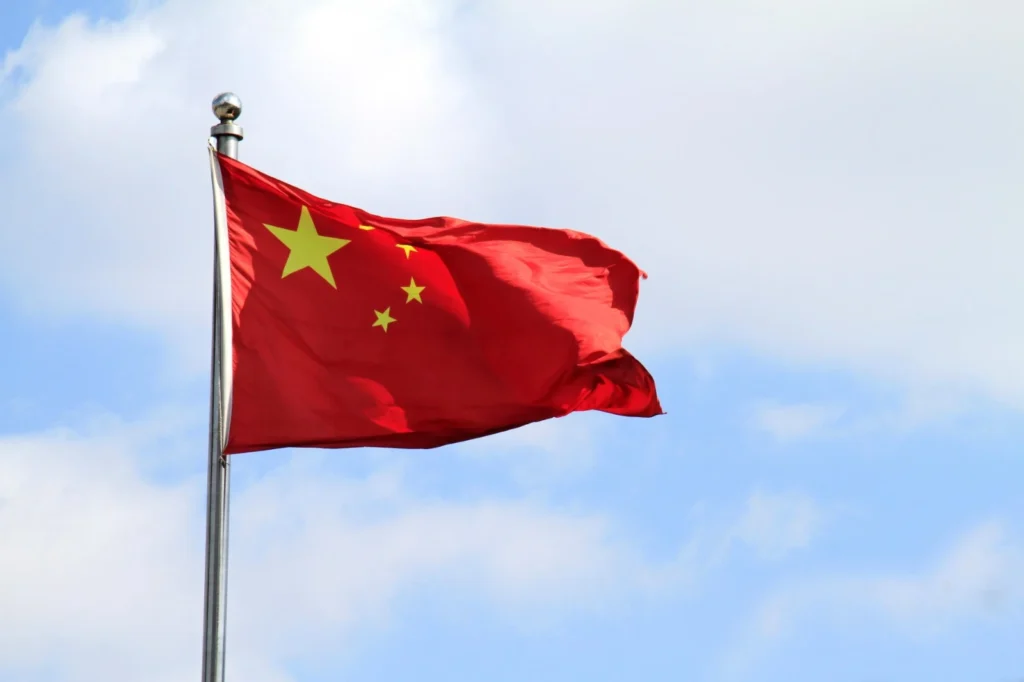
As the first phase of the ceasefire in Gaza nears its end, China has called for the swift development of a governance and reconstruction plan for the war-torn region. Beijing has reaffirmed its commitment to Palestinian self-rule and a two-state solution. The call was made during a phone conversation between Chinese Foreign Minister Wang Yi and his Egyptian counterpart, Badr Abdelatty, according to a report by the South China Morning Post. The discussion marks one of Beijing’s first direct engagements on Gaza’s post-war governance since Israel and Hamas agreed to a phased ceasefire last month. The truce consists of three stages, with the second aiming for a lasting ceasefire and the third focused on rebuilding efforts. China Backs Two-State Solution for Palestine China emphasized that any post-war governance framework for Gaza must align with Palestinian self-determination, recognizing Gaza as an integral part of Palestinian territory. Beijing continues to advocate for the two-state solution based on the 1967 borders, which would require dismantling Israeli settlements in the West Bank and ensuring Palestinian sovereignty over both the West Bank and Gaza. Egypt Rejects Trump’s Gaza Displacement Plan During the discussion, Wang expressed China’s support for Egypt’s reconstruction plan, which stresses the importance of Palestinians remaining in their homeland. Egypt has consistently opposed any proposals that could lead to mass displacement. Cairo reaffirmed this stance during a recent meeting between Abdelatty and US Secretary of State Marco Rubio in Washington, where Egypt rejected the Trump administration’s proposed displacement plan for Gaza. China’s Growing Influence in West Asia China has also engaged Saudi Arabia on the issue. Wang met with Saudi Foreign Minister Prince Faisal bin Farhan bin Abdullah on the sidelines of the G20 summit in Johannesburg, where discussions covered the Israeli-Palestinian conflict. Riyadh acknowledged China’s longstanding support for Palestinian rights and expressed confidence in Beijing’s role in promoting regional peace. Wang reiterated China’s commitment to standing with Arab nations in addressing historical injustices. Beijing’s diplomatic push comes amid growing rejection in the region of Trump’s proposals for Gaza’s future. Last week, at the United Nations Security Council, China strongly opposed any political maneuvering over Gaza’s fate. Additionally, China has pledged humanitarian support, announcing plans to send 60,000 food parcels to Gaza following the US decision to halt foreign aid contributions.

China Calls for Post-War Governance in Gaza, Strengthens Diplomatic Ties with Egypt and Saudi Arabia Read More »

Gaza Ceasefire: Key Details of the Israel-Hamas Truce Agreement and Governance Prospects

Efforts to end the long-standing conflict in Gaza have led to a draft ceasefire agreement mediated by Qatar. The proposal outlines several stages aimed at halting hostilities, exchanging hostages for Palestinian prisoners, and addressing humanitarian concerns in the region. Key Elements of the Ceasefire Agreement Stage One: Hostage Release The first phase focuses on the return of 33 hostages held by Hamas. These include children, women (including female soldiers), men over 50, and individuals who are wounded or ill. While Israel suspects most hostages are alive, there has been no confirmation from Hamas. This stage could last between two weeks to 60 days. Negotiations for a second stage would begin on the 16th day of the agreement, aiming to secure the release of younger civilian males, male soldiers, and the remains of deceased hostages. Exchange for Hostages In return, Israel will release hundreds of Palestinian prisoners. While exact numbers vary, estimates suggest “many hundreds” to over 1,000 prisoners. Those convicted of deadly attacks, including participants in the October 7, 2023, attack on Israel, will not be released to the West Bank. Phased Military Withdrawal Israeli forces will implement a phased withdrawal, ensuring the safety of border towns and maintaining a presence along the Philadelphi corridor near Egypt. Key changes include: Allowing unarmed North Gaza residents to return under monitored conditions. Gradual reopening of the Rafah crossing for medical evacuations. Increased humanitarian aid into Gaza, addressing the region’s severe crisis. Humanitarian Assistance The agreement emphasizes humanitarian aid expansion, as international organizations report dire conditions in Gaza. The Future of Gaza Governance The governance of Gaza remains a contentious issue and is absent from the current agreement due to its complexity. Israel’s Position: Hamas cannot remain in power post-conflict. Israel opposes the Palestinian Authority’s governance over Gaza and intends to retain security control over the enclave. International Stance: Gaza must eventually be governed by Palestinians. Discussions are ongoing among Israel, the UAE, and the U.S. regarding a provisional administration until a reformed Palestinian Authority is prepared to take control. Outlook While the draft agreement signifies progress, many details remain unresolved. The truce is a critical first step toward peace, yet the long-term governance and stability of Gaza demand further negotiations and international cooperation. Source: english.jagran Photo Credit: english.jagran

Gaza Ceasefire: Key Details of the Israel-Hamas Truce Agreement and Governance Prospects Read More »

Hospitals in Gaza Warn of Fuel Shortage Amid Intensifying Conflict

The Gaza health ministry has sounded an alarm, warning that hospitals in the territory have only two days’ worth of fuel left. This urgent appeal comes amid escalating conflict and worsening humanitarian conditions, with aid deliveries facing severe disruptions. Marwan al-Hams, director of Gaza’s field hospitals, issued a dire warning, stating that hospitals will cease operations or significantly limit services if fuel supplies are not replenished. The United Nations has echoed these concerns, highlighting that essential aid, including food, water, and medical supplies, is being severely hampered due to Israeli restrictions and growing insecurity in the region. Key Developments: ICC Arrest Warrants: The International Criminal Court (ICC) issued arrest warrants for Israeli Prime Minister Benjamin Netanyahu and former defense minister Yoav Gallant. The charges include war crimes and crimes against humanity, particularly the alleged use of starvation as a method of warfare. Humanitarian Crisis: The UN and the World Health Organization (WHO) have expressed grave concerns about the deteriorating conditions, especially in northern Gaza. Israeli military operations in Jabalia and Beit Lahia have caused mass casualties and displacement. International Reactions: While some leaders, including US President Joe Biden, criticized the ICC’s warrants, others, like Irish Prime Minister Simon Harris, supported legal accountability. Hungarian Prime Minister Viktor Orban offered a contrasting stance, inviting Netanyahu to visit in defiance of the ICC. Escalation Beyond Gaza: The conflict has spilled over into Lebanon, with Israeli airstrikes targeting Hezbollah strongholds. Clashes have resulted in significant casualties, with the Lebanese health ministry reporting over 3,580 deaths since late September. The war, which began after Hamas’s deadly attack on October 7, 2023, has claimed tens of thousands of lives in Gaza, with the majority being civilians, according to the Gaza health ministry. Meanwhile, calls for a ceasefire and unhindered humanitarian access continue to grow from the international community. Source: NDTV Photo Credit: NDTV

Hospitals in Gaza Warn of Fuel Shortage Amid Intensifying Conflict Read More »