ArdorComm Media Group

Wednesday, October 7, 2026 7:01 PM

Hyderabad

ICMR-NIN Study Finds Vitamin D3 More Effective Than D2 in Supporting Muscle and Heart Health

Vitamin D3 may be more effective than Vitamin D2 in maintaining and restoring skeletal muscle and cardiac function, according to a study conducted by researchers at the ICMR-National Institute of Nutrition (ICMR-NIN), Hyderabad. The study, titled “Dietary Vitamin D2 Is Less Potent Than Vitamin D3 at Maintaining or Restoring Structure and Metabolism of Skeletal Muscle and Heart in Male Rats,” was published in Molecular Nutrition & Food Research. Researchers examined the comparative effects of Vitamin D2 and D3 on skeletal muscle and heart health in male rats during both the maintenance phase and recovery from vitamin D deficiency. Vitamin D is primarily known for its role in calcium regulation and bone health, but it also contributes to the functioning of tissues such as skeletal muscle and the heart. While both D2 and D3 are commonly used in supplements and food fortification, researchers noted that their effects on non-bone tissues have not been studied as extensively. For the study, weaning male Sprague-Dawley rats were divided into groups receiving diets containing Vitamin D2, Vitamin D3, a combination of both, or a vitamin D-deficient diet. Researchers subsequently assessed body composition, muscle strength, muscle structure and metabolism, along with indicators linked to cardiac function. The findings showed that Vitamin D3 resulted in greater improvements in muscle mass, muscle fibre size and grip strength compared with Vitamin D2. It also demonstrated stronger effects on biological markers associated with muscle development and energy metabolism. A similar trend was observed in the heart. Vitamin D3 produced greater changes in markers linked to cardiac contractility and metabolism. The differences between the two forms were particularly noticeable when the animals were recovering from Vitamin D deficiency. Dr Ayesha Ismail, Scientist F at ICMR-NIN and corresponding author of the study, said both forms improved calcium-related parameters, but Vitamin D2 was less effective across several indicators associated with muscle and heart structure and energy metabolism. ICMR-NIN Director Dr Bharati Kulkarni said the findings suggest that Vitamin D3 could have greater potential than Vitamin D2 in maintaining and restoring skeletal muscle and cardiac functions. However, the researchers cautioned against directly applying the findings to humans. They said additional research involving human populations is needed to determine whether the observed differences between Vitamin D2 and D3 have similar implications for skeletal and other body functions. The study adds to existing evidence suggesting that the two forms of Vitamin D may not have identical effects beyond their established role in calcium regulation and bone health. Researchers said further studies will be important in assessing the potential implications for vitamin supplementation and food-fortification programmes. Source: ANI

ICMR-NIN Study Finds Vitamin D3 More Effective Than D2 in Supporting Muscle and Heart Health Read More »

Civil Aviation Minister Pushes for Faster, Hassle-Free NOC Process to Boost Ease of Doing Business

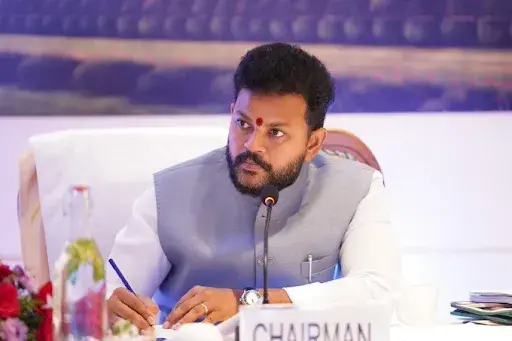
Civil Aviation Minister K Rammohan Naidu has directed officials to simplify and streamline the process for issuing No Objection Certificates (NOCs) in the aviation sector, with a focus on making the system more transparent, automated and time-bound. Naidu chaired a meeting in New Delhi with senior officials from the Ministry of Civil Aviation and the Airports Authority of India to review measures aimed at improving the ease of doing business in the sector. During the meeting, the minister stressed the need to minimise manual intervention in the NOC process and make it more efficient and user-friendly. He directed officials to examine ways to simplify, automate and decentralise the procedure and complete the necessary groundwork for implementing the reforms within 15 days. The proposed changes are intended to make the process easier for members of the public, housing societies, builders and industry stakeholders, while ensuring that all aviation safety and regulatory requirements continue to be met. Naidu also reviewed the possibility of informing applicants about permissible building heights at the initial stage of the application process. The proposal is particularly relevant for major metropolitan centres such as Delhi, Mumbai and Hyderabad, where construction activity and aviation-related height restrictions frequently intersect. The ministry said the proposed measures are aimed at improving regulatory efficiency and providing greater clarity to applicants while maintaining necessary safeguards for aviation safety. Source: News on AIR

Civil Aviation Minister Pushes for Faster, Hassle-Free NOC Process to Boost Ease of Doing Business Read More »

CIBC Chooses Hyderabad for New GCC, Eyes Creation of 2,000 Jobs

Canadian banking giant CIBC (Canadian Imperial Bank of Commerce) has announced plans to establish a Global Capability Centre (GCC) in Hyderabad, strengthening the city’s position as a key hub for banking and financial services operations. The new facility is expected to begin operations in July and will support the bank’s global technology, digital, and financial services functions. According to officials, the GCC is projected to generate over 2,000 employment opportunities in areas such as banking technology, data analytics, and related domains over the next few years. With this move, CIBC joins a growing list of global banking and financial institutions that have set up operations in Hyderabad, including HSBC, Barclays, JPMorgan Chase, American Express, UBS, and Wells Fargo. In a separate development, food and beverage major Nestlé has also selected Hyderabad as the location for its upcoming GCC. The facility, expected to become operational in the coming months, is anticipated to boost innovation, strengthen supply chain capabilities, and create new employment opportunities in the FMCG sector. Source: Economic Times

CIBC Chooses Hyderabad for New GCC, Eyes Creation of 2,000 Jobs Read More »

High Consumption of Packaged Foods Linked to Rising Blood Pressure Among Urban Youth: NIN Study

A recent study conducted by researchers at the Hyderabad-based ICMR-National Institute of Nutrition has found a strong association between the frequent consumption of ultra-processed foods (UPFs) and elevated blood pressure among urban young adults, particularly males. The cross-sectional study involved 311 undergraduate students aged between 18 and 24 years from three colleges in Hyderabad. Researchers assessed participants’ dietary habits over the previous month using a 24-item food frequency questionnaire covering commonly consumed packaged foods such as biscuits, chocolates, and salty snacks — reflecting the changing dietary patterns among India’s urban youth. The study revealed that 12.5% of the participants had high blood pressure levels of 140/90 mmHg or above. The prevalence was notably higher among male students and individuals above the age of 20. After adjusting for variables such as age, gender, and socioeconomic status, researchers found that male participants and students from higher-income families had significantly greater odds of developing hypertension. Importantly, students consuming high-fat and high-salt UPFs at or above the median intake level were found to be independently more likely to have elevated blood pressure. Factors such as taste, affordability, and easy accessibility were identified as major reasons driving the consumption of these packaged foods. The research team included Karthikeyan Ramanujam, Abhigna Mahathi, Jarupula Namrathaa Pawar, Maheshwari Matla, Harichandana Ponnapalli, Vinay Kumar Soma, Keerthana Gajjala, SuryaGoud S. Chukkala, Mahesh Kumar Mummadi, SubbaRao M. Gavaravarapu, G Bhanuprakash Reddy, Jagajeevan Babu Geddam, and Samarasimha Nusi Reddy. Researchers observed that the frequency and type of UPF intake had a stronger influence on hypertension risk than overall dietary diversity. They noted that such health impacts are generally associated with older populations, making the findings concerning as they indicate that hypertension-related risks are emerging early in adulthood — a stage when the condition often goes undiagnosed. Although students residing in hostels showed slightly higher blood pressure levels compared to those staying at home, likely due to repetitive diets and dependence on packaged foods, the association was not statistically significant after adjustments. The findings align with trends reported in the National Family Health Survey (NFHS-5), which has documented a steady increase in hypertension among adolescents and young adults across India. Researchers stated that India is currently undergoing a nutrition transition phase, with young people increasingly shifting toward snack-based ultra-processed foods. The study, published in the latest edition of the journal Nutrients, stressed the urgent need to reduce consumption of foods high in salt, sugar, and unhealthy fats to lower the growing burden of non-communicable diseases. Researchers also recommended policy interventions such as higher taxes on packaged foods, restricting the sale of high-salt snacks near educational institutions, promoting affordable healthy food alternatives, and strengthening nutrition awareness programmes among young adults. Source: The Hindu  

High Consumption of Packaged Foods Linked to Rising Blood Pressure Among Urban Youth: NIN Study Read More »

India Inc Poised to Offer 6.2% to 11.3% Average Salary Hikes Across Sectors: TeamLease Report

Corporate India is set to witness salary hikes ranging between 6.2% and 11.3% in the current financial year, as companies realign their workforce strategies with a sharper focus on skill certifications and performance-linked incentives, according to the TeamLease Services’ Jobs and Salaries Primer 2025–26 report released on Tuesday. Drawing insights from over 1,300 organisations across 23 industries and 20 cities, the report highlights that some job roles may see hikes of up to 13.8%. The evolving demand for professionals who can blend technical expertise with business impact is driving this shift in compensation trends, said Kartik Narayan, CEO – Staffing at TeamLease Services. Among the sectors expected to offer the highest salary increases are Electric Vehicles (EV) and EV infrastructure (11.3%), consumer durables (10.7%), retail (10.7%), and non-banking financial companies (NBFCs) (10.4%). Top-paying roles in these sectors include: Electrical Design Engineer in the EV domain (12.4% hike), In-Store Demonstrator in consumer durables (12.2%), Relationship Executive in NBFCs (11.6%), and Fashion Assistant in retail (11.2%). The report also points to a robust revival in the blue-collar segment, thanks to rising infrastructure investments, a growing EV ecosystem, and renewed activity in real estate and manufacturing. Key roles like mechanic (10.4%), material handler (10%), machine operator (9.9%), and electrician (9.3%) are witnessing healthy pay increases. “This strong wage momentum in traditional blue-collar roles signals a need for companies to recalibrate hiring strategies in line with emerging growth sectors. For workers, upskilling will be key to remaining relevant and resilient,” Narayan added. In terms of cities and individual roles, standout salary hikes include: Quality Control Inspector in Pune (13.8%), MIS Executive in Hyderabad (13.4%), Data Engineer in Bengaluru (12.9%), Electrical Design Engineer in Mumbai (12.6%), and Sales Executive in Gurgaon (12.4%). Functionally, the most significant hikes are projected in sales and marketing roles (9.9%), followed by engineering (9.5%). Other domains such as finance, customer service, back-office operations, HR, and administration are expected to receive moderate increases between 8.2% and 8.6%, indicating balanced growth across business functions. Overall, the report underscores a broader recalibration of compensation structures in India Inc, with skill-based hiring, retention incentives, and future-ready talent emerging as strategic priorities. Source: PTI

India Inc Poised to Offer 6.2% to 11.3% Average Salary Hikes Across Sectors: TeamLease Report Read More »

India’s Retail Real Estate Set for Major Expansion with 16.6 Million Sq. Ft. of New Mall Space by 2026

India’s retail landscape is undergoing a significant shift, as the country gears up to add more than 16.6 million square feet of premium mall space across its top seven cities by 2025 and 2026, according to a recent study by Anarock Research. This upcoming wave of expansion is being powered by a combination of robust consumer demand and strong leasing activity, ushering in what experts are calling a “golden era” for organized retail. Hyderabad and Delhi-NCR are at the forefront of this surge, together accounting for nearly 65% of the new supply, signaling their emergence as key consumption hubs. The boom is part of a larger development trend, with projections suggesting that over 40 million sq. ft. of new retail space could be introduced nationwide by 2029. Anuj Kejriwal, CEO and MD of Anarock Retail, attributed this development drive to a prevailing shortage of high-quality retail spaces. He pointed out that while 2022 saw 2.6 million sq. ft. of mall space being added, leasing demand hit 3.2 million sq. ft. The trend continued in 2023, with 5.3 million sq. ft. of new supply compared to 6.5 million sq. ft. leased. The mismatch was even more evident in 2024, when only 1.1 million sq. ft. of mall space became operational amid election-related approval delays, yet leasing demand remained strong at 6.5 million sq. ft. Despite the significant inflow of new space, experts are not concerned about oversupply. The report predicts that leasing activity will surpass 12.6 million sq. ft. in 2025 and 2026, underlining sustained interest from developers and retailers alike. This momentum is further driven by the entry of more than 60 international brands into India over the past four years—spanning sectors like fashion, electronics, lifestyle, and F&B—all seeking a foothold in high-traffic malls and commercial zones. As a result, mall vacancy rates—which hit a high of 15.5% in 2021—are anticipated to settle at around 8.2% in 2025 and 8.5% in 2026. This retail evolution isn’t limited to the metros. Tier 2 and Tier 3 cities are rapidly emerging as key retail destinations, backed by rising disposable incomes, improved internet infrastructure, and a surge in ecommerce activity. In fact, these cities now dominate India’s online shopping landscape. The number of online shoppers in India has nearly doubled from 140 million in 2020 to 260 million in 2024 and is forecasted to reach 300 million by 2030 and a staggering 700 million by 2035. Source: IANS

India’s Retail Real Estate Set for Major Expansion with 16.6 Million Sq. Ft. of New Mall Space by 2026 Read More »

Pratima Sinha, CEO, DSR Education Society Hyderabad shares her views on the impact of NEP 2020 on the School education sector

It’s time we understand that change is inevitable and the need to change our mindset is very vital says Pratima Sinha, CEO, DSR Educational Society Hyderabad, with seven Birla Open Minds International and Preschools under its aegis in an interview with ArdorComm News Network (ANN). What initiatives did your prestigious schools carry out to enhance teaching training to deal with learning in the new normal? Teachers are the backbone of the school and imparting the right kind of education totally depends upon them. With the responsibility of giving unconditional support and guidance to a child, the teacher needs to be always on her toes, forward thinking, in touch with new practices, creative and innovative and ready to face any challenges. The humungous, unexpected and unprecedented challenge that the teachers faced during the pandemic shook the core of the Education System. Every School scrambled to ensure that the learning process shouldn’t get affected and on priority and at the top of the to do list was training of the teachers to teach them the use of technology to teach. For this we had to counsel the teachers very closely to change their mind set for the major change of shifting from physical to remote teaching. Motivate them to relook, review and change the curriculum, the lesson plans for smooth conduction of online classes. New strategies and tools to be adapted to give more and more authenticity to the teaching learning process. Every day there were sessions with the teachers to understand their improvement as well as any further challenges they may be facing. It was an intensive and constant monitoring process that was followed. Further on the need to give emotional stability to the teachers became a must. Teachers were working from the confines of their houses and managing home as well as work front. To give them the emotional strength, the confidence to feel that they are doing a wonderful job we initiated many webinar sessions By the teacher and For the teacher. These sessions made our teachers experts in researching, making presentations, conducting sessions using the best of technology. We ensured that teachers were part of pedagogical sessions that stressed on quality education through remote teaching. We also encouraged our teachers to participate in online competitions initiated by various organizations. This ensured that their competitive spirits remained high. Today I feel proud when my teachers are invited as speakers in various webinars and are conducting successful online classes with such elan and confidence. How do you think schools can utilize technology to face the challenges of the pandemic? Schools have absorbed the use of technology for remote teaching in totality and will continue to do so. New and more sophisticated tools are regularly introduced by tech companies which are being used to enhance teaching. These tools are used for better explanation, more experiential experience, interactive and integrated teaching, holding debates, discussions, giving assignments, conducting formative and summative assessment. As students are very comfortable in using technology, teachers are using it to their advantage by encouraging students to do self-directed learning through flip learning, project and problem-based learning. Students are encouraged to do research and make presentations. The activities mentioned in the school calendar whether it is Literary Fest, MUN, Science fares, competitions, hobbies, parent orientations, PTM to name a few have been conducted with great success using technology. Connecting students with their peers from across the globe, participation in competitions held globally, sharing best practices, their cultures and traditions have made the students more empathetic and open minded. Bringing in experts from various fields placed in different locales to interact with the students and give them an insight about their work has been possible only because of the use of technology. The possibilities are extensive and we understand the great need to invest in the use of technology in the teaching learning process not only during the pandemic but otherwise too. It is here to stay. How do you think the NEP will impact the school education sector? NEP has laid down very progressive plans for the school education sector and if implemented in the real sense and with sincerity we will be in par with any education system across the world. As educators we need to deeply look into the present system and reflect whether we are imparting the right education to our future generation. What we are teaching right now will it help them to sustain as confident individuals. It’s time we understand that change is inevitable and the need to change our mindset is very vital. The overall development that the student requires in terms of inter, intra and cognitive skills, conceptualized knowledge and its application, the life values, the aesthetic exposure is what we are looking at for our education system to provide. Education will take on a new meaning when we put aside the bookish knowledge, the rote learning, the grades and marks which are a huge burden on the student. I am looking forward to the positive approach in our school education system based on the NEP. What are the changes, do you think on the academic and operational side of school after the pandemic? Schools are reopening slowly offering both offline and online option to the students. Lot of preparations and backend work has gone into the reopening. Planning for COVID safety and prevention has been extensive as this is the prime concern. Schools have associated with corporate hospitals for emergency. Have created safety committees in the school to monitor and check the sanitizing facilities and regular sanitizing process. School infrastructure has been prepared as per government safety norms for reopening of schools. SOP created for safety measures keeping the WHO safety guidelines in mind. Lot of investment has gone into upgrading the technology available, safety material, posters and banners. All the staff members have been trained according to the COVID norms and the process to be followed in case of emergency. The School transport system also to follow detailed SOP


Pratima Sinha, CEO, DSR Education Society Hyderabad shares her views on the impact of NEP 2020 on the School education sector Read More »