





India Must Build World-Class Medical Devices, Government to Fund Testing Equipment Fully: Goyal
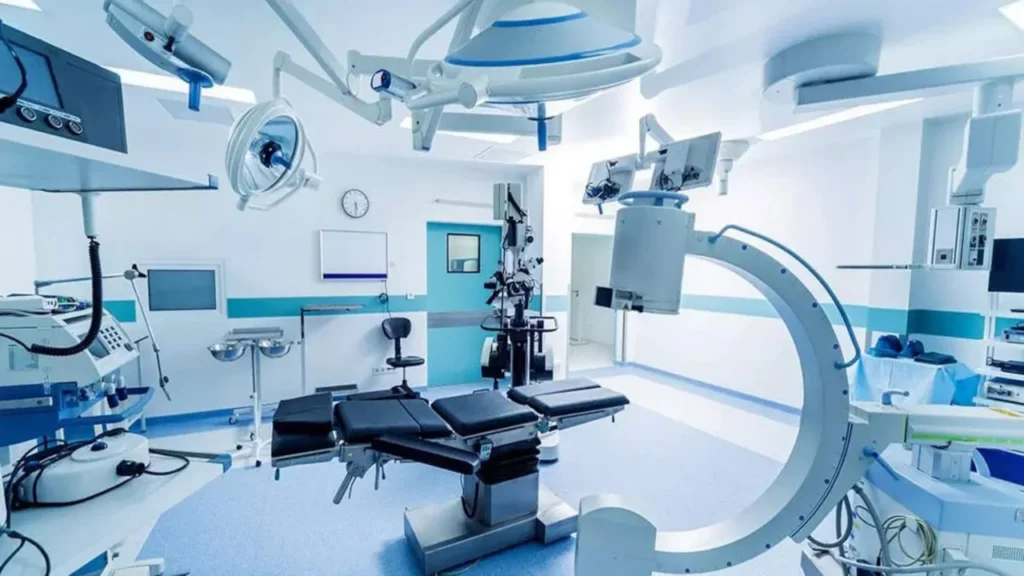
Commerce and Industry Minister Piyush Goyal on Monday urged India’s pharmaceutical and healthcare industry to focus on developing high-quality medical devices that can compete in global markets, assuring that the government is prepared to fund the entire cost of acquiring advanced testing equipment. Addressing two pharma industry events, Goyal called for stronger domestic capabilities and the creation of modern shared testing infrastructure where Indian medical devices can be tested, benchmarked against global standards and certified for international markets. He said the Bureau of Indian Standards (BIS) is willing to support 100 per cent of the cost of the best available testing equipment, and encouraged the industry to come forward with proposals for setting up modern testing laboratories. Goyal also stressed the need for greater technology collaboration, joint ventures and partnerships with global innovators and major pharmaceutical companies. He called for co-designing and co-developing products, licensing technologies where necessary and establishing joint research and development centres with other countries. Highlighting India’s cost advantage, the minister said improvements in design capabilities, patent and copyright frameworks and the broader intellectual property rights ecosystem are essential for positioning the country as a global innovation hub. He further urged insurers and health-tech companies to develop solutions that simplify the patient journey and enable faster reimbursements. The healthcare industry, he said, should also invest in training and certifying caregivers to create a workforce capable of delivering healthcare services that meet international standards. Goyal called for greater transparency in hospital treatment packages and warned healthcare providers against unethical practices. Any instance of patients being misled or cheated, he said, could damage the credibility and goodwill of both individual institutions and India’s healthcare sector. As part of efforts to expand medical value tourism, he proposed greater participation in international exhibitions, global hospital tie-ups and the creation of facilitation networks. He also suggested that overseas patients should be treated only at verified and NABH-accredited hospitals, emphasising that healthcare quality should remain consistent for both Indian and foreign patients. To make India more accessible to international patients, Goyal recommended creating a pool of trained interpreters covering multiple languages. Better communication, he said, would improve patient confidence and make interactions with healthcare providers smoother. Goyal said India’s pharmaceutical and healthcare ecosystem has the potential to strengthen the country’s global standing while generating substantial employment and business opportunities across drugs, medical devices and healthcare consumables. According to the minister, around 3.5 million patients have benefited from India’s medical value tourism ecosystem over the past seven years. He said India should now aim to increase this figure to 10 million international patients annually. Goyal added that India has the doctors, technical expertise and healthcare ecosystem required to achieve this ambition, provided the industry maintains high standards of quality, ethics, integrity and patient care. He also noted that countries engaged with India through free trade agreements and other business negotiations are showing strong demand for Indian pharmaceuticals as well as doctors, nurses, technicians and caregivers. Source: PTI
