ArdorComm Media Group

Wednesday, September 23, 2026 4:23 AM

TRAI

DTH Operators Provision Over Rs 11,000 Crore Against Disputed Licence Fees
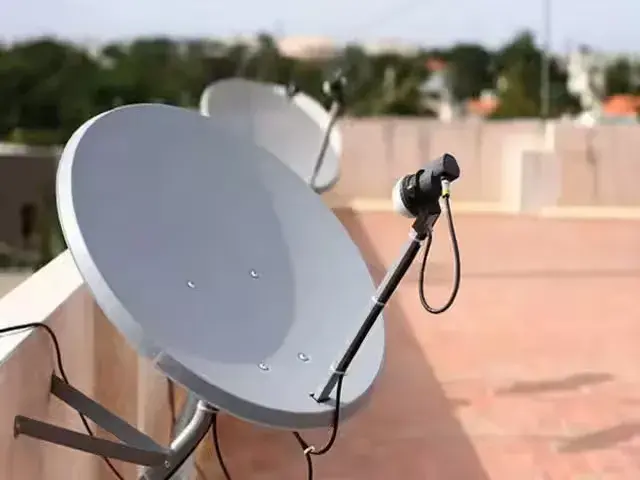
India’s major direct-to-home (DTH) operators have collectively made provisions of more than Rs 11,000 crore against disputed licence-fee liabilities raised by the Ministry of Information and Broadcasting (MIB), highlighting the growing financial pressure on the sector. According to regulatory filings for the financial year ended March 31, 2026, the operators are also awaiting clarity from the government on a possible reduction in the existing 8% licence fee levied on adjusted gross revenue (AGR). The disputed dues are currently subject to legal proceedings.  Tata Play has provided Rs 2,331 crore against an MIB demand of Rs 4,548 crore and has recognised another Rs 3,232 crore as a contingent liability. Bharti Telemedia, which operates Airtel Digital TV, has made provisions of around Rs 4,487 crore. Dish TV has provided approximately Rs 4,866 crore against a demand of Rs 7,203 crore up to FY25. Sun Direct has also faced an additional licence-fee demand of Rs 2,107 crore covering the period from FY2007-08 to FY2023-24.  The licence-fee issue has been a long-running point of contention between the government and DTH companies. In May 2025, the MIB had issued demand notices totalling around Rs 16,000 crore to four private DTH operators over outstanding licence fees.  The dispute comes at a challenging time for the DTH industry, which is dealing with subscriber losses and increasing competition from OTT platforms and DD Free Dish. The sector has consequently been looking beyond traditional satellite television, with operators expanding into areas such as IPTV, broadband and OTT aggregation. The government’s decision on the future structure of the DTH licence fee could therefore have a significant bearing on the financial sustainability and transformation strategy of India’s private DTH industry. Source: Economic Times

DTH Operators Provision Over Rs 11,000 Crore Against Disputed Licence Fees Read More »

TV Broadcasters Likely to Challenge Delhi HC’s Ad Cap Verdict in Supreme Court

Television broadcasters are preparing to approach the Supreme Court after the Delhi High Court upheld the Telecom Regulatory Authority of India’s (TRAI) power to enforce a limit of 12 minutes of advertisements per clock hour on television channels. The May 29 ruling dismissed petitions filed by broadcasters in 2013 that questioned TRAI’s authority to regulate advertising duration. Industry stakeholders believe the decision could have a significant impact on broadcaster revenues while also widening the scope of the regulator’s influence over television networks. According to sources familiar with the discussions, broadcasters across genres are evaluating legal options and are expected to challenge the verdict before the apex court. Industry representatives argue that strict implementation of the advertising cap comes at a difficult time for the television sector, which is already facing declining pay-TV subscriptions and slower advertising growth. Advertising continues to be a critical revenue source for television broadcasters in India. A Ficci-EY report estimates that the linear television industry generated nearly ₹62,000 crore in 2025, with advertising contributing around ₹26,300 crore and subscription revenues accounting for approximately ₹35,400 crore. Industry estimates indicate that advertising contributes between 50% and 70% of revenue for pay-TV broadcasters, depending on the channel category, while free-to-air channels depend entirely on advertising earnings. As per TRAI data, India had 335 pay channels and 576 free-to-air channels as of December. The Indian Broadcasting and Digital Foundation (IBDF) and the News Broadcasters and Digital Association (NBDA) were among the key parties involved in the case before the Delhi High Court. Source: Economic Times

TV Broadcasters Likely to Challenge Delhi HC’s Ad Cap Verdict in Supreme Court Read More »

India’s Television Industry Under Mounting Pressure as Audiences and Advertisers Shift Online

India’s television broadcasting sector is facing increasing challenges as more viewers and advertisers migrate toward digital and streaming platforms, intensifying pressure on traditional TV networks. According to industry reports, the decline in linear television viewership continued through FY26, with even major sporting events failing to significantly revive subscriber numbers. Data from the Broadcast Audience Research Council (BARC) showed that weekly TV reach dropped to 741 million in FY26, compared to 750 million in FY25 and 757 million in FY24.  Broadcasters such as Zee Entertainment Enterprises and Sun TV Network witnessed weaker advertising revenues as companies, especially from the FMCG sector, reduced spending on traditional television and redirected budgets toward digital platforms offering better audience targeting and measurable returns. Reliance Industries-backed JioStar also acknowledged softness in television advertising demand. However, the company remained profitable during FY26, supported by its combined presence in television broadcasting and streaming through JioHotstar.  Industry experts believe the rapid adoption of OTT platforms, connected TVs, and AI-driven digital advertising is reshaping India’s media landscape. Advertisers are increasingly favouring programmatic and performance-based advertising models over traditional TV campaigns.  The pay-TV sector is also witnessing a gradual decline in subscribers. According to the Telecom Regulatory Authority of India (TRAI), active DTH subscribers fell from 52.8 million in September 2025 to 51 million by December 2025, reflecting the continued consumer shift toward online streaming services.  Despite the slowdown, sports broadcasting remains relatively resilient, with broadcasters continuing to attract audiences during major cricket tournaments and premium live events.  Source: Economic Times

India’s Television Industry Under Mounting Pressure as Audiences and Advertisers Shift Online Read More »

Broadcasters Gear Up for Legal Battle Against TRAI’s Ad Cap Notice

TV broadcasters are preparing to challenge the recent show cause notices issued by the Telecom Regulatory Authority of India (TRAI) over alleged violations of the 12-minute-per-hour advertising cap. Broadcasters, along with industry bodies such as the Indian Broadcasting and Digital Foundation and the News Broadcasters and Digital Association, are evaluating legal strategies, with a final decision expected next week. Executives across the sector said the notices caught them off guard, especially as the matter is still pending before the Delhi High Court. They argued that enforcing the cap now could worsen the financial stress on broadcasters, who are already grappling with rising operational costs, weak advertising demand, and audience migration to OTT streaming platforms and DD Free Dish. The notices, issued on November 18, have given broadcasters 15 days to explain why action should not be taken for allegedly exceeding the advertising time limit. Industry leaders say many free-to-air channels currently rely heavily on ad-heavy prime-time slots for revenue, and cutting inventory now would strain them further. They added that despite reduced inventory theoretically pushing up ad rates, the current muted advertiser sentiment makes price hikes unrealistic. Executives also questioned the regulatory imbalance, pointing out that digital video platforms face no similar restrictions on ad volumes. They argued that the TV sector is over-regulated at a time when it is already losing market share. According to TAM AdEx, TV ad volumes fell 10% year-on-year in the first nine months of 2025. The FICCI EY media report showed that TV advertising revenues dropped 6% to ₹29,400 crore in 2024 due to reduced ad volumes and a decline of over 10% in the number of advertisers. Legal experts said TRAI may push for an expedited hearing on the ad cap case, which has been pending for more than a decade. The Delhi High Court had granted interim protection in 2013, barring coercive action against broadcasters. The case is now scheduled for its next hearing on January 27, 2026, with the interim order remaining in force until then. Source: Economic Times

Broadcasters Gear Up for Legal Battle Against TRAI’s Ad Cap Notice Read More »

DD Free Dish Strengthens Lead in TV Distribution, Amid Dispute Over Reach

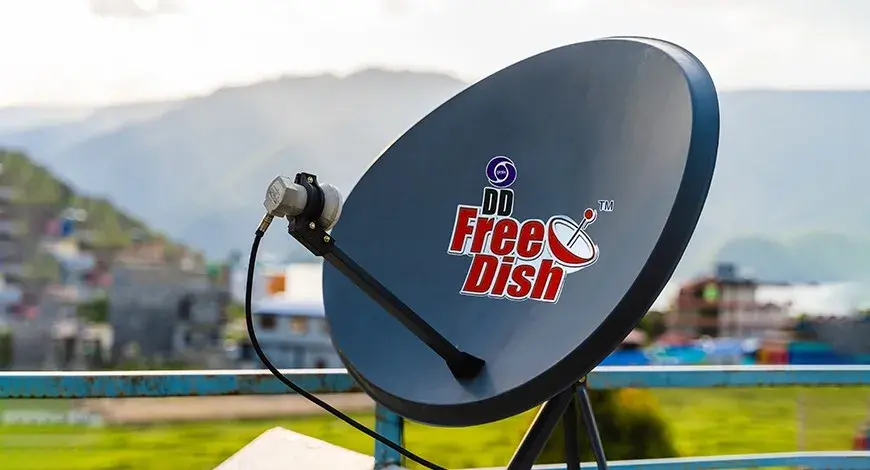
Prasar Bharati’s free direct-to-home (DTH) platform, DD Free Dish, has reinforced its position as India’s largest television distribution service. However, debates continue over the true extent of its reach. Official estimates put its user base at 49 million households in 2024, up from 33 million in 2018. Independent agencies, such as Chrome DM, believe the actual footprint is far bigger, suggesting it has already crossed 60 million homes, surpassing the combined customer base of all private pay DTH operators (around 57 million). The confusion stems from DD Free Dish’s unencrypted signal, which makes tracking households impossible. A plan to introduce encrypted MPEG-4 boxes for measurement never materialized, leaving most viewers with inexpensive MPEG-2 set-top boxes that cannot be monitored. Launched in 2004, DD Free Dish is unique as India’s only subscription-free DTH service. Viewers spend just a one-time amount of up to ₹2,000 for a dish and set-top box, making it the most affordable TV access option in the country. According to a FICCI-EY report, the platform is expected to expand from 49 million homes in 2024 to 57 million homes by 2030, although exact measurement remains elusive. Industry experts say its rapid rise has primarily been at the cost of pay-TV operators, with broadcasters fueling growth by placing free-to-air (FTA) versions of popular Hindi entertainment channels like Star Utsav, Colors Rishtey, Zee Anmol, and Sony Pal on the service. For millions who never had access to premium pay-TV channels, these reruns feel like fresh content. Broadcasters find DD Free Dish lucrative since reruns involve low additional costs, yet give access to the ₹2,000 crore free TV ad market. With carriage fees of ₹15–20 crore per channel, networks have often used the platform strategically, exiting under pay-TV pressure and rejoining later. For instance, Hindi GECs reappeared on the platform in April after a three-year hiatus. Independent channels like Dangal TV thrived in their absence, building businesses worth hundreds of crores. Executives like Kevin Vaz (CEO, Entertainment, JioStar) and Gaurav Banerjee (CEO, Sony Pictures Networks India) argue that free TV plays a vital role in attracting rural and small-town audiences, serving as a bridge to upgrade viewers to pay-TV as incomes grow. Meanwhile, pay DTH players are innovating. Dish TV India has introduced the Zing Super Device, bundling free entertainment channels with pay-TV options for affordability. Yet, competition is growing. With affordable data, YouTube has become the biggest rival, expected to surpass 800 million users in India by 2029. DD Free Dish continues to dominate in the Hindi heartland—Uttar Pradesh, Bihar, Jharkhand, Madhya Pradesh, Rajasthan, and Uttarakhand—but is now expanding into southern states with reserved slots for regional channels. For Prasar Bharati, it has become a major revenue generator, earning nearly ₹800 crore annually through slot auctions, while avoiding expenses like license fees and transponder rentals (as these are provided free by ISRO). Industry bodies argue that being outside TRAI’s pricing framework gives DD Free Dish an unfair advantage. TRAI has recommended encryption and regulatory oversight to ensure parity with private operators. For now, the platform remains India’s most powerful frequency in the TV landscape, balancing its public service role with growing commercial importance. Its future will hinge on whether households see it as a permanent solution or a stepping stone before transitioning to pay-TV or digital streaming. Source: Economic Times  

DD Free Dish Strengthens Lead in TV Distribution, Amid Dispute Over Reach Read More »

DTH Revenues Dip in FY25 While FM Radio Sees Growth: MIB Report

Media news

The Ministry of Information and Broadcasting (MIB) reported a decline in revenue from the Direct-to-Home (DTH) television sector in FY25, signaling a waning user base for pay TV services. In contrast, earnings from the FM radio sector witnessed an uptick, according to the ministry’s latest financial disclosures. In FY25, revenue from private DTH operators stood at ₹648.73 crore, down from ₹692 crore in FY24 and ₹859.96 crore in FY23—a 25% decline over two years. Meanwhile, private FM radio revenues rose to ₹196.28 crore, up from ₹186.80 crore in FY24 and ₹178.99 crore in FY23. Overall, the ministry earned ₹1,012.39 crore in non-tax revenue in FY25 through the Bharatkosh platform on the NTR e-portal, primarily from TV and radio licensing fees. India’s DTH sector, comprising Tata Play, Airtel Digital TV, Dish TV, and Sun Direct, has seen a continuous drop in active pay-TV subscribers—from 70.26 million in 2020 to 56.92 million in 2025, as per TRAI data. This trend is driven by a growing shift toward OTT platforms and the free-to-air DD Free Dish service, which now reaches an estimated 50–60 million households. Adding to the sector’s challenges, the MIB issued demand notices exceeding ₹16,000 crore to private DTH operators for unpaid licence fees. Meanwhile, DD Free Dish, operated by Prasar Bharati, does not pay licence fees and falls outside the private DTH revenue structure. On the other hand, FM radio continues to maintain its relevance, especially in regional and semi-urban markets. Revenue is generated through entry and migration fees, licence fees, tower rentals, and processing charges. The ministry noted FM’s growing popularity among youth and advertisers, with 388 private FM channels operating across 113 cities in 26 states and 5 Union territories as of March 2024. New FM stations have also been launched in border areas such as Leh, Kargil, Bhaderwah, Kathua, and Poonch to bolster outreach efforts. TRAI data shows total advertising revenue for FM radio reached ₹466.63 crore in Q4 FY24, a slight drop from ₹500.11 crore in Q3, but still reflecting the medium’s resilience in a rapidly evolving media environment. Source: Economic Times  

DTH Revenues Dip in FY25 While FM Radio Sees Growth: MIB Report Read More »

TRAI Launches Consultation Paper on 5G Ecosystem’s Role in India’s Digital Transformation

The Telecom Regulatory Authority of India (TRAI) has released a consultation paper titled “Digital Transformation through 5G Ecosystem.” The primary aim of this paper is to address policy challenges and propose an appropriate policy framework to expedite the adoption and effective use of new technologies within the 5G ecosystem, contributing to the comprehensive and sustainable development of India’s economy. The Ministry of Communications has emphasized that India is currently undergoing a rapid digital transformation, significantly impacting its economy and society. Reliable mobile communication technologies play a pivotal role in achieving the objectives set forth by the Digital India program. These technologies are bolstering the economy and empowering citizens by enabling services like the unified payment interface (UPI) and various innovative government-to-business (G2B) and government-to-citizen (G2C) applications. With the emergence of technologies like 5G, Internet of Things (IoT), Artificial Intelligence (AI), Augmented/Virtual Reality (AR/VR), and the Metaverse, India stands on the cusp of unlocking new opportunities for growth and innovation. India initiated its 5G services on October 1, 2022, with telecom service providers actively expanding the 5G network across the entire nation. The government has launched multiple initiatives to develop 5G infrastructure and promote research and development in this domain. TRAI has also issued recommendations to accelerate the deployment of 5G networks and services in the country. Collaborative efforts spanning various sectors have been undertaken to expedite the rollout of 5G. Beyond just infrastructure deployment, it is crucial to develop and deploy new use cases for both consumers and enterprises to realize the full potential of 5G technology. When 5G is combined with AI, extended reality (XR), and IoT, it will enable businesses and society to fully harness the benefits of these technological advancements. However, achieving this vision necessitates effective collaboration across the ecosystem, involving Telecom Service Providers (TSPs), Original Equipment Manufacturers (OEMs), infrastructure providers, and the government. Adequate infrastructure upgrades, fiberization for 5G deployment, and network densification are essential elements to fully reap the benefits of this technology across various industries. The adoption of 5G will depend on factors like dedicated research and development investments to create India-specific use cases, increased enterprise involvement, affordable devices, and consumer adoption. To accomplish these goals, TRAI has proactively released this consultation paper to identify policy challenges and propose a suitable policy framework. The objective is to expedite the adoption and effective utilization of new technologies, ultimately contributing to the holistic and sustainable development of India’s economy through the 5G ecosystem. The consultation paper is available on TRAI’s website, www.trai.gov.in, for input from stakeholders. Interested parties are invited to submit written comments on the issues under consideration by October 30, 2023, and counter-comments, if any, by November 13, 2023. Comments and counter-comments should preferably be submitted electronically via email to advadmn@trai.gov.in, with a copy to vibhatomar@trai.gov.in. For further clarification or information, stakeholders may reach out to Vandana Sethi, Advisor (Admin & IR), at 11-23221509.

TRAI Launches Consultation Paper on 5G Ecosystem’s Role in India’s Digital Transformation Read More »