

ArdorComm Media Group

Saturday, February 7, 2026 9:18 PM

Article/Stories

Union Budget 2026–27: Reactions from Leaders and Experts

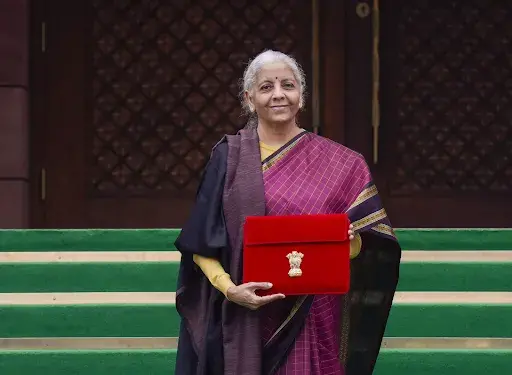
Finance Minister Nirmala Sitharaman on February 1 presented the Union Budget 2026–27 in Parliament, laying out a roadmap to sustain India’s growth amid global uncertainties while advancing long-term structural reforms. The Budget spans key areas including taxation, infrastructure, healthcare, manufacturing and logistics, with capital expenditure raised by nearly 9% to a record ₹12.2 lakh crore, reinforcing the government’s infrastructure-led growth strategy. Major announcements include the rollout of the New Income Tax Act from April 1, 2026, seven high-speed rail corridors, rare earth corridors across four states, and a ₹10,000 crore Biopharma Shakti initiative. Education and skilling feature prominently, with a focus on design education and the creative economy through a new National Institute of Design for eastern India and Content Creator Labs in 15,000 schools and 500 colleges to boost the AVGC sector. Highlighting the Budget’s growth orientation, Prime Minister Narendra Modi said it would help MSMEs transition from local players to global champions. Against this backdrop, leaders and experts across sectors share their first reactions to the Budget’s implications for the economy, businesses and citizens. Key Budget 2026–27 Highlights at a Glance Fiscal consolidation maintained: Fiscal deficit for FY27 pegged at 4.3% of GDP, marginally lower than FY26, signalling continued commitment to macroeconomic stability. Debt reduction roadmap reaffirmed: India’s debt-to-GDP ratio projected to decline to 55.6% in FY27, with a medium-term target of approaching 50% by FY31. Record capital expenditure push: Capital outlay raised to an all-time high of ₹12.2 lakh crore to sustain infrastructure creation and crowd in private investment, supported by an Infrastructure Risk Guarantee Fund. AI, cloud and digital infrastructure boost: Tax holiday till 2047 for global cloud service providers operating data centres in India to position the country as a global AI and data hub. Major MSME and SME support: ₹10,000 crore SME Growth Fund, ₹2,000 crore top-up to the Self-Reliant India Fund, mandatory TReDS payments for CPSEs, and ‘Corporate Mitras’ to ease compliance and liquidity. Market discipline measures: Higher securities transaction tax on derivatives and taxation of share buybacks as capital gains to curb speculative activity. Strategic minerals focus: Dedicated rare earth corridors announced in Odisha, Kerala, Andhra Pradesh and Tamil Nadu to strengthen domestic supply chains. Transport and logistics expansion: Seven new high-speed rail corridors and a new Dankuni–Surat freight corridor to improve connectivity and green mobility. Relief on overseas education and healthcare costs: TCS under the Liberalised Remittance Scheme for education and medical remittances reduced from 5% to 2%, improving liquidity for families. Reactions from Leaders & Experts Kumar Chandan Anand, Founder, CEO & Group Editor, ArdorComm Media Group, says, “Today’s Union Budget is a reform-driven, youth-oriented agenda, reflecting a strong intent towards economic stability and future growth. The emphasis on infrastructure, manufacturing, sunrise industries, artificial intelligence (AI), job creation, biopharma, health tourism, ‘Heal-in-India’, digital expansion, and the Animation, Visual Effects, Gaming, and Comics (AVGC) sector is particularly encouraging. Initiatives like creator labs in schools and colleges will nurture talent and bridge the gap between education and industry needs. If timely and speedy execution matches the Budget’s intent, it could significantly strengthen industry confidence and grassroots development, benefiting the middle class and small businesses. This comprehensive effort will accelerate India’s growth trajectory and help achieve the goal of becoming the world’s third-largest economy.” Dr. S.S. Mantha, Founding Chancellor and President, RBU, Nagpur and Former Chairman, AICTE says “Budget 2026-27 is progressive and futuristic. It is quietly efficient. It gives a fillip to manufacturing. The idea of bridging education to employment is a great idea but will need a lot of ground work and mapping of skills to opportunities. The thrust on AI and Semiconductors design and production is especially interesting. Competing with the world leaders in those sectors can propel the nation into the big league. The education budget seems to have risen by 11% over last year. This could have been much higher accounting for inflation. I would have liked to see a bigger share for promoting research. Startup and Make in India initiatives should have had higher allocations. Thrust on MSME growth is much needed. That the budget addresses this is good. Higher investments in the health sector and defense sectors is noteworthy.” Dr. Manjula Pooja Shroff, Founder & CEO, Kalorex Group says, “The labour codes were suddenly made effective without necessary preparatory and implementation time. Employers are concerned about the risk of non-compliance, dispute, and litigation around various provisions where there is ambiguity. Generally, there is an expectation of more time for industry to comply and a supportive regulatory and enforcement mindset. Setting up Content Labs in High schools and Colleges is a welcome move guided by futuristic needs. The Union Budget demonstrates a clear focus on skilling and transition from education to employability. Setting up of NID, University Townships, extra support for women entrepreneurship show a future ready approach.” Dr. Vidya Yeravdekar, Principal Director, Symbiosis Society, and Pro Chancellor, Symbiosis International University, says, “The Union Budget 2026 reflects a clear intent to align education with India’s future workforce and innovation priorities. The introduction of Content Creator and AVGC labs in schools and colleges is a forward-looking step that integrates creative technologies, digital skills and early industry exposure into mainstream education. The proposal to build girls’ hostels in every district will significantly improve access, safety and retention of girls, particularly in higher education. Reducing TCS on overseas education expenses will ease financial pressure on families and support global academic mobility. The Budget’s strong focus on skilling, teacher upskilling, AI, emerging technologies and women’s participation in STEM, along with plans for university townships near industrial corridors, signals a shift towards outcome-driven, employment-linked education. Overall, the Budget positions education as a strategic enabler of inclusive growth, innovation and long-term national competitiveness.” Dr. Sujit Chatterjee, CEO, Sea View Healthcare Management Services Pvt. Ltd., CEO, Adi Arogyam Super Speciality Hospital, Mumbai says “The Union budget related to healthcare has been nebulous. There are positives such as decrease in some cancer drugs, Biopharma Shakti Mission has a budget of Rs 10,000 crore to

Union Budget 2026–27: Reactions from Leaders and Experts Read More »

Union Budget 2026–27: Leaders Share Their Priorities and Expectations

As Finance Minister Nirmala Sitharaman prepares to present the Union Budget 2026–27 on February 1, expectations are running high across education, industry, healthcare, technology, and women’s empowerment sectors. The Budget comes amid global geopolitical uncertainty, subdued domestic demand, and weak FDI and investment growth, yet India’s economic fundamentals remain robust, offering a foundation for progressive, long-term reforms. Stakeholders are urging a balance between fiscal prudence, infrastructure spending, and strategic investments in human capital, AI and deep technology, healthcare, and women’s empowerment, emphasizing that policy clarity and outcome-oriented measures will be key to sustaining India’s growth trajectory and global competitiveness. Against this backdrop, leaders from education, industry, and healthcare have shared their priorities, highlighting the need for structural reforms, capacity building, and innovation-focused allocations. From strengthening school and higher education outcomes to fostering AI-driven entrepreneurship, preventive healthcare, and women’s economic empowerment, these voices collectively underscore the role of the Budget in shaping India’s future-ready workforce and resilient economy. Kanak Gupta, Group Director, Seth M.R. Jaipuria Schools, says the Union Budget 2026 must mark a decisive reset in school education, particularly beyond India’s metros. He notes that as India prepares for Budget 2026, the conversation must move “beyond allocations and announcements to a harder question: are our schools building capability at the pace India’s future demands?” With over 250 million school-going children—nearly two-thirds in Tier 2, Tier 3 and semi-urban regions—Gupta emphasises that India’s next phase of growth “will not be decided in a few global cities, but in the quality of schooling available across districts and emerging towns.” He urges stronger execution, teacher capability, and outcome-linked funding aligned with NEP 2020 priorities, institutionalised continuous professional development, AI as core infrastructure, early skills integration, school–industry linkages, and systemic inclusion, noting “Inclusion is not welfare—it is an investment in human capital.” According to him, Budget 2026 is an opportunity to treat school education as “India’s most strategic economic investment,” not merely a social obligation. Dr. Madhu Chitkara, Pro Chancellor of Chitkara University (Punjab & Himachal Pradesh) says “The Economic Survey 2025-26 reminds us that India’s education story is no longer about enrolment alone—it is about transformation. We stand at a juncture where access has expanded, but quality and relevance must take center stage. My expectation from the Union Budget 2026–27 is that it should boldly reimagine education as the nation’s most strategic economic investment. This means embedding digital learning across classrooms, empowering teachers with cutting-edge training, and bridging rural-urban divides with equitable infrastructure. More importantly, higher education must be aligned with the skills of tomorrow—artificial intelligence, renewable energy, biotechnology, and advanced manufacturing—so that our youth are not just degree holders but innovators and job creators. If the Budget can turn India’s demographic dividend into a knowledge dividend, it will secure not only inclusive growth but also global leadership. Education must be the engine that powers India’s next decade of prosperity.” Ganesh Natarajan, Chairman, GTT Data Solutions & 5F World, says the Budget comes amid global uncertainty and weak domestic demand. While acknowledging these challenges, he notes that “the fundamentals of the Indian economy remain strong and provides a strong foundation for a progressive budget.” He expects “a careful balancing of infrastructure and fiscal deficit, rationalisation of taxes and investments in foundational AI and Deep Tech where India has been lagging in comparison to the US and China.” Kunwar Shekhar Vijendra, Co-Founder & Chancellor of Shobhit University and Chairman, National Education Council, ASSOCHAM, stresses that “budgets do not transform education—institutions do.” While financial allocations matter, without academic capacity, regulatory trust, and institutional autonomy, they “remain accounting entries.” India’s challenge, he says, is strengthening universities as spaces of knowledge creation, ethical leadership, and national purpose. Education, according to Vijendra, must be treated as long-term nation-building infrastructure—“patiently funded, thoughtfully governed, and purposefully empowered.” Abhishek Ballabh, Co-Founder & CEO, ExtraaEdge, says that as founders building AI products from India for a global market, there is “a clear uncertainty many of us are carrying—not about ambition or talent, but about whether India will be a producer of AI or remain a large consumer of it.” He sees the Budget as “an opportunity to remove that uncertainty,” calling for decisive support for AI infrastructure, including local compute, affordable GPUs, reliable inference capacity, and India-hosted data centers. He also emphasises local models and applied AI, noting that “vertical AI companies solving real problems in education, healthcare, BFSI, manufacturing, and public services need equal support.” Predictable policy and capital frameworks, he adds, will attract long-term foreign investment into Indian AI. Dr. Aloke Mullick, Chief Growth Officer, OMNI Hospitals says “As an ex CEO of national hospital chains, my budget expectations are clear: protect affordable care while supporting capacity expansion. Private equity has poured significant capital into Indian healthcare — estimates show PE/VC flows of roughly $5–6 billion annually in recent years and a cumulative multi-billion-dollar push into hospitals (sector 2023–24 figures vary by source).  To curb a creeping PE takeover of community healthcare, I urge the government to offer a matching public support package — soft loans or a sovereign equity vehicle sized to roughly match recent PE inflows (i.e., several billion dollars spread over 3–5 years). Such instruments should carry patient-care covenants, caps on profit extraction, and lock-in periods to preserve clinical autonomy and affordable pricing. Complementary measures: tax incentives for greenfield capacity in Tier-2/3 cities, faster MSME-style credit for smaller hospitals, and transparent PPP reimbursement timelines. These steps will balance capital needs with national health interests.” Sameer Mehta, Chairman, Dr. Mehta’s Hospitals, Chennai, says the Union Budget 2026–27 should prioritise practical, system-level reforms that lower healthcare costs and improve patient experience. He calls for a sandbox approach in which the government subsidises private and trust hospitals to pilot new technologies that can significantly reduce operating costs, with proven models later scaled across government hospitals. He also emphasises the need to standardise insurance authorisation processes—before, during and after discharge—to ease consumer pain and reduce administrative delays. Additionally, Mehta advocates the creation of a centralised group purchasing portal for drugs,

Union Budget 2026–27: Leaders Share Their Priorities and Expectations Read More »

NASA Astronaut Sunita Williams Retires After 27 Years of Distinguished Service

Veteran NASA astronaut Sunita Williams has officially retired from the US space agency, bringing to a close an extraordinary 27-year career in human spaceflight. Her retirement, which took effect on the 27th of last month, was confirmed by NASA in an announcement issued today. In a statement, NASA highlighted Williams’ exceptional achievements, noting that she flew on three missions to the International Space Station (ISS) and spent a cumulative 608 days in space—the second-highest total for any NASA astronaut. She also carried out nine spacewalks, logging more than 62 hours outside the station, a record for the most spacewalking time by a woman. Among her many firsts, Williams also became the first astronaut to run a marathon while in orbit. Williams, who is of Indian origin, made her space debut in 2006 aboard Space Shuttle Discovery. She later went on to command the ISS during Expedition 33. Her final mission took place during 2024–2025, when she flew aboard Boeing’s Starliner and SpaceX Crew-9, serving as commander of Expedition 72. Beyond her time in orbit, Williams played a key role in several ground-based assignments at NASA. Her contributions included astronaut training, mission operations in Russia, and preparing crews for upcoming lunar exploration missions. A former US Navy captain, she has accumulated more than 4,000 flight hours across helicopters and fixed-wing aircraft. Commending her legacy, NASA described Sunita Williams as a pioneer in space exploration whose leadership, dedication and achievements have inspired generations and significantly advanced scientific discovery and human spaceflight. Source: newsonair

NASA Astronaut Sunita Williams Retires After 27 Years of Distinguished Service Read More »

Wearable Health Tech: How Smart Devices Are Changing Preventive Care

Preventive healthcare is undergoing a quiet but powerful transformation, driven by the rapid rise of wearable health technology. Devices that were once seen as simple fitness accessories have evolved into sophisticated health companions capable of tracking vital signs, detecting early warning signals, and encouraging healthier lifestyles. As healthcare shifts from treating illness to preventing it, wearable technology is playing a central role in empowering individuals and supporting more proactive, data-driven care. The Shift from Fitness Tracking to Health Monitoring Wearable health devices initially gained popularity for tracking steps, calories burned, and workout routines. Over time, advances in sensor technology, data analytics, and connectivity have expanded their capabilities far beyond fitness. Today’s smartwatches, rings, patches, and bands can monitor heart rate, heart rhythm, blood oxygen levels, sleep quality, physical activity, and stress levels throughout the day. This evolution has made wearables relevant not just to fitness enthusiasts but also to individuals managing chronic conditions, older adults focused on healthy ageing, and people seeking to improve overall well-being. Wearables now serve as everyday health monitors rather than occasional wellness tools. Continuous Monitoring and Real-Time Insights One of the most significant advantages of wearable health technology is continuous monitoring. Traditional healthcare relies on periodic checkups that capture health data at a single point in time. Wearables, by contrast, collect information around the clock, offering a more complete picture of how the body responds to daily activities, stress, sleep, and lifestyle choices. By identifying patterns and deviations from normal ranges, wearables can highlight early signs of potential health concerns. Subtle changes in heart rate, sleep quality, or oxygen levels may signal fatigue, infection, or cardiovascular stress before noticeable symptoms appear. This constant flow of information enables timely action and encourages preventive care rather than delayed treatment. Early Detection and Timely Intervention Wearable devices are increasingly capable of detecting early warning signs of health issues. Some smart devices can identify irregular heart rhythms, unusually high or low heart rates, or abnormal sleep patterns. Alerts prompt users to seek medical advice, adjust daily habits, or monitor symptoms more closely. Early detection can be life-saving, particularly for conditions such as heart disease, diabetes, and sleep disorders. When issues are identified at an early stage, interventions are often simpler, less costly, and more effective. Wearables thus act as an early warning system, helping individuals respond before problems escalate. Encouraging Healthier Behaviors Beyond monitoring, wearable health technology plays a powerful role in behavior change. By translating complex health data into simple insights, reminders, and goals, wearables motivate users to take charge of their health. Daily step targets, activity reminders, sleep scores, and stress-management prompts encourage small but consistent lifestyle improvements. This ongoing feedback helps users develop greater awareness of how their habits affect their health. Over time, these insights can lead to sustained changes such as improved physical activity, better sleep routines, healthier eating habits, and more effective stress management. Supporting Chronic Disease Management For individuals living with chronic conditions, wearable technology offers continuous support and reassurance. Devices can help track vital parameters relevant to conditions like diabetes, hypertension, and heart disease. Instead of relying solely on occasional measurements, users gain ongoing visibility into how their bodies respond to medication, diet, and activity. This continuous data can improve self-management and support informed discussions with healthcare providers. It also reduces dependence on frequent hospital visits, making care more convenient and accessible, especially for those with limited mobility or access to healthcare facilities. Integration with Digital Healthcare Wearable health tech is increasingly being integrated with digital healthcare systems. Data collected by devices can be shared with healthcare professionals through mobile apps, teleconsultation platforms, or electronic health records. This connectivity allows doctors to monitor patients remotely, identify risks early, and provide personalized guidance without the need for constant in-person visits. Such integration is particularly valuable in preventive care, where early insights and timely advice can prevent complications. It also supports healthcare systems by reducing the burden on hospitals and clinics while improving patient outcomes. Challenges and Ethical Considerations Despite their benefits, wearable health devices also raise important challenges. Data privacy and security are major concerns, as wearables collect sensitive personal health information. Ensuring that this data is protected and used responsibly is critical to maintaining trust. Accuracy is another consideration. While wearable devices provide valuable insights, they are not a replacement for professional medical diagnosis. Clear communication about their limitations, along with continued improvements in sensor reliability and regulation, is essential. The Future of Preventive Care As technology continues to advance, wearable health devices are expected to become even more intelligent and personalized. Artificial intelligence and advanced analytics will enable more accurate predictions, personalized recommendations, and early detection of complex health conditions. Future wearables may monitor a wider range of biological markers, further strengthening their role in preventive care. Conclusion Wearable health technology is redefining how preventive care is delivered and experienced. By enabling continuous monitoring, early detection, personalized insights, and better engagement with health data, smart devices are shifting healthcare from a reactive model to a proactive one. As wearables become more integrated into daily life and healthcare systems, they hold the potential to improve long-term health outcomes, reduce healthcare costs, and empower individuals to take control of their well-being.  

Wearable Health Tech: How Smart Devices Are Changing Preventive Care Read More »

BCCI Announces ₹51 Crore Reward as India Women Clinch Historic Maiden World Cup Title

In a landmark chapter for Indian cricket, the national women’s team lifted their first-ever ICC Women’s World Cup trophy after a thrilling 52-run win over South Africa in the final at DY Patil Stadium on Sunday night. The triumph sparked jubilation across the nation, as BCCI Secretary Devajit Saikia announced a ₹51 crore cash prize for the players and support staff, calling the victory a “monumental achievement that will redefine the future of women’s cricket in India.” IPL Chairman Arun Dhumal hailed the momentous feat, comparing it to India’s legendary 1983 men’s World Cup victory. “It’s a red-letter day for Indian women’s cricket. What the men accomplished in 1983, our women have mirrored today in Mumbai. This iconic win will inspire generations and elevate women’s cricket to new heights,” Dhumal told IANS. Batting first, India posted an impressive 298/7, anchored by Shafali Verma’s fluent 87, Deepti Sharma’s steady 58, and valuable cameos from Smriti Mandhana (45) and Richa Ghosh (34). The 100-run opening stand between Mandhana and Verma laid a solid foundation before South Africa pulled things back in the closing overs. Chasing 299, South Africa started strong with Tazmin Brits and Laura Wolvaardt adding fifty for the first wicket. However, a brilliant direct hit from Amanjot Kaur triggered a collapse. Rising pacer Sree Charani struck in her opening over, while Shafali Verma made further inroads, removing Sune Luus and Marizanne Kapp in quick succession. The star of the show, Deepti Sharma, capped her all-round brilliance with a sensational five-wicket haul (5/39), dismantling South Africa’s middle order. Despite Wolvaardt’s valiant 101, the Proteas were bowled out for 246 in 45.3 overs, sealing India’s emphatic 52-run victory amid euphoric celebrations. As the Indian players embraced in tears and the tricolour waved proudly in the Mumbai night sky, this triumph marked more than just a championship win — it signaled the beginning of a golden era for Indian women’s cricket. Source: IANS

BCCI Announces ₹51 Crore Reward as India Women Clinch Historic Maiden World Cup Title Read More »

How to Build a Continuous Learning Culture in Your Organization

ardorcomm news

In today’s rapidly changing world, the most valuable asset any organization can cultivate isn’t just technology or capital — it’s the capacity to learn faster and adapt better than the competition. The shelf life of skills is shrinking, industries are being reshaped by innovation, and traditional job roles are continuously evolving. In this landscape, organizations that foster a continuous learning culture don’t just survive — they lead. So how can you move beyond occasional training programs and truly embed learning into the DNA of your organization? Let’s explore the mindset, strategies, and structures that make a continuous learning culture thrive. Redefine Learning: From an Event to a Mindset Most companies treat learning as a one-time event — a workshop, a certification, a webinar. But real learning cultures see it as an ongoing mindset. A true learning culture starts when employees — from interns to CEOs — see learning not as something they have to do, but something they want to do. It means rewarding curiosity, celebrating experimentation, and normalizing the idea that not knowing something today is just an invitation to grow tomorrow. Leaders can set the tone by modeling learning behavior: sharing what they’re reading, attending sessions themselves, and openly discussing their own growth areas. When curiosity flows top-down, it soon spreads sideways. Build the Infrastructure for Learning A culture cannot thrive without structure. Learning must be easy, accessible, and woven into daily workflows. Here’s how successful organizations make learning seamless: Digital Learning Platforms: Offer bite-sized, personalized content employees can access anytime. Think microlearning modules, internal MOOCs, or AI-driven learning journeys. Learning Experience Platforms (LXPs): Go beyond traditional LMS systems to provide tailored recommendations based on individual skills, goals, and performance data. Learning in the Flow of Work: Integrate learning into tools employees already use — Slack, Teams, or project management software — so that upskilling becomes a natural extension of their workday. By creating these learning touchpoints, you shift from training events to a continuous learning ecosystem. Connect Learning with Purpose Learning without purpose feels like homework; learning with purpose feels like growth. Employees are more likely to engage when they understand why learning matters — both for their career progression and the company’s mission. HR leaders and managers should tie learning opportunities directly to: Career pathways and promotions Skill-based projects and stretch assignments Organizational goals or innovation challenges When employees can see the connection between new skills and tangible outcomes, learning becomes meaningful — not mandatory. Empower Peer-to-Peer Learning Some of the most powerful learning doesn’t come from external trainers or e-learning platforms — it comes from peers. Encourage knowledge-sharing communities, mentorship programs, and internal “lunch and learn” sessions where employees teach each other. This not only builds skills but also creates a sense of belonging and cross-functional collaboration. For example, a data analyst could host a short session on Excel automation, while a communications specialist could share tips on persuasive writing. Over time, this peer-driven learning becomes self-sustaining — a hallmark of mature learning cultures. Measure, Recognize, and Reward Learning What gets measured gets valued. Organizations often track KPIs like revenue or customer satisfaction, but rarely measure learning progress. To make learning integral, establish metrics such as: Skill acquisition and certification rates Learning engagement scores Internal mobility linked to upskilling Moreover, reward learning behaviors, not just performance outcomes. Recognize employees who proactively learn new tools, mentor others, or contribute to knowledge bases. A small acknowledgment — a feature in the company newsletter or “learning champion” badge — can go a long way in reinforcing the right habits. Make Failure Part of Learning A continuous learning culture cannot exist without psychological safety. Employees must feel safe to experiment, fail, and learn from mistakes without fear of punishment. Leaders should create environments where failure is seen as data, not defeat. Sharing “lessons learned” stories or holding reflection sessions after projects helps normalize the learning loop. When teams know that innovation and imperfection can coexist, creativity blossoms — and learning accelerates. Align Learning with Organizational Strategy Finally, continuous learning must be tied to business priorities. The most successful organizations treat learning as a strategic lever — aligning it with goals like digital transformation, innovation, and customer experience. This ensures learning isn’t an HR initiative, but a business imperative. When learning drives measurable business outcomes — faster innovation cycles, reduced attrition, improved leadership pipelines — it becomes non-negotiable. Conclusion: Make Learning a Way of Life Building a continuous learning culture isn’t a quick project; it’s a long-term transformation. It requires leadership buy-in, thoughtful systems, and a deep respect for human potential. But once embedded, it transforms the organization into a living, breathing learning organism — adaptive, resilient, and always ready for what’s next. Because in the future of work, the best organizations won’t be the biggest or the fastest. They’ll be the ones that never stop learning.

How to Build a Continuous Learning Culture in Your Organization Read More »

Instant Cheque Clearance from October 4: Redefining Accounting, Business, and Commerce

ardorcomm news

From October 4, 2025;  cheque clearance in India will move to an instant system, eliminating the traditional wait of one to three days for funds to be credited. This banking reform modernizes one of the oldest payment tools and aligns it with the speed of UPI, NEFT, and RTGS. While customers will welcome the convenience, the impact stretches far deeper. It would reshape accounting practices, business liquidity, and commercial trust across the economy. Accounting: A Shift Towards Real-Time Transparency For accountants, delayed cheque clearance has always created additional layers of reconciliation. Items such as “cheques deposited but not cleared” often complicated financial statements. With instant clearance, reconciliation will become more straightforward and accurate. This reform effectively eliminates one of the biggest sources of ambiguity in cash accounting. It means fewer reconciliation delays, fewer suspense accounts, and ultimately cleaner books of accounts, Audit processes will also see improvement. With no lag between deposit and settlement, auditors can verify cash positions instantly, reducing the risk of discrepancies or manipulation. Case Example: A mid-sized export firm in Ahmedabad reported that it often had Rs.2-3 crore stuck in the “uncleared cheques” category during quarterly closings. With instant clearance, this amount will now reflect immediately in its books, enabling faster reporting and improving its creditworthiness with banks. Business: Unlocking Liquidity for Growth Delayed clearance has long been a pain point for SMEs, often forcing them into expensive short-term borrowings to manage working capital gaps. The new system addresses this directly. Supplier payments will settle immediately, fostering stronger relationships and ensuring timely deliveries. Customer cheque receipts will convert to cash in real time, improving receivable management. Credit discipline will tighten, as companies gain a clearer, instant picture of their cash flows. “For SMEs, cheque clearance delays often meant a cash crunch. Now, instant access to funds means they can reinvest immediately into raw materials, wages, or marketing, without relying on overdrafts,” explains Anita Desai, SME Finance Advisor at a leading chamber of commerce. Case Example: A textile manufacturer in Surat previously waited three days for large retailer payments to clear. In the interim, it used costly overdraft facilities to pay workers. With instant clearance, overdraft dependence will shrink, saving lakhs annually in interest costs. Commerce and the Wider Economy: Speeding Up the Money Cycle Even in today’s digital-first environment, cheques remain critical for large-value transactions, government payments, and corporate settlements. Instant clearance brings these transactions into the real-time economy. It would aid the economy in the following manner: Trade cycles will accelerate as funds circulate faster. Banks will invest in stronger fraud detection, making systems safer and more resilient. Legal clarity will improve, as dishonoured cheques are identified instantly, enabling quicker dispute resolution under the Negotiable Instruments Act. “The velocity of money is a key driver of economic growth. By ensuring cheques clear instantly, India has modernized a legacy system that still underpins a significant share of trade and government payments,” notes Dr. Kavita Rao, Professor of Commerce at Delhi University. Conclusion: A Reform Beyond Convenience The transition to instant cheque clearance is more than a technological upgrade, it is a structural reform. Accountants will find reconciliation easier, businesses will unlock liquidity, and commerce will flow with greater trust and efficiency. By bringing an age-old instrument into line with digital infrastructure, India ensures that cheques remain relevant and reliable in a modern economy. Once a symbol of delay, the cheque is now set to represent speed, transparency, and financial discipline. – By CA Dr. Mala Dani, Senior Faculty, GLS University, Ahmedabad   

Instant Cheque Clearance from October 4: Redefining Accounting, Business, and Commerce Read More »

The Changing Face of Health: Why Prevention Matters More Than Cure

Health is no longer just about curing illnesses — it is about building resilience, balance, and longevity. In an age where medical technology is advancing rapidly, one truth stands out: most health challenges of today can be prevented through timely lifestyle choices. From Reactive to Proactive Healthcare Traditionally, healthcare systems have been reactive, stepping in only after illness occurs. But the global rise of non-communicable diseases (NCDs) — such as diabetes, heart disease, respiratory disorders, and cancers — is changing that mindset. According to the World Health Organization (WHO), NCDs account for over 70% of global deaths each year, many of which are linked to modifiable factors like poor diet, sedentary lifestyle, smoking, and stress. Preventive healthcare focuses on early detection, timely intervention, and healthy living habits. Regular health check-ups, vaccinations, screenings, and wellness programs can significantly reduce the burden of disease, not just on individuals but also on healthcare systems. The Mind-Body Connection Health is multidimensional. Beyond physical well-being, mental health is increasingly recognized as a key factor. Stress, depression, and anxiety often manifest in the body as fatigue, poor immunity, or even chronic illness. For example, long-term stress can contribute to hypertension and heart disease. To counter this, practices like yoga, meditation, breathing exercises, and mindfulness are gaining popularity worldwide. Social support systems — family, friends, and community engagement — also play a powerful role in maintaining mental wellness. Nutrition and Lifestyle: The Foundation of Good Health The saying “we are what we eat” has never been truer. Diets rich in whole foods, fresh fruits, vegetables, lean proteins, and healthy fats are proven to reduce the risk of lifestyle-related conditions. On the other hand, excessive consumption of processed foods, sugar, and unhealthy fats is directly linked to obesity and metabolic disorders. Equally important is physical activity. Experts recommend at least 150 minutes of moderate exercise per week, which could be as simple as brisk walking, cycling, or swimming. Combined with quality sleep and adequate hydration, these habits form the foundation of long-term health. Technology: A Game-Changer in Healthcare Digital health tools are reshaping the way people monitor and manage their well-being. Wearable devices can track heart rate, sleep quality, and physical activity, while telemedicine platforms make healthcare accessible from home. Artificial intelligence (AI) is being used to detect early signs of diseases through scans and lab data, helping doctors make faster and more accurate diagnoses. This patient-centric approach empowers individuals to take control of their health, reducing dependency on hospitals for routine care. Community and Policy Initiatives Health is not just personal — it is social. Governments, workplaces, and schools are increasingly adopting wellness programs, from fitness incentives to mental health counseling. Public awareness campaigns on vaccination, hygiene, and balanced diets continue to play a pivotal role in improving community health standards. Policies that encourage pollution control, clean water, urban green spaces, and accessible healthcare facilities further strengthen the foundation of healthier societies. Building a Healthier Future The future of healthcare lies in a holistic model — where physical, mental, social, and environmental health are interconnected. Instead of waiting for illness to strike, people and systems must embrace prevention as the core of well-being. By making conscious choices — nutritious eating, regular exercise, stress management, technology-driven monitoring, and preventive check-ups — individuals can not only add years to life but also life to years. As the adage goes, “Health is wealth.” In the 21st century, that wealth depends on how well we balance innovation, awareness, and proactive living.

The Changing Face of Health: Why Prevention Matters More Than Cure Read More »

71st National Film Awards 2025: Full Winners List and Highlights

The 71st National Film Awards, one of the most revered recognitions in Indian cinema, have been officially announced, honouring the best in filmmaking, performances, and technical brilliance from across the country. Known for their credibility and impartiality, the National Awards stand apart from other honours in the Indian film industry by prioritising artistic and cinematic excellence over commercial success. Administered by the Directorate of Film Festivals and presented by the President of India, these awards celebrate films certified by the Central Board of Film Certification (CBFC) during the previous calendar year (January 1 to December 31). A jury, consisting of noted film personalities, undertakes the task of screening entries and selecting winners across categories and languages. This year’s awards reflect a powerful blend of storytelling, technical achievement, and strong performances, cutting across regional and mainstream cinema. From high-profile Bollywood blockbusters to intimate regional dramas, the winners showcased the diversity and depth of Indian filmmaking. Major Acting Honours Best Actor was jointly awarded to Shah Rukh Khan for Jawan and Vikrant Massey for 12th Fail. This marked a significant milestone in Khan’s career as he bagged his first National Award for acting. Best Actress went to Rani Mukerji for her emotionally charged role in Mrs Chatterjee Vs Norway, which highlighted the struggles of a mother caught in an international legal battle. Supporting Performances Recognised Best Supporting Actor honours were shared between Vijayaraghavan (Pookkalam) and Muthupettai Somu Bhaskar (Parking). Best Supporting Actress was jointly awarded to Urvashi (Ullozhukku) and Janaki Bodiwala (Vash). Top Feature Films by Language Best Feature Film overall: 12th Fail Best Hindi Film: Kathal: A Jackfruit Mystery Best Telugu Film: Bhagavanth Kesari Best Tamil Film: Parking Best Malayalam Film: Ullozhukku Best Kannada Film: Kandeelu: The Ray of Hope Best Marathi Film: Shyamchi Aai Best Bengali Film: Deep Fridge Best Gujarati Film: Vash Best Punjabi Film: Godday Godday Chaa Best Odia Film: Pushkara Best Assamese Film: Rongatapu 1982 These selections showcase the cultural and linguistic diversity of Indian cinema, reaffirming the National Film Awards’ commitment to inclusivity. Technical Excellence and Direction Best Director: Sudipto Sen for The Kerala Story, praised for its bold narrative and technical finesse. Best Choreography: Vaibhavi Merchant for Rocky Aur Rani Kii Prem Kahaani Best Action Direction: Nandu and Prudhvi for Hanu-Man Best Lyrics: Kasarla Shyam for Balagam Best Music Direction: G.V. Prakash Kumar (Songs) for Vaathi Harshavardhan Rameshwar (Background Score) for Animal Performance in Music and Sound Best Male Playback Singer: P.V.N. S. Rohit for Baby Best Female Playback Singer: Shilpa Rao for Jawan Best Sound Design: Sachin Sudhakaran & Hariharan for Animal Other Key Technical Awards Best Cinematography: Prasanthanu Mohapatra for The Kerala Story Best Editing: Midhun Murali for Pookkaalam Best Production Design: Mohandas for 2018 – Everyone is a Hero Best Makeup: Shrikanth Desai for Sam Bahadur Best Costume Design: Sachin, Divya, Nidhhi for Sam Bahadur Special Mention: M.R. Radhakrishnan (Re-recording mixer) for Animal Final Thoughts The 71st National Film Awards not only celebrated artistic and cinematic triumphs but also reflected the evolving landscape of Indian cinema, where regional films continue to shine alongside mainstream blockbusters. The event acknowledged both legendary figures and fresh voices, reinforcing the relevance of storytelling that resonates across audiences and regions. Shah Rukh Khan’s long-awaited National Award win and the sweeping recognition for 12th Fail stood out as emotional and symbolic moments, while the inclusion of underrepresented languages and filmmakers demonstrated the Awards’ commitment to embracing India’s cinematic mosaic.

71st National Film Awards 2025: Full Winners List and Highlights Read More »

Tesla Launches First Showroom in India, Enters World’s Third-Largest Auto Market

Tesla officially entered the Indian automobile market on Tuesday with the opening of its first showroom in the Bandra-Kurla Complex (BKC), an upscale business district in Mumbai. The launch marks the electric vehicle (EV) giant’s much-anticipated foray into the world’s third-largest car market, after years of negotiation and policy roadblocks. The newly opened facility in Mumbai will serve as Tesla’s flagship retail and experience centre, introducing Indian consumers to its global EV portfolio. Initially, the company will import and sell the Model Y, with the rear-wheel-drive long-range variant priced at ₹6.78 million ($79,089). Deliveries are expected to begin in Q3 of 2025. While Tesla vehicles retail for approximately $44,990 in the United States (excluding tax incentives), high import duties and a premium positioning are expected to limit Tesla’s reach in India’s price-sensitive auto market. Despite this, industry observers say Tesla’s entry signifies increasing investor trust and adds momentum to India’s clean mobility goals. “Tesla brings cutting-edge EV technology to India. With deeper local engagement, the company can stimulate the EV ecosystem, support innovation, and align with national sustainability targets,” said Gaurav Vangaal, Associate Director at S&P Global Mobility. Policy Shifts and Delayed Promises Tesla’s arrival follows prolonged delays stemming from India’s steep import duties—previously as high as 100% for fully built imported EVs. In April 2016, Tesla CEO Elon Musk had invited Indian customers to place pre-orders, but no deliveries followed, and the advance payments were eventually refunded. In 2019, Musk expressed concern that India’s tariffs made Tesla cars “unaffordable,” urging for policy reforms. The situation shifted significantly earlier this year after Prime Minister Narendra Modi’s visit to the U.S. in February 2025, prompting the Indian government to launch a revised EV policy. This policy reduced import taxes to 15% for EVs under $35,000, provided manufacturers commit to building local factories within three years. Although Musk initially planned a visit to India in April—widely seen as a precursor to announcing manufacturing plans—the trip was cancelled due to pressing company matters, and Musk instead traveled to China, one of Tesla’s core markets. Since then, Tesla has clarified that it has no immediate plans for domestic production in India. The U.S. government has also weighed in, with President Joe Biden expressing concern that Tesla could potentially use Indian manufacturing to circumvent U.S. tariffs, complicating ongoing bilateral trade negotiations between the two nations. Tesla’s Competition and Market Landscape In India, Tesla is expected to compete with high-end automakers such as BMW and Mercedes-Benz, rather than local budget players like Tata Motors or Mahindra & Mahindra. However, the luxury car segment accounts for just 1% of India’s total car sales, making it a niche but potentially influential market. Currently, EVs form just over 2% of India’s overall car market, but the government aims to increase that share to 30% by 2030 through incentives and infrastructure development. Starlink and Broader India Plans Tesla’s India strategy goes beyond cars. Musk’s other venture, Starlink, which aims to provide satellite-based internet, has seen recent progress in India. The service still requires telecom spectrum allocation from the government—a process expected to take a few months—before commercial operations can begin. In sum, while Tesla’s India debut is a symbolic and strategic milestone, the journey ahead depends on how quickly it can localize operations, navigate regulatory frameworks, and align with India’s evolving EV goals. Source: AP Photo Credit: Reuters

Tesla Launches First Showroom in India, Enters World’s Third-Largest Auto Market Read More »