ArdorComm Media Group

Thursday, April 2, 2026 2:39 AM

Health & Wellness Community

Maharashtra Cuts Health Budget by 6.03%, Raising Concerns Among Experts

Maharashtra’s budget estimates for the health sector have dropped by 6.03% for the upcoming financial year, sparking concerns about the potential impact on healthcare services. The state has allocated ₹27,164.91 crore for 2024-25, down from the revised estimate of ₹28,906.92 crore in the previous year. Despite the reduction, key flagship announcements include: Primary healthcare services promised within a five-km radius of every home. Time-bound distribution of Ayushman Bharat-Pradhan Mantri Jan Arogya Yojana identity cards. Expansion of hospitals under Mahatma Phule Jan Arogya Yojana (MPJAY) as per demand. However, the MPJAY budget remains stagnant at ₹650 crore for both 2024-25 and 2025-26, despite revised estimates reaching ₹1,687 crore in the previous financial year. Key Budget Cuts & Concerns: Public Health Department: Urban health services saw a sharp decline, with hospitals and dispensaries’ budgets reduced from ₹6,098 crore to ₹4,709 crore. National Health Mission (NHM): Budget slashed from ₹3,805 crore to ₹2,860 crore. Medical Education: Allocation fell from ₹9,667 crore to ₹9,057 crore. HBT Clinics: Funding cut from ₹196.79 crore to ₹100 crore. Health economist Dr. Ravi Duggal criticized the budget, stating that it signals a lack of expansion in public healthcare and fails to address critical needs like medicine supply improvements. He warned that urban health infrastructure will suffer due to the funding shortfall, while rural health services see only selective increases. Upcoming Healthcare Developments: Finance Minister Ajit Pawar announced plans for: A 200-bed referral hospital in Thane. A 100-bed referral hospital in Ratnagiri. A 200-bed super-specialty hospital in Raigad. A forthcoming state health and senior citizens policy. As Maharashtra moves forward with these initiatives, experts remain concerned that budget constraints could limit healthcare accessibility and service quality, particularly in urban areas. Source: TOI

Maharashtra Cuts Health Budget by 6.03%, Raising Concerns Among Experts Read More »

Swine Flu Cases Surge in India: Delhi Records Highest H1N1 Cases – Symptoms, Precautions & Treatment

As of December 2024, India has reported a sharp rise in swine flu (H1N1) cases, with 220,414 infections and 347 fatalities nationwide. Delhi has recorded the highest number of cases, with 3,141 infections, followed by Kerala (2,846), Maharashtra (2,027), Gujarat (1,711), Tamil Nadu (1,777), and Rajasthan (1,149). The most prominent subtypes of influenza spreading in India are Influenza A (H1N1) and H3N2, commonly known as swine flu due to its resemblance to a respiratory infection found in pigs. The seasonal transition, particularly at the end of winter, has contributed to a surge in viral infections across several states. Swine Flu Symptoms: Fever Cough Chills Sore throat Body ache Headache Fatigue Troubled breathing (especially in children) Fever with rash Prevention Measures: Cover your nose and mouth while coughing or sneezing Wash hands frequently, especially after coughing, sneezing, or visiting public places Avoid touching your face, eyes, nose, or mouth unnecessarily Stay home if experiencing flu symptoms Avoid sharing personal items if infected Maintain a nutritious, immunity-boosting diet Treatment & Fatalities: Most people receive a flu vaccine in childhood, but in case of infection, immediate medical consultation is advised. Antiviral medications may be prescribed based on severity. Maharashtra has reported the highest number of fatalities (71 deaths), followed by Kerala (61), Gujarat (55), Punjab (48), Chhattisgarh (43), and Haryana (26). As flu cases continue to rise, health authorities urge citizens to take precautions, seek timely treatment, and follow hygiene protocols to curb the spread of the virus. Source: India. com

Swine Flu Cases Surge in India: Delhi Records Highest H1N1 Cases – Symptoms, Precautions & Treatment Read More »

HIV Cases in Mizoram Surge to 32,287 – Understanding the Crisis

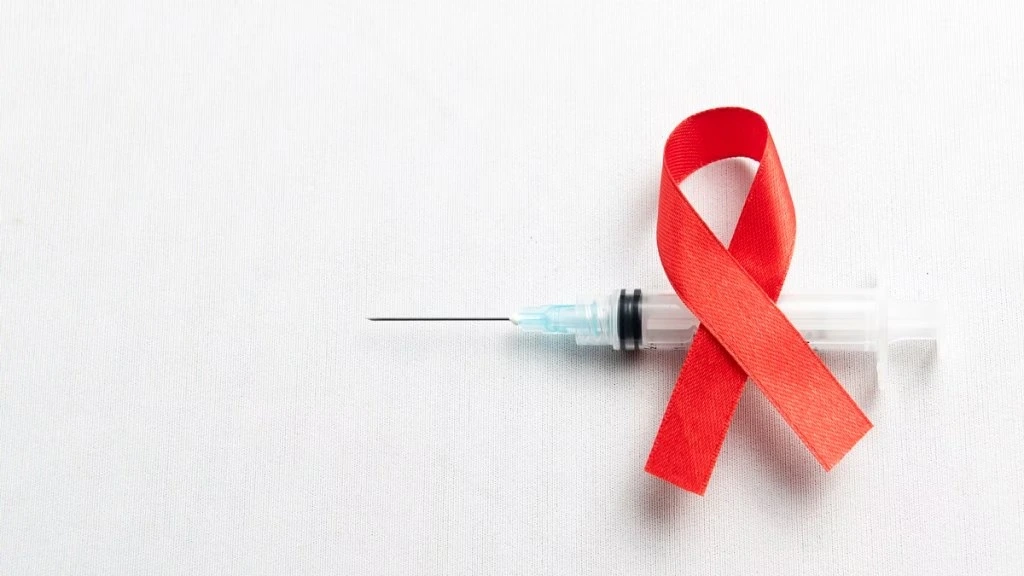
Mizoram is witnessing a concerning surge in HIV cases, with 32,287 individuals testing positive and 5,511 reported deaths as of January 2025. The state now holds the highest HIV prevalence rate in India at 2.73%, far exceeding the national average of 0.2%. State Health Minister Lalrinpuii has urged lawmakers to take immediate action to combat the epidemic. During a meeting of the Mizoram Legislative Forum on AIDS, Mizoram State AIDS Control Society (MSACS) Project Director Dr. Jane R. Ralte provided an update, revealing that 1,769 new cases were detected between April 2024 and January 2025. According to Dr. Ralte, 67% of infections are attributed to unprotected sexual activity, while 30.44% stem from the use of unsterilized syringes. However, a decline in new infections and HIV-related deaths has been observed due to increased testing and adherence to antiretroviral therapy (ART). To support those affected, the state legislators have pledged Rs 50,000 each from their MLA funds for 2024-25, ensuring continuous ART treatment access through MSACS. Additionally, the Health Ministry has introduced HIV self-testing (HIVST) as a discreet, accessible testing method to combat stigma and improve early detection. HIV primarily spreads through unprotected sexual contact, sharing contaminated needles, blood transfusions, and from mother to child during pregnancy or breastfeeding. High-risk groups include individuals with multiple partners, intravenous drug users, sex workers, and healthcare workers exposed to infected blood. With strengthened policies, awareness programs, and self-testing initiatives, Mizoram aims to curb the HIV crisis and ensure better healthcare access for affected individuals. Source: Business Standard

HIV Cases in Mizoram Surge to 32,287 – Understanding the Crisis Read More »

Global Survey Exposes Low Awareness of Shingles Among Older Indians

A global survey conducted by GSK across nine countries has revealed that 56.6% of Indians aged 50 and above are unaware of shingles, despite 90% of them carrying the virus in their bodies. Released during Shingles Awareness Week, the findings underscore a critical gap in awareness about age-related health risks and the need for better public health education. Shingles, caused by the reactivation of the varicella-zoster virus—the same virus responsible for chickenpox—is a painful disease that can lead to severe and long-lasting complications. While the virus remains dormant in most individuals, it can reactivate with age as the immune system weakens. Symptoms often include a painful rash, burning or stabbing pain, and, in some cases, chronic nerve damage known as post-herpetic neuralgia (PHN). Severe cases may also result in vision loss or an increased risk of heart attack and stroke. The survey highlighted that 61% of Indian respondents aged 50 and above reported having chronic conditions such as diabetes, cardiovascular disease, chronic obstructive pulmonary disease (COPD), asthma, or chronic kidney disease. However, only 49.8% expressed significant concern about developing shingles. Globally, awareness levels were even lower, with only 13% of those with chronic illnesses viewing shingles as a major health concern. Commenting on the findings, Shalini Menon, Medical Director at GSK India, stated, “The survey results highlight a concerning gap in awareness, which underscores the importance of educating individuals about age-related health risks. Proactive health management, including regular screenings, healthy lifestyle choices, and discussions with healthcare providers about vaccination, can significantly improve health outcomes for older adults.” Despite the lack of awareness, the survey also revealed a positive perception of ageing among Indian respondents. Over 55.7% reported feeling younger than their actual age, with 24% stating they feel at least a decade younger. However, only 25% of Indian respondents actively take steps to prevent age-related diseases, emphasizing the need for greater education and proactive health measures. Shingles Awareness Week, organized in collaboration with the International Federation on Ageing (IFA), aims to promote informed discussions between older adults and healthcare professionals. The initiative encourages individuals to recognize the risks associated with ageing and take preventive steps to safeguard their health. The global survey, conducted by Ipsos on behalf of GSK, gathered responses from 8,400 adults aged 50–60 across Brazil, China, Germany, India, Ireland, Italy, Japan, Portugal, and the USA. In India, 500 respondents participated in the study, which explored perceptions of ageing, awareness of age-related diseases, and the impact of declining immune function on health. Shingles typically presents as a rash with painful blisters across the chest, abdomen, or face. The pain, often described as aching or shock-like, can persist for weeks or even months. The most common complication, post-herpetic neuralgia (PHN), affects 5–30% of shingles cases and can lead to chronic nerve pain. In rare cases, shingles can cause vision impairment or severe cardiovascular complications. Source: Business Standard

Global Survey Exposes Low Awareness of Shingles Among Older Indians Read More »

UNICEF and WHO Launch Mass Polio Vaccination Campaign in Gaza

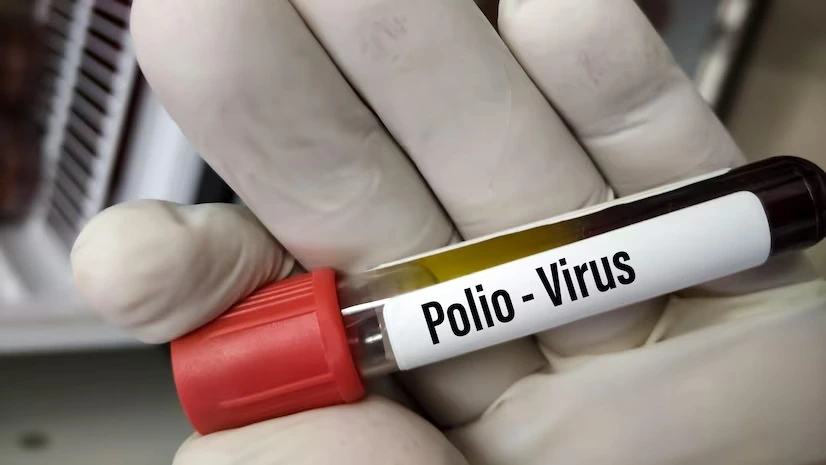
The World Health Organization (WHO) and UNICEF have announced a mass polio vaccination campaign in the Gaza Strip, set to take place from February 22 to 26, 2025. This initiative aims to immunize over 591,000 children under the age of 10 against poliovirus using the novel oral polio vaccine type 2 (nOPV2). The urgent response follows the detection of poliovirus in Gaza’s wastewater, indicating ongoing circulation and increased risk for children. WHO and UNICEF warned that overcrowding in shelters, coupled with damaged water and sanitation infrastructure, has created ideal conditions for the virus to spread. Additionally, increased population movement due to the ongoing ceasefire could further exacerbate transmission. “Pockets of individuals with low or no immunity provide the virus an opportunity to continue spreading and potentially cause disease,” the joint statement read. The upcoming campaign seeks to close immunity gaps and prevent further infections. An additional vaccination round is scheduled for April to ensure comprehensive coverage. The initiative will be spearheaded by the Palestinian Ministry of Health, with support from WHO, UNICEF, the United Nations Relief and Works Agency for Palestine Refugees (UNRWA), and other partners. Efforts will focus on reaching all eligible children, including those previously missed, to halt the outbreak and protect public health. With the combination of medical intervention and coordinated global support, health officials hope to contain the outbreak and safeguard children from the debilitating effects of polio. Source: Business Standard

UNICEF and WHO Launch Mass Polio Vaccination Campaign in Gaza Read More »

Odisha CM Allocates ₹4,479 Crore for Integrated Healthcare Scheme

Bhubaneswar, February 12: Odisha Chief Minister Mohan Charan Majhi has proposed an allocation of ₹4,479 crore for the integrated Ayushman Bharat-PM Jan Arogya Yojana and Gopabandhu Jan Arogya Yojana, aimed at providing affordable and quality healthcare to beneficiaries. The state government has signed an MoU with the Centre to roll out the integrated scheme this year, expanding treatment access to 29,000 empanelled hospitals nationwide, up from the current 900 hospitals, officials said. To address the shortage of medical professionals, the recruitment of over 5,000 doctors is underway, ensuring specialist availability in state-run medical facilities, including remote areas. Key budget allocations include: 🔹 ₹3,881 crore for health infrastructure under the Mukhya Mantri Swasthya Seva Mission (MMSSM) 🔹 ₹420 crore for the Ama Hospital scheme to enhance hospital services 🔹 ₹2,091 crore for free drugs, diagnostics, dialysis, blood services, and ambulances 🔹 ₹211 crore for a comprehensive cancer care plan, emphasizing early detection through advanced screening 🔹 ₹270 crore under the Swasthya Sahaya scheme to tackle diseases, strengthen OPD, public health labs, and research The Ayushman Bharat Digital Mission will receive ₹100 crore to establish a digital health infrastructure, bridging gaps among healthcare providers. A chronic kidney care registry will also be maintained for improved monitoring and treatment. To ensure universal healthcare coverage, all Gram Panchayats will have Ayushman Arogya Mandirs, with ₹500 crore allocated for the initiative. A State One Health Cell will also be set up for emergency coordination. Additionally, ₹997 crore has been allocated under the Nirmal scheme to improve hygiene and ancillary services in public hospitals. Source: TOI

Odisha CM Allocates ₹4,479 Crore for Integrated Healthcare Scheme Read More »

New York Confirms First Case of New Mpox Strain, Fourth in the U.S.

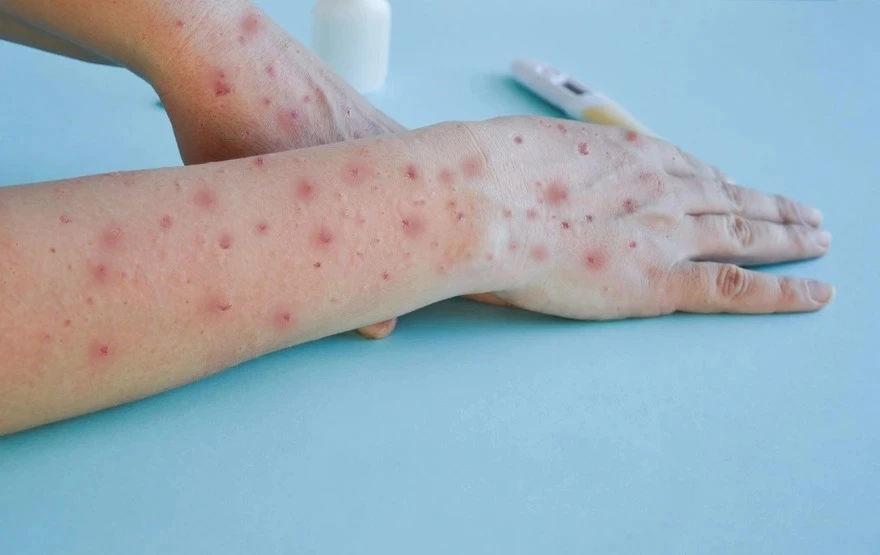
The New York State Department of Health has confirmed a new case of mpox, marking the fourth reported instance of the clade Ib strain in the U.S. This follows previous cases in California, New Hampshire, and Georgia. The confirmation raises global concerns about the virus’s spread and evolving variants. According to the CDC, the newly detected case is not linked to the previous three, underscoring the need for continued surveillance. Mpox, formerly known as monkeypox, is caused by the monkeypox virus, a member of the orthopoxvirus family, which also includes the smallpox virus. The disease primarily spreads through close contact with infected individuals or animals. While its symptoms resemble smallpox, they are typically milder. Common symptoms include fever, headache, muscle aches, fatigue, swollen lymph nodes, and a rash that spreads across the body. Health officials continue to monitor the situation closely, emphasizing preventive measures and public awareness to curb further transmission.

New York Confirms First Case of New Mpox Strain, Fourth in the U.S. Read More »

India Approves Marker Vaccine for Lumpy Skin Disease in Cattle and Buffaloes

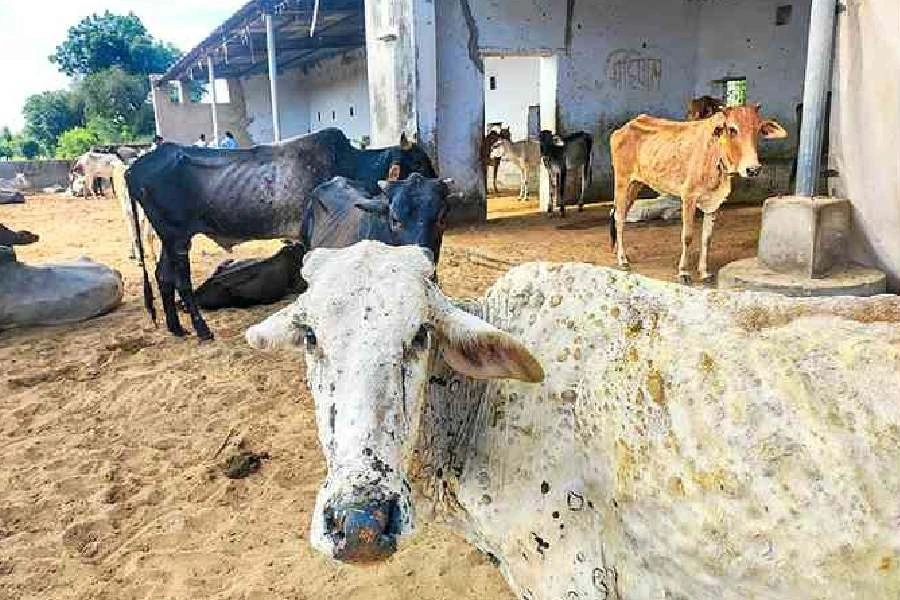
New Delhi, February 11: In a major breakthrough for animal health, India’s drug regulatory authority has approved a vaccine for cattle and buffaloes against lumpy skin disease (LSD), a viral infection that has severely impacted livestock farmers. The newly approved vaccine, Biolumpivaxin, developed by Biovet in collaboration with the Indian Council of Agricultural Research (ICAR), features a unique marker that differentiates infected animals from vaccinated ones. The Central Drugs Standard Control Organisation granted approval for the vaccine, which is expected to play a crucial role in curbing the spread of LSD and minimizing economic losses. The disease, which spreads through insect bites, has led to over 200,000 cattle deaths in India since 2022, causing a significant decline in milk production. “This DIVA marker vaccine could be a game-changer in veterinary medicine for disease surveillance, outbreak control, and eradication efforts,” said Krishna Ella, founder of Biovet. The Differentiating Infected from Vaccinated Animals (DIVA) technology allows rapid identification of unvaccinated animals, enabling targeted immunization efforts. With the risk of fresh LSD outbreaks expected in 2025, particularly post-monsoon, experts highlight the urgent need for widespread vaccination. Scientists warn that natural immunity from the 2022 outbreak has likely waned, making cattle populations vulnerable again. Biovet’s facility in Mallur, Karnataka, has the capacity to produce 500 million doses annually. While the vaccine is ready for commercial rollout, production timelines will depend on government procurement plans. The approval of Biolumpivaxin marks a significant step in disease control efforts, ensuring better livestock health and protecting the dairy industry from future outbreaks. Source: Telegraph

India Approves Marker Vaccine for Lumpy Skin Disease in Cattle and Buffaloes Read More »

IIT Madras Releases ‘Bharat Cancer Genome Atlas’ to Advance Cancer Research

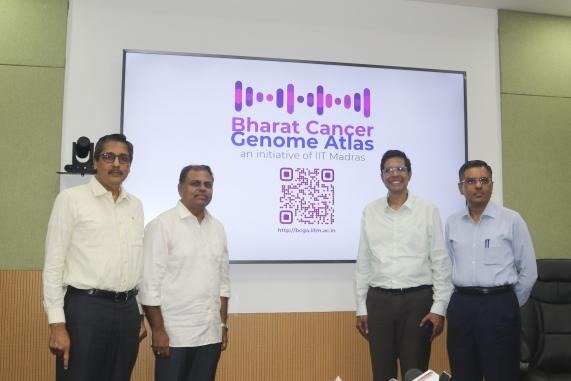
IIT Madras has announced the release of the Bharat Cancer Genome Atlas (BCGA), a comprehensive database aimed at bridging the genomic gap in cancer studies. The initiative focuses on improving early detection, treatment strategies, and drug development for Indian breast cancer patients. The project, undertaken in collaboration with Karkinos Healthcare, Chennai Breast Clinic, and Cancer Research and Relief Trust, has successfully sequenced 960 whole exomes from 480 breast cancer patient tissue samples collected from across the country. The resulting database is now publicly accessible to researchers and clinicians at bcga.iitm.ac.in. Key Highlights of the Initiative Rising Cancer Burden: According to the Indian Council of Medical Research (ICMR), one in nine Indians is likely to develop cancer in their lifetime, with a 12.8 percent annual increase in cases since 2022. Lack of Representation in Global Research: India has historically been underrepresented in global cancer genome studies, making it difficult for diagnostic tools and treatments to be tailored to Indian patients. First-of-its-Kind Indian Breast Cancer Genome Database: The BCGA provides a crucial repository of genetic variants specific to Indian breast cancer cases, addressing a long-standing gap in cancer genomics. Prof. V. Kamakoti, Director of IIT Madras, stated that the initiative aligns with the institution’s commitment to societal impact. “By releasing this data, we hope to provide critical insights into the genetic factors contributing to cancer, enabling early intervention and more effective treatments. This dataset fills a major gap in India’s genomic research and offers new possibilities for precision medicine.” How BCGA Will Contribute to Cancer Research and Treatment Early Detection: Identification of cancer-specific biomarkers to improve early diagnosis. Personalized Medicine: Facilitating treatments tailored to genetic and molecular profiles. Improved Treatment Strategies: Enabling the development of novel drug targets. Collaborative Research: Providing an open-access platform for researchers to contribute and analyze data. The project was led by the Centre of Excellence on Cancer Genomics and Molecular Therapeutics at IIT Madras, under the Government of India’s ‘Institutions of Eminence’ initiative. The research was also supported by the Department of Science and Technology, Ministry of Science and Technology, Government of India. Prof. S. Mahalingam, Project Coordinator, emphasized the significance of BCGA, stating: “This database will be an invaluable resource for identifying high-risk groups, monitoring cancer progression, and advancing precision oncology in India. It will also serve as a foundation for developing better treatment strategies specific to the Indian population.” The BCGA is part of a broader effort under the National Center for Precision Medicine in Cancer, a joint initiative between IIT Madras and Karkinos Healthcare aimed at fostering interdisciplinary research for affordable cancer care solutions. With World Cancer Day being observed on February 4, 2025, the release of the BCGA marks a major milestone in India’s cancer research landscape, reinforcing the country’s commitment to advancing precision medicine and improving patient outcomes. Source: iitm. ac

IIT Madras Releases ‘Bharat Cancer Genome Atlas’ to Advance Cancer Research Read More »

WHO Recommends Potassium-Enriched Salt Substitutes for Better Heart Health

The World Health Organization (WHO) has recommended replacing regular table salt with potassium-enriched, lower-sodium salt substitutes to combat hypertension and cardiovascular diseases. The George Institute for Global Health India has strongly endorsed this initiative, emphasizing its potential to save lives, particularly in countries like India, where high sodium intake and low potassium consumption contribute to widespread health issues. A study conducted by The George Institute for Global Health India, in collaboration with PGIMER Chandigarh, highlights the urgent need for dietary changes in India. It found that salt consumption is significantly above recommended levels, while potassium intake remains insufficient, fueling hypertension, cardiovascular disease, and chronic kidney disease. This research is part of a larger effort to understand how India’s dietary habits are linked to non-communicable diseases (NCDs). Prof. Vivekanand Jha, Executive Director of The George Institute for Global Health India, stated, “To tackle hypertension and heart and kidney disease, especially in rural areas, we must make low-sodium, potassium-enriched salts affordable and accessible. By working with policymakers and the food industry, and educating the public with clear labeling and subsidies, we can save lives and promote a healthier future.” He also emphasized the importance of ensuring the safety and efficacy of salt substitutes, particularly for people with kidney disease. The Salt Substitute in India Study (SSiIS) examined the impact of reduced-sodium, potassium-enriched salt substitutes on blood pressure in rural hypertensive patients. Initial data from the study showed excessive sodium intake, with urinary salt excretion levels at 10.4 g/day—more than double the WHO’s recommended intake. The study found that using salt substitutes was an effective and cost-efficient method to manage hypertension, particularly in high-risk populations. The study, led by Sudhir Raj Thout, Research Fellow at The George Institute for Global Health India, involved 502 hypertensive participants from rural India. Results showed that participants using the reduced-sodium, potassium-enriched salt substitutes for three months experienced notable reductions in both systolic (4.6 mmHg) and diastolic (1.1 mmHg) blood pressure. Additionally, urinary potassium levels and the sodium-to-potassium ratio improved. Participants also found the taste of the substitutes acceptable. Sudhir Raj Thout added, “The WHO’s guidance on lower-sodium salt substitutes is crucial for India, as it offers a simple and affordable solution to lower blood pressure and reduce cardiovascular risks amid the current high levels of sodium intake.” Global and Indian research supports the benefits of potassium-enriched salt substitutes in reducing blood pressure without compromising taste. These substitutes offer a cost-effective and accessible intervention, though individuals with advanced kidney disease should avoid them. The George Institute for Global Health India continues to advocate for potassium-enriched salts, collaborating with policymakers, healthcare providers, and the food industry to promote healthier dietary habits. Source: Express healthcare Photo Credit: Express healthcare

WHO Recommends Potassium-Enriched Salt Substitutes for Better Heart Health Read More »