ArdorComm Media Group

Thursday, April 2, 2026 7:34 AM

Health & Wellness Community

Trump Appoints Indian-Origin Covid Critic Jay Bhattacharya as NIH Director
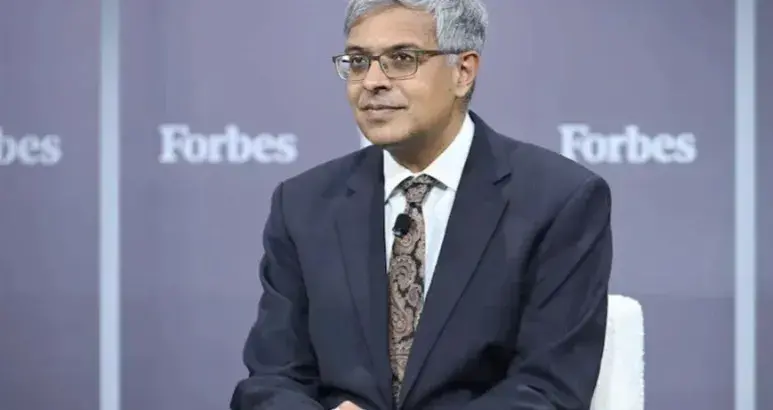
Former U.S. President Donald Trump has nominated Dr. Jay Bhattacharya, an Indian-origin Stanford academic and prominent critic of COVID-19 lockdown policies, as the Director of the National Institutes of Health (NIH). The NIH, a leading public funder of medical research, manages an annual budget of $47.3 billion and plays a critical role in shaping U.S. health policies. Announcing the appointment, Trump stated that Dr. Bhattacharya, in collaboration with Robert F. Kennedy Jr., would lead efforts to restore the NIH’s reputation as the “Gold Standard of Medical Research.” The new leadership aims to tackle America’s pressing health crises, particularly chronic illnesses and diseases. Who is Jay Bhattacharya? Born in Kolkata in 1968, Dr. Bhattacharya is an accomplished scholar with a dual academic foundation: a medical doctorate (1997) and a Ph.D. in economics (2000), both from Stanford University. Currently, he serves as a Professor of Health Policy at Stanford University and directs the Center for Demography and Economics of Health and Aging. Dr. Bhattacharya’s research focuses on the health and economic well-being of vulnerable populations, the impact of government programs, and biomedical innovation. He gained national attention during the COVID-19 pandemic for co-authoring the Great Barrington Declaration in October 2020, advocating for targeted protections for high-risk groups rather than widespread lockdowns. A prolific researcher, Dr. Bhattacharya has authored 135 peer-reviewed articles across various fields, including medicine, health policy, and economics. His appointment signals a shift toward addressing systemic health challenges and reevaluating pandemic response strategies in the United States. Dr. Bhattacharya’s nomination marks a significant move, blending innovative health policies with a critical lens on past approaches, as the NIH positions itself to address evolving medical and research challenges. Source: NDTV Photo Credit: NDTV

Trump Appoints Indian-Origin Covid Critic Jay Bhattacharya as NIH Director Read More »

GST Collection on Health, Life Insurance Services Reaches ₹16,398 Crore in FY24

The Union Government’s Goods and Services Tax (GST) revenue from healthcare and life insurance services reached ₹16,398 crore in FY24, marking a massive 680% increase from ₹2,101 crore in FY20, according to Minister of State for Finance Pankaj Chaudhary’s written reply in the Lok Sabha on Monday. However, collections for FY24 saw a slight dip compared to ₹16,770 crore in FY23. Current GST Rates and Exemptions: GST on health insurance services is levied at 18%. Exemptions are provided for specific schemes like Rashtriya Swasthya Bima Yojana (RSBY), Universal Health Insurance Scheme, Jan Arogya Bima Policy, and Niramaya Health Insurance Scheme, targeting economically weaker sections and differently abled individuals. Demands for GST Rate Reduction: The figures come amidst rising demands from stakeholders, including state governments, to reduce GST rates on health and life insurance premiums. Group of Ministers (GoM) on Health Insurance: Bihar Deputy Chief Minister and Finance Minister Samrat Choudhary has been appointed convenor of a Group of Ministers (GoM) tasked with addressing GST issues related to health insurance. The GoM is set to submit its report to the GST Council at its next meeting in Jaisalmer on December 21, 2024. Chaudhary noted that the GST Council, during its 54th meeting in September 2024, recommended forming the GoM after extensive deliberations on the matter. GST on Education Services: In a related update, GST revenue from non-exempted education services, such as commercial training and coaching, rose by 67% over the past three years. FY24 collection: ₹4,792.40 crore FY22 collection: ₹2,859.49 crore Notably, printed books, Braille books, newspapers, journals, and children’s picture books continue to attract nil GST, reinforcing the government’s commitment to making education more accessible. The GST Council’s upcoming meeting and the GoM’s recommendations will be crucial in determining whether these rates undergo revision to balance fiscal objectives with stakeholder concerns. Source: Business Standard Photo Credit: Business Standard

GST Collection on Health, Life Insurance Services Reaches ₹16,398 Crore in FY24 Read More »

Gurugram Health Department Launches Pollution Awareness Drive

The Gurugram health department has launched an awareness campaign to help residents safeguard against pollution-induced health risks as the city’s Air Quality Index (AQI) improved slightly to a “very poor” reading of 374 on Wednesday, down from Tuesday’s “severe” 402 and Monday’s alarming 469, according to the Central Pollution Control Board (CPCB). Residents are being urged to monitor air quality daily through mobile applications and take precautions, such as using masks, air purifiers, and humidifiers. Officials recommend limiting outdoor activities during peak pollution hours and switching to cleaner cooking fuels, reducing diesel generator usage, and relying more on public transport to minimize emissions. Chief Medical Officer Dr. Virender Yadav emphasized, “Our aim is to empower people with the right knowledge to protect themselves during these critical times.” Manish Rathee, Medical Superintendent of Civil Hospital, Sector 10, highlighted their focus on outreach in underserved areas to ensure awareness reaches vulnerable groups. Doctors are also stressing the importance of early detection of symptoms like coughing, wheezing, and chest discomfort, urging immediate medical attention to prevent severe respiratory or cardiovascular complications. For children and the elderly, who are most vulnerable, parents and caregivers are advised to restrict outdoor activities during high pollution hours, ensure adequate hydration, and maintain clean indoor air. “Simple measures such as drinking more water and avoiding strenuous outdoor activities can make a significant difference,” said Dr. Kajal Kumud from Civil Hospital, Sector 10. The campaign underscores the importance of community action and individual responsibility to mitigate health risks during Gurugram’s ongoing pollution crisis. Source: Hindustan Times Photo Credit: Hindustan Times

Gurugram Health Department Launches Pollution Awareness Drive Read More »

India’s Healthcare Infrastructure Witnesses Post-Pandemic Growth

India’s healthcare infrastructure has experienced remarkable growth since the pandemic, according to a report by Pharmarack. Over the past five years, the number of hospitals has surged from 43,500 in 2019 to 54,000 in 2024, with private hospitals leading the growth at 27%. This rise has contributed to an increase in hospital beds from 1.1 million to 1.3 million during the same period, with projections estimating 1.7 million beds by 2030. Medical education has also expanded significantly. The number of medical colleges has grown from 387 in 2014, offering 51,348 seats, to 706 colleges with 109,145 seats in 2024. Similarly, nursing colleges have increased from 5,700 to 8,692 over the last decade, reflecting a strong push toward building healthcare capacity. Despite these advancements, challenges remain. A staggering 70% of India’s population resides in rural areas, yet only 25% of healthcare facilities cater to these regions. However, the adoption of pandemic-driven innovations like online pharmacies, teleconsultations, and government health initiatives is gradually bridging the gap, said Sheetal Sapale, VP (Commercial) at Pharmarack. The online pharmacy sector has seen explosive growth, expanding nearly four-fold from $512 million in 2018 to $2 billion in 2024. While initially growing at 10-15% annually, the sector peaked at 60% growth during the pandemic before stabilizing at 20%. “Online pharmacies have become especially popular among chronic illness patients for their discounts and convenience,” the report noted. With partnerships for last-mile delivery and options like cash-on-delivery and e-payments, these platforms are reaching semi-urban and rural regions, driving accessibility across the country. Source: financialexpress Photo Credit: financialexpress

India’s Healthcare Infrastructure Witnesses Post-Pandemic Growth Read More »

Health Ministry Calls for Local Action Plans on Climate Change and Health

The Ministry of Health and Family Welfare has urged States and Union Territories to draft district and city-level action plans under the National Programme on Climate Change and Human Health (NPCCHH). The initiative aims to address the growing health challenges posed by climate change and air pollution. In a letter addressed to Chief Secretaries and Advisors of all States and Union Territories, Union Health Secretary Punya Salila Srivastava emphasized the importance of including air pollution mitigation strategies in the action plans. She also called for the expansion of sentinel hospitals to monitor illnesses related to air pollution, ensuring a robust surveillance mechanism. The updated health advisories shared by the Ministry provide guidelines to strengthen existing healthcare systems and advocate for raising awareness among vulnerable populations and high-risk occupational groups. Srivastava highlighted that the combined efforts of local governments and stakeholders could effectively tackle the intertwined crises of air pollution and climate change. The NPCCHH framework encourages community participation, innovation, and capacity building to mitigate the health impacts of environmental challenges. The Ministry’s focus on air pollution reflects its acknowledgment of the urgent need to address respiratory illnesses and other health conditions exacerbated by poor air quality. This directive follows an increasing recognition of the impact of climate change on public health, including rising cases of heat-related illnesses, vector-borne diseases, and respiratory disorders. By empowering local authorities to devise actionable plans, the Ministry aims to create resilient health systems capable of addressing future challenges. With this initiative, the Ministry underscores the role of proactive governance and intersectoral collaboration in safeguarding public health amidst changing environmental conditions. Source: newsonair.gov.in Photo Credit: newsonair.gov.in

Health Ministry Calls for Local Action Plans on Climate Change and Health Read More »

Trump Announces Cabinet Picks: Robert Kennedy Jr. for Health, Doug Collins for Veterans Affairs

US President-elect Donald Trump announced a series of high-profile Cabinet nominations on Thursday, including Robert F. Kennedy Jr. as Secretary of Health and Human Services (HHS) and former Congressman Doug Collins of Georgia as Secretary of Veterans Affairs (VA). Both nominations are subject to Senate confirmation. In his announcement, Trump praised Kennedy, a former Democratic presidential candidate, for his commitment to addressing public health crises caused by industrial food, pharmaceutical companies, and harmful environmental factors. “Kennedy will restore these agencies to gold-standard scientific research and transparency, tackling the chronic disease epidemic to Make America Great and Healthy Again!” Trump stated. Doug Collins, a veteran and current chaplain in the US Air Force Reserve Command, was nominated to lead the VA. Trump highlighted Collins’ military service and dedication to veterans, calling him “a great advocate for our active duty service members, veterans, and their families.” Additionally, Trump announced Jay Clayton as US Attorney for the Southern District of New York, citing Clayton’s extensive experience in law, business, and public service, including his tenure as Chair of the SEC. Todd Blanche, recognized for his prosecutorial excellence, was named Deputy Attorney General, tasked with reforming the Justice Department. Dean John Sauer was chosen as Solicitor General, noted for his legal expertise and role in securing a landmark Supreme Court victory for Trump. Sauer, a Rhodes Scholar and Harvard Law graduate, was described as a “masterful appellate attorney” who will champion the administration’s judicial initiatives. Trump expressed confidence in his team’s ability to address national challenges and support the MAGA vision, emphasizing their qualifications and dedication to public service. These appointments signal the administration’s focus on health reform, justice system overhaul, and veterans’ welfare in Trump’s second term. Source: Business Standard Photo Credit: Business Standard

Trump Announces Cabinet Picks: Robert Kennedy Jr. for Health, Doug Collins for Veterans Affairs Read More »

Altera Digital Health Joins The Sequoia Project to Strengthen National Health Information Interoperability

Altera Digital Health, a leader in healthcare IT, has announced its membership in The Sequoia Project, a non-profit organization dedicated to advancing secure, nationwide health information exchange. By joining, Altera will collaborate closely with government and industry stakeholders to drive interoperability initiatives, while supporting clients using its dbMotion™ Solution, a data platform designed to harmonize patient data across systems for improved outcomes. The Sequoia Project works to overcome interoperability challenges, promoting solutions that enable seamless data sharing and informed decision-making in healthcare. Through this collaboration, Altera aims to support its clients in meeting interoperability standards and facilitating better continuity of care across healthcare organizations. “As a strong advocate of frameworks like FHIR, Altera is fully committed to enabling the secure and efficient exchange of health information,” said Mariann Yeager, CEO of The Sequoia Project. “We welcome Altera’s contributions and look forward to our joint efforts to improve patient care and support providers nationwide.” Altera’s Executive Vice President of dbMotion, Kevin Ritter, emphasized that “true interoperability will revolutionize healthcare by improving quality, reducing costs, and enhancing accessibility. Joining The Sequoia Project reinforces our mission to empower clients with advanced digital frameworks to achieve these goals.” About Altera Digital Health: Altera Digital Health delivers innovative technology solutions designed to advance healthcare delivery. Altera empowers healthcare organizations with digital health solutions that drive better patient outcomes and guide healthcare into a more connected future. Learn more at www.alterahealth.com. About The Sequoia Project: The Sequoia Project is a non-profit collaborative that brings together public and private stakeholders to resolve interoperability barriers and facilitate nationwide health data exchange. As the Recognized Coordinating Entity (RCE) for the ONC’s TEFCA, The Sequoia Project plays a key role in implementing and maintaining secure, interoperable health information exchange across the U.S. Source: Business Wire Photo Credit: Business Wire

Altera Digital Health Joins The Sequoia Project to Strengthen National Health Information Interoperability Read More »

Australia to Ban Social Media for Under-16s to Support Youth Mental Health

Australia has introduced a sweeping measure to protect young people’s mental health by restricting social media access for those under 16, placing the onus on social media platforms—not parents—to prevent underage users. Prime Minister Anthony Albanese announced that companies failing to enforce these new age restrictions will face heavy penalties. “Social platforms must demonstrate reasonable steps to prevent access,” he stated, underscoring that penalties would target companies rather than families. This restriction forms part of a broader government agenda to tackle the influence of social media on mental health, including addressing misinformation. Australia has already taken significant tech regulation steps, such as requiring Google and Facebook to compensate for news content and challenging X Corp in court for its response to online content issues. These measures echo similar initiatives in Europe, where France and the UK are also enforcing social media age restrictions, further aligning with the EU’s GDPR. However, enforcing age restrictions globally remains complex due to varied regulations and technical challenges in age verification. Source: Business Standard Photo Credit: Business Standard  

Australia to Ban Social Media for Under-16s to Support Youth Mental Health Read More »

Afghanistan Sees Surge in Measles Cases in 2024, Plans Nationwide Vaccination Campaign

Afghanistan is witnessing a significant spike in measles cases this year, with the Ministry of Public Health reporting nearly 6,000 positive cases out of 10,000 suspected cases in 2024. Ministry spokesperson Sharafat Zaman Amarkhil confirmed this rise in infections compared to the previous year, as reported by local media TOLO News. In response to the outbreak, the ministry is set to launch a nationwide measles vaccination campaign to curb the spread of this highly infectious disease, which is caused by a virus and spreads through respiratory droplets when infected individuals cough, sneeze, or breathe. With measles’ ability to infect nine out of 10 unvaccinated individuals in close contact, officials are emphasizing vaccination as the most effective measure to prevent outbreaks. The ministry’s efforts underscore the critical need for immunization amid Afghanistan’s public health challenges. Source: dailyexcelsior Photo Credit: dailyexcelsior

Afghanistan Sees Surge in Measles Cases in 2024, Plans Nationwide Vaccination Campaign Read More »

Early Sugar Restriction in Childhood Could Reduce Diabetes Risk by 35%, Study Finds

A new study published in Science suggests that restricting sugar intake during the first 1,000 days of a child’s life—from conception to age two—can significantly lower the risk of chronic diseases later in life. The research indicates a 35% reduction in type 2 diabetes risk and a 20% decrease in hypertension, with disease onset delayed by up to four years. Researchers at the University of Southern California analyzed data on nearly 60,000 individuals affected by sugar rationing in the UK during the post-WWII recovery period. The findings highlight that exposure to lower sugar levels in utero already offers protective benefits against chronic diseases, which increase further with extended low-sugar intake post-birth. Dr. Arun Gupta, convener of Nutrition Advocacy for Public Interest, noted, “Reducing sugar intake during pregnancy and early childhood has a profound, lifelong impact on health.” The analysis, based on UK BioBank data, compares individuals conceived just before or after the end of rationing in 1953. This “natural experiment” underscores the importance of the first 1,000 days in shaping long-term health. Babies exposed to sugar rationing in the womb and then weaned onto low-sugar diets experienced the most notable health benefits. WHO Guidelines on Sugar Intake: Children under two should consume no added sugars. Adults are advised to limit added sugar to 7 teaspoons (28g) daily. Maximum intake should not exceed 12 teaspoons (50g) per day. This study strengthens the case for low-sugar diets during early childhood, emphasizing the lasting impact on chronic disease prevention and lifelong health. Source: Indian Express Photo Credit: Indian Express

Early Sugar Restriction in Childhood Could Reduce Diabetes Risk by 35%, Study Finds Read More »