ArdorComm Media Group

Thursday, April 2, 2026 4:19 PM

Health & Wellness Community

Pune Reports Two Cases of Zika Virus Infection

Pune has reported its first two cases of Zika virus infection this year, involving a doctor and his teenage daughter, both residents of Erandwane. This marks the city’s initial encounter with the virus in 2024, officials confirmed on Monday. The first case involves a 46-year-old doctor associated with two major hospitals in Pune. He exhibited symptoms such as fever and rash and was treated at Mai Mangeshkar Hospital. His blood samples, sent to the National Institute of Virology (NIV) on June 18, confirmed Zika infection on June 20. The second case is the doctor’s 15-year-old daughter, who showed mild symptoms, including fever. Her blood samples, sent to the NIV on June 21, also tested positive for the Zika virus. She is currently receiving outpatient treatment at home. Zika virus is transmitted through the bite of an infected Aedes Aegypti mosquito, which also spreads dengue and chikungunya. Most Zika infections are asymptomatic (up to 80%) or present with mild symptoms such as fever, rash, conjunctivitis, body ache, and joint pain. In pregnant women, Zika can cause microcephaly in the fetus. Following these detections, Pune Municipal Corporation (PMC) health officials and communicable disease experts visited the area. The public health team also inspected Erandwane on Monday. The infected man’s family, including his parents, wife, and daughter, are currently asymptomatic. A senior PMC doctor, speaking anonymously, stated, “Surveillance activities are being conducted in the entire Erandwane area and will continue for the next 14 days. Mosquito breeding was found in a few societies, leading to show-cause notices being issued to six housing societies. Door-to-door surveillance, insecticide spraying, and fogging are underway in the affected area. No suspected cases have been found during the surveillance so far.” Dr. Rajesh Dighe, assistant health officer of the PMC, urged citizens with fever to visit the nearest PMC hospitals for Zika virus testing. He emphasized, “The vector for Zika, dengue, and chikungunya is the same mosquito, Aedes Aegypti. In-house breeding of Aedes mosquitoes is highly possible. Citizens should keep their houses and surroundings clean, and clear stagnant water to prevent an outbreak of vector-borne diseases.”  

Pune Reports Two Cases of Zika Virus Infection Read More »

Finance Says No to Health Request for $10-Million Fund to Meet G20 Pledge

The Global Initiative on Digital Health (GIDH), launched during India’s G20 Presidency, remains unfunded by India despite a $10-million pledge. This initiative, a key deliverable from the Health Ministers’ meeting in Gujarat on August 19 last year, was part of the New Delhi declaration. The GIDH, formally initiated on February 20, 2024, by then Health Minister Mansukh Mandaviya, is still awaiting India’s promised contribution. The delay stems from the Department of Economic Affairs (DEA) under the Ministry of Finance, which has not approved the contribution despite India’s commitment. The GIDH, managed by the World Health Organization (WHO), aims to support national digital health transformations within a framework that respects data protection regulations. A source from the Health Ministry indicated the proposal is “under consideration,” but the DEA had previously rejected the request in July 2023 without specifying reasons. The DEA suggested that India should offer technical support instead of financial contributions to avoid creating “committed liabilities.” Despite this setback, the Permanent Mission of India (PMI) to the UN recommended making a “substantial financial commitment” to the GIDH in November 2023. Highlighting India’s role as a leader in digital health, the Health Ministry, with approval from the Health Minister, reconsidered the contribution. In comparison, Indonesia contributed $50 million to establish the Presidency Prevention, Preparedness Response (PPR) Financial Intermediary Fund (FIF) during its G20 Presidency. As Brazil currently heads the G20 Presidency, the GIDH remains a priority within the health sector.

Finance Says No to Health Request for $10-Million Fund to Meet G20 Pledge Read More »

Maharashtra Govt Allocates ₹9.4 Crore for Healthcare Facilities During Ashadhi Ekadashi Wari

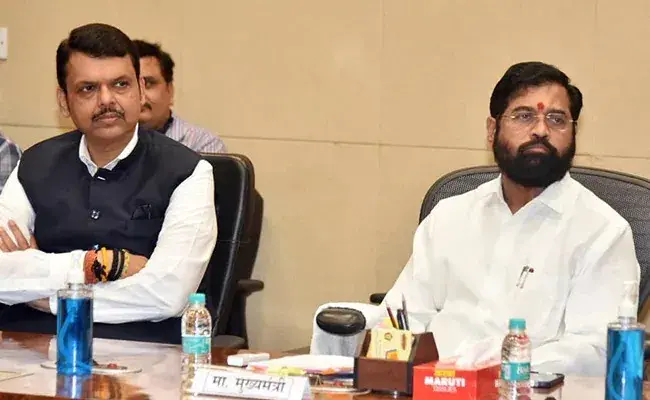
The Maharashtra government has allocated over ₹9.4 crore to provide healthcare facilities for pilgrims during the Ashadhi Ekadashi Wari. Of this, ₹2.40 crore is earmarked for medicines and ₹3 crore for food and snacks for the healthcare staff and pilgrims. The State Public Health Department issued a general resolution regarding this on June 13. Dr. Abhijit More, a health activist, raised concerns about the higher budget for food compared to medicines and medical equipment. He questioned the logic behind such allocation and called for an investigation into the matter. A senior Health Ministry official, speaking anonymously, explained that the costs shown for medicines and food are just allocations. Funds can be redirected as necessary. The official noted that the food budget appears higher due to the large number of doctors and healthcare staff deployed from various parts of the state and beyond. These staff members are provided with meals and water during and after the Wari, considering the increased cost of food due to inflation. The health department will set up four health camps for pilgrims and provide OPD, IPD, and ICU facilities at 258 medical units. Additionally, 707 ambulances will be available for the Palkhi procession. This year, approximately 3,362 healthcare staff, including doctors, 1,500 volunteers, and 500 department staff, will be deployed to ensure the health and safety of the pilgrims.

Maharashtra Govt Allocates ₹9.4 Crore for Healthcare Facilities During Ashadhi Ekadashi Wari Read More »

Health Workers Protest at Azad Maidan for Minimum Wage Increase and Benefits

Nearly 1,000 health workers protested at Azad Maidan on Tuesday, demanding a mandated minimum wage of ₹18,000, up from the current ₹12,000. The protesters also called for maternity laws for health workers, the implementation of minimum wages, the provision of provident fund, pension benefits as per court orders, and fair compensation for overtime work. “We’re here in Azad Maidan, waiting for our fair pay. Even though we’ve been working here for so long, we’re not treated as BMC employees. We just want the same security and benefits,” said Kalpana Kajrekar, a community health volunteer from Tilak Nagar. “Time after time, the BMC keeps assuring us that we will receive our deserved salaries, but they quickly forget that when they ask us to take on additional tasks like polio campaigns and dengue/malaria vaccinations,” said Pooja Karne. “But this time, we won’t budge. We’ll stay here until we get what we deserve.” The ongoing protest is expected to disrupt several health activities in the community, including the ongoing BCG survey. The health workers, who visit an average of 60 houses daily, emphasized their commitment despite the risks. “After we visit someone’s house, we often discover they have dengue, or worse, Covid, but that doesn’t stop us,” said Pooja Kurne from Reay Road Aarogya Health Post.

Health Workers Protest at Azad Maidan for Minimum Wage Increase and Benefits Read More »

WHO and FIND Join Forces to Accelerate Diagnostic Innovation and Access

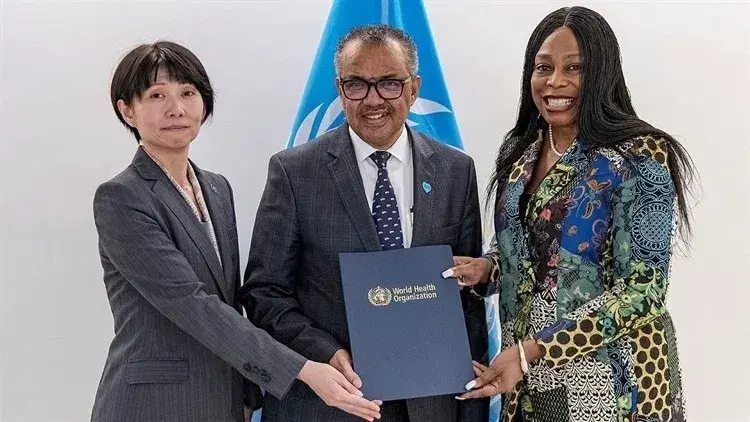
FIND and the World Health Organization (WHO) have signed a new Memorandum of Understanding (MoU) that lays the foundation for accelerating innovation and achieving equitable access to quality diagnostics for people globally. One year on from the historic resolution to strengthen diagnostics, and with FIND as co-lead of the Access to COVID-19 Tools (ACT) Accelerator diagnostics pillar, this new agreement marks a step change in a strengthened partnership between WHO and FIND to speed up both innovation and access to diagnostics, supporting countries to implement the World Health Assembly (WHA) Resolution on diagnostics. “We are proud to be signing this MoU with WHO, as quality and accessible diagnostic testing is the backbone of health systems, primary healthcare and health security,” said Dr. Ayoade Alakija, Board Chair of FIND. “At a time when there have been three cases of H5N1 avian flu spillover events from cows to humans in the last month and an outbreak of mpox in the Democratic Republic of the Congo, the importance of diagnostic testing to identify outbreaks and quash them before they become major epidemics or even pandemics has never been more critical.” This new agreement establishes FIND as the key strategic partner for diagnostics, working with WHO and others to address a number of priority areas including antimicrobial resistance, infectious diseases like HIV, malaria and tuberculosis, and noncommunicable diseases like hypertension, heart disease, cervical cancer and diabetes. Signed on 1 June 2024 at a ceremony attended by Dr. Tedros Adhanom Ghebreyesus, Dr. Yukiko Nakatani (Assistant Director-General), and Dr. Ayoade Alakija (Board Chair of FIND), the MoU will also see the two organizations building new avenues to share knowledge and scale up critical activities to accelerate access to life-saving diagnostics. The signing of this MoU formalizes a long-standing partnership between WHO and FIND and marks a major milestone in the journey towards better health and well-being across the world. By leveraging the strengths and expertise of both WHO and FIND, this partnership promises to drive innovation on diagnostic tests and also improve access to the tests to reduce health inequalities, ultimately leading to a healthier future for people everywhere.  

WHO and FIND Join Forces to Accelerate Diagnostic Innovation and Access Read More »

Union Health Ministry Assesses Preparedness for Heat Wave Conditions with States/UTs

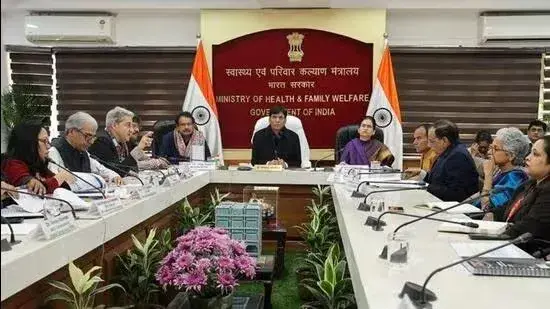
Atul Goel, Director General of Health Services (DGHS), led a virtual meeting with representatives from various States and Union Territories to evaluate the preparedness for heat wave conditions and the implementation of fire and electrical safety measures in healthcare facilities across India. This meeting comes in response to the long-range forecast by the India Meteorological Department (IMD), issued on May 27, 2024, predicting above-normal temperatures for most of India in June 2024. The forecast particularly highlights an increased likelihood of heat wave days in Northwest and Central India, while parts of southern peninsular India may experience normal to below-normal temperatures. Key Highlights from the Meeting Heat Wave Preparedness: The Union Health Ministry emphasized the need for robust heat wave action plans in healthcare facilities. States/UTs were instructed to ensure the availability of essential medical supplies and to implement measures to prevent heat-related illnesses. Fire and Electrical Safety: Discussions included the current status of fire safety measures and electrical systems in hospitals. The need for regular safety drills and compliance with fire safety norms was reiterated.  

Union Health Ministry Assesses Preparedness for Heat Wave Conditions with States/UTs Read More »

Bournemouth Hospital Opens New £24 Million Pathology Hub

A new pathology hub has been inaugurated at Bournemouth Hospital, offering vital services to the local community with its state-of-the-art medical diagnostics technology. The £24 million facility is set to significantly support patient care across the region. The hub will benefit Bournemouth University (BU) students by providing placement opportunities, facilitated through an official partnership between BU and University Hospitals Dorset NHS Foundation Trust (UHD). The facility’s official opening saw the attendance of BU staff and students, with BU’s Chancellor Dr. Kate Adie CBE, DL unveiling the official plaque. UHD supports BU’s health and biomedical science courses, with UHD staff frequently visiting to deliver education to students and collaborate on research. Dr. Anna Mantzouratou, Programme Leader of BU’s Biomedical Sciences degree and Principal Academic in Human Genetics, expressed enthusiasm for the new hub: “The new Pathology Hub is an amazing space. The equipment is brand new, featuring high-tech, high-throughput machines to assist the local area.” She highlighted the importance of the partnership between UHD and BU: “The hospital needs trained scientists, and the university trains scientists. Our students can take part in placements at the hospital and gain vital experience to advance their careers. Many of our graduates have been offered jobs at the hospital, making it a mutually beneficial experience for both students and staff.” BU Biomedical Sciences student Berfin Demirtas, who represented BU students at the official opening, shared her insights: “The new facilities and processes are impressive. We observed various pathology processes, including tissue sampling, haematology, and immunology. It’s a great experience for students to gain work experience or potentially work here after their degrees.” Backed by the Dorset Local Enterprise Partnership (LEP), the hub, which opened in November 2023, is expected to perform over 9 million tests annually.

Bournemouth Hospital Opens New £24 Million Pathology Hub Read More »

Pilgrim Monitoring System for Himalayan Holy Sites Linked to Ayushman Bharat Digital Mission

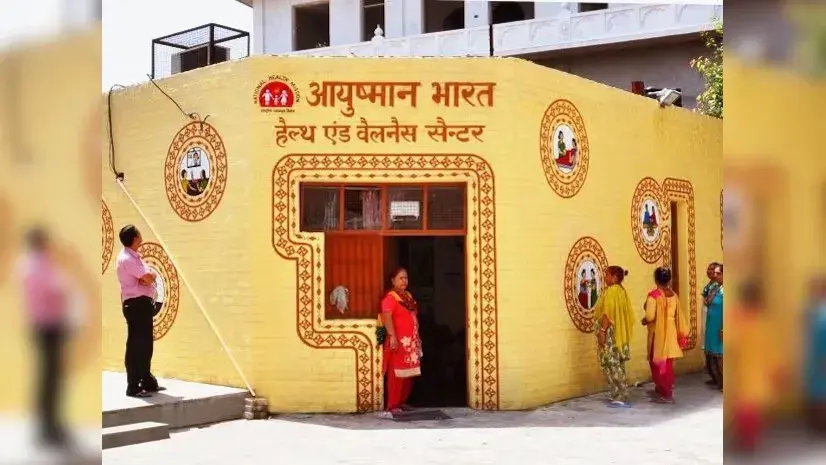
Pilgrims visiting the Himalayan holy sites, including Yamunotri, Gangotri, Kedarnath, and Badrinath (collectively known as the Chardham), will soon benefit from a new technology ecosystem aimed at protecting them from ailments associated with high altitudes and extreme cold. The Centre and the Uttarakhand government are collaborating to integrate this system with the Ayushman Bharat Digital Mission (ABDM). The “pilgrim monitoring system” will create an Ayushman Bharat Health Account (ABHA) ID for each pilgrim. This digital ID will make health records easily accessible to doctors in case of emergencies, allowing for quicker and more effective treatment. This initiative comes in response to the rising number of pilgrims and the associated health risks, including low blood pressure, heart attacks, altitude sickness, and cold-related illnesses. To further enhance safety, the Uttarakhand government will provide pilgrims with wearable IoT devices and GPS trackers. These tools will help identify any morbidities early, allowing for proactive health measures. The system will be supported by LEHS WISH, an NGO focused on improving primary healthcare through innovation. They are developing a centralized, ABDM-enabled platform to ensure accurate and timely digital health records for pilgrims. The Uttarakhand government has also initiated a registration process for the Chardham Yatra, which includes creating an ABHA ID for all pilgrims. This digital health ID will facilitate the authentication, access, and management of health records, as well as hospital and doctor appointments, reducing the need for lengthy registration queues at healthcare facilities. The “E-Swasthya Dham” program, which is already operational with ABHA creation and verification functionalities, is being integrated with health records to further streamline the process. As of last week, over 967,000 pilgrims had embarked on the Char Dham pilgrimage.

Pilgrim Monitoring System for Himalayan Holy Sites Linked to Ayushman Bharat Digital Mission Read More »

India to Showcase Ayushman Bharat Digital Mission at World Health Assembly

India will highlight its universal health coverage through Ayushman Bharat, public health emergency preparedness, and digital health transformations at the World Health Assembly (WHA) in Geneva from May 27 to June 1. Official sources confirmed on Wednesday that India will also present the Arogya Maitri Disaster Management Cube, an indigenous portable hospital equipped with innovative tools designed to enhance disaster response and medical support. The 77th session of the WHA, organized by the World Health Organization (WHO), will feature representatives from 194 countries aiming to structure the global health ecosystem. This year’s theme is “All for Health, Health for All.” The Indian delegation, led by Union Health Secretary Apurva Chandra, will participate in various sessions and discussions. The WHA includes sessions in three main committees: Plenary, Committee A, and Committee B. The plenary session, attended by health ministers and heads of delegations from 194 nations, will open the Health Assembly. India will chair Committee A, which will facilitate discussions on universal health coverage, public health emergency preparedness and response, antimicrobial resistance, climate change, and sustainable financing for WHO. Committee B will focus on internal and external audit, budget, and financing matters concerning the WHO secretariat. In addition to the main sessions, at least 14 side events and multiple strategic roundtables will take place on the sidelines of the WHA, focusing on diverse health topics. These events will provide a platform for participants to share their thoughts on the future of the global health architecture. India’s presence at the WHA also includes leading and supporting the Regional One Voice initiative for the Southeast Asia region. This initiative advocates for well-being and health promotion, addressing social determinants of health, improving maternal, infant, and young child nutrition, and promoting the economics of health for all. India’s contributions to the WHA, including the showcase of the Ayushman Bharat Digital Mission and the Arogya Maitri Disaster Management Cube, emphasize the country’s commitment to enhancing global health and disaster response capabilities. The participation aims to foster international collaboration and share India’s innovative health solutions with the global community.

India to Showcase Ayushman Bharat Digital Mission at World Health Assembly Read More »

Britain’s Health Service Accused of Cover-Up in Infected Blood Scandal

Britain’s National Health Service (NHS) has been accused of a cover-up in a decades-old infected blood scandal, according to a damning public inquiry report submitted to the government on Monday. The scandal, dating back to the 1970s, involved over 30,000 people being infected with life-threatening viruses such as HIV and Hepatitis C while under NHS care. Prime Minister Rishi Sunak is expected to issue an apology on behalf of the government after inquiry chair Sir Brian Langstaff delivered his scathing verdict. The report highlights the importation of infected batches of Factor VIII, a crucial blood-clotting protein, from the US, which led to widespread infection. Donated blood was not tested for HIV/AIDS until 1986 and Hepatitis C until 1991 in the UK. “The scale of what happened is horrifying,” Langstaff stated in his report, which followed a five-year investigation. “More than 3,000 deaths are attributable to infected blood, blood products, and tissue.” He added that the response from the NHS and the government amounted to a cover-up, not through an orchestrated conspiracy but through pervasive and subtle efforts to hide the truth to save face and expense. The extensive 2,527-page, seven-volume document details the scandal’s enormous scale and includes recommendations such as a speedy compensation scheme for those affected and who lost loved ones. It also urges the NHS to ensure that anyone who received a blood transfusion before 1996 is urgently tested for Hepatitis C and that new patients are asked if they had a transfusion before that time. The report criticizes the response under Margaret Thatcher’s Conservative Party government, which claimed that patients received the best treatment available at the time. Langstaff called this assertion inappropriate and unacceptable, noting that it became a mantra that was never questioned. An apology, the report adds, should be sincere and lead to action, including compensation. The Sunak-led government has promised to address the issue of final compensation once the inquiry’s report is published, with the total cost likely to run into billions of pounds.

Britain’s Health Service Accused of Cover-Up in Infected Blood Scandal Read More »