ArdorComm Media Group

Thursday, April 2, 2026 9:38 PM

Health & Wellness Community

German Man Receives 217 Covid Vaccinations, Researchers Investigate Unprecedented Case
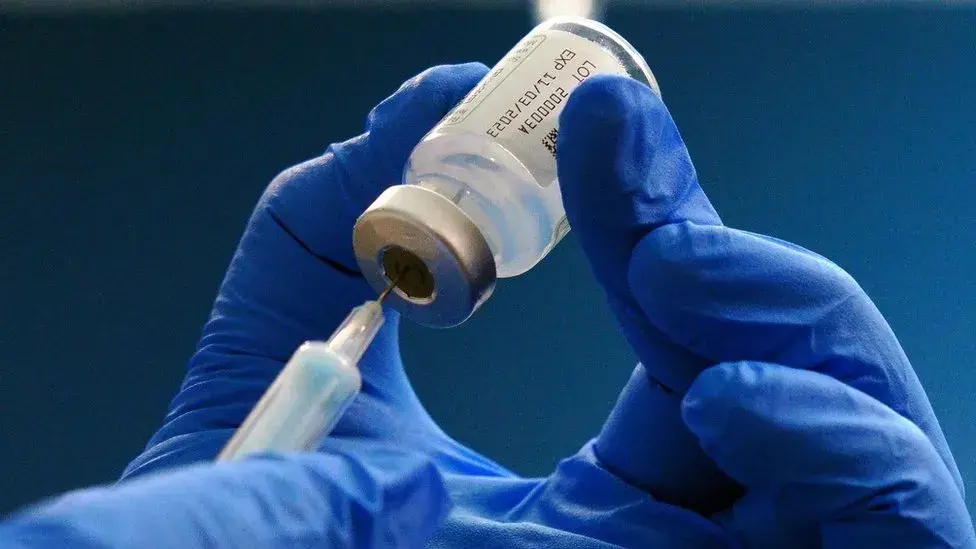
A 62-year-old man from Germany has stunned medical experts by receiving 217 doses of the Covid vaccine, defying medical advice and raising questions about the limits of the human immune system. The extraordinary case, documented in The Lancet Infectious Diseases journal, has garnered widespread attention for its unprecedented nature. The man, whose identity remains undisclosed, privately obtained and administered the shots over a period of 29 months, seemingly without experiencing any adverse effects. Researchers from the University of Erlangen-Nuremberg, led by Dr. Kilian Schober, delved into the case after learning about it through media reports and subsequently conducting tests on the individual. Despite concerns about potential immune system fatigue from the repeated vaccinations, the researchers found no evidence of such effects. The patient cooperated with the investigation, providing fresh blood and saliva samples, allowing scientists to analyze how his immune system responded to the extensive vaccination regimen. While the public prosecutor’s office initiated an investigation into possible fraud related to the case, no criminal charges were ultimately filed. The man’s decision to undergo such a staggering number of vaccinations has raised ethical and medical questions about vaccine administration and the body’s immune response. The research team emphasized that hyper-vaccination is not endorsed as a strategy to enhance immunity, and the case does not warrant broad conclusions or recommendations for the general public. Instead, they reaffirmed the effectiveness of standard vaccination protocols, emphasizing the importance of following established guidelines. The NHS advises that Covid vaccines are typically administered seasonally, with additional doses recommended only for individuals with severely compromised immune systems. While side effects such as a sore arm are common, the case of the German man underscores the need for caution and adherence to medical guidelines in vaccine administration.

German Man Receives 217 Covid Vaccinations, Researchers Investigate Unprecedented Case Read More »


Delhi Allocates ₹8,600 Crore for Health Sector in 2024-25 Budget, Striving for “Ram Rajya”

Delhi’s finance minister, Atishi, unveiled the 2024-25 budget with a focus on healthcare, allocating ₹8,685 crore for the health sector. The budget, with an overall outlay of ₹76,000 crore, reflects the government’s commitment to transforming Delhi’s healthcare system and realizing the vision of “Ram Rajya.” Atishi emphasized the significant progress made in healthcare under the Arvind Kejriwal-led administration over the past nine years, describing the transition from helplessness to strength. She highlighted the dire state of Delhi’s hospitals before 2014, emphasizing the government’s efforts to improve conditions and provide quality healthcare services to all residents. Quoting from Tulsidas’ Ramcharitmanas, Atishi underscored the importance of ensuring the good health of every individual, aligning with the principles of “Ram Rajya.” She lamented the distance between this vision and the current reality but expressed determination to bridge the gap through robust healthcare initiatives. The allocated budget for the health sector marks a strategic investment in improving medical infrastructure, enhancing services, and ensuring accessibility for all citizens. Atishi outlined plans to address various challenges faced by Delhi’s healthcare system, including the provision of adequate funds for essential medical services and facilities. Despite challenges posed by disputes with the lieutenant governor and the Union government, the Delhi government remains committed to advancing healthcare initiatives and overcoming obstacles to deliver quality care to residents. Atishi’s budget presentation reflects a comprehensive approach to healthcare governance, aiming to create a healthier and more resilient Delhi for all its inhabitants.  

Delhi Allocates ₹8,600 Crore for Health Sector in 2024-25 Budget, Striving for “Ram Rajya” Read More »

Patiala Doctors Summoned to Lok Adalat as Health Department Defaults on Internet Bills

Medical officers from the Punjab health department stationed at Aam Aadmi Clinics (AACs) in Patiala have been summoned to the National Lok Adalat after the department failed to clear the clinics’ internet bills. The civil judge, Arun Gupta, issued summons for the medical officers to appear on March 9, 2024, to address the outstanding payment issue. The internet service provider, Bharat Sanchar Nigam Limited (BSNL), initiated legal action by moving the National Lok Adalat to recover the pending payments, citing repeated reminders to no avail. The pending amount, totaling Rs. 1841, has prompted BSNL to resort to legal means to resolve the matter. A senior official from the Patiala BSNL office clarified that approaching the Lok Adalat was standard procedure when customers failed to clear bills despite repeated reminders. However, it was emphasized that this step was taken as a last resort. Expressing dismay over the situation, medical officers pointed fingers at the health department for administrative lapses. Despite significant investments in various health schemes, the inability to settle internet bills has become a cause for embarrassment for the doctors. Many clinics have faced internet disconnections due to unpaid bills, forcing staff to resort to mobile internet hotspots for essential online operations, including patient registration. Dr. Raminder Kaur, the Patiala civil surgeon, acknowledged the issue, noting that only a few clinics in the district had outstanding bills. She assured that directives had been issued to address the pending payments promptly.

Patiala Doctors Summoned to Lok Adalat as Health Department Defaults on Internet Bills Read More »

Tamil Nadu Health Department Issues Advisory Amid Monkey Fever Surge in Karnataka

The Tamil Nadu Public Health Department has raised concerns over the increasing cases of Monkey Fever (Kyasanur Forest Disease) in neighbouring Karnataka districts, prompting the issuance of an advisory to Tamil Nadu forest authorities and local bodies in bordering areas. As Monkey Fever cases surge in Karnataka, with two fatalities and 103 hospitalizations reported in Shivamogga, Uttara Kannada, and Chickmagaluru districts, the threat looms large over Tamil Nadu’s border villages. A joint study by the Indian Council for Medical Research (ICMR) and the National Institute of Virology (NIV) has confirmed the presence of the virus in Mysore and Hassan districts of Karnataka, adjacent to Tamil Nadu. To mitigate the risk, health and forest authorities have intensified surveillance along the Tamil Nadu-Karnataka border, particularly targeting forest personnel, anti-poaching watchers, and guards, who are at higher risk due to their proximity to wildlife habitats. The Mudumalai Tiger Reserve (MTR) in the Nilgiris, Tamil Nadu, shares borders with the Bandipur National Park in Karnataka, where about 200 field staff operate daily, potentially exposing themselves to the virus carried by monkeys, rodents, and shrews. With the approaching dry season and forest fires, which can exacerbate the spread of ticks carrying the virus, the coming months pose heightened risks for field staff. Although vaccination against Monkey Fever was administered to forest personnel in the Nilgiris until 2020, the practice was disrupted by the COVID-19 pandemic. Monkey Fever typically manifests symptoms like chills, fever, headache, severe muscle pain, vomiting, gastrointestinal issues, and bleeding. While there’s no specific treatment, early hospitalization and supportive therapy are crucial for managing the disease.

Tamil Nadu Health Department Issues Advisory Amid Monkey Fever Surge in Karnataka Read More »

WHO Launches Biomanufacturing Workforce Training Initiative for Global Health Resilience

The World Health Organization (WHO) has unveiled the WHO Biomanufacturing Workforce Training Initiative in response to the COVID-19 pandemic’s impact on global supply chains, particularly affecting low- and middle-income countries’ access to essential medical products. This initiative aims to address the shortage of biomanufacturing capacity and qualified workforce in LMICs, which hinders the local production of biological products crucial for addressing global health challenges. Coordinated by the Local Production and Assistance (LPA) Unit of WHO, in collaboration with the WHO Academy and WHO Science Division, the initiative will provide accessible and tailored training programs aligned with international standards. Dr. Jicui Dong, Unit Head of the LPA Unit, will lead the initiative, focusing on three pillars: existing capacity-building activities within WHO, the Global Training Hub for Biomanufacturing (GTH-B), and regional training centers. WHO’s capacity-building programs have a track record of success in providing technical assistance to manufacturers and Member States. These programs include virtual and hands-on training sessions tailored to real-life scenarios, promoting sustainable and quality local production. The GTH-B, established in 2023 with the Republic of Korea, offers training programs on manufacturing best practices and vaccinology to LMICs, including hands-on training in manufacturing facilities. Regional training centers, as recommended by the 2nd World Local Production Forum, will further enhance geographical diversity and resource synchronization. Expressions of interest for regional training centers to join the global network under the Biomanufacturing Workforce Training Initiative will be invited soon. By enhancing bioproduction capabilities in LMICs, the WHO Biomanufacturing Workforce Training Initiative seeks to strengthen global health resilience and address disparities in access to essential medical products. This initiative underscores WHO’s commitment to promoting equitable solutions and building a skilled workforce to combat current and future health challenges.

WHO Launches Biomanufacturing Workforce Training Initiative for Global Health Resilience Read More »

RJ Corp Acquires Rs 379 Crore Worth of Global Health Shares in Open Market Transaction

RJ Corp, led by Ravi Kant Jaipuria, has made a significant acquisition in the healthcare sector by purchasing 1.07% or 2.8 million shares of Delhi-based Global Health. The transaction, conducted through an open market deal, amounted to Rs 379 crore, as per BSE bulk deals data. The shares were acquired at Rs 379 apiece, marking a substantial investment by RJ Corp in Global Health. The selling party, Dunearn Investments Mauritius, divested its holdings, which amounted to a 16.02% stake in Global Health as of December 31, 2023. Jaipuria, known as the promoter of Devyani International, adds another feather to his cap with this strategic investment. Devyani International operates renowned brands such as KFC, Pizza Hut, and Costa, among others. This move signifies RJ Corp’s intent to diversify its portfolio and expand its presence in the healthcare sector. Prior to this acquisition, RJ Corp held a 5.52% stake in Global Health. With the latest transaction, RJ Corp strengthens its position in the company, signaling confidence in the growth prospects of Global Health and its contribution to RJ Corp’s overall business strategy. The acquisition underscores the dynamic nature of the market, with investors seeking strategic opportunities to enhance their portfolios. RJ Corp’s move aligns with its vision of identifying promising ventures and leveraging its expertise to drive growth and value creation. As the healthcare sector continues to evolve and witness rapid transformation, investments such as these are poised to play a pivotal role in shaping the industry landscape. RJ Corp’s strategic acquisition in Global Health reflects its commitment to exploring new avenues for growth and maximizing shareholder value in the competitive market environment.

RJ Corp Acquires Rs 379 Crore Worth of Global Health Shares in Open Market Transaction Read More »

Union Health Minister Mandaviya Unveils Advanced Facilities at AIIMS Bhubaneswar

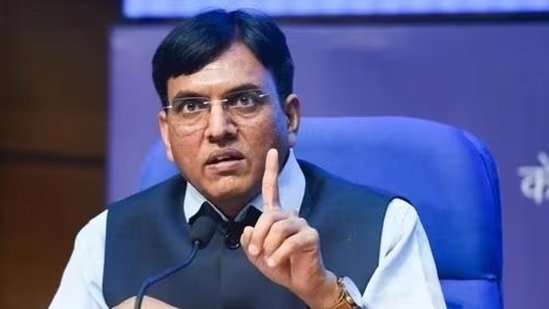
In a significant development for healthcare infrastructure, Union Health Minister Mansukh Mandaviya virtually inaugurated new facilities at AIIMS Bhubaneswar in Odisha. The additions include a Dharmasala, a Trauma Centre, and a High Energy Linear Accelerator (HELA) Machine, aimed at bolstering healthcare services and improving patient care standards. Expressing gratitude, AIIMS Bhubaneswar Executive Director Ashutosh Biswas thanked Minister Mandaviya for his dedication to advancing healthcare. He highlighted the transformative impact of these state-of-the-art facilities on patient care and emphasized their role in shaping a new era in healthcare delivery. The Dharmasala, constructed with CSR funding from NALCO, offers 492 beds across 159 rooms, providing affordable accommodation for patients and their attendants. The Trauma Centre, equipped with 86 beds and 19 intensive care units, serves as a comprehensive care hub, featuring advanced amenities like modular operating theatres and diagnostic services. It also serves as a training ground for medical students, ensuring top-quality education in trauma care. The introduction of the HELA Machine marks a significant milestone in cancer treatment at AIIMS Bhubaneswar. This cutting-edge device utilizes advanced technology to deliver precise radiation therapy, offering comprehensive cancer care with minimal impact on healthy tissues. The presence of key figures, including DEAN P R Mohapatra and Medical Superintendent Dillip Kumar Parida, along with faculties, officials, students, and guests, underscored the importance of the occasion.

Union Health Minister Mandaviya Unveils Advanced Facilities at AIIMS Bhubaneswar Read More »

Indian National Receives 9-Year Sentence for $2.8 Million Medicare Fraud

The Department of Justice announced on Tuesday that Yogesh K Pancholi, a 43-year-old Indian national and resident of Michigan, has been sentenced to nine years in prison for orchestrating a $2.8 million healthcare fraud through his company, Shring Home Care Inc. According to court documents, Pancholi, despite being excluded from billing Medicare, covertly acquired Shring, utilizing the names, signatures, and personal information of others to conceal his ownership. Over a span of two months, Pancholi and his accomplices allegedly submitted false claims to Medicare, resulting in an illicit gain of nearly $2.8 million for services that were never rendered. Federal prosecutors asserted that Pancholi further complicated the scheme by transferring the fraudulently obtained funds through bank accounts associated with shell corporations, eventually channeling them into accounts in India. This elaborate money trail aimed to obfuscate the origins of the ill-gotten gains. In an attempt to evade legal consequences, Pancholi, upon indictment, resorted to deceptive tactics. Using a pseudonym, he allegedly composed false and malicious emails to various federal government agencies, accusing a government witness of criminal activities. This ploy was strategically timed on the eve of the trial, with the apparent intention of dissuading the witness from testifying against him. The legal proceedings surrounding Pancholi’s healthcare fraud case highlight the gravity of fraudulent activities and the intricate efforts employed to conceal such financial misdeeds. As the justice system addresses this case, it serves as a reminder of the consequences individuals face when engaging in healthcare fraud and attempting to manipulate the legal process.

Indian National Receives 9-Year Sentence for $2.8 Million Medicare Fraud Read More »

AIIMS-Patna Successfully Tests Medicines Delivery by Drone, Revolutionizing Healthcare Access

In a groundbreaking move, the All India Institute of Medical Sciences-Patna (AIIMS-P) achieved a significant milestone by successfully flying a drone to deliver medicines to the primary health centre (PHC) in Naubatpur, located 12km away. This initiative, driven by the Union health ministry, aims to streamline and expedite medical supply chains, especially in challenging geographical and environmental conditions. AIIMS-P executive director, Dr G K Pal, revealed that the use of drones for medicine delivery is part of an ambitious plan by the Union health ministry. Following successful trials, a formal inauguration is expected in the coming days. Earlier attempts at drone demonstrations had been limited to the institute campus due to adverse weather conditions, but the recent drone flight to Naubatpur covered the distance in just eight minutes. Dr. Pal highlighted the significance of this achievement, stating, “The geographical and environmental conditions of Bihar often came in the way of fast delivery of health care by road or river ways to people living in hilly areas and diara or during adverse weather conditions like floods. Healthcare drones would prove to be a boon, especially in delivering life-saving medicines like anti-venom for snake bites, vaccines, and other emergency drugs.” The successful demonstration involved covering a distance of 24km, a journey that could take at least 30 minutes by road. The institute has requisitioned four drones for medical services, and the positive outcome of the recent test flight marks a significant step forward. For the drone service to be fully operational, the presence of medically trained individuals accompanied by technical experts is necessary at the receiving end. This innovative approach is poised to revolutionize healthcare access, particularly in areas where traditional modes of transportation face challenges.

AIIMS-Patna Successfully Tests Medicines Delivery by Drone, Revolutionizing Healthcare Access Read More »

Breakthrough Discovery Unveils Potential for Sustainable Energy Revolution

Researchers have unveiled a discovery that could pave the way for a sustainable energy revolution. The breakthrough centers around a novel technology that harnesses the power of ambient vibrations to generate electricity, offering a promising solution to the global quest for cleaner and more efficient energy sources. The innovation, spearheaded by a team of scientists at a leading research institution, revolves around the concept of energy harvesting from ambient vibrations in the environment. By tapping into these ubiquitous vibrations, the researchers have successfully created a prototype device capable of converting them into usable electrical energy. This opens up the possibility of generating power in diverse settings, from urban environments with constant human activity to remote locations with natural vibrations. The implications of this discovery are far-reaching, as it holds the potential to revolutionize the energy landscape. Unlike traditional energy sources that often rely on finite resources and contribute to environmental degradation, this breakthrough offers a renewable and sustainable alternative. The technology’s scalability and adaptability make it a viable option for various applications, ranging from powering small electronic devices to providing energy for entire communities. The researchers anticipate that this innovation could play a pivotal role in addressing the pressing global challenges related to climate change and the need for cleaner energy solutions. The next steps involve further testing and refinement of the technology to optimize its efficiency and practicality. As the world grapples with the urgency of transitioning to sustainable energy, this discovery marks a significant stride towards a more eco-friendly and resilient future. This breakthrough not only signifies a leap forward in scientific achievement but also underscores the potential for unconventional approaches to meet the growing energy demands of our planet. The journey towards a sustainable energy revolution has just taken a promising turn, bringing renewed hope for a greener and more environmentally conscious future.

Breakthrough Discovery Unveils Potential for Sustainable Energy Revolution Read More »