ArdorComm Media Group

Friday, February 20, 2026 2:58 PM

Health & Wellness Community

India Leads Global Preterm Births in 2020, Lancet Study Reveals

In 2020, India witnessed the highest number of preterm births globally, with a staggering 3.02 million cases, constituting over 20 percent of all premature births worldwide, as revealed by a study published in The Lancet journal. This research, conducted by experts from the World Health Organization (WHO), the United Nations Children’s Fund (UNICEF), and the London School of Hygiene and Tropical Medicine, UK, further disclosed that more than half of all premature births in 2020 occurred in just eight countries. Following India, the countries with the highest preterm birth rates were Pakistan, Nigeria, China, Ethiopia, Bangladesh, the Democratic Republic of the Congo, and the United States, according to the researchers. The notable prevalence of preterm births in these regions is partly attributable to their substantial population sizes, high numbers of total births, and underdeveloped healthcare systems that struggle to provide high-quality family planning, antenatal care, and childbirth services to all those in need. Globally, approximately 13.4 million babies were born prematurely in 2020, with nearly one million succumbing to complications associated with preterm birth. This data equates to roughly one in ten babies being born prematurely, before completing 37 weeks of pregnancy worldwide. Given that prematurity ranks as the leading cause of child mortality in their early years, there is an urgent need to bolster both preterm infant care and preventative measures, particularly focusing on maternal health and nutrition to enhance child survival, emphasize the authors of the study. Furthermore, preterm birth significantly increases the likelihood of major illnesses, disabilities, developmental delays, and even chronic diseases like diabetes and heart conditions in adulthood for those who survive. This study derives its estimates from data that is representative of populations and national statistics, enabling internationally comparable assessments for the year 2020. It highlighted that India had the highest incidence of preterm births in 2020, totalling 3.02 million cases, accounting for over a fifth of all preterm births worldwide. While most high preterm birth rates were observed in low and middle-income nations, rates of 10 percent or higher were also evident in high-income countries such as Greece and the United States. Within South Asia, Bangladesh reported the highest preterm birth rate in 2020 at 16.2 percent, followed by Pakistan at 14.4 percent, and India at 13.0 percent. In Latin America, the rates ranged from 5.8 percent in Nicaragua to 12.8 percent in Suriname. As birth registration and facility-based deliveries have increased, data on the prevalence of preterm births has improved. Nevertheless, there are still 92 countries lacking sufficient nationally representative data. Consequently, the authors call for sustained efforts to enhance data availability, quality, and sharing to better target support and action where it is most needed. Dr. Anshu Banerjee, Director of Maternal, Newborn, Child, and Adolescent Health and Ageing at WHO, emphasized the vulnerability of preterm babies to life-threatening health complications and the necessity for dedicated care and attention. He stressed the urgency of substantial investments in services supporting preterm infants and their families, as well as a heightened focus on prevention, particularly ensuring access to quality healthcare before and during pregnancies. The researchers underscored that preterm birth is not exclusive to low and middle-income countries, as the data clearly reveals its impact on families worldwide, including some high-income countries such as Greece (11.6 percent) and the United States (10 percent).

India Leads Global Preterm Births in 2020, Lancet Study Reveals Read More »

High-Risk Medical Device Makers May Get License Extension

Manufacturers of high-risk medical devices, including ventilators, nebulizers, and x-ray equipment, may receive an extension to continue production due to a delay in the issuance of new regulatory licenses, according to a senior government official. The Central Drugs Standard Organisation (CDSCO) missed the October 1 deadline for issuing licenses, leading to the possibility of extensions for manufacturers who have already applied for licenses but have not received them yet. Those who have not yet applied for licenses will not be granted extensions. The October 1 deadline was set to bring ‘class C’ and ‘class D’ medical devices, which are considered ‘moderate’ and ‘high’ risk, under CDSCO regulation. This move was part of the government’s initiative to require certification by the drug regulator for all imported and locally manufactured medical devices before they can be sold in the country, ensuring quality standards are met. Manufacturers have reported that they applied for licenses in July but are still awaiting audits, which will determine whether they receive licenses. Medical devices are categorized based on the level of risk they present.

High-Risk Medical Device Makers May Get License Extension Read More »

Creatine Supplements Show Potential in Easing Long-Covid Symptoms

Creatine supplements have gained popularity in the fitness community for their perceived ability to enhance strength, power, and post-workout recovery. However, recent research has delved into the possibility of these supplements offering relief from certain long-Covid symptoms, particularly fatigue, shedding light on a potentially new application. So, what exactly are creatine supplements? Creatine is a natural compound found in muscle cells that aids in energy production during intense exercise, making it a favored supplement among gym-goers. In a study published in the journal Food Science & Nutrition, a team of researchers conducted a randomized controlled trial involving 12 individuals recently diagnosed with long Covid. This robust study design aimed to assess the effectiveness of creatine supplementation. Participants were divided into two groups, with one receiving a daily creatine supplement and the other a placebo cleverly disguised as inulin, a dietary fiber. Both substances were identical white powders mixed into water, ensuring a double-blind trial where neither participants nor researchers knew who received creatine until the study’s conclusion. The six-month trial allowed ample time for creatine to potentially exert its effects. Multiple measures were assessed, including self-reported fatigue levels, improvements in various long Covid symptoms, endurance during physical activity (an objective measure of fatigue), and creatine levels in muscle and brain tissues. While the creatine group did exhibit higher creatine concentrations in tissues after six months, there were no significant differences in fatigue levels between the two groups. However, creatine showed promise in alleviating other long Covid symptoms, such as improvements in loss of smell and taste, breathing difficulties, body aches, headaches, and concentration issues. It’s important to note that this study represents the first exploration of creatine’s potential in treating long Covid symptoms. Nonetheless, creatine’s known safety profile, minimal side effects, affordability, and ease of use make it an intriguing avenue for further research in the limited treatment landscape for long Covid.

Creatine Supplements Show Potential in Easing Long-Covid Symptoms Read More »

India Offers 42 Cancer Medicines at Affordable Rates Out of 90: Health Minister Mandaviya

India’s Health Minister, Mansukh Mandaviya, announced that out of the 90 available cancer medicines, India offers 42 at the most affordable rates. He made this statement during the launch of “Sanjeevani: United Against Cancer,” a collaborative effort involving the Federal Bank Hormis Memorial Foundation, News18 Network, and Tata Trusts. Mandaviya highlighted the government’s commitment to improving cancer care by expanding cancer hospitals and tertiary care facilities. He stressed the holistic approach to healthcare, noting the increase in medical seats, colleges, and educational resources for healthcare professionals. The minister also mentioned the Ayushman Bharat health infrastructure mission and the recent launch of the pharmaceutical policy, reinforcing India’s role as a global provider of generic medicines. Mandaviya emphasized that healthcare should not be politicized or commercialized but viewed as a service to the nation. He discussed how health and development were integrated in 2014 to make healthcare accessible to all citizens. He credited collective efforts and shared responsibility for India’s successful response to the COVID-19 pandemic. Regarding the “Sanjeevani” initiative, Mandaviya explained its purpose in raising awareness, facilitating discussions about the cancer epidemic, and addressing common fears associated with the disease. He encouraged public participation, emphasizing the importance of stakeholder consultation in India’s healthcare model. The minister also acknowledged the vital role played by the country’s one million “Asha behen” (community health workers), who collect crucial healthcare data during family visits. Mandaviya highlighted the government’s approach to cancer care, including health and wellness screenings at district-level hospitals and fee waivers for economically disadvantaged patients. He attributed the affordability of cancer medicines in India to the fixed trade margin, which aims to make healthcare more accessible and affordable.

India Offers 42 Cancer Medicines at Affordable Rates Out of 90: Health Minister Mandaviya Read More »

NHA and MoHFW to Host ‘Arogya Manthan’ Event in Delhi Celebrating Healthcare Milestones

The National Health Authority (NHA) and the Ministry of Health and Family Welfare (MoHFW) are coming together to host a two-day event called ‘Arogya Manthan’ in Delhi. This event, taking place on September 25th and 26th at Vigyan Bhawan, New Delhi, is designed to commemorate the fifth anniversary of the Ayushman Bharat Pradhan Mantri Jan Arogya Yojana (AB PM-JAY) and the second anniversary of the Ayushman Bharat Digital Mission (ABDM). Arogya Manthan 2023 will feature insightful discussions and deliberations on the challenges, trends, and best practices related to these two healthcare schemes. Union Minister of Health Mansukh Mandaviya will deliver the keynote address at the closing session of Arogya Manthan 2023. Other notable figures such as Prof SP Singh Baghel, Minister of State (Health and FW), Dr VK Paul, Member (Health) of Niti Aayog, Sudhansh Pant, Secretary (Health and FW), and Chief Executive Officer (CEO) of the National Health Authority (NHA) will also participate in the event. Minister of State (Health and FW) will preside over the inaugural session, and Dr Bharati Pravin Pawar, Minister of State (Health and FW), will address the audience virtually during the same session. Arogya Manthan will see active involvement from policymakers representing various States and Union Territories (UTs), national healthcare experts, academia, think tanks, industry professionals, and media representatives. Ayushman Bharat PM-JAY, launched on September 23, 2018, has made a significant impact by providing free hospitalizations worth Rs. 69,000 crore to 5.5 crore beneficiaries, ensuring better health for countless underprivileged families and shielding them from catastrophic healthcare expenses. The ABDM, initiated on September 17, 2021, is a forward-looking government program that aims to establish a digital platform connecting different players in the healthcare ecosystem. In the past two years, more than 45 crore Ayushman Bharat Health Accounts (ABHA) have been created, with over 30 crore health records linked to these accounts. Both flagship healthcare initiatives are committed to offering accessible, available, affordable, and scalable healthcare to work towards achieving Universal Health Coverage (UHC) in India. Arogya Manthan will feature various informative panel discussions and interactive sessions covering different aspects of AB PM-JAY and ABDM. These discussions will include topics such as Universal Health Coverage, Convergence, and Digital Health, along with sessions addressing the implementation of these two significant healthcare schemes.

NHA and MoHFW to Host ‘Arogya Manthan’ Event in Delhi Celebrating Healthcare Milestones Read More »

UP Medical Colleges to Offer Organ Donation Facilities by 2024: Health Minister

Union Health Minister Mansukh Mandaviya announced that by the end of 2024, medical colleges in Uttar Pradesh will be equipped with organ donation facilities. During an organ donation event on the eve of Prime Minister Narendra Modi’s birthday, Mandaviya revealed plans to establish the infrastructure needed for organ retrieval and transplantation in these medical institutions. Additionally, financial support will be provided to enhance these facilities. During the organ donation program, more than 8,000 individuals pledged to donate their organs and officially registered in the National Organ Donation Registry. Mandaviya also inaugurated a specialized wing at Sarojini Naidu Medical College (SNMC), emphasizing the benefits it would bring to residents of Agra and nearby districts by offering accessible healthcare services. Union Minister of State for Health and Family Welfare S P Singh Baghel stressed the importance of organ donation in saving lives and called for increased awareness on the topic. Local residents in Agra demonstrated significant interest in the organ donation program, with some sharing their certificates on social media to raise awareness. On Prime Minister Modi’s birthday, the Health Ministry will launch the ‘Ayushman Bhav’ campaign as part of the ‘Seva Pakhwada,’ which begins on Sunday and concludes on October 2nd. This campaign comprises three components: Ayushman Apke Dwar 3.0, Ayushman Melas at Health and Wellness Centers (HWCs) and Community Health Centers (CHCs), and Ayushman Sabhas in every village and panchayat. Its aim is to ensure the effective delivery of healthcare schemes to all intended beneficiaries, including those in remote areas.

UP Medical Colleges to Offer Organ Donation Facilities by 2024: Health Minister Read More »

Indian Cabinet Approves Rs 9,589 Crore FDI in Suven Pharmaceuticals by Cyprus-Based Firm

The Cabinet has given its nod for a foreign investment of approximately Rs 9,589 crore in Suven Pharmaceuticals by Berhyanda Ltd, a company based in Cyprus. This approval pertains to the acquisition of up to 76.1% of Suven Pharmaceuticals’ shares by Berhyanda through the transfer of shares from existing promoter shareholders and public shareholders via a mandatory open offer. The total foreign investment could potentially rise to 90.1% in Suven Pharmaceuticals. Various regulatory bodies, including SEBI, RBI, and CCI, have assessed the proposal, and it has now received Cabinet Committee on Economic Affairs (CCEA) approval. The decision is contingent upon compliance with all relevant rules and regulations. Over the past five years (from 2018-19 to 2022-23), the pharmaceutical sector has attracted a total of Rs 43,713 crore in foreign direct investment (FDI). Notably, the sector experienced a significant 58% growth in FDI in the previous fiscal year.

Indian Cabinet Approves Rs 9,589 Crore FDI in Suven Pharmaceuticals by Cyprus-Based Firm Read More »

Indian Scientists Pioneer Innovative Nanoparticles for Detecting and Destroying Cancer Cells

Indian scientists from the Indian Institute of Science (IISc) have achieved a major breakthrough in cancer research with a novel approach for both detecting and eliminating cancer cells. Their innovation involves the creation of hybrid nanoparticles made from a combination of gold and copper sulphide. These nanoparticles have the unique ability to eradicate cancer cells by generating heat when exposed to light and also facilitate their identification through sound waves. These hybrid nanoparticles possess three key properties: photothermal capabilities, oxidative stress induction, and photoacoustic characteristics. When these particles come into contact with light, they absorb it and produce heat, effectively destroying cancer cells. Furthermore, they generate harmful singlet oxygen atoms that contribute to the cancer cell’s demise. In addition to their therapeutic potential, these nanoparticles also have diagnostic applications. They can absorb light and produce ultrasound waves, making it possible to detect cancer cells with high precision. This diagnostic capability could enhance the accuracy of cancer diagnosis because sound waves scatter less than light when passing through tissues, providing clearer images and more precise measurements of oxygen levels in tumors. One notable aspect of this innovation is its ability to overcome a limitation of previously developed nanoparticles: their size. Through a unique reduction technique, the IISc researchers managed to deposit tiny gold seeds onto the surface of copper sulphide, resulting in hybrid nanoparticles measuring less than 8 nm. These minuscule particles have the potential to navigate through tissues effectively, reach tumors, and exit the human body naturally without accumulating. These nanoparticles have undergone testing in laboratory settings using lung and cervical cancer cell lines. The next phase for the IISc team is to translate these promising results into clinical development, marking a significant advancement in the battle against cancer.

Indian Scientists Pioneer Innovative Nanoparticles for Detecting and Destroying Cancer Cells Read More »

Novel HPV Methylation Test Boosts Cervical Cancer Detection

Researchers at the Montefiore Einstein Cancer Centre (MECC), designated by the National Cancer Institute (NCI), have developed a groundbreaking test to detect a type of cervical cancer that often goes unnoticed by traditional Pap tests. This discovery has significant implications for cervical cancer screening. The study’s findings were recently published in the Journal of the National Cancer Institute (JNCI). Dr. Howard Strickler, the co-senior and corresponding author of the JNCI paper and a member of MECC, explained, “Our innovative test demonstrates a high sensitivity for detecting cervical adenocarcinoma (ADC), which now accounts for up to 25 percent of cervical cancer cases, along with its precursor lesions, adenocarcinoma in situ (AIS), which often progress into ADCs.” Cervical adenocarcinomas have higher mortality rates compared to the more common cervical squamous cell cancers since they are frequently missed by current screening methods. Dr. Strickler’s goal is to identify the disease at an early stage, before it evolves into cancer. Dr. Strickler also serves as a professor and heads the division of epidemiology at the Albert Einstein College of Medicine. The Pap test, a method in which a pathologist examines tissue samples for abnormal cells, has significantly reduced the incidence of cervical squamous cell cancer over the past six decades. However, the prevalence of ADC has not decreased due to the Pap test’s limited effectiveness in detecting it. In recent years, HPV testing, which identifies the human papillomaviruses (HPVs) responsible for nearly all cervical cancer cases, has become a standard screening tool alongside the Pap test. Although there are over 100 HPV types, three specific types (HPV 16, 18, and 45) account for more than 70 percent of all cervical cancer cases and over 90 percent of ADC cases. Current HPV tests cover these three types and can alert infected women to a high risk of developing cervical cancer. While vaccines like Gardasil-9 offer protection against nine HPV types, several generations of women are now beyond the eligible age for vaccination. Therefore, screening and preventive treatment for cervical cancer will remain crucial for decades. The MECC-developed HPV test takes a novel approach by examining methylation levels in HPV 16, 18, and 45. Dr. Robert D. Burk, a co-leader of the study and a member of Einstein and MECC, explained, “Next-generation genetic testing has provided us with opportunities to more accurately detect oncogenic HPV strains and identify genomic patterns associated with the development of AIS and ADC.” Methylation, the process of adding methyl groups (CH3) to DNA, is a common occurrence in both viral and human DNA, playing a crucial role in altering gene expression. The study, conducted in collaboration with the NCI, analyzed methylation levels in cervical tissue samples from 1,400 women who underwent cervical cancer screening at Kaiser Permanente Northern California before 2014, with known cervical cancer statuses. By assessing HPV in these samples, researchers calculated methylation percentages at 35 different viral-genome sites, providing each sample with a “methylation score” based on the average methylation percentage across these sites. Women with methylation scores in the top 25 percent had significantly increased odds of developing ADC or AIS. Dr. Burk emphasized, “If our findings are confirmed in clinical trials, women with a high methylation score may benefit from more extensive evaluation, such as colposcopy and specialized tissue examination, in addition to Pap tests. This could lead to early diagnosis and treatment for ADC or the removal of AIS lesions before they progress to ADC.” Dr. Strickler noted that the test’s equipment could potentially be simplified, making it suitable for broader use in resource-limited countries. Cervical cancer remains the fourth most common cancer among women, with a disproportionately higher burden in lower- and middle-income countries, especially those in Sub-Saharan Africa where HIV-HPV co-infections are prevalent. Significant disparities also exist within the United States, with the Bronx, one of the nation’s poorest urban congressional districts, experiencing cervical cancer rates 50 percent higher than Manhattan. More frequent and effective screening could help bridge this healthcare disparity. “Ideally, the new HPV methylation test would only need to be done once every three to five years,” added Dr. Strickler, expressing hope that the test could enhance cervical cancer screening equity in the U.S. and beyond.

Novel HPV Methylation Test Boosts Cervical Cancer Detection Read More »

U-Win Portal Revolutionizes Routine Immunization Records

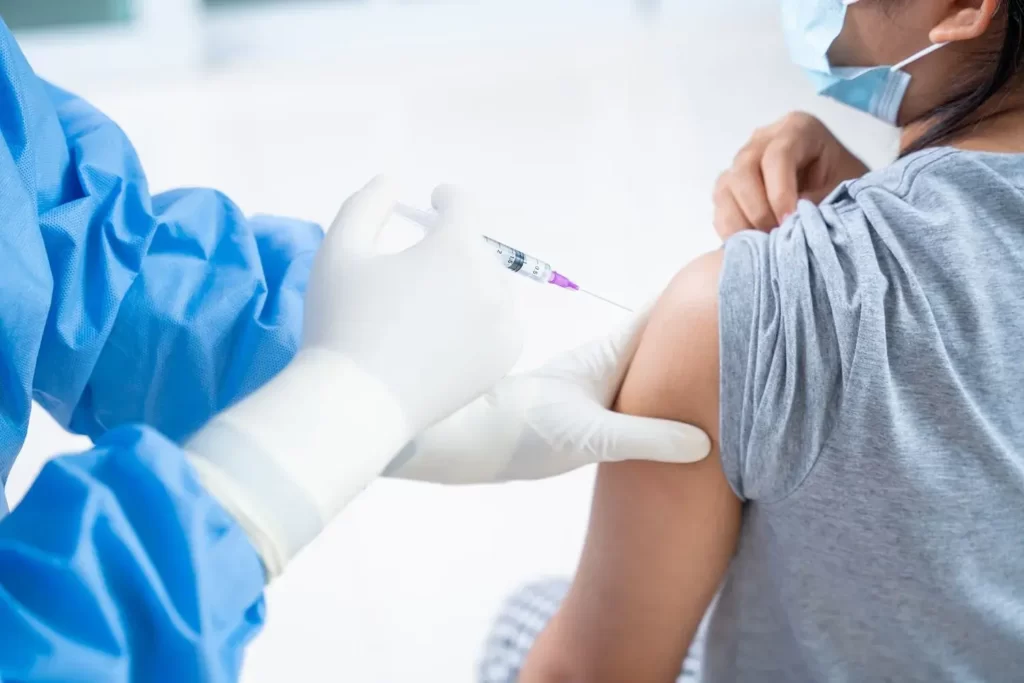
The government is gearing up to introduce the ‘U-Win’ portal, modelled after the successful Co-Win COVID-19 vaccine management system. This new platform is aimed at maintaining a digital registry of routine immunizations as part of the Universal Immunization Programme (UIP). Currently, the U-Win initiative is undergoing a pilot phase in two districts of each state and Union Territory. The U-Win portal, similar to Co-Win, was initially launched on January 11 in 65 districts nationwide. At present, UIP vaccination records are managed manually, but U-Win will eliminate the need for physical records. It will facilitate the digitization of session planning and provide real-time updates on vaccination statuses. This will address challenges posed by multiple vaccines and doses, as well as the absence of an individual tracking mechanism. Furthermore, it aims to raise awareness among beneficiaries regarding session details, locations, and dates, especially in urban areas, while also addressing disparities in immunization coverage among states and Union Territories. A significant issue to tackle is the lack of record-keeping for immunizations administered at private health facilities. U-Win seeks to become the centralized repository for immunization service information, encompassing pregnancy details, newborn registrations, and vaccinations at birth. The system will also maintain live updates on vaccination statuses, delivery outcomes, and the planning of routine immunization sessions. It aims to provide personalized tracking for pregnant women and newborns, sending reminders for upcoming doses and following up on dropouts. The U-Win platform will empower healthcare workers and program managers with real-time data on routine immunization sessions and vaccine coverage, facilitating better planning and distribution. Additionally, it will offer information on upcoming sessions in specific areas for the following month and a list of beneficiaries due for vaccination. Pregnant women and children will receive vaccine acknowledgments and immunization cards linked to their Ayushman Bharat Health Account (ABHA ID). States and districts will have access to a common database for efficient tracking and vaccination of beneficiaries. Citizens can also check nearby routine immunization sessions and book appointments through the platform. Lastly, all electronic vaccination certificates, similar to COVID vaccination certificates, will include pictures of Prime Minister Narendra Modi. As of August 28, U-Win has registered over 6.8 million beneficiaries and digitally tracked more than 13 million vaccine doses. This includes registrations for 33,58,770 infants aged 0-1 years, 20,98,338 children aged 1-5 years, and 14,20,708 pregnant women, with 1,32,60,903 doses being tracked digitally.

U-Win Portal Revolutionizes Routine Immunization Records Read More »