ArdorComm Media Group

Saturday, January 31, 2026 4:48 AM

Human Resource Community

Microsoft to Mandate Office Attendance 3 Days a Week Starting 2026

Microsoft is preparing to roll out a new return-to-office (RTO) policy that will require employees to spend at least three days a week in the office beginning January 2026. The mandate applies to staff living within 50 miles of its Redmond, Washington, headquarters, home to the bulk of its 228,000-strong global workforce. Depending on team structures and leadership decisions, some groups may face even stricter requirements—four or five days in person each week, according to Business Insider. The company is expected to formally announce the changes in September 2025, giving employees a few months to prepare. While Microsoft will allow applications for exceptions, the criteria and approval process remain unclear. This shift marks a departure from the company’s pandemic-era hybrid model, where employees could work remotely for up to half their time without managerial approval. In practice, many had been working from home far more frequently. The move aligns Microsoft with other tech majors that have rolled back remote flexibility. Amazon now demands five full days in the office, while Google and Meta enforce three. The timing, however, has sparked criticism: morale at Microsoft is reportedly at historic lows after about 15,000 layoffs this year, despite the company posting a staggering $27 billion in quarterly profits, as noted by The Verge. Some employees and analysts view the policy as a “stealth layoff strategy”—designed to push workers to resign voluntarily rather than undergo formal job cuts. Those unwilling to adjust to the new attendance rules may opt to leave, sources told Business Insider. Adding to the controversy, Microsoft continues to market its remote collaboration tools like Teams and Office 365 as productivity boosters, even as it moves away from flexible work for its own staff. Practical hurdles also loom large. Reports suggest the company’s offices face space shortages, limited power supply, and insufficient meeting rooms, despite a $5 billion campus expansion project. For now, the new mandate highlights the growing tension between employee preferences for hybrid work and tech giants’ renewed push for office-centric culture. Source: Economic Times Photo Credit: iStock  

Microsoft to Mandate Office Attendance 3 Days a Week Starting 2026 Read More »

PwC India Unveils Vision 2030, to Add 20,000 Jobs and Triple Revenue in Five Years

PwC India has announced an ambitious expansion plan under its Vision 2030, aiming to grow its workforce to 50,000 employees within the next five years by creating 20,000 new jobs. The consulting major is targeting a threefold increase in revenue, committing over 5% of annual revenues to technology, innovation, and capability building. The company will sharpen its focus on areas such as digital transformation, sustainability, risk and regulatory compliance, cloud, and cybersecurity, positioning itself to help clients navigate rapid market disruptions. Chairperson Sanjeev Krishan emphasised the firm’s goal of building a “future-ready workforce,” with investments in upskilling, women in leadership, and inclusive career growth from entry-level to the boardroom. PwC India will allocate 1% of its revenues to learning initiatives while expanding its presence in Tier 2 and Tier 3 cities to support decentralised economic growth and align with the government’s vision of self-reliant local economies. Recruitment will focus on sector-specific and digital expertise, with growth anchored in six priority sectors: financial services, healthcare, industrial manufacturing, automotive, technology, media, and telecom. Additionally, the company will explore emerging “horizon sectors” to secure an early strategic foothold. Source: PTI

PwC India Unveils Vision 2030, to Add 20,000 Jobs and Triple Revenue in Five Years Read More »

Air India Raises Retirement Age for Pilots to 65, Non-Flying Staff to 60

In a major policy shift, Air India has decided to increase the retirement age for its pilots from 58 to 65 years and for non-flying employees from 58 to 60 years, according to sources. The announcement was reportedly made during a townhall meeting addressed by CEO and MD Campbell Wilson. This move aligns Air India’s superannuation norms with those of its erstwhile subsidiary Vistara, which merged with the airline in November 2024. Currently, Air India employs around 24,000 people, including approximately 3,600 pilots and 9,500 cabin crew. While the Directorate General of Civil Aviation (DGCA) already permits commercial pilots to fly until 65, most Air India pilots had their contracts extended beyond 58 on an individual basis. It remains unclear whether the retirement age for cabin crew — presently 58 years — will also be revised. The decision follows a period in which several pilots and cabin crew members resigned, and during the merger process, differences in retirement policies between Air India and Vistara had sparked dissatisfaction among a section of staff. Source: PTI

Air India Raises Retirement Age for Pilots to 65, Non-Flying Staff to 60 Read More »

US Labor Market Faces a ‘He-cession’ as Young Men Struggle with Joblessness

Although the broader US job market appears relatively stable — with July’s national unemployment rate standing at 4.2% — a closer look reveals a troubling trend among young men. Unemployment among males aged 20 to 24 has surged to 8.3%, a level commonly associated with economic recessions. For recent male college graduates, the rate hovers at 5.3%, nearly double the figures for their female counterparts. These stark differences have prompted some to wonder: is the US entering a new phase of gendered job market downturn — a “he-cession”? The term “she-cession” gained traction during the pandemic, when women bore the brunt of job losses, especially in sectors like hospitality and retail. Today, it seems young men may be facing a similar economic squeeze. While men have historically dominated the workforce and still earn more on average, their employment prospects have been declining for decades — and now even a college degree no longer guarantees an advantage. The key question is whether this is just a short-term dip or a sign of deeper, long-term changes in the economy. If it’s merely a phase in the economic cycle, improvement may come with the next upturn. But if this reflects a more permanent shift — where male-dominated skills and industries are losing relevance due to automation, AI, or growth in sectors traditionally filled by women — then male joblessness could become a much bigger problem. Part of the current trend is indeed cyclical. Men and younger workers are typically the first to feel the pinch during economic slowdowns, as many of them are employed in industries more vulnerable to downturns, such as manufacturing and construction. In contrast, women are more likely to work in sectors like education and healthcare, which tend to remain steady even during economic contractions. Still, the data suggests more is at play. Among recent college graduates working in retail, unemployment is significantly higher for men (8.2%) than for women (4.7%). Most of the joblessness is concentrated in roles at restaurants and department stores — sectors that already over-hired in the immediate post-pandemic recovery and are now scaling back. One theory is that college-educated men, unable to land roles in their desired fields, are turning to hospitality and retail for interim work — but even these industries aren’t hiring like they once did. As a result, these men are left without employment, even in fallback jobs. AI has been widely discussed as a potential disruptor, but so far, its impact on employment has been limited. For example, while joblessness among recent graduates in tech and data services has risen from 1.7% in 2019 to over 5% now, these levels are not yet alarming. Other fields, like finance and business services, have also seen slight upticks, but remain relatively stable. The real concern lies ahead. If the economy weakens further, companies may accelerate their adoption of AI to cut costs — particularly by reducing entry-level hiring. If managers become more comfortable using generative AI tools in place of junior analysts, what starts as a temporary slowdown could evolve into a lasting shift in hiring practices. For now, the broader labor market holds steady — but for young men, especially recent graduates, the outlook is increasingly uncertain. The US may not be in a full-blown “he-cession” yet, but all signs point to one brewing on the horizon. Source: Bloomberg

US Labor Market Faces a ‘He-cession’ as Young Men Struggle with Joblessness Read More »

RBI May Lower FY26 Inflation Forecast Amid Cooling Prices, CPI Likely to Rise in FY27: CareEdge Report

The Reserve Bank of India (RBI) is likely to revise its inflation forecast downward for the fiscal year 2025–26 during its upcoming Monetary Policy Committee (MPC) meeting in August, according to a report released by CareEdge Ratings. The report projects that Consumer Price Index (CPI) inflation may average around 3.1% in FY26 — notably below the RBI’s current estimate of 3.7%. However, inflation is anticipated to rebound to 4.5% in FY27, largely due to the low base effect from the previous year. “Given the sharp drop in FY26 inflation, a natural statistical rebound could lift average inflation to 4.5% in FY27,” CareEdge noted. The report attributes the recent softness in inflation to a significant drop in food prices and a supportive base effect. CPI inflation eased to 2.1% in June, the lowest level since January 2019, surprising market expectations. A major factor in this decline was deflation in the food and beverages category, which saw an overall contraction of 0.2% year-on-year. Specific items showed sharp price declines: vegetables fell 19%, pulses 12%, spices 3%, and meat 1.6%. The outlook for food inflation remains benign, supported by a strong agricultural season and continued base effect benefits. Core inflation, which excludes volatile food and fuel prices, ticked up slightly to 4.4% in June. However, this uptick was largely attributed to a spike in precious metal prices. When excluding gold and silver, core inflation stands at a more moderate 3.5%, the report clarified. While global economic slowdown continues to weigh on demand, CareEdge cautioned that factors such as geopolitical tensions and shifts in trade policies could still create volatility in commodity prices, warranting continued vigilance. Despite these risks, the inflation landscape appears favourable in the short term. However, the report warns that CPI inflation could breach the 4% threshold in the last quarter of FY26 as the positive base effect wanes. With actual inflation likely to undershoot RBI’s current projections for FY26, the central bank may opt to officially lower its target in the upcoming policy announcement. Source: ANI

RBI May Lower FY26 Inflation Forecast Amid Cooling Prices, CPI Likely to Rise in FY27: CareEdge Report Read More »

India Inc Poised to Offer 6.2% to 11.3% Average Salary Hikes Across Sectors: TeamLease Report

Corporate India is set to witness salary hikes ranging between 6.2% and 11.3% in the current financial year, as companies realign their workforce strategies with a sharper focus on skill certifications and performance-linked incentives, according to the TeamLease Services’ Jobs and Salaries Primer 2025–26 report released on Tuesday. Drawing insights from over 1,300 organisations across 23 industries and 20 cities, the report highlights that some job roles may see hikes of up to 13.8%. The evolving demand for professionals who can blend technical expertise with business impact is driving this shift in compensation trends, said Kartik Narayan, CEO – Staffing at TeamLease Services. Among the sectors expected to offer the highest salary increases are Electric Vehicles (EV) and EV infrastructure (11.3%), consumer durables (10.7%), retail (10.7%), and non-banking financial companies (NBFCs) (10.4%). Top-paying roles in these sectors include: Electrical Design Engineer in the EV domain (12.4% hike), In-Store Demonstrator in consumer durables (12.2%), Relationship Executive in NBFCs (11.6%), and Fashion Assistant in retail (11.2%). The report also points to a robust revival in the blue-collar segment, thanks to rising infrastructure investments, a growing EV ecosystem, and renewed activity in real estate and manufacturing. Key roles like mechanic (10.4%), material handler (10%), machine operator (9.9%), and electrician (9.3%) are witnessing healthy pay increases. “This strong wage momentum in traditional blue-collar roles signals a need for companies to recalibrate hiring strategies in line with emerging growth sectors. For workers, upskilling will be key to remaining relevant and resilient,” Narayan added. In terms of cities and individual roles, standout salary hikes include: Quality Control Inspector in Pune (13.8%), MIS Executive in Hyderabad (13.4%), Data Engineer in Bengaluru (12.9%), Electrical Design Engineer in Mumbai (12.6%), and Sales Executive in Gurgaon (12.4%). Functionally, the most significant hikes are projected in sales and marketing roles (9.9%), followed by engineering (9.5%). Other domains such as finance, customer service, back-office operations, HR, and administration are expected to receive moderate increases between 8.2% and 8.6%, indicating balanced growth across business functions. Overall, the report underscores a broader recalibration of compensation structures in India Inc, with skill-based hiring, retention incentives, and future-ready talent emerging as strategic priorities. Source: PTI

India Inc Poised to Offer 6.2% to 11.3% Average Salary Hikes Across Sectors: TeamLease Report Read More »

TCS to Lay Off Over 12,000 Employees Amid AI Disruption and Economic Pressures

Ardorcomm news

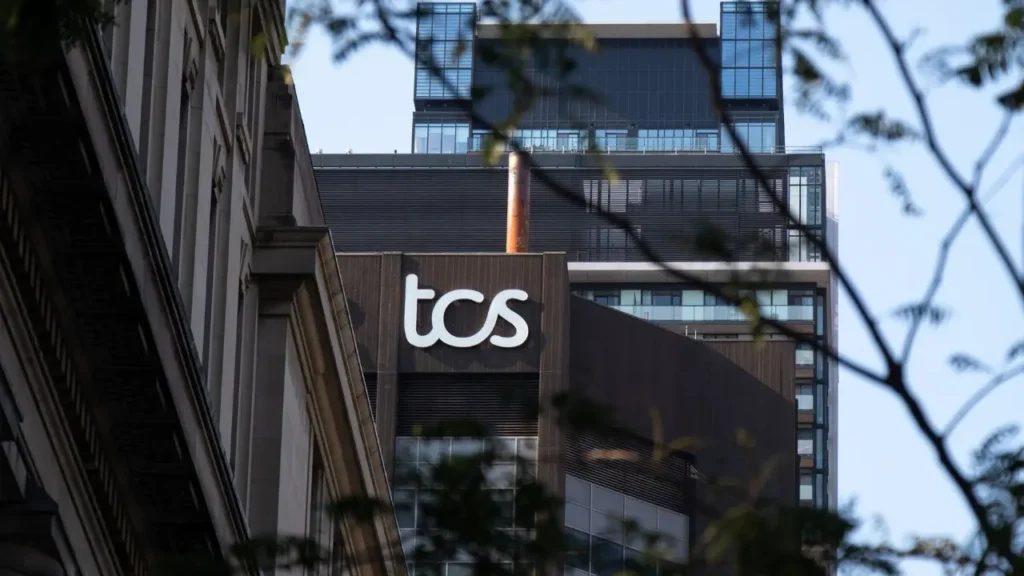
In a landmark decision, Tata Consultancy Services (TCS), India’s largest IT services provider and the crown jewel of the Tata Group, is set to let go of 12,261 employees — nearly 2% of its global workforce — making it the biggest layoff in the company’s history. The move comes as TCS navigates a rapidly evolving technology landscape marked by AI-driven disruption, weakening demand, and global economic headwinds. The company, which had a workforce of over 610,000 as of June, is restructuring to align with new business realities. Historically, workforce reduction at TCS has been modest — for instance, in FY15, the firm cut about 3,000 jobs, roughly 1% of its employee base. This latest wave of layoffs will largely impact mid- to senior-level professionals, particularly those who cannot be transitioned into new roles within the organization. The restructuring signals a major pivot for TCS, as it intensifies its focus on automation and AI to remain competitive in an increasingly margin-sensitive market. “This transformation is about preparing TCS for the future,” CEO K Krithivasan noted in an internal communication. “While such changes are essential for our continued growth, we recognize the challenges it brings to our colleagues. We deeply appreciate their contributions and will support them through this transition.” Analysts say the decision reflects a broader industry trend. Phil Fersht, CEO of HfS Research, highlighted that AI is significantly disrupting the traditional, manpower-heavy IT services model. Clients are also pushing for steep cost reductions — sometimes as much as 20-30% — compelling firms like TCS to reevaluate their cost structures. The trend isn’t isolated to TCS. Other Tata Group companies such as Tata Motors and Tata Steel have also undertaken job cuts in recent years to streamline operations and boost profitability. In 2019, Tata Steel cut 3,000 positions in its European business. This move by TCS underscores the shifting priorities within the IT industry, where future-readiness increasingly hinges on agility, automation, and leaner operations. Source: Economic Times

TCS to Lay Off Over 12,000 Employees Amid AI Disruption and Economic Pressures Read More »

India’s IT Sector Employs Over 6 Million; Govt Unveils Comprehensive AI Strategy

India’s thriving information technology sector now employs over 6 million professionals and generates annual revenues exceeding $250 billion, the government informed Parliament on Wednesday. Minister of State for Electronics and IT, Jitin Prasada, shared these insights in a written response to the Lok Sabha, emphasizing the country’s expanding footprint in cutting-edge technologies like artificial intelligence (AI). India ranks among the global leaders in AI capabilities, policies, and talent, according to international benchmarks such as the Stanford AI Index. The country also holds the position of the second-largest contributor to GitHub’s AI projects, underscoring its dynamic developer ecosystem. Prasada highlighted that India’s AI strategy is inspired by Prime Minister Narendra Modi’s vision of democratizing technology. The overarching aim is to solve India-specific challenges while fostering inclusive economic growth and employment opportunities. To achieve these goals, the government launched the IndiaAI Mission in March 2024. This initiative is designed to build a robust and inclusive AI ecosystem aligned with national development priorities. The mission operates under a seven-pillar framework: IndiaAI Compute Capacity – Offers affordable high-performance computing resources (including GPUs) to startups and MSMEs. IndiaAI Foundation Models – Focuses on developing indigenous large multimodal AI models trained on local datasets and languages, ensuring technological sovereignty. AIKosh – A unified platform integrating government and private datasets for training AI systems. IndiaAI Application Development Initiative – Targets the development of AI solutions for Indian challenges in sectors like climate resilience, agriculture, public health, governance, and learning assistance. IndiaAIFutureSkills – Aims to create a large pool of AI talent by expanding graduate, postgraduate, and doctoral programs in AI, while setting up Data and AI Labs in smaller cities. IndiaAI Startup Financing – Provides financial backing to AI-driven startups to scale innovations. Trusted AI – Promotes safe and ethical AI use by embedding governance and accountability into innovation. This holistic approach reflects India’s ambition to emerge as a global powerhouse in AI while ensuring the benefits of technology reach every segment of society. Source: IANS

India’s IT Sector Employs Over 6 Million; Govt Unveils Comprehensive AI Strategy Read More »

TCS Offers Full Q1 Variable Pay to Majority of Employees, Keeps Hike Plans on Hold

Tata Consultancy Services (TCS), India’s largest IT services provider, has disbursed 100% of the quarterly variable allowance (QVA) to over 70% of its workforce for the April–June quarter, according to an internal communication from the company’s HR head, Milind Lakkad. The remaining employees—primarily those in senior roles—will see variable pay linked to the performance of their specific business units. In an email shared with employees last week, Lakkad stated that all staff up to the C2 grade (or equivalent levels) will receive the full variable component for the first quarter. Employees in the higher C3 grade and above, which includes senior and leadership positions, will have their payouts adjusted based on business unit performance. TCS’s employee hierarchy begins with trainees at the ‘Y’ level, moving up through C1 (systems engineer), then C2, C3 (split into A & B bands), followed by C4, C5, and CXO levels. Responding to media queries, a TCS spokesperson confirmed the variable payouts, emphasizing that the process aligns with the company’s standard quarterly compensation framework. However, the company has not yet announced its annual salary increments, citing a challenging global business climate. TCS has seen revenue decline in dollar terms for three consecutive quarters, a trend driven by sluggish discretionary tech spending and broader economic uncertainties. During Q1 FY25, the company added 5,060 employees, bringing its total workforce to approximately 613,000. Reflecting on the quarterly performance, CEO K Krithivasan noted a continued delay in client decision-making and project commencements. “Discretionary investments remain muted and even worsened slightly this quarter due to ongoing global conflicts, macroeconomic concerns, and supply chain disruptions,” he said. Krithivasan added that a rebound in client spending is expected once there’s greater economic clarity. Source: Economic Times  

TCS Offers Full Q1 Variable Pay to Majority of Employees, Keeps Hike Plans on Hold Read More »

TCS Q1 FY26: Attrition Rises Slightly to 13.8%, Net Profit Grows 6.7% YoY

Tata Consultancy Services (TCS), India’s largest IT services company, reported a modest uptick in employee attrition during the first quarter of the financial year 2025–26. According to a regulatory filing on Thursday, the attrition rate for Q1 stood at 13.8%, up from 13.3% in the March quarter and 13% in the preceding December quarter. As of June 30, 2025, the company’s total workforce had grown to 613,069 employees, reflecting a year-on-year increase of 6,071 from the 607,979 reported at the end of March. Highlighting the company’s focus on skill enhancement, Milind Lakkad, Chief Human Resources Officer at TCS, stated, “Talent development remains central to our strategy. This quarter, our associates dedicated 15 million hours to upskilling, particularly in emerging technologies. We now have over 114,000 employees proficient in advanced AI capabilities.” The IT major also opened the earnings season for the June quarter by posting a 6.7% year-on-year rise in consolidated net profit, reaching ₹12,819 crore, compared to ₹12,105 crore in the same quarter last year. Revenue from operations witnessed a 1.3% increase, totaling ₹63,437 crore, up from ₹62,613 crore in Q1 FY25. Employee benefit expenses climbed 3.6% year-on-year to ₹37,715 crore, while the company’s overall expenses rose 1.6% to ₹48,118 crore. TCS also announced an interim dividend of ₹11 per share. The record date for eligibility is set for July 16, 2025, with dividend payouts scheduled by August 4, 2025. Source: Economic Times

TCS Q1 FY26: Attrition Rises Slightly to 13.8%, Net Profit Grows 6.7% YoY Read More »