ArdorComm Media Group

Tuesday, May 12, 2026 10:24 PM

Blogs

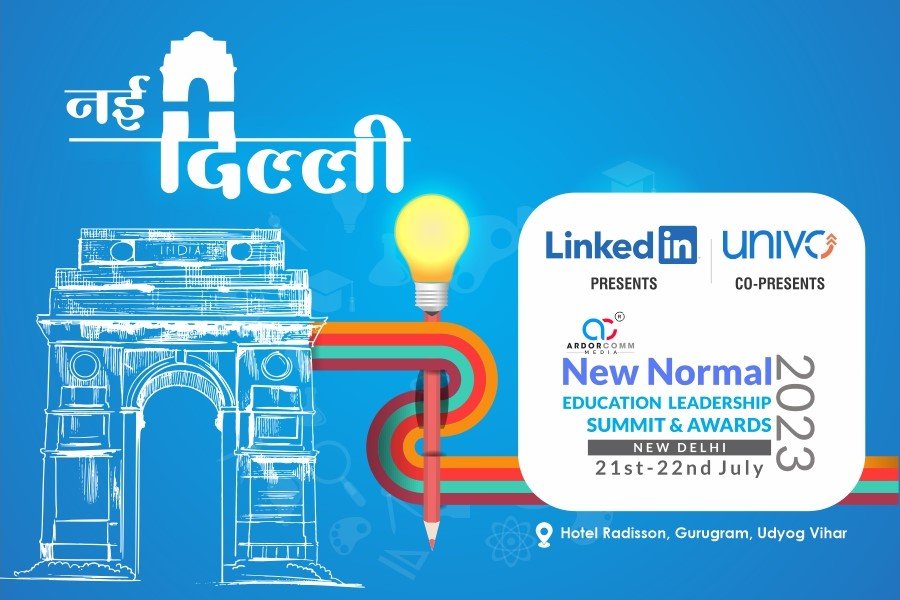
ArdorComm ‘New Normal – Education Leadership Summit & Awards 2023’ #ELSANewDelhi #ELSAGurugram held at Gurugram, Delhi NCR on 21st & 22nd July 2023

blog ghank u'

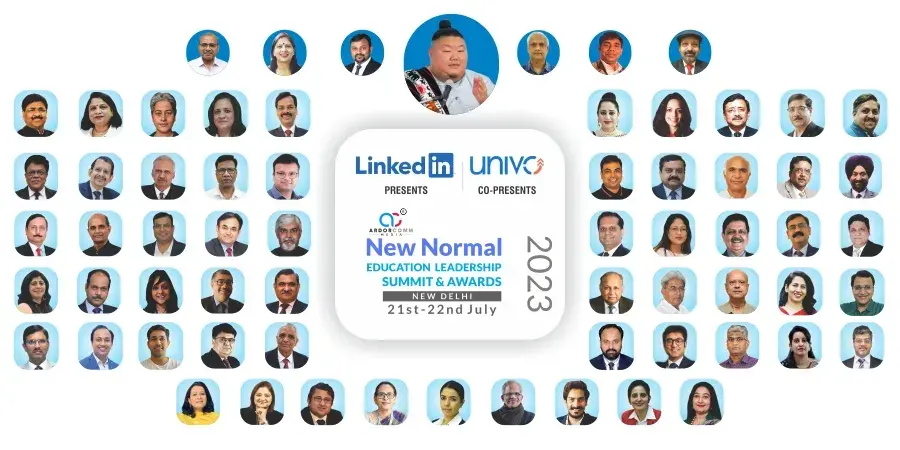
ArdorComm Media Group (A Media Start-up) hosted the ‘New Normal – Education Leadership Summit & Awards 2023’ as the India’s Biggest Education Leadership Summit in Gurugram, Delhi NCR on 21st & 22nd July 2023. ELSA New Delhi was the Seventh successful summit of the NEW NORMAL – ELSA series. The Summit theme focused on “INDIA Vision 2030: A Move to Improve Education & Skills in 21st Century Workplace”. The two-day symposium brought together Pre-school, School & Higher Education Leaders, Innovators, Policymakers and EdTech Experts, to discuss the challenges and opportunities in the education sector in the post-pandemic world and going ahead with a vision 2030. The Knowledge forum witnessed who’s who from government, pre-schools, schools, universities, colleges, engineering institutes, B-schools, skill institutions, and experts from corporate, EdTech companies & education startups. Deliberating, showcasing & presenting best & next practices in school, higher, skill and technical education. The event celebrated the success stories of all educators who have been continuously working for the betterment of the current teaching-learning scenario. The Day 1 focused on the Higher Education sector and Day 2 focused on the School Education sector. Chandan Anand, Founder, CEO & Group Editor of ArdorComm Media Group, emphasized on the event theme saying, “In the pursuit of progress and prosperity, India envisions a transformative journey to 2030, where education and skills become the guiding lights illuminating the path to a thriving 21st-century workplace. With a focus on innovation, research, and quality, the government has implemented the National Education Policy (NEP) 2023, which aims to equip students with the necessary skills and knowledge to succeed in the modern world. The “New Normal – Education Leadership Summit & Awards 2023” organized by ArdorComm Media Group serves as a crucial platform to discuss and recognize the efforts being made towards achieving this vision.” The Government Supporting Partner of the Summit were Department of Higher Education, Government of Nagaland and All India Council for Technical Education (AICTE). The National Council of Educational Research and Training (NCERT) supported the summit as Representing Institutions. The Presenting Partner of the event was LinkedIn and Co-presenting Partner was UNIVO. The Gold Partner of the summit was KALOREX, EdTech Partner was D2L, Online Learning Partner was Coursera, Payroll Partner was Razorpay, Admission Automation Partner was ExtraaEdge. The Associate Partners were DigitalEd, FunctionUp School of Technology and SaS. The Credential Partner was TruScholar, University Partner were Chitkara University, OPJU (OP Jindal University), Shobhit University. The School Partner       were Billimoria High School, Chitkara Internsational School, Sanfort World School, Seth MR Jaipuria Schools and Preschool Partner was Sanfort. The Exhibitors at the summit were EDTEX and SmartQ. The important guests, eminent speakers, experts, academicians & educators from pre-schools, schools, universities, engineering institutions, B-schools, EdTech & education startups who graced the event with their presence on both days at ‘ArdorComm New Normal – Education Leadership Summit & Awards 2023 in Gurugram, Delhi NCR on 21st & 22nd July were: – Day 1 (Higher Education): The Chief Guest of the event was Shri Temjen Imna Along, Hon’ble Minister of Higher Education & Tourism, Government of Nagaland. The Special Guests were Prof. Rajive Kumar, Member Secretary, AICTE, MoE, Govt. of India, Dr. (Mrs.) Pankaj Mittal, Secretary General, Association of Indian Universities. The Guest Speakers were Kunwar Shekhar Vijendra, Chancellor, Shobhit University, Prof. (Dr.) Madhu Chitkara, Pro Chancellor, Chitkara University, Saba Karim, India Head, Public Sector, LinkedIn and Monica Agarwal, Director, Content, UNIVO Education. The Eminent Panel Speakers were Prof. (Dr.) B.S.Satyanarayana, Vice Chancellor, G. D.Goenka University, Sohna, Prof. (Dr.) Madhu Chitkara, Pro Chancellor, Chitkara University, Kunwar Shekhar Vijendra, Chancellor, Shobhit University, Dr. Sunil Rai, Chancellor, UPES, Dehradun, Prof. (Dr.) Pankaj Kumar Mishra, Pro Vice Chancellor, Glocal University, Sharanpur, Prof. (Dr.) Arun Garg, Vice Chancellor, MVN University, Palwal, Prof. Prafulla Agnihotri, Director, Indian Institute of Management, Sirmaur, Prof. (Dr.) V. K. Rattan, Vice Chancellor, GNA University, Phagwara, Prof. R. S. Yadav, Vice Chancellor, Baba Mastnath University, Rohtak, Pravesh Dudani, Founder & Chancellor, Medhavi Skills University, East Sikkim, Dr. Prabhat Pankaj, Director, Jaipuria Institute of Management, Jaipur, Abhishek Ajmera, Chief Revenue & Marketing Officer, UNIVO Education, Prof. (Dr.) Chattar Singh, Vice Chancellor, Rai Technology University, Bengaluru, Abhay Gupta, Founder & CEO, Luxury Connect Business School, Gurugram, Prof. (Dr.) B. L. Bhardwaj, Vice Chancellor, Maharishi Markandeshwar University, Ambala, Prof. (Dr.) Raghuvir Singh, Vice Chancellor, Teerthanker Mahaveer University, Moradabad, Dr. R D Patidar, Vice Chancellor, OP Jindal University, Raigarh, Dr. Prem Das Maheshwari, Business Director-South Asia, D2L, Prof. (Dr.) Vikas Singh, Founder Vice Chancellor, Geeta University, Panipat, Delhi, Prof. Ambarish S. Vidyarthi, Vice Chancellor, Bikaner Technical University, Bikaner, Rajasthan, Prof. (Dr.) Vikas Madhukar, Pro Vice Chancellor, Amity University, Gurgaon, Dr. Manju Gupta, Director Strategic Management, Mangalmay Group of Institutions, Greater Noida, Sanjay Diwan, Educator and Advisor, USME-DTU, DigitalEd India & Positive Momentum, Dr. Kamalesh VN, Pro Vice Chancellor, Madhav University, Sirohi, Pankaj Jain, Regional Director India Subcontinent, UTS (University of Technology Sydney) College, Pooja Priyamvada, Academic Director, International Institute of Mass Media, New Delhi, Dr. Sunil Kr Pandey, Director (IT & UG), Institute of Technology & Science, Ghaziabad, Aanchal Chopra, Regional Head – North, Academic & Govt. (A&G) Business, LinkedIn, Dr. Indranil Bose, Vice President-Academics & Head of the Department & Professor-Management, Adamas University, Kolkata. The Industry Perspectives of Day 1 were shared by Saba Karim, India Head, Public Sector, LinkedIn, Daksh Agrawal, AVP Growth, ExtraaEdge, CA Mayur Zanwar, Co-Founder, TruScholar, Pritesh Kumar, Co-Founder & Director, FunctionUp School of Technology. The eminent speakers at the Leadership Talk Session – A Roundtable Discussion moderated by D2L on the topic, “Promoting Active Learning and Student Engagement through Technology-Enabled Solutions” were Dr. Prem Das Maheshwari, Business Director South Asia, D2L, Dr. Manju Gupta, Director Strategic Management, Mangalmay Group of Institutions, Indirapuram, Dr. TR Pandey, Director, Ajay Kumar Garg Institutes of Management, Ghaziabad, Prof. H. L. Verma, Vice Chancellor, Jagan Nath University, Bahadurgarh, Dr. Rekha Vig, Dean – IQAC, The NorthCap University, Gurugram, Prof. (Dr.) B. L. Bhardwaj, Vice Chancellor, Maharishi Markandeshwar University, Ambala, Dr. Sanjeev Kumar Sharma, Pro Vice Chancellor, Sushant University, Gurugram, Dr Manoj Agarwal, Director,

ArdorComm ‘New Normal – Education Leadership Summit & Awards 2023’ #ELSANewDelhi #ELSAGurugram held at Gurugram, Delhi NCR on 21st & 22nd July 2023 Read More »

10 Reasons Why the New Normal Education Leadership Summit & Awards is a Must-Attend Event for You

Blog on Edu

The New Normal Education Leadership Summit & Awards 2023, organized by ArdorComm Media in Gurugram, Delhi NCR on 21st & 22nd July 2023, is a highly anticipated event that brings together educators, thought leaders, policymakers, and industry experts to shape the future of education in India. With its focus on INDIA Vision 2030: A Move to Improve Education & Skills in 21st Century Workplace, this event offers a multitude of reasons why you should attend. Here are ten compelling reasons why the New Normal Education Leadership Summit & Awards is a must-attend event for you. Engage in Engrossing Panel Discussions: Participate in engaging panel discussions led by renowned educators, thought leaders, policymakers, and industry experts. Gain valuable insights into the pressing challenges and opportunities that shape the education landscape. These discussions will provide you with fresh perspectives, innovative ideas, and practical strategies to drive positive change within your educational institution or organization. Immerse Yourself in Interactive Workshops: Immerse yourself in interactive workshops facilitated by experts in the field. Dive deep into specific topics and acquire practical skills that can be applied in real-world scenarios. Explore emerging trends, best practices, and cutting-edge technologies that are transforming the education sector. These workshops will empower you with the knowledge and tools to stay ahead in the ever-evolving educational landscape. Networking Opportunities with Decision-Makers: Connect with decision-makers in the education sector, including policymakers, educational leaders, and industry experts. Expand your professional network and engage in meaningful conversations with individuals who have the power to influence change. Forge new partnerships, share ideas, and collaborate on initiatives that can shape the future of education in India. Enhance Brand Awareness and Visibility: Leverage the platform of the New Normal Education Leadership Summit & Awards to enhance your brand’s visibility within the education community. Showcase your expertise, products, or services to a targeted audience of educators, professionals, and potential clients. Increase brand awareness, establish yourself as a thought leader, and position your organization at the forefront of educational innovation. Stay Updated with Trending Knowledge Sessions: Stay abreast of the latest trends, insights, and innovations in the education sector through trending knowledge sessions. Explore the skills required for the 21st-century workplace and gain a competitive edge. These sessions will equip you with practical knowledge and actionable strategies to adapt and thrive in an ever-changing educational landscape. Celebrate Outstanding Achievements: Witness the recognition of exceptional leaders, institutions, and initiatives in the education sector through the Education Leadership Awards. Be inspired by their achievements and celebrate their commitment to driving positive change. This celebration of excellence will motivate and encourage you to make a lasting impact on education in India. Foster Collaboration and Partnerships: The New Normal Education Leadership Summit & Awards provides a conducive environment to foster collaboration and partnerships. Engage in meaningful discussions, exchange ideas, and explore potential collaborations with like-minded individuals and organizations. Together, you can create innovative solutions and address the challenges facing the education sector more effectively. Explore Business Growth Opportunities: Participating in this event opens doors to potential business growth opportunities. Connect with potential clients, investors, and collaborators who are actively seeking innovative solutions in education. Showcase your products or services, forge new partnerships, and unlock new avenues for business expansion. Gain Exclusive Insights in a Close Door B2B Setting: Take advantage of the close door, exclusive B2B interactions available at the summit. Connect with decision-makers and stakeholders in private settings, allowing for focused and in-depth discussions. This setting provides an opportunity for confidential business discussions and the exploration of strategic partnerships. Be Part of the Educational Transformation: By attending the New Normal Education Leadership Summit & Awards, you become an active participant in the transformation of education in India. Your presence and engagement contribute to shaping the future of education, ensuring that it meets the demands of the 21st-century workplace and prepares students for success. Final Words The New Normal Education Leadership Summit & Awards offers a unique platform for educators, thought leaders, policymakers, and industry experts to come together, share knowledge, and drive positive change in the education sector. With engaging panel discussions, interactive workshops, networking opportunities, brand visibility, and the celebration of outstanding achievements, this event is an unparalleled opportunity for professional growth and collaboration. Don’t miss out on being part of this transformative event that will shape the future of education in India. Register now and join the movement to revolutionize education for the better. Also Read: ArdorComm ‘New Normal – Education Leadership Summit & Awards 2023’ #ELSANewDelhi #ELSAGurugram to be held at Gurugram, Delhi NCR on 21st & 22nd July 2023 Visit Website: https://ardorcomm-media.com/elsanewdelhi/  

10 Reasons Why the New Normal Education Leadership Summit & Awards is a Must-Attend Event for You Read More »

The Role of Emotional Intelligence in Education and Student Success

Blog on Edu

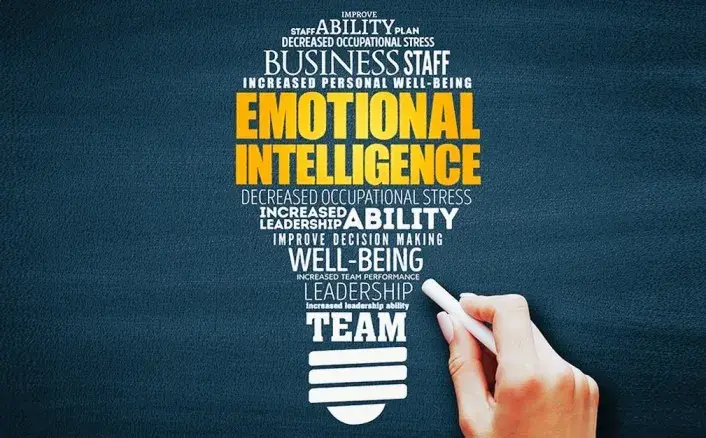
In today’s rapidly changing world, academic achievements alone are no longer sufficient for students to thrive and succeed. The development of emotional intelligence, often referred to as EQ, has gained significant attention as a vital component of education. Emotional intelligence encompasses the ability to recognize, understand, and manage emotions, both in oneself and in others. In this blog post, we will explore the role of emotional intelligence in education and how it contributes to student success. The Importance of Emotional Intelligence in Education: While academic knowledge equips students with valuable information and skills, emotional intelligence plays a crucial role in shaping their character, relationships, and overall well-being. As educational philosopher John Dewey once stated, “Education is not preparation for life; education is life itself.” Emotional intelligence provides students with the tools to navigate life’s challenges and interpersonal interactions effectively. Self-Awareness and Self-Management: Emotional intelligence helps students develop self-awareness, enabling them to understand and recognize their emotions, strengths, and weaknesses. Through self-reflection and self-management, students can regulate their emotions and impulses, enhancing their ability to make sound decisions and adapt to different situations. As psychologist Daniel Goleman explains, “Self-awareness is the ability to monitor one’s own emotions and reactions and to recognize their impact on others.” Also Read: ArdorComm ‘New Normal – Education Leadership Summit & Awards 2023’ #ELSANewDelhi #ELSAGurugram to be held at Gurugram, Delhi NCR on 21st & 22nd July 2023 Empathy and Social Skills: Emotional intelligence fosters empathy, the ability to understand and share the feelings of others. By developing empathy, students can relate to their peers’ experiences, perspectives, and emotions, thus cultivating positive relationships and a sense of community. Additionally, emotional intelligence equips students with essential social skills, such as effective communication, conflict resolution, and teamwork. As educational consultant Maurice J. Elias notes, “Emotional intelligence skills equip children to succeed not just academically, but also in work and life.” Resilience and Well-being: The cultivation of emotional intelligence promotes resilience, the ability to bounce back from setbacks and adapt to adversity. Students with higher emotional intelligence are better equipped to handle stress, setbacks, and challenges, as they possess effective coping mechanisms and problem-solving skills. Furthermore, emotional intelligence contributes to overall well-being by fostering self-confidence, self-esteem, and a positive mindset. As psychologist Peter Salovey states, “Emotional intelligence skills can help build resilience, foster well-being, and improve mental health.” Also Read: Rethinking Curriculum and Pedagogy to Reflect the Accelerated Use of Technology Implementing Emotional Intelligence in Education: Educators play a vital role in promoting emotional intelligence within the educational setting. By incorporating the following strategies, schools can create an environment that nurtures emotional intelligence: Emotional Literacy: Emotional literacy refers to the ability to understand and express emotions effectively. By integrating emotional literacy programs into the curriculum, schools can help students develop a strong foundation in recognizing and labelling emotions. This can be done through various activities, such as discussions, journaling, and role-playing exercises. Teachers can create a safe and supportive environment where students feel comfortable expressing their emotions and learn to navigate them constructively. Emotional literacy provides students with the vocabulary and tools to articulate their feelings, leading to better self-awareness and emotional regulation. Social-Emotional Learning (SEL) Programs: Social-Emotional Learning (SEL) programs are designed to explicitly teach emotional intelligence skills and foster social and emotional development in students. These programs provide a structured framework for educators to incorporate emotional intelligence into their teaching practices. SEL programs typically cover various aspects of emotional intelligence, including self-awareness, self-management, social awareness, relationship skills, and responsible decision-making. By incorporating SEL programs into the curriculum, schools create opportunities for students to develop and practice these crucial skills in a supportive and guided manner. Also Read: The Impact of Technology on Higher Education: Changing the Landscape of Learning Classroom Practices: Classroom practices play a significant role in promoting emotional intelligence among students. Educators can encourage open dialogue by creating a safe space for students to share their thoughts, feelings, and experiences. This can be achieved through class discussions, group activities, and individual reflection exercises. Active listening skills should be emphasized, allowing students to feel heard and understood. Additionally, teachers can incorporate mindfulness techniques, such as deep breathing exercises and relaxation techniques, to help students manage stress and regulate their emotions effectively. Teacher Training: To effectively promote emotional intelligence in education, it is essential to provide teachers with the necessary training and professional development opportunities. Teacher training programs can focus on enhancing educators’ understanding of emotional intelligence and equipping them with strategies and techniques to incorporate it into their teaching practices. By investing in teacher training, schools ensure that educators have the knowledge and skills to create emotionally supportive classroom environments, implement SEL programs, and guide students in developing their emotional intelligence. Also Read: Tech-Driven Education: The Rise of E-Learning in the Digital Age Conclusion In today’s education landscape, fostering emotional intelligence is essential for students’ holistic development and long-term success. By cultivating self-awareness, empathy, resilience, and social skills, students become equipped to navigate the complexities of life beyond the classroom. As Nobel laureate and renowned educational psychologist, Haim Ginott, once said, “Teachers are expected to reach unattainable goals with inadequate tools. The miracle is that, sometimes, they do. The Role of Emotional Intelligence in Education equips both educators and students with the necessary tools to overcome obstacles and thrive in an ever-changing world.” So, let us prioritize emotional intelligence in education and empower students with the skills needed for a fulfilling and successful future. The author, Pratik Ghosh is associated with ArdorComm Media

The Role of Emotional Intelligence in Education and Student Success Read More »

Rethinking Curriculum and Pedagogy to Reflect the Accelerated Use of Technology

Blog on Edu

In today’s fast-paced, technology-driven world, the integration of technology in education has become essential. As technology continues to evolve and shape our society, it is crucial to rethink curriculum and pedagogy to keep pace with the accelerated use of technology. This blog explores the significance of incorporating technology into education, the benefits it offers, and how curriculum and pedagogy can be redesigned to effectively leverage technology for enhanced learning outcomes. The Changing Educational Landscape: The advent of technology has revolutionized various aspects of our lives, including education. Traditional methods of teaching and learning are being challenged by the opportunities presented through digital tools, online resources, and interactive learning platforms. Students today are digital natives, accustomed to accessing information at their fingertips. Therefore, it becomes imperative to adapt educational practices to align with their expectations and needs. Benefits of Integrating Technology in Education: Personalized Learning: Technology enables educators to tailor learning experiences to individual student needs, fostering personalized learning pathways. Adaptive learning platforms, intelligent tutoring systems, and data analytics allow educators to provide targeted support and customized content to meet the diverse learning requirements of students. Enhanced Engagement: Incorporating technology in the curriculum can significantly enhance student engagement. Interactive multimedia resources, gamification, virtual and augmented reality experiences, and collaborative online platforms create an immersive and dynamic learning environment that captures students’ attention and stimulates their curiosity. Access to Global Knowledge: The internet provides an abundance of educational resources from around the world. With technology integration, students gain access to a vast array of information, diverse perspectives, and global collaborations, expanding their understanding of different cultures, ideas, and subjects. Real-World Connections: Technology enables students to connect their learning to real-world applications. By incorporating simulations, virtual experiments, and case studies, students can bridge the gap between theoretical concepts and practical experiences, fostering critical thinking and problem-solving skills. Also Read: ArdorComm ‘New Normal – Education Leadership Summit & Awards 2023’ #ELSANewDelhi #ELSAGurugram to be held at Gurugram, Delhi NCR on 21st & 22nd July 2023 Redesigning Curriculum: To reflect the accelerated use of technology, curriculum redesign is crucial. Here are some key considerations: Digital Literacy: Integrate digital literacy as a core component of the curriculum. Students should develop skills such as information literacy, media literacy, online collaboration, digital citizenship, and data analysis to navigate the digital world responsibly. Computational Thinking: Emphasize computational thinking skills, which include problem decomposition, algorithmic thinking, pattern recognition, and abstraction. These skills enable students to approach complex problems logically and systematically, preparing them for future careers in a technology-driven world. Interdisciplinary Approaches: Technology can be seamlessly integrated into various subjects, transcending traditional disciplinary boundaries. Encourage interdisciplinary projects and collaborations, where students can explore the intersection of technology with subjects like science, arts, humanities, and social sciences. Also Read: Tech-Driven Education: The Rise of E-Learning in the Digital Age Pedagogical Shifts: To harness the potential of technology, pedagogy must adapt as well. Here are some pedagogical shifts to consider: Student-Centred Learning: Move towards student-centred approaches, where educators act as facilitators and students take an active role in their learning. Technology can empower students to engage in self-directed learning, exploration, and inquiry-based activities. Collaborative Learning: Foster collaborative learning experiences by leveraging technology. Online discussion forums, virtual group projects, and collaborative document editing platforms can enable students to collaborate beyond physical boundaries, fostering teamwork and communication skills. Continuous Assessment: Leverage technology for formative and continuous assessment practices. Online quizzes, automated grading systems, and data analytics can provide instant feedback to students, allowing educators to monitor progress and tailor instruction accordingly. Also Read: Importance of Early Childhood Education: Setting the Foundation for Future Success Conclusion: As technology continues to reshape our world, it is essential to rethink curriculum and pedagogy to reflect its accelerated use. Integrating technology into education offers numerous benefits, including personalized learning, enhanced engagement, access to global knowledge, and real-world connections. By redesigning the curriculum to include digital literacy and computational thinking, and adopting student-centred and collaborative pedagogical approaches, we can effectively leverage technology to empower learners, preparing them for success in the digital age. Embracing this transformation will not only enhance learning outcomes but also equip students with the skills and competencies required to thrive in the rapidly evolving technological landscape. The author, Pratik Ghosh is associated with ArdorComm Media Top of Form  

Rethinking Curriculum and Pedagogy to Reflect the Accelerated Use of Technology Read More »

Promoting Work-Life Balance: Strategies for Fostering Employee Well-being

Blog on HR

In today’s fast-paced and demanding work environment, achieving a healthy work-life balance has become a crucial factor for employee well-being and overall organizational success. When employees are overwhelmed and unable to strike a balance between work and personal life, it can lead to burnout, decreased productivity, and a decline in mental and physical health. Therefore, it is imperative for organizations to prioritize and promote work-life balance to foster a happier, healthier, and more engaged workforce. In this blog post, we will explore effective strategies that organizations can implement to support their employees in achieving work-life balance and enhancing their overall well-being. Cultivate a Supportive Organizational Culture Creating a supportive organizational culture that values work-life balance is essential for fostering employee well-being. It starts with leadership setting the tone by promoting and modelling healthy work-life balance behaviours. Managers should encourage open communication and ensure that employees feel comfortable discussing their work-life challenges without fear of negative consequences. Moreover, organizations can introduce policies such as flexible work schedules, remote work options, and family-friendly initiatives to accommodate employees’ personal needs. Encourage Time Management and Prioritization Effective time management is a crucial skill for achieving work-life balance. Organizations can provide training and resources to help employees improve their time management skills. Encourage employees to set realistic goals and prioritize tasks based on their importance and deadlines. Promote the use of productivity tools and techniques that can help individuals stay organized and focused, such as task management apps, time-tracking tools, and the Pomodoro Technique. By empowering employees with these skills, they can better allocate their time and avoid feeling overwhelmed. Promote Flexibility and Remote Work The COVID-19 pandemic has shown the viability and benefits of remote work. Organizations can continue to leverage this trend by promoting flexible work arrangements, including remote work options. Flexible work hours and locations allow employees to better manage their personal commitments while still fulfilling their professional responsibilities. It helps to eliminate commuting time and provides employees with the freedom to structure their workday in a way that suits their individual needs. When employees have control over their work environment and schedule, it contributes to a healthier work-life balance. Encourage Boundaries and Disconnecting from Work In today’s hyperconnected world, it can be challenging for employees to disconnect from work and create boundaries between their professional and personal lives. Encourage employees to establish clear boundaries, such as setting specific working hours and avoiding work-related activities during personal time. Encourage them to utilize their vacation days and take breaks to recharge and rejuvenate. Organizations can also implement policies that discourage after-hours emails or meetings, creating an environment where employees can truly disconnect and recharge outside of working hours. Promote Employee Well-being Initiatives Investing in employee well-being initiatives is a proactive approach to promoting work-life balance. Organizations can offer wellness programs that address physical, mental, and emotional well-being. This may include providing access to gym facilities or fitness classes, organizing stress management workshops, or offering counselling services. Encouraging regular breaks, promoting healthy eating options, and providing access to mental health resources are also important steps toward fostering employee well-being. Foster a Positive and Supportive Team Environment The relationships and dynamics within a team can significantly impact work-life balance. Encourage a positive and supportive team environment where colleagues help and support one another. Foster a culture of collaboration, where teamwork and shared responsibilities help alleviate individual workloads. Encourage team members to cover for each other during vacation time or personal emergencies, ensuring that no one feels overwhelmed by excessive work demands. By fostering a supportive team environment, employees can rely on each other and find the necessary support to achieve a better work-life balance. Conclusion Promoting work-life balance is not just a luxury; it is a necessity for employees’ well-being and organizational success. By implementing strategies to foster work-life balance, organizations can create an environment where employees feel valued, supported, and motivated to give their best. Prioritizing work-life balance leads to increased employee satisfaction, improved productivity, reduced turnover, and a healthier workforce. As we move forward, organizations must recognize the importance of work-life balance and take proactive steps to cultivate a culture that supports employee well-being. By doing so, they will not only benefit their employees but also create a competitive advantage in attracting and retaining top talent in the evolving world of work. The author, Pratik Ghosh is associated with ArdorComm Media    

Promoting Work-Life Balance: Strategies for Fostering Employee Well-being Read More »

ArdorComm ‘New Normal – Education Leadership Summit & Awards 2023’ #ELSANewDelhi #ELSAGurugram to be held at Gurugram, Delhi NCR on 21st & 22nd July 2023

BLOG

The landscape of education in India is evolving rapidly, driven by the vision of India 2030 and the implementation of the National Education Policy (NEP) in 2023. As the nation aspires to improve education and skills in the 21st-century workplace, the “New Normal – Education Leadership Summit & Awards 2023” organized by ArdorComm Media Group in Gurugram, Delhi NCR, serves as a crucial platform to gather policymakers, government dignitaries, academicians, educators, EdTech corporates, start-ups, and industry experts. This two-day event aims to facilitate the exchange of experiences, ideas, and innovations that have propelled the growth of the education community. About New Normal – Education Leadership Summit & Awards 2023 #ELSANewDelhi #ELSAGurugram :- After consecutive Six grand successes of ArdorComm ELSA series, “New Normal – Education Leadership Summit & Awards”. We are pleased to announce yet another journey of New Normal – ELSA series in Gurugram, Delhi NCR on 21st & 22nd July 2023. The Summit theme will focus on “INDIA Vision 2030: A Move to Improve Education & Skills in 21st Century Workplace” India’s vision for 2030 is set on transforming its education system to meet the demands of the rapidly evolving 21st-century workplace. With a focus on innovation, research, and quality, the government has implemented the National Education Policy (NEP) 2023, which aims to equip students with the necessary skills and knowledge to succeed in the modern world. The “New Normal – Education Leadership Summit & Awards 2023” organized by ArdorComm Media Group serves as a crucial platform to discuss and recognize the efforts being made towards achieving this vision. The Indian education system is recognized as one of the largest in the world, with cities like Mumbai, New Delhi, Bengaluru, Pune, Chennai, Hyderabad, Dehradun, Kota, Manipal, Kanpur, Ahmedabad, Coimbatore, Visakhapatnam to name a few, known as the educational hubs of India. The government has implemented various schemes and policies to ensure that every child in the country has access to education. The vision is to position India as a global study destination that offers premium education at affordable costs. By promoting internationalization and globalization, India aims to foster collaborations with foreign institutions for research, teaching, and student exchange programs. The NEP 2023 is a pivotal step towards driving educational reforms in India. It emphasizes the development of 21st-century skills such as critical thinking, problem-solving, and entrepreneurship. The policy encourages holistic learning experiences and aims to create an environment that fosters creativity and innovation. By aligning Indian institutions with global standards of quality education, technology, infrastructure, and resources, India is emerging as a preferred destination for students seeking a world-class education. The “New Normal – Education Leadership Summit & Awards 2023” serves as a convergence point for policymakers, government dignitaries, academicians, educators, edtech companies, start-ups, and industry experts. This gathering provides an opportunity to share experiences, exchange ideas, and showcase innovations that have propelled the growth of the education community. Through collaborative efforts, stakeholders can work together to address the challenges and seize the opportunities presented by the changing education landscape. About the ArdorComm Education Leadership Awards 2023 :- One of the highlights of the summit is the prestigious “ArdorComm Education Leadership Awards 2023.” These awards aim to recognize the exceptional contributions of individuals, educational institutions, edtech companies, and start-ups that have tirelessly worked towards the development of the education sector. By honouring these trailblazers, the awards inspire and encourage others to follow in their footsteps and drive positive change in the realm of education. The event encompasses various categories, including higher education awards, school education awards, edtech awards, and startup awards. These categories acknowledge the outstanding achievements and innovations in different sectors of education. By highlighting success stories and best practices, the awards inspire others to adopt similar approaches and drive positive change in the education ecosystem. Winning a school education award, higher education award, startup award, or edtech award can not only bring recognition to your hard work and achievements, but also provide valuable networking opportunities, funding opportunities, and exposure to best practices, ultimately propelling you and your endeavours to greater success. Key Discussion Points of ‘New Normal – Education Leadership Summit & Awards 2023’ #ELSANewDelhi #ELSAGurugram :- Day 1- Higher Education New-Age Technology: A Boon to E-Learning How to Cultivate 21st Century Skills Including Critical Thinking and Digital Literacy? How can NEP 2020 can help build the Skilled Workforce? Syllabus-driven Education vs 21st Century Employability. Its Relevance & Adoptability. Future Facing Edtech to Drive Teaching-Learning Outcomes Day 2- School Education Disruptive Technologies Transforming Education in the 21st Century How NEP 2020 Policy Aims to make Education More Inclusive, Equitable, and Holistic? STEM-based learning and skill-based education, most progressive education trends Need of an Effective Early Childhood (ECE) Curriculum for a Sustainable Development Goal. Rethinking Curriculum and Pedagogy to Reflect the Accelerated use of Technology. The “New Normal – Education Leadership Summit & Awards 2023” is set to be a dynamic platform that explores various topics crucial to the advancement of education in the 21st century. Among the key discussions will be the role of new-age technology in e-learning, which has proven to be a boon in providing accessible and engaging education to learners of all ages. The integration of technology in education has facilitated the cultivation of essential 21st-century skills such as critical thinking and digital literacy, empowering students to thrive in the digital age. An important aspect of the summit will be the exploration of how the National Education Policy (NEP) 2020 can contribute to building a skilled workforce. The NEP 2020 aims to revolutionize the education system by emphasizing skill development, vocational training, and multidisciplinary learning. By aligning education with the needs of the industry and promoting practical, hands-on learning experiences, the NEP 2020 plays a crucial role in equipping students with the skills required for the job market. The relevance and adoptability of syllabus-driven education in comparison to the demand for 21st-century employability will be another key point of discussion. Traditional syllabus-driven education often falls short in addressing the rapidly evolving needs of the job market. The summit will delve into

ArdorComm ‘New Normal – Education Leadership Summit & Awards 2023’ #ELSANewDelhi #ELSAGurugram to be held at Gurugram, Delhi NCR on 21st & 22nd July 2023 Read More »

Tech-Driven Education: The Rise of E-Learning in the Digital Age

ardorcomm-news

In today’s digital age, technology has revolutionized nearly every aspect of our lives, including education. Traditional classrooms are no longer the sole avenue for learning, as e-learning has emerged as a prominent alternative. Enabled by technology, e-learning provides a flexible, accessible, and personalized approach to education. This blog explores the rise of e-learning and its transformational impact on the educational landscape in the digital era. The Advent of E-Learning: E-learning, or electronic learning, refers to the delivery of educational content through digital platforms and technologies. It encompasses a wide range of formats, including online courses, virtual classrooms, interactive modules, and educational apps. The proliferation of internet access and digital devices has fuelled the growth of e-learning, enabling learners to access educational resources anytime, anywhere. Accessibility and Inclusivity: One of the significant advantages of e-learning is its accessibility and inclusivity. With e-learning platforms, individuals can pursue education irrespective of their physical location or personal circumstances. It breaks down barriers to education, allowing learners to study at their own pace, accommodating work schedules, family responsibilities, and other commitments. E-learning also caters to diverse learning styles and needs, providing a personalized learning experience for each student. Also Read: Importance of Early Childhood Education: Setting the Foundation for Future Success Technological Enablers: The rise of e-learning is closely intertwined with the advancements in technology. Various technological enablers have played a pivotal role in the growth of e-learning. High-speed internet connectivity has made it possible to deliver multimedia-rich educational content seamlessly. Mobile devices, such as smartphones and tablets, have made learning on the go a reality. Additionally, cloud computing has provided a scalable and cost-effective infrastructure for e-learning platforms. Interactive and Engaging Learning: E-learning offers interactive and engaging learning experiences through multimedia elements, simulations, gamification, and virtual reality. These technologies create immersive environments, fostering active participation and enhancing knowledge retention. Gamification techniques, such as badges, leaderboards, and rewards, motivate learners and transform the learning process into an enjoyable experience. Personalization and Adaptive Learning: Technology-driven education enables personalized and adaptive learning experiences. E-learning platforms leverage data analytics, artificial intelligence, and machine learning algorithms to assess learners’ abilities and adapt the content and pace accordingly. This personalized approach ensures that students receive targeted instruction, support, and challenges, leading to improved learning outcomes. Flexibility and Lifelong Learning: E-learning has unlocked opportunities for lifelong learning and continuous skill development. With the flexibility offered by e-learning platforms, individuals can update their knowledge, acquire new skills, and stay relevant in a rapidly evolving job market. Professionals can pursue online certifications and courses to enhance their career prospects, and learners of all ages can engage in self-paced learning journeys. Also Read: Empowering Learners: The Role of New-Age Teaching Mechanisms in Upskilling Global Collaborative Learning: The digital age has connected learners from around the world, fostering global collaborative learning. E-learning platforms facilitate communication and collaboration among students and educators across geographical boundaries. Learners can engage in virtual discussions, peer reviews, and group projects, expanding their perspectives and promoting cross-cultural understanding. Overcoming Challenges: While e-learning offers numerous benefits, it also presents challenges. The digital divide, lack of reliable internet access, and technological literacy gaps pose barriers to equal access and participation. Addressing these challenges requires concerted efforts from governments, educational institutions, and technology providers to bridge the digital divide and ensure equitable access to quality education. Conclusion E-learning has experienced an unprecedented rise in the digital age, transforming the way we learn and acquire knowledge. With its accessibility, personalization, interactivity, and global connectivity, e-learning has become a driving force in education. As technology continues to advance, e-learning is poised to further revolutionize the educational landscape, empowering learners of all ages to unlock their potential and pursue lifelong learning in the digital era.Top of Form The author, Pratik Ghosh is associated with ArdorComm Media

Tech-Driven Education: The Rise of E-Learning in the Digital Age Read More »

ArdorComm New Normal – Education Leadership Summit & Awards 2023 held at Chennai, Tamil Nadu on 28th April 2023 #ELSAChennai #ELSATamilNadu

ardorcomm-media

ArdorComm Media Group (A Media Start-up) hosted the ‘New Normal – Education Leadership Summit & Awards 2023’ as the 1st & Biggest ‘Physical Event’ in Chennai, Tamil Nadu on 28th April 2023. ELSA Chennai was the Sixth successful event of the NEW NORMAL – ELSA series. The Summit’s theme focused on “Vision 2030: Expanding Boundaries of Education, Skill and Employability”. The symposium brought together Pre-school, School & Higher Education Leaders, Innovators, Policymakers and EdTech Experts, to discuss the challenges and opportunities in the education sector in the post-pandemic world. The Knowledge forum witnessed who’s who from government, pre-schools, schools, universities, colleges, engineering institutes, B-schools, skill institutions, and experts from corporate, EdTech companies & education startups. Deliberating, showcasing & presenting best & next practices in school, higher, skill and technical education. The event celebrated the success stories of all educators who have been continuously working for the betterment of the current teaching-learning scenario. Chandan Anand, Founder, CEO & Group Editor of ArdorComm Media Group, emphasized on the event theme saying, “Vision 2030 is a strategic plan that aims to expand the boundaries of education, skill, and employability. This plan envisions a future where people have access to quality education and training that prepares them for the changing demands of the workforce. It also aims to develop and implement innovative solutions that increase employability and bridge the skills gap. By investing in education and training, Vision 2030 seeks to create a workforce that is equipped with the knowledge, skills, and abilities to succeed in the global economy. This approach will not only benefit individuals but will also lead to economic growth and development for nations as a whole.” The Presenting Partner of the event was LinkedIn, the Platinum Partner was Anthology. The Gold Partner            was KALOREX, Silver Partners was ERP LOGIC – SAP Partner. The EdTech Partner was D2L, Acoustic Partner was Knauf, Admission Automation Partner was ExtraaEdge. The Associate Partners were, DigitalEd, CHRYSAALIS i-Maths, Q&I. The Exhibitors were Matific, Jodo, Furtados school, SpaceBasic. The Chief Guest of the event was Thiru Anbil Mahesh Poyyamozhi, Hon’ble School Education Minister, Govt. of Tamil Nadu. The Special Guests were Dr. M. Jayaprakasan (I.S.D.S), CEO, Naan Mudhalvan Skill Initiative, TNSDC, Govt. of Tamil Nadu and V Santhanam, Regional Director, National Institute of Open Schooling (NIOS), NIOS Regional Centre – Chennai, Tamil Nadu, Dr. G. Geetha, Director of Collegiate Education (FAC), Department of Higher Education, Govt. of Tamil Nadu. The Eminent Guest Speakers were Dr. Uma Kannan, Founder Principal, Sri Venkateswara Group of Schools, Ambattur, Dr. Manjula Pooja Shroff, MD and CEO, Kalorex Group and Jayanth Prakash, Account Director & Regional Lead – South, Academics & Government, LinkedIn. The Eminent Panel Speakers representing the schools, higher education and industry were, Anantha Krishnan B, CEO- Operations, Kalorex Group, R.S. Geetha, Principal, Sri Venkateswara Group of Schools, Narayanan Hariharan, Senior Associate Vice President and CE, AMM Foundation, Dr. K. Krishnasamy, Founder, Thaamarai World School, Dr. D. Dhanapal, Correspondent, Kovai Vidyashram Coimbatore and Kangayam, Dr. T. Sanjeevee Jayram, Founder and Managing Director, Cholan Group of Educational Institutions, Arunkumar G, Director and Founder, Newton’s Apple Public School, Sudhakar Joshi, Head – Marketing and Client Servicing, Chrysaalis I-Math India Pvt Ltd, Dr. K. Porkumaran, Principal, Sri Sairam Engineering College, Dr. S. Sriman Narayanan, Vice Chancellor, VELS Institute of Science Technology & Advanced Studies, Dr. Chadaram Sivaji, Vice Chancellor, Saveetha Institute of Medical and Technical Sciences, Dr. Sridhar. R, Vice Chancellor, Chettinad Academy of Research and Education (CARE), Prof. Dr. D.Viswanathan, Rector – Research and Development, Former Vice chancellor (Anna University), Dr. M.G.R. Educational and Research Institute, Jayanth Prakash, Account Director & Regional Lead – South, Academics & Government, LinkedIn, Dr. Prem Das Maheshwari, Business Director South Asia, D2L, Dr. L. Mahesh Kumar, Registrar, St. Peter’s Institute of Higher Education and Research, Dr. Sanjay Singh, Dean – School of Engineering and Technology, Dhanalakshmi Srinivasan University, Dr. Ramesh S, Principal, Jerusalem College of Engineering, Prof. Padmanabhan Krishnan, Director, Academic Staff College, Vellore Institute of Technology, Dr. Shaleesha A. Stanley, Pro Chancellor, Jeppiaar University, Dr. D. Senthilkumar, Principal, T I Matriculation Higher Secondary School (AMM Foundation), Dr. R Meenakshi, Director Academics, Curriculum R and D, Cambridge PDQ Program leader IN 868, Vels Group Of Schools, Er. Dr. A. S. Prabu, EMD, SPK groups of companies, Chairman, SPK Gems Schools, Dr. A. V. Mayakkannan, Dean, Sri Venkateswara College of Engineering and Technology, Dr. K Maran, Director, Sri Sai Ram Institute Of Management Studies, Swetha Balakrishnan, Secretary, Excel Matric HR Sec School. The industry presentations were given by Raj Mruthyunjayappa, Chief Digital Officer and President, India, Anthology, Jayanth Prakash, Account Director & Regional Lead – South, Academics & Government, LinkedIn, Phillip Samuel Babu.S, Head Higher Education Skilling India & Subcontinent, SAP India, A. Varun Kumar, Head South, Knauf Ceiling Solutions, Supreetha Gonsalves, AVP, ExtraaEdge, Akash Gautam, Academic Head, Q&I and Thomson Digital There were two Leadership Talk Sessions- A Roundtable Discussion that also took place at the summit, one was moderated by Anthology where education leaders spoke on the topic, “Innovating Education with Digital Infrastructure: Best Practices and Trends,” another was moderated by D2L where education leaders spoke on the topic, “Supporting Educators with Effective Learning Management Systems for Pedagogical Innovation.” The Prestigious ArdorComm Education Leadership Awards 2023 aimed to acknowledge those Individuals, Educational Institutions, EdTech & Startups who have been tirelessly and fiercely working for the betterment of the Education Community. Key Discussion Points of ‘ArdorComm New Normal – Education Leadership Summit & Awards 2023’ #ELSAChennai #ELSATamilNadu :-   Blended Education, Hybrid Class & Flipped Learning: Future of School Education in India. The ‘New-Age’ Teaching Mechanism & Upskilling: Empowering 21st Century Learners. Enabling Innovation in Admission, Enrolment, Examination & Assessment: A Sustainable Approach in HE. Digital First: The Future Readiness with Robust and Flexible Digital Infrastructure. Decoding NEP: Shaping India into a Global Knowledge Superpower ArdorComm New Normal – Education Leadership Summit & Awards 2023, Chennai, Tamil Nadu was an important knowledge-sharing platform of the education community that cared deeply about imparting education and making teaching-learning

ArdorComm New Normal – Education Leadership Summit & Awards 2023 held at Chennai, Tamil Nadu on 28th April 2023 #ELSAChennai #ELSATamilNadu Read More »

Importance of regular health check-ups and screenings

Blog on Health

Regular health check-ups and screenings are essential for maintaining good health and preventing serious health issues. While many people may feel healthy and assume they do not need to see a doctor, regular check-ups can detect potential health problems before they become more serious. In this blog, we will discuss the importance of regular health check-ups and screenings and why they should be an integral part of your healthcare routine. Detecting health issues early One of the main reasons why regular health check-ups and screenings are essential is that they can help detect potential health issues early. Many health conditions, such as high blood pressure, high cholesterol, and diabetes, may not have any symptoms in their early stages. Without regular check-ups, these conditions may go undetected until they become more serious and require more intensive treatment. Regular check-ups allow doctors to identify potential health issues before they become more serious. This means that treatment can begin early, before the condition has a chance to progress. Early detection can also help prevent complications that may arise from untreated or poorly managed conditions. For example, early detection of high blood pressure can prevent strokes and heart attacks. Preventing serious health issues Regular health check-ups and screenings can also help prevent serious health issues from developing in the first place. Many health conditions are preventable with the right lifestyle choices and preventative care. For example, a healthy diet and regular exercise can help prevent obesity, which is a risk factor for many serious health conditions. Regular check-ups allow doctors to identify potential risk factors and provide advice on preventative measures that can be taken to reduce the risk of developing certain health conditions. For example, doctors may recommend lifestyle changes, such as quitting smoking or reducing alcohol intake, to reduce the risk of developing certain cancers or heart disease. Improving overall health and wellbeing Regular health check-ups and screenings can also help improve overall health and wellbeing. These appointments are an opportunity for doctors to assess your overall health and identify any areas that may need improvement. For example, if your doctor detects high cholesterol levels during a check-up, they may recommend dietary changes or medication to help lower your cholesterol and improve your overall health. Regular check-ups can also provide an opportunity to discuss any concerns or questions you may have about your health. This can help alleviate anxiety and provide peace of mind, knowing that your health is being monitored by a professional. Types of health check-ups and screenings There are several types of health check-ups and screenings that are recommended for different age groups and risk factors. Some of the most common types of screenings include: Blood pressure check: This is a quick and painless test that measures your blood pressure. High blood pressure can increase the risk of heart disease and stroke. Cholesterol check: This test measures the amount of cholesterol in your blood. High cholesterol levels can increase the risk of heart disease. Diabetes screening: This test measures the amount of glucose in your blood. High levels of glucose can indicate diabetes. Pap smear: This test is used to screen for cervical cancer. It involves collecting cells from the cervix and examining them under a microscope. Mammogram: This is a type of X-ray that is used to screen for breast cancer. Colonoscopy: This is a test that is used to screen for colon cancer. It involves examining the inside of the colon with a camera. Skin cancer screening: This involves a visual examination of the skin to check for any unusual moles or lesions. When to schedule a health check-up The frequency of health check-ups and screenings will depend on your age, sex, and medical history. It is important to consult with your doctor to determine the appropriate schedule for your check-ups and screenings. In general, adults should have a check-up at least once a year. However, certain populations, such as those with chronic conditions or a family history of certain health issues, may require more frequent check-ups. It is also important to schedule a check-up if you experience any unusual symptoms or changes in your health. Symptoms such as persistent coughing, unexplained weight loss, or changes in bowel habits may require further evaluation by a healthcare provider. Conclusion In summary, regular health check-ups and screenings are crucial for maintaining good health and preventing serious health issues. These appointments allow doctors to detect potential health problems early, prevent serious health issues from developing, and provide advice on preventative measures to improve overall health and wellbeing. By making regular check-ups and screenings a part of your healthcare routine, you can take an active role in protecting your health and wellbeing. The author, Pratik Ghosh is associated with ArdorComm Media  

Importance of regular health check-ups and screenings Read More »

Importance of Early Childhood Education: Setting the Foundation for Future Success

blog

Early childhood education is a term used to describe any educational program that is designed for children aged zero to eight years old. This type of education is widely recognized as one of the most important stages of a child’s development, and for good reason. Studies have shown that the experiences children have during this time have a significant impact on their future academic success, as well as their social, emotional, and physical well-being. In this blog post, we will explore the importance of early childhood education and how it sets the foundation for future success. Brain Development in Early Childhood The period from birth to age five is a time of rapid brain development. During this time, the brain is forming millions of neural connections every second, creating the foundation for all future learning and development. This is why early childhood education is so important – it provides children with the opportunity to learn and grow in a safe, supportive environment that is specifically designed to promote their development. Research has shown that early childhood education has a positive impact on a child’s cognitive and academic development. In fact, children who attend high-quality early childhood education programs tend to have higher cognitive and language skills than those who do not. These skills, in turn, are essential for success in school and later in life. Also Read: ArdorComm Media “New Normal – Education Leadership Summit & Awards 2023” #ELSAChennai #ELSATamilNadu Socialization and Emotional Development Early childhood education is not just about academic skills, however. It is also an important time for socialization and emotional development. During this time, children are learning how to interact with others, resolve conflicts, and develop empathy. They are also developing a sense of self and an understanding of their emotions. Research has shown that high-quality early childhood education programs can have a positive impact on a child’s social and emotional development. Children who attend these programs tend to have better social skills, are more cooperative, and are better able to regulate their emotions than those who do not. Health and Nutrition Early childhood education can also have a positive impact on a child’s health and nutrition. Many early childhood education programs provide nutritious meals and snacks, as well as education about healthy habits such as hand washing and dental hygiene. This is particularly important in low-income communities where access to healthy food and healthcare is limited. Also Read: The Impact of Technology on Higher Education: Changing the Landscape of Learning Parental Involvement Parental involvement is crucial in early childhood education. Parents are a child’s first and most important teachers, and their involvement in their child’s education can make a big difference in their academic and social success. Early childhood education programs often provide opportunities for parents to be involved in their child’s learning, such as parent-teacher conferences and volunteering in the classroom. Early Childhood Education in Practice Early childhood education can take many different forms. Some families choose to enroll their children in formal preschool programs, while others opt for informal arrangements such as playgroups or family childcare. Whatever the form, the key is to provide children with a safe, nurturing environment that is designed to promote their development. In recent years, there has been a growing recognition of the importance of early childhood education. Many countries, including the United States, have launched initiatives to expand access to high-quality early childhood education programs. In some countries, such as Finland, early childhood education is provided free of charge to all families. Early Childhood Education is an important component of education in India as well, and there are various programs and initiatives implemented to provide access to high-quality education to children aged zero to eight years old. Integrated Child Development Services (ICDS) Scheme is a flagship program of the Indian government that aims to provide a package of services, including nutrition, health, and early childhood education, to children under six years of age and their mothers. The program has a network of Anganwadi centres that provide early childhood care and education to children in rural and urban areas. Also Read: Empowering Learners: The Role of New-Age Teaching Mechanisms in Upskilling Conclusion Early childhood education is an essential component of a child’s development. It provides children with the opportunity to learn and grow in a safe and supportive environment, setting the foundation for future success. The experiences children have during this time have a significant impact on their cognitive, social, emotional, and physical development, and can have lasting effects throughout their lives. Investing in early childhood education is not only beneficial for individual children and families but also for society as a whole. Children who receive high-quality early childhood education are more likely to succeed in school and later in life, leading to a stronger workforce and economy. Therefore, it is crucial for policymakers and education leaders to prioritize early childhood education and ensure that all children have access to high-quality programs. By doing so, we can help ensure that all children have the opportunity to reach their full potential and set a strong foundation for future success. The author, Pratik Ghosh is associated with ArdorComm Media  

Importance of Early Childhood Education: Setting the Foundation for Future Success Read More »