

ArdorComm Media Group

Thursday, April 2, 2026 9:23 AM

Health & Wellness Community

PM Modi Expands Ayushman Bharat Health Coverage for Seniors, Criticizes Non-Participating States
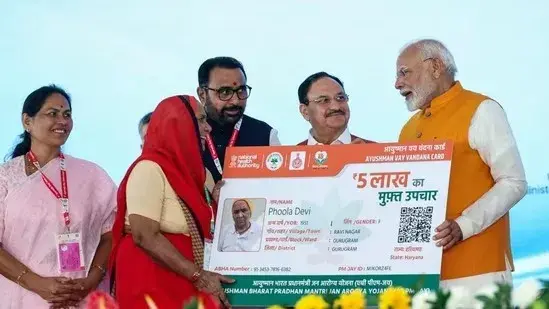
Prime Minister Narendra Modi has announced an expansion of the Ayushman Bharat Pradhan Mantri Jan Arogya Yojana (PM-JAY), now offering health coverage for all senior citizens aged 70 and above. Speaking at the All India Institute of Ayurveda, he noted that this initiative, alongside several other healthcare projects worth ₹12,850 crore, aims to make quality healthcare universally accessible for seniors, regardless of income. During the event, Modi distributed Ayushman Vaya Vandana Cards to new beneficiaries, highlighting the scheme’s universal reach. Modi criticized Delhi and West Bengal for not implementing Ayushman Bharat, describing it as a “political” decision that denies the elderly access to free treatment. Delhi CM Arvind Kejriwal countered by urging the PM to consider Delhi’s own comprehensive healthcare model, while West Bengal’s TMC defended its Swasthya Sathi scheme. Focus on Digital Health and Ayurveda Modi launched the U-WIN platform, following the success of Co-WIN during the pandemic, aimed at creating a comprehensive digital health interface for India. He also highlighted the government’s emphasis on integrating Ayurveda with modern healthcare, inaugurating the second phase of the All India Institute of Ayurveda on Dhanvantari Jayanti. This expansion aligns with the government’s health policy priorities: preventive care, early diagnosis, affordable treatment, accessible healthcare, and digitalization. Commitment to Affordable Healthcare In addition to expanding Ayushman Bharat, the PM praised the 14,000 Jan Aushadhi Kendras, which offer medicines at 80% discount, estimating a collective saving of ₹30,000 crore for low- and middle-income families. He emphasized the need for scientific validation of traditional herbs, such as ashwagandha, citing its growing demand in international markets. Progress in Medical Education Highlighting unprecedented advancements in India’s healthcare infrastructure, Modi stated that over the past decade, nearly 100,000 new MBBS and MD seats were created, along with numerous new AIIMS and medical colleges. He stressed that this growth contrasts sharply with limited achievements in prior decades, emphasizing the government’s commitment to creating a holistic health system. Source: Hindustan Times

PM Modi Expands Ayushman Bharat Health Coverage for Seniors, Criticizes Non-Participating States Read More »

Iran’s Imprisoned Nobel Laureate Narges Mohammadi Hospitalised Amid Severe Health Concerns

Imprisoned Nobel Peace Prize laureate Narges Mohammadi has been transferred to a hospital after enduring nearly nine weeks of illness, according to the Free Narges Coalition. The activist, who is serving a sentence in Iran’s infamous Evin Prison—known for detaining political prisoners and those with Western affiliations—faces severe health complications following prolonged neglect. The Free Narges Coalition released a statement on Sunday, urging Iranian authorities to grant Mohammadi a medical furlough, emphasizing that a single hospital transfer will not suffice to treat her deteriorating health. The activist reportedly suffers from heart disease, with recent medical assessments indicating that her primary artery has developed a significant complication. Mohammadi, 52, has consistently advocated for human rights despite facing multiple arrests and lengthy sentences by Iranian authorities. Initially serving a 30-month sentence, her imprisonment was extended by an additional 15 months earlier this year. This past Saturday, Iranian officials imposed a further six-month sentence after Mohammadi protested the August execution of another political prisoner within Evin’s women’s ward. As the 19th woman and second Iranian to receive the Nobel Peace Prize—following Shirin Ebadi in 2003—Mohammadi’s recognition underscores her courage and unrelenting commitment to human rights. Her supporters continue to call for her unconditional release, highlighting the urgent need for unrestricted medical care to address her pressing health issues. The global outcry continues to mount as Mohammadi’s health deteriorates, with international activists and rights organizations pressing Iranian authorities to take immediate action for her medical needs and overall release from detention. Source: Indian Express

Iran’s Imprisoned Nobel Laureate Narges Mohammadi Hospitalised Amid Severe Health Concerns Read More »

Ayushman Bharat Scheme to Cover Senior Citizens Aged 70+ Regardless of Income Starting Next Week

The enrollment process for senior citizens aged 70 and above under the Ayushman Bharat Pradhan Mantri Jan Arogya Yojana (AB-PMJAY) is set to commence next week, extending comprehensive health coverage to this age group irrespective of income. Prime Minister Narendra Modi is expected to inaugurate this significant initiative on Tuesday, alongside other health projects, including the launch of the UWIN app. The UWIN app, a new platform developed by the government, is designed to record every vaccination event for pregnant women and children as part of the Universal Immunisation Programme (UIP). By streamlining immunization data and appointment scheduling, the app is expected to enhance healthcare access and coordination across India. Last month, the government approved a policy to provide health coverage up to Rs 5 lakh annually on a family basis for senior citizens aged 70 and above under the AB-PMJAY scheme. Pilot projects conducted in various regions of India have assessed the scheme’s readiness for full implementation, with a positive response reported by officials. The inclusion of this age group under the Ayushman Bharat umbrella is expected to reduce out-of-pocket healthcare expenses for senior citizens, who are often at higher risk of requiring medical intervention. According to officials, the UWIN app will also serve as a tool to schedule healthcare appointments for seniors, ensuring more accessible and efficient services. This move aligns with India’s continued efforts to provide universal healthcare access to vulnerable sections of society, marking another milestone in the country’s health infrastructure expansion. Source: Times of India

Ayushman Bharat Scheme to Cover Senior Citizens Aged 70+ Regardless of Income Starting Next Week Read More »

Ministry of Ayush to Celebrate 9th Ayurveda Day with Focus on Global Health Innovations

ArdorComm news

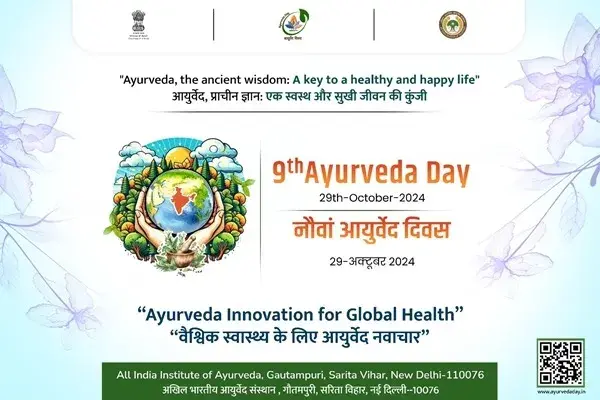
The Ministry of Ayush is set to celebrate the 9th Ayurveda Day on October 29 at the All India Institute of Ayurveda (AIIA) in New Delhi. This year’s theme, Ayurveda Innovations for Global Health, highlights the expanding role of Ayurveda in addressing global health challenges. The event is expected to draw participation from over 150 countries, reflecting Ayurveda’s growing international recognition. Minister of State for Ayush, Prataprao Jadhav, emphasized the significance of Ayurveda Day as a global movement. He noted that this year’s theme underscores the contributions of Ayurveda to global health advancements. The government aims to promote Ayurveda as a robust medical system worldwide, benefiting public health across borders. In discussing the Ministry’s recent initiatives, Jadhav pointed to efforts to make Ayurveda knowledge more accessible to the public through digital platforms under the Ayush Grid. This includes innovative programs such as the Ayurgyan Scheme, the Ayush Research Portal, and the Namaste Portal. He further highlighted that Ayurveda is currently recognized in 24 countries, with Ayurveda products being exported to over 100 nations. The celebration of Ayurveda Day demonstrates the Ministry’s commitment to advancing traditional medicine in a modern context, while promoting holistic well-being and health innovation on a global scale. Source: newsonair. gov

Ministry of Ayush to Celebrate 9th Ayurveda Day with Focus on Global Health Innovations Read More »

Singapore’s Ministry of Health Commits SG$200 Million to AI-Driven Healthcare Innovations

Health news

The Singaporean Ministry of Health (MOH) has announced a significant investment of SG$200 million (approximately $150 million) over the next five years to enhance the implementation of AI technologies across the country’s healthcare system. This financial boost is part of the MOH Health Innovation Fund, aimed at advancing technological innovations and expanding AI integration into system-wide, national projects. Key Initiatives Supported by the Investment: Generative AI for Record Automation: A major focus of the funding will be a generative AI project designed to automate the updating of medical records. The MOH plans to roll out this project across the public healthcare system by the end of 2025, with the goal of streamlining administrative tasks such as documentation and the summarisation of medical records. AI in Medical Imaging: The MOH will also invest in medical imaging AI for early detection of breast cancer. This technology, currently undergoing validation, is expected to be adopted as part of a national subsidised screening programme by the end of 2025. The initiative will enhance early detection and diagnosis through advanced AI-assisted imaging tools. Broader Trends in Singapore’s AI-Driven Healthcare: Singapore’s healthcare system has been making strides in integrating AI and generative AI (genAI) technologies, backed by the government. The national health tech agency Synapxe has expanded its partnership with Microsoft, working on projects like Secure GPT for Healthcare Professionals, which develops large language models (LLMs) for healthcare applications. The National University Health System (NUHS) has also developed RUSSELL-GPT, an AI chatbot that summarises patient case notes and generates referral letters. Additionally, Singapore General Hospital is exploring genAI use in pre-surgery assessments, and hospitals under SingHealth have adopted chest X-ray analysis AI through AimSG, a national radiology AI platform. The platform, launched last year, allows hospitals to integrate validated AI tools into their workflows. Genetic Testing Programme: The MOH also announced plans to launch a national genetic testing programme by mid-2025, with a focus on Familial Hypercholesterolemia, a genetic condition affecting cholesterol levels. This marks another step towards incorporating advanced technology into personalised healthcare. Strengthening AI Governance: As AI becomes more central to Singapore’s healthcare system, the MOH is committed to improving national governance for AI use in healthcare. The ministry emphasized the need to balance innovation with safety, ensuring that new AI solutions are implemented securely and deliver safe care to patients. Conclusion: Singapore’s investment in AI-driven healthcare innovations demonstrates its forward-thinking approach to enhancing healthcare delivery. With a focus on automation, early detection, and improving overall patient care Source: Business Standard

Singapore’s Ministry of Health Commits SG$200 Million to AI-Driven Healthcare Innovations Read More »

Breast Cancer on the Rise: New Data Reveals Critical Health Crisis for Indian Women

ArdorComm news

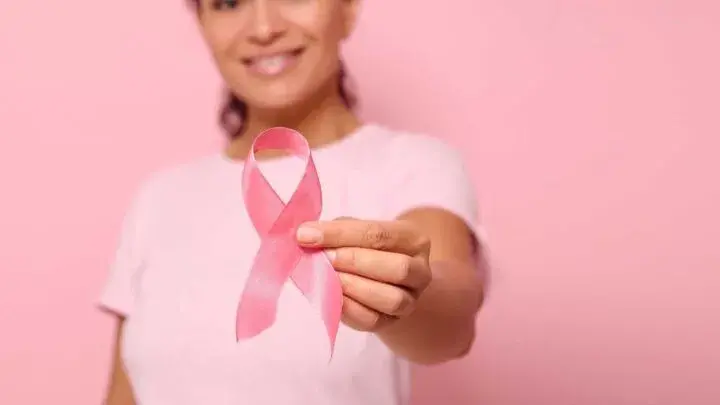
Breast cancer is rapidly emerging as a major health crisis for women in India, with alarming new data revealing its widespread impact. According to a report by diagnostics firm Healthians, 16% of women aged 55-64 tested over the past three years are currently battling breast cancer. As Breast Cancer Awareness Month unfolds, these findings shed light on the hidden struggles faced by thousands of women nationwide, with Rajasthan identified as a significant hotspot—30% of women in this age group in the state are diagnosed with the disease. The report highlights troubling statistics from other states as well, such as Uttar Pradesh, Bihar, and Jharkhand, where 22% of women in the same age group are affected. These numbers underscore the urgent need for better access to early detection methods, improved treatment options, and enhanced awareness about breast cancer prevention. Dr. Sonal Saxena, a senior pathologist at Healthians, stresses the importance of vigilance: “Breast cancer is a significant health issue for older women. Symptoms like breast lumps, changes in shape or size, and skin dimpling should never be ignored. Regular screenings, especially mammograms, are critical for early detection, particularly in high-risk women over 55.” The rise in breast cancer cases has been linked to various factors, including late pregnancies, family history, hormonal changes, and lifestyle habits like smoking and stress. Raising awareness and promoting regular screenings are crucial steps in combating this growing health crisis. Deepak Sahni, founder of Healthians, also emphasized the urgency of early intervention: “Breast cancer rates are climbing, and we must act now. Early screenings and timely treatment save lives. At Healthians, we encourage preventive care and regular check-ups, particularly for women at higher risk.” The report highlights regional disparities, with Rajasthan leading at 30%, followed by Uttar Pradesh, Bihar, and Jharkhand (22%), West Bengal (19%), Karnataka (5%), and Maharashtra (8%). The data underscores the need for a coordinated national response to this growing health challenge. Source: Business Standard

Breast Cancer on the Rise: New Data Reveals Critical Health Crisis for Indian Women Read More »

India Became ‘Pharmacy of the World’ During Covid-19: JP Nadda

ArdorComm news

Union Minister of Health and Family Welfare, JP Nadda, hailed India as the ‘Pharmacy of the World’ on Monday while emphasizing the country’s significant contributions to global healthcare during the Covid-19 pandemic. Nadda was speaking at the 19th International Conference of Drug Regulatory Authorities (ICDRA) in New Delhi, where leaders from over 120 countries gathered to discuss regulatory practices and collaborative solutions to enhance global healthcare standards. “This prestigious platform [19th ICDRA] reflects our shared commitment to enhancing global healthcare standards and safeguarding public health,” Nadda said. He highlighted India’s pivotal role in addressing global health challenges through innovation, resilience, and collaboration. India’s Covid-19 Response: Vaccine Production and Global Impact Nadda elaborated on India’s rapid response during the pandemic, particularly its ability to ramp up vaccine production to meet both domestic and international needs. “During the unprecedented Covid-19 pandemic, India emerged not only as a global leader in health resilience and innovation but also reaffirmed its role as the pharmacy of the world,” he said. India’s extensive vaccination campaign, which successfully inoculated over a billion people, was described as a major milestone. Nadda credited healthcare workers and government initiatives for ensuring affordable access to essential medicines, vaccines, and medical supplies for nations around the globe. He also underscored India’s assistance to over 150 countries during the pandemic, driven by the ethos of “Vasudhaiva Kutumbakam,” the ancient Indian philosophy that emphasizes “the world is one family.” Cross-Border Collaboration and Regulatory Advancements Nadda emphasized that cross-border collaboration is essential for addressing global healthcare challenges. “The theme of this conference resonates deeply with our core belief that collaboration across borders, sectors, and disciplines is essential for creating lasting health solutions,” he stated. He also outlined India’s efforts to modernize its regulatory framework, highlighting the establishment of eight operational drug testing laboratories, with two more in the pipeline. Furthermore, eight mini testing labs have been set up at various ports to expedite the testing of imported materials. Over 95 percent of regulatory processes in India have been digitized, and the country’s medical device industry is now under regulation. With India’s healthcare system playing a crucial role in ensuring affordable access to medical supplies and vaccines during the pandemic, Nadda emphasized the importance of continued innovation and global cooperation to build a healthier, more resilient world. Source: Business Standard

India Became ‘Pharmacy of the World’ During Covid-19: JP Nadda Read More »

Education Ministry Hosts National Workshop on Mental Health and Cyber Security

ArdorComm news

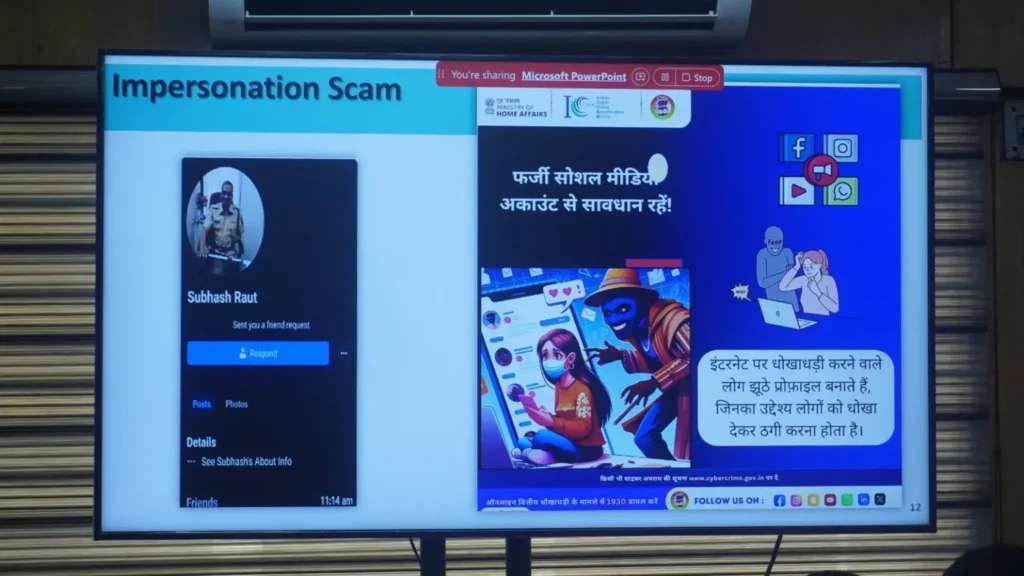
The Education Ministry marked World Mental Health Day by organizing a national online workshop on mental health and cyber security. Dr. Rajesh Sagar, a professor in the Psychiatry Department at AIIMS, New Delhi, highlighted pressing mental health concerns like stress, anxiety, and depression, noting that half of mental health disorders manifest before the age of 14. He discussed key stressors affecting young people, such as academic pressure, family conflicts, and bullying, offering coping strategies like deep breathing and cognitive restructuring to promote mental well-being. In a session on cyber security, Dr. Rashmi Sharma Yadav, Deputy Commissioner of Police at the Indian Cyber Crime Coordination Centre, emphasized the need for cyber hygiene and safety among children. She addressed the dangers of cyberbullying, grooming, and fraudulent online gaming, advising students to use helpline 1930 for reporting cyber fraud. Dr. Yadav urged responsible internet use and parental involvement to ensure the protection of personal information online. The workshop also focused on empowering educators and parents with the knowledge to support children’s mental health and online safety. Experts encouraged schools to integrate mental health education and digital literacy into their curriculums, fostering an environment where students feel supported both emotionally and digitally in an increasingly connected world. Source: Business Standard

Education Ministry Hosts National Workshop on Mental Health and Cyber Security Read More »

Melinda French Gates Launches $250 Million Initiative to Address Global Women’s Health Crisis

ArdorComm news

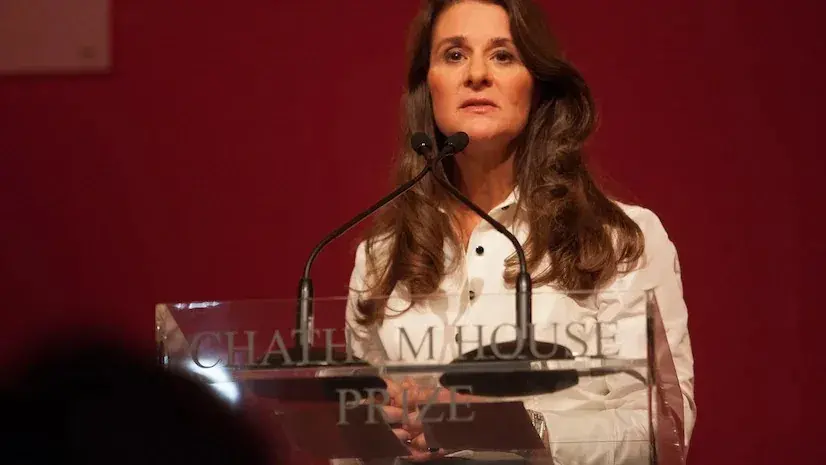
Melinda French Gates has unveiled a $250 million global initiative aimed at tackling critical issues in women’s health, including maternal mortality, malnutrition, and access to reproductive healthcare. The initiative, called Action for Women’s Health, seeks to provide funding to organizations addressing these challenges, particularly in underserved communities. The announcement comes amid growing concerns over rising maternal deaths and healthcare deserts, especially following the U.S. Supreme Court’s decision to overturn Roe v Wade in 2022. In an interview with The Guardian, French Gates expressed alarm over the healthcare disparities faced by women worldwide. “More than 700 women die from childbirth every day, and over one billion women and girls suffer from malnutrition. These numbers are unacceptable,” she said. The new initiative invites women’s health-focused organizations globally to apply for grants of up to $5 million to help scale their efforts. French Gates emphasized the urgency of addressing these issues, especially with the upcoming U.S. elections, which she described as pivotal for women’s rights. “There is so much at stake for women and families in this election, and we need a leader who will fight for women’s rights, especially their access to reproductive care,” she stated, publicly endorsing U.S. Vice President Kamala Harris. This initiative is part of a broader $1 billion commitment from French Gates over the next two years to support women’s health and rights globally. She has called on community-driven organizations with proven track records to apply for funding, stressing that women’s health is foundational to the well-being of society as a whole. Source: Business Standard

Melinda French Gates Launches $250 Million Initiative to Address Global Women’s Health Crisis Read More »

50 Senior Doctors Resign from RG Kar Medical College Amid Protests Over Trainee Doctor’s Death

ArdorComm news

In a dramatic escalation of protests at RG Kar Medical College and Hospital, 50 senior doctors resigned on Tuesday, October 8, in solidarity with junior doctors who have been on hunger strike since Saturday. The protests were sparked by the alleged rape and murder of a trainee doctor, which has led to widespread unrest within the medical community. Social media posts and videos shared by hospital staff show senior doctors walking out to applause from students and colleagues. One doctor posted a video of the resignation walkout with a poignant message: “Safety in the workplace is basic. If you can’t ensure that, you have no right to demand services from doctors.” The protest has garnered significant attention, as doctors demand justice for their deceased colleague and call for systemic reforms at the hospital. Earlier in the day, 15 senior doctors had joined their junior counterparts in a symbolic hunger strike, further highlighting the growing frustration with the administration’s inaction. The junior doctors, who have been protesting for several days, are calling for improved security measures, increased staffing, and better working conditions at the hospital. They describe the current situation as being plagued by a “corruption-threat syndicate” and are demanding a safer, more transparent healthcare environment. Among their key demands are the implementation of a centralized hospital referral system, real-time monitoring of bed availability, and stronger security measures, including permanent female officers on campus. The mass resignation of senior doctors reflects the rising tension at RG Kar Medical College, with many doctors expressing disappointment in the lack of response from authorities. In a joint statement, the medical staff expressed their frustration: “There has been no response from the appropriate authority to solve and save our children from an impending health disaster.” Source: Business Standard

50 Senior Doctors Resign from RG Kar Medical College Amid Protests Over Trainee Doctor’s Death Read More »