ArdorComm Media Group

Thursday, April 2, 2026 6:02 PM

Health & Wellness Community

Study Reveals Adverse Effects of Bharat Biotech’s Covaxin Vaccine
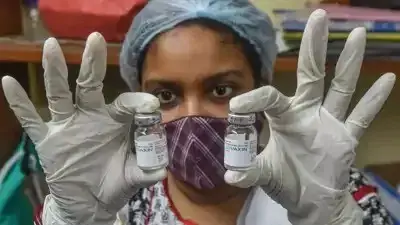
A study conducted by researchers at BHU examining the long-term effects of Bharat Biotech’s Covaxin vaccine revealed concerning findings. Out of 926 participants examined, nearly one-third reported adverse events of special interest (AESI), with viral upper respiratory tract infections being the most common complaint. Serious AESI such as stroke and Guillain-Barre syndrome were reported in one percent of individuals. The study, conducted from January 2022 to August 2023, involved 635 adolescents and 291 adults who received the Covaxin vaccine. Common AESI observed in adolescents included skin and subcutaneous disorders, general disorders, and nervous system disorders. In adults, general disorders, musculoskeletal disorders, and nervous system disorders were prevalent. The study highlighted that certain demographics faced higher risks of persistent AESIs. Females, adolescents with pre-vaccination Covid-19, people with underlying health conditions, and those who developed typhoid after vaccination had significantly higher odds of experiencing persistent AESIs. Moreover, adults with pre-existing health conditions had more than double the odds of experiencing AESIs and persistent AESIs, according to the study. Additionally, adults who received three doses of the vaccine and those who received only one dose had higher risks of AESIs compared to those who received two doses of Covaxin. These findings underscore the importance of continued monitoring and assessment of vaccine safety, particularly regarding long-term effects. Further research is needed to better understand the underlying mechanisms and risk factors associated with adverse events following Covaxin vaccination.

Study Reveals Adverse Effects of Bharat Biotech’s Covaxin Vaccine Read More »

Saudi Arabia Reports Three New MERS Cases, Highlighting Risks and Differences from COVID-19

The Saudi health ministry has notified the World Health Organization (WHO) of three new Middle East Respiratory Syndrome (MERS) coronavirus cases in Riyadh, Saudi Arabia. Sadly, one of these cases resulted in death. All three individuals were male, aged between 56 and 60, with pre-existing health conditions. None of them were healthcare workers. This brings the total number of MERS cases reported in Saudi Arabia in 2024 to four, with two fatalities. Dr. Syed Abdul Aleem, a Pulmonology Consultant at CARE Hospitals in Musheerabad, Hyderabad, explains that MERS-CoV is a viral respiratory illness caused by the MERS strain of coronavirus. Unlike COVID-19, MERS tends to be more severe with a higher mortality rate but is less contagious. It is primarily transmitted from camels to humans, with limited human-to-human transmission. Risk factors for MERS-CoV include close contact with camels or living in endemic regions, along with underlying medical conditions such as diabetes or chronic lung disease. Symptoms are similar to COVID-19, including fever, cough, and shortness of breath, but MERS can progress to severe respiratory illness, leading to pneumonia and acute respiratory distress syndrome (ARDS). Some individuals may also experience gastrointestinal symptoms like diarrhea. Management involves supportive care, with severe cases requiring hospitalization and supportive measures like supplemental oxygen therapy and mechanical ventilation. There is no specific antiviral treatment for MERS, but prevention measures include avoiding close contact with camels, practicing good hand hygiene, and avoiding contact with sick individuals. This highlights the importance of understanding the differences between MERS and COVID-19 and taking appropriate precautions to prevent transmission and manage cases effectively.  

Saudi Arabia Reports Three New MERS Cases, Highlighting Risks and Differences from COVID-19 Read More »

ICMR Releases Dietary Guidelines, Links 56% of Diseases in India to Diet

The Indian Council of Medical Research (ICMR) has released 17 dietary guidelines aimed at meeting essential nutrient requirements and preventing non-communicable diseases (NCDs) like obesity and diabetes. According to the National Institute of Nutrition (NIN), estimates suggest that 56.4% of the total disease burden in India is attributable to unhealthy diets. The guidelines emphasize the importance of healthy diets and physical activity in reducing the risk of coronary heart disease (CHD), hypertension (HTN), and type 2 diabetes. They recommend measures such as restricting salt intake, moderating the use of oils and fats, engaging in regular exercise, and minimizing consumption of sugar and ultra-processed foods. Dr. Hemalatha R, Director of ICMR-NIN, led a multi-disciplinary committee of experts in drafting the guidelines, which underwent scientific review. The aim is to promote informed and healthy food choices, encourage adoption of a healthy lifestyle, and address issues related to malnutrition. Dr. Rajiv Bahl, Director General of ICMR, highlighted the relevance of the guidelines in addressing the changing food landscape in India. He emphasized the importance of promoting holistic nutrition and health while tackling the prevalence of non-communicable diseases. The guidelines advocate for a balanced diet that includes a variety of foods, limiting cereals to 45% of total calories, and incorporating pulses, beans, meat, nuts, vegetables, fruits, and milk for essential nutrients. The NIN underscores the need to address the limited availability and high cost of certain food items, which can lead to inadequate intake of essential macronutrients and micronutrients, increasing the risk of metabolic disorders from a young age.  

ICMR Releases Dietary Guidelines, Links 56% of Diseases in India to Diet Read More »

Swine Flu Outbreak in Assam: Symptoms and Precautions

Following reports of swine flu infections in Assam’s Barak Valley, health authorities are on high alert, deploying frontline workers to assess the extent of the outbreak. The outbreak has led to several cases of infections, with one reported fatality in Hailakandi district. Dr. Subrata Das, Head of Internal Medicine and Diabetology at Sakra World Hospital in Bengaluru, highlighted the symptoms associated with swine flu, which closely resemble those of the common flu. These symptoms include fever, sore throat, cough, runny or stuffy nose, headache, fatigue, nausea, vomiting, and diarrhea. In severe cases, patients may experience breathlessness and complications such as pneumonia and low oxygen levels. Dr. Das emphasized that precautions against swine flu mirror those recommended for COVID-19. These precautions include wearing masks, practicing frequent hand washing, disinfecting surfaces, and maintaining overall hygiene. Additionally, individuals are advised to cover their nose and mouth when sneezing or coughing, avoid touching their face, and stay away from sick individuals. If feeling unwell, it’s crucial to stay home to prevent further spread of the virus. Highlighting the importance of vaccination, Dr. Das recommended that adults receive the annual flu vaccine, which provides protection against severe complications of flu, including swine flu. Swine flu, caused by the H1N1 strain of the influenza virus, is highly contagious and spreads rapidly among humans. To mitigate the risk of infection, individuals are advised to stay informed about credible medical information, practice proper respiratory hygiene, maintain hand hygiene, avoid close contact with sick individuals, and seek isolation if experiencing symptoms. Key Precautions to Avoid Swine Flu (H1N1): Stay informed about credible medical information regarding infectious diseases. Cover nose and mouth when coughing or sneezing, and dispose of tissues safely. Practice frequent handwashing with soap and water or use hand sanitizers. Avoid close contact with sick individuals. Isolate oneself to prevent the spread of the virus to others. Ensure to receive an annual influenza vaccine to reduce the risk and severity of swine flu infections. Taking these precautions can significantly reduce the risk of swine flu infection and contribute to public health safety during outbreaks.  

Swine Flu Outbreak in Assam: Symptoms and Precautions Read More »

Centre Considers Lowering GST to 12% for Health Insurance Premiums, Aiming to Expand Coverage

The Centre is contemplating a reduction in the Goods and Services Tax (GST) rate on health insurance premiums from the current 18% to 12%, particularly for premiums up to Rs 30,000. This move aims to make health insurance more affordable and accessible, potentially widening coverage across the population. Currently, with the prevailing market rates, a health insurance premium of up to Rs 30,000 could secure coverage of approximately Rs 10 lakh per annum for a family of four members. The proposed reduction in the GST tax rate could result in decreased premium rates or the introduction of additional health coverage options tailored to the needs of individuals and families. An official stated that this proposal, among others, is pending and may be discussed in the GST Council following the general elections. The initiative aligns with the recommendations of the Parliamentary Standing Committee on Finance, chaired by BJP MP Jayant Sinha, which emphasized the need to rationalize the GST rate on insurance products, especially health and term insurance. The committee suggested lowering GST rates on health insurance products, particularly for retail policies targeting senior citizens and microinsurance policies, along with term policies. Since the implementation of GST, individuals purchasing health insurance policies have been subject to an 18% GST rate, marking a 3% increase compared to the previous Service Tax rate of 15%, including applicable cess. Furthermore, the report underscores the importance of extending health coverage to vulnerable populations, as highlighted by the Niti Aayog’s recommendation to extend the Ayushman Bharat-Pradhan Mantri Jan Arogya Yojana (PMJAY) scheme to the ‘missing middle’ on a paid basis. PMJAY currently provides free health coverage of up to Rs 5 lakh per year to 107 million economically disadvantaged households, constituting 40% of the population. The potential reduction in GST on health insurance premiums reflects a broader effort to enhance healthcare accessibility and affordability, aiming to mitigate financial risks associated with medical expenses and promote comprehensive health coverage across India’s diverse population.

Centre Considers Lowering GST to 12% for Health Insurance Premiums, Aiming to Expand Coverage Read More »

IRDAI Removes Age Limit for Health Insurance, Enhancing Coverage and Accessibility

News on Health

The Insurance Regulatory and Development Authority of India (IRDAI) has taken a significant step towards enhancing healthcare accessibility and coverage by eliminating the age limit of 65 years for individuals purchasing health insurance policies. This move aims to foster a more inclusive healthcare ecosystem and provide comprehensive protection against unforeseen medical expenses. Key Points: Removal of Age Limit: Previously, individuals were restricted from purchasing new health insurance policies after the age of 65. However, the recent amendment, effective from April 1, allows individuals of any age to buy new health insurance policies. Inclusive Product Offerings: IRDAI mandates insurers to offer health insurance products catering to all age groups. Insurers are encouraged to design specific products tailored for senior citizens, students, children, maternity, and other specified groups. Coverage for Pre-Existing Conditions: Insurance companies are now required to provide coverage for individuals with pre-existing medical conditions, such as cancer, heart or kidney failure, and AIDS. Denial of coverage based on pre-existing conditions is prohibited. Flexible Premium Payment: Insurers are permitted to offer premium payment options in instalments, enhancing convenience for policyholders. AYUSH Treatment Coverage: There is no limit on coverage for treatments under Ayurveda, Yoga, Naturopathy, Unani, Siddha, and Homeopathy. Such treatments will receive coverage up to the sum insured without any cap. Multiple Claims Filing: Policyholders with benefit-based policies can file multiple claims with various insurers, providing flexibility and choice. Specialised Channel for Senior Citizens: The regulation establishes a specialised channel to handle complaints and claims of senior citizens, ensuring a tailored and responsive approach to their requirements. The removal of age restrictions and the introduction of comprehensive coverage for pre-existing conditions signify a significant step towards enhancing healthcare access and protection for individuals across all age groups in India.  

IRDAI Removes Age Limit for Health Insurance, Enhancing Coverage and Accessibility Read More »

Max Health Shares Dip 4% as NSE Refuses Fine Waiver for Flouting Board Norms

News on health

Max Healthcare Institute Ltd faced a setback in its stock value as shares dipped by 4.4% to Rs 782 per share in Thursday’s intraday trading. This decline followed the National Stock Exchange’s decision not to waive off a fine amounting to Rs 2,36,000 imposed on the hospital chain. The refusal by NSE to grant the waiver came after Max Healthcare’s request for leniency regarding a fine imposed last year in November. The fine was levied for non-compliance with the board composition requirements outlined under regulation 17(1) of the SEBI Regulations, 2015. Despite this setback, Max Healthcare is continuing its growth trajectory with a significant investment plan. The company is gearing up to invest Rs 2500 crore in developing hospitals in Lucknow, with a particular focus on expanding its footprint in Uttar Pradesh. Max Healthcare had earlier acquired the 550-bed Sahara Hospital in Lucknow for Rs 940 crore, a move aimed at solidifying its position as a key player in the private healthcare sector in the state. The investment plan includes doubling the group’s capacity by adding 4,200 beds over the next four to five years, representing an investment of over Rs 5,000 crore. This expansion initiative aligns with Max Healthcare’s vision to enhance its presence and service offerings in the region. The acquisition of Sahara Hospital, now renamed Max Super Specialty Hospital, marks the beginning of Max Healthcare’s strategic expansion plans. The hospital, situated in Gomti Nagar, Lucknow, boasts 285 operational beds and occupies a 27-acre land area. Despite the recent stock price dip, Max Healthcare remains a significant player in the healthcare sector, managing 17 hospitals with over 3,500 beds and employing more than 4,800 clinicians across various locations including the Delhi National Capital Region, Mohali, Bathinda, Dehradun, and Mumbai. At 11:48 AM, Max Healthcare was trading 3.40% lower at Rs 790.20 per share. The stock has shown resilience over the past month, gaining 8.12%, and has demonstrated strong growth, rallying 36.66% over the last six months. Currently, it trades at a price-to-earnings multiple of 138.88.  

Max Health Shares Dip 4% as NSE Refuses Fine Waiver for Flouting Board Norms Read More »

Government Advisory May Impact Sales of Health Food Drinks, Including Bournvita

The recent advisory issued by the Centre to e-commerce platforms, directing them to remove the label of ‘health drinks’ from certain popular brands like Bournvita, could have a significant impact on the sales of health food drinks in India. Market experts suggest that this move might affect the broader category, which has already been experiencing a slowdown due to high input costs. The advisory, issued by the commerce and industry ministry’s department for promotion of industry and internal trade (DPIIT), highlighted the lack of standards and definition of ‘health drinks’ under India’s food laws. It follows a notice by the Food Safety and Standards Authority of India (FSSAI) earlier in April, urging e-commerce platforms to ensure appropriate categorization of products sold under the health and energy drinks category. While health food drinks in India have been marketed primarily as malt-based milk drinks offering some nutritional benefits, companies use various tags to promote their products. However, the term ‘health drink’ lacks a standardized definition under the FSSAI rules or regulations. Market experts anticipate that this advisory could lead to a temporary slowdown in the stocking of such brands, particularly in tier-I markets. However, companies may focus on expanding their presence in tier-II and rural markets to mitigate the impact. Analysts believe that while the advisory might affect sales in the short term, consumers generally purchase these products based on their preferred brands rather than the category label. Additionally, sales volumes in this category have already been sluggish due to price hikes. Overall, the move aims to address concerns related to high sugar content and misleading health claims, particularly those targeting children. It underscores the need for regulatory measures to ensure consumer safety and transparency in product labeling and marketing. Despite the potential impact on sales, companies are yet to respond to queries regarding the advisory, reflecting the evolving dynamics in the health food drinks market and the regulatory landscape.

Government Advisory May Impact Sales of Health Food Drinks, Including Bournvita Read More »

The Interconnection Between Climate Change and Immune Health: A Growing Concern

As the global community grapples with the multifaceted challenges of climate change, a concerning trend has emerged: a rise in immune-mediated diseases. From nasal allergies to rheumatoid arthritis to cancer, diseases linked to immune dysregulation are on the ascent, and climate change appears to be a contributing factor. A recent study led by Harvard T.H. Chan School of Public Health sheds light on this critical issue, highlighting the profound implications of climate-driven stressors on human health. The study, published in Frontiers in Science and co-authored by Kari Nadeau, a leading expert in climate and population studies, underscores the intricate interplay between environmental factors and immune health. Climate-driven stressors, such as wildfires, extreme weather events, and changes in agricultural practices, are triggering immune dysregulation, thereby exacerbating the prevalence of immune-mediated diseases. Nadeau’s research elucidates the mechanisms through which climate change impacts immune health. For instance, pollutants from wildfires and heightened pollen levels due to warmer temperatures can compromise the body’s defense mechanisms, leaving individuals more susceptible to infections and allergic reactions. Moreover, disruptions in food production and nutrient depletion resulting from climate-related events contribute to malnutrition, impairing immune system function and exacerbating the risk of disease. Of particular concern is the role of persistent inflammation induced by climate-related stressors in driving immune-mediated diseases, including cancer. As temperatures rise and extreme weather events become more frequent, the prevalence of chronic inflammation poses a significant public health challenge, necessitating urgent action to mitigate its impact. To address the global rise in immune-mediated diseases, Nadeau advocates for a multifaceted approach. This includes implementing policies to curb greenhouse gas emissions, promoting sustainable agricultural practices, and investing in research to better understand the complex interactions between climate change and immune health. Additionally, she underscores the importance of public awareness and education, urging scientists, clinicians, policymakers, and the media to communicate the tangible health consequences of climate change to the general public. The study by Harvard T.H. Chan School of Public Health highlights the pressing need to address the intersection of climate change and immune health. By recognizing the profound impact of environmental factors on human well-being, we can galvanize collective action to safeguard public health in the face of a changing climate. As we strive to build a more resilient and sustainable future, prioritizing the protection of immune health must remain a central tenet of our global health agenda.

The Interconnection Between Climate Change and Immune Health: A Growing Concern Read More »

Delhi Government Warns of Adverse Mental Health Effects Due to Air Pollution, NGT Seeks Action

The Delhi government has alerted the National Green Tribunal (NGT) to the detrimental impact of air pollution on mental health, highlighting feelings of sadness, cognitive difficulties, and decreased resilience among individuals. Responding to NGT’s inquiry on the psychological consequences of declining air quality, the government emphasized the urgent need to analyze mental health effects. In its submission, the Delhi government referenced studies demonstrating the adverse effects of air pollution on mental well-being, especially among rural and economically vulnerable populations. Environmental pollutants, particularly air pollutants, have been linked to various mental health issues, including anxiety, mood changes, and psychotic disorders, according to the government’s report. The NGT bench, led by Justice Prakash Shrivastava, noted the Delhi government’s recommendations for addressing mental health challenges posed by air pollution. These include general measures such as physical activity and therapy, as well as specific interventions like psychiatric services provided by government hospitals. However, the NGT expressed concern over the lack of monitoring for certain air pollutants, including ammonia, lead, nickel arsenic, and Benzo(a)pyrene. The tribunal emphasized the need for comprehensive monitoring and urged the Central Pollution Control Board (CPCB) to provide additional data on these parameters. Furthermore, the NGT raised questions regarding the disbursement of environmental compensation (EC) funds for road construction by municipal authorities. Doubting the legitimacy of such expenditures, the tribunal directed the CPCB to submit a detailed report outlining the approval process for fund allocation, the utilization plan for environmental components, and the correlation between pollutants and human health. As air pollution continues to pose significant risks to public health, the NGT’s scrutiny underscores the imperative for proactive measures to safeguard mental well-being and mitigate environmental hazards.  

Delhi Government Warns of Adverse Mental Health Effects Due to Air Pollution, NGT Seeks Action Read More »