ArdorComm Media Group

Wednesday, August 20, 2025 6:11 AM

Health & Wellness Community

Covid vaccination pace has slowed down as most target beneficiaries covered: Govt

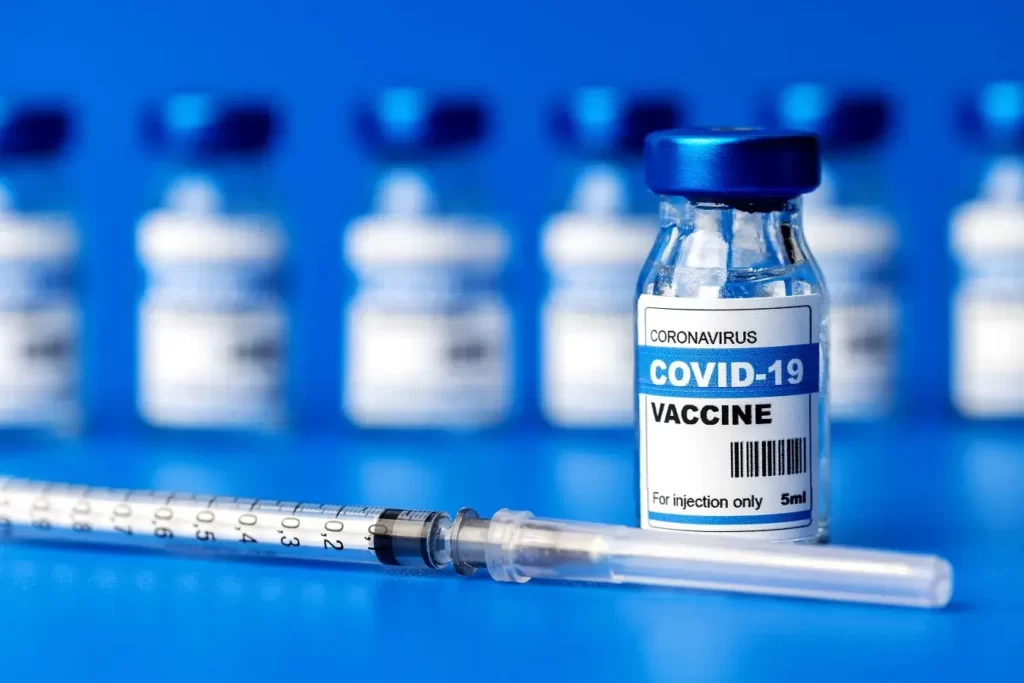
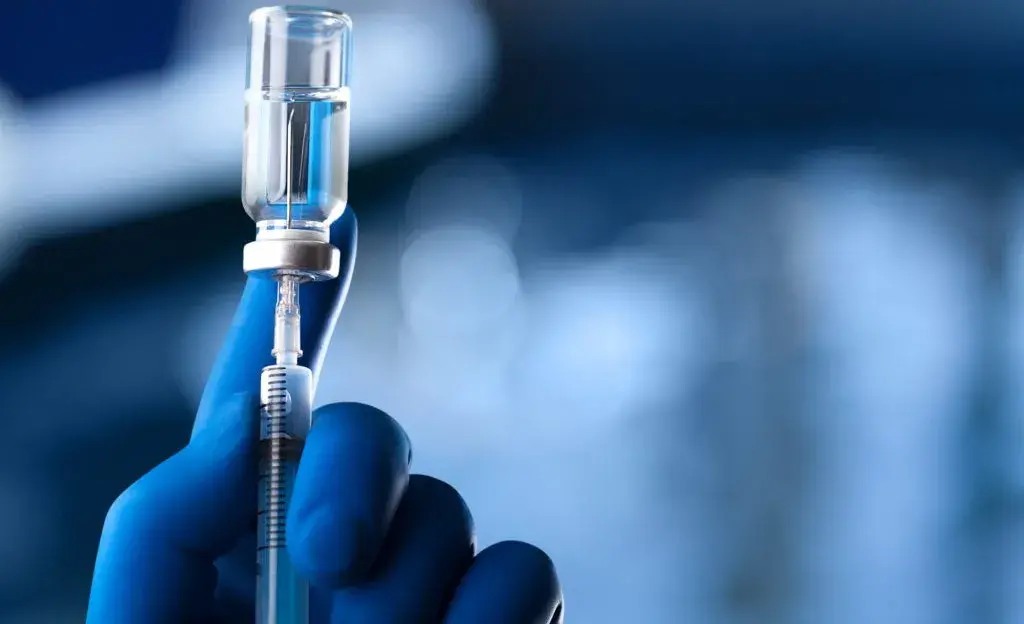
The first dose COVID-19 vaccination coverage of those aged 15 and up is currently 95.5 percent, while the second dose coverage is 80.6 percent, indicating that the vaccination pace has slowed because the majority of the target beneficiaries have already been vaccinated, the Centre told Parliament on Tuesday. Union Minister of State for Health Bharati Pravin Pawar said in a written response to a question in the Rajya Sabha about whether hospitals across the country have stocks of Covid vaccines that are about to expire in the near future, that the Centre closely monitors vaccine stocks and consumption in the states and union territories to ensure optimal use and minimal wastage. She said that vaccine supplies to the states are based on demand, and that sufficient vaccine doses are made available to the states to inoculate the remaining eligible beneficiaries with the first, second, and precaution doses. “The COVID-19 vaccine stock, which has not been utilised and nearing expiry, are usually taken up for redistribution by respective state government for their timely utilisation. States and UTs have also been advised to review programme coverage and vaccine wastage on a daily basis and redistribute the vaccine stock, if required, for their optimal utilisation even from private hospitals,” Pawar said. On whether lowering the 60-year-old cut-off for receiving booster doses is on the government’s plan, she noted that on March 16, the Centre expanded the precaution dose to all beneficiaries aged 60 and more, regardless of whether they had comorbidities or not. In response to a question about whether there has been a slowdown in vaccination across the country as the infection rate and number of cases have decreased, the minister stated that first-dose coverage of those aged 15 and above is 95.5 percent, and second-dose coverage is 80.6 percent, and “hence, the pace of vaccination has slowed down relatively as most of the target beneficiaries are already covered.” Source: PTI

Covid vaccination pace has slowed down as most target beneficiaries covered: Govt Read More »

Generic medicine sales under PMBJP at Rs 814 cr this fiscal so far; citizens saved Rs 4,800 cr: Govt

Chemicals and Fertilizers Minister Mansukh Mandaviya informed the Rajya Sabha that sales of affordable quality generic medicines under the Pradhan Mantri Bhartiya Janaushadhi Pariyojana (PMBJP) reached Rs 814.21 crore in the current fiscal, resulting in an estimated savings of about Rs 4,800 crore for citizens. The union minister said in a statement laid on the table of the Upper House that PMBJP was established with the goal of making quality generic medications accessible to all at affordable costs through dedicated outlets. Until February 28, 2022, roughly 8,689 Pradhan Mantri Bhartiya Janaushadhi Kendras (PMBJKs) had been opened under the plan, he noted, encompassing all districts of the country. “Total sales of Rs 814.21 crore were achieved during the current financial year (until February 28, 2022), which has resulted in an estimated savings of approximately Rs 4,800 crore to the citizens,” Mandaviya said, stressing that Jan Aushadhi medicines are 50-90 percent cheaper than market prices of branded medicines. “During the two years of COVID-19 pandemic, the PMBJP accomplished a sale of Rs 665.83 crore during the financial year 2020-21,” the minister wrote in response to another question, “which has resulted in savings of around Rs 4,000 crore to the citizens as opposed to branded medicines.” In response to another question, he said that the PMBJP’s product basket now includes 1,616 medicines and 250 surgical items that cover all major therapeutic groups, including cardiovascular, anticancers, anti-diabetics, anti-infectives, anti-allergic, gastro-intestinal medicines, and nutraceuticals, among others. The government is working to expand the range of generic drugs and surgical procedures available. He went on to say that it is a continual process that is based on feedback from numerous stakeholders as well as market demands. Mandaviya responded to another question by saying, “The government has set a target to have about 10,500 PMBJKs by March 2025 across the country. The target for the year 2022-23 is to have about 9,300 PMBJKs across the country.” Source: PTI  

Generic medicine sales under PMBJP at Rs 814 cr this fiscal so far; citizens saved Rs 4,800 cr: Govt Read More »

India Records 2,503 Fresh Cases of Covid-19 in last 24 hours

According to the Union Ministry of Health and Family Welfare on Monday, India continues to see a steep decline in the number of Covid-19 cases, with the country reporting 2,503 new infections in the last 24 hours, bringing the total number of Covid-19 cases to 42.99 million. India saw a sharp drop in Covid-19 deaths on Monday, with 27 deaths reported in the last 24 hours, bringing the total death toll to 515,877. The active caseload in the country now stands at 36, 168, and the daily positive rate in the country is 0.47 %, according to Health Ministry data. India’s current active caseload, at 36,168, is the lowest in 675 days, according to the Ministry of Health and Family Welfare. Meanwhile, the Union Ministry of Health and Family Welfare announced on Sunday that more than 17.42 crore Covid-19 vaccine doses had remained unused and are still available with the states and union territories. “More than 182.65 crore (1,82,65,14,930) vaccine doses have been provided to States/UTs so far through Govt. of India (free of cost channel) and through direct state procurement category. More than 17.42Cr (17,42,45,896) balance and unutilized Covid vaccine doses are still available with the States/UTs to be administered,” said the Ministry. On January 16, 2021, the nationwide Covid-19 vaccination programme began. The new phase of Covid-19 vaccine universalization began on June 21, 2021. More vaccines have been made available, and States and UTs have been given advance notice of vaccine availability, allowing them to plan ahead of time and streamlining the vaccine supply chain. The Union Government has been helping the States and UTs by providing them with free Covid vaccinations as part of the nationwide vaccination drive. The Union Government would acquire and supply (free of cost) to States and UTs 75 percent of the vaccines produced by vaccine manufacturers in the country in the new phase of the Covid-19 vaccination effort.

India Records 2,503 Fresh Cases of Covid-19 in last 24 hours Read More »

20 govt schools in Delhi will have health clinics to ensure mental and physical well-being.

The Delhi government set up 20 health clinics named Aam Aadmi School Clinics on Monday as part of a pilot project to focus on students’ emotional and physical wellness. The programme aims to provide healthcare to children in their respective Delhi schools. One of these health clinics was opened by Delhi Deputy Chief Minister Manish Sisodia at the Sarvodaya Kanya Vidyalaya in Moti Bagh. “These clinics will provide routine health check-ups as well as counselling to ensure the physical and mental well-being of the children,” he said at the inauguration. The clinics will be located in porta cabins on the campuses of the 20 institutions. Students will receive counselling, and the clinic’s doctors and personnel will focus on safeguarding the students’ mental health. One ‘School Health Clinic Assistant’ or nurse, one psychologist, and one multi-task worker will work in each clinic. A doctor will be assigned to each of the five clinics and will visit them once a week. Every day, 30 students will be tested, and there will be enough medicine for them. This list of medications has been compiled with an emphasis on the specific needs of adolescents, with a major focus on anaemia, malnutrition, refractive errors, worm infestation, and menstrual hygiene. “I have seen schools in various countries, this concept is not there anywhere. Besides providing routine health check-ups to students, the clinics will also offer counselling services to address issues related to the mental well-being of children. Every six months, the students will undergo a health check-up,” Manish Sisodia said, as reported by PTI. Source: PTI  

20 govt schools in Delhi will have health clinics to ensure mental and physical well-being. Read More »

Regulatory framework for elderly healthcare in works

The government is drawing up a regulatory framework for providing healthcare to the elderly within the country. It plans to outline standards and operational guidelines for service providers as the country braces to provide care to its aging population, which is expected to double over the next 30 years. The NITI Aayog held several rounds of stakeholder consultations with industry and ministries concerned, including health and family welfare and social justice and empowerment, on the issue, said a senior government official. “As the elderly healthcare market is poised for growth, a regulatory framework is essential. This would include accreditation standards, licensing requirements, policy support to providers, and clinical guidelines for personal operators within the sector to make sure healthcare services are provided to the elderly at affordable rates,” said the official, who did not wish to be identified. It is estimated that by 2050, India will have 330 million or 19% of its total population in the 60-plus age group . Government data shows that the population over the age of 60 years has more than tripled in India in the past. As per census 2011, the number of elderly people (60-plus years) in the country was 103.83 million, which is projected to extend to 133.32 million (2021), 178.59 million (2031), 236.01 million (2041), and 300.96 million (2051). The projection for 2051 is 125.7% over that for 2021. The government is of the view that non-communicable diseases, including lifestyle-related and degenerative, being extremely common in older people, compel them to require professional healthcare services for day-to-day activities. Currently, the govt provides healthcare facilities to the elderly under the National Programme for Health Care of the Elderly (NPHCE) run by the health ministry and National Action Plan for Senior Citizens by the ministry of social justice and empowerment. Under the NPHCE, launched in 2010-11, the government provides dedicated healthcare facilities to senior citizens (above 60 years of age) at various levels of primary, secondary, and tertiary healthcare. Further, the National Action Plan for Senior Citizens, renamed Atal Vayo Abhyuday Yojana (AVAY), helps senior citizens get re-employment and livelihood and skilling support. Source: Economics Times  

Regulatory framework for elderly healthcare in works Read More »

WHO calls for safe access to humanitarian assistance amidst Russian invasion of Ukraine

As the invasion of Ukraine by Russia goes into the second day, the World Health Organization has called for sustained and safe access to deliver humanitarian assistance. Stating concern over the escalating crisis, the WHO mentioned in a statement that, “The health system must continue to function to deliver essential care to people for all health issues, from Covid-19 to cancer, diabetes and tuberculosis, to mental health issues, especially for vulnerable groups such as older persons and migrants.” Calling for the safety of healthcare workers the agency said, “Maximum care must be taken by all parties to ensure that health facilities, workers, patients, transport, and supplies are not targeted.” WHO has for decades worked closely with health authorities across Ukraine, the United Nations health agency said, adding, “We have a deep knowledge of the capacities and needs of the country’s health system.” “Today I released a further $ 3.5 million from WHO’s Contingency Fund for Emergencies (CFE) to purchase and deliver urgent medical supplies. This humanitarian health support is expected to rise following further needs assessments. This new support complements the trauma and medical supplies which we prepositioned in health facilities,” said WHO chief Dr Tedros Adhanom Ghebreyesus.  Source: WHO

WHO calls for safe access to humanitarian assistance amidst Russian invasion of Ukraine Read More »

Active COVID-19 cases settle below two lakh after 49 days

India added new coronavirus infections in a single day, taking the contagion census to 4,28,51,929, while the active cases dipped below two lakh after 49 days, according to the Union Health Ministry data streamlined on Tuesday. The death risk climbed to with 235 fresh losses, the data streamlined at 8 am stated. The diurnal COVID-19 cases have remained below one lakh for 16 successive days. The active cases declined to comprising 0.42 per cent of the total infections, while the public COVID-19 recovery rate has further bettered to98.38 per cent, the ministry said. A reduction of cases has been recorded in the active COVID-19 caseload in a span of 24 hours. India’s COVID-19 census had crossed the 20-lakh mark on August 7, 2020, 30 lakh on August 23, 40 lakh on September 5 and 50 lakh on September 16. It went once 60 lakh on September 28, 70 lakh on October 11, crossed 80 lakh on October 29, 90 lakh on November 20 and surpassed the one-crore mark on December 19. The country crossed the grim corner of two crore on May 4 and three crore on June 23 last time. Source: PTI

Active COVID-19 cases settle below two lakh after 49 days Read More »

Nasal spray for Covid patients rolled out

Glenmark Pharma on Wednesday announced the launch of its nitric oxide nasal spray (NONS) for the treatment of Covid in adult patients considered to be at high risk of disease progression. NONS, when sprayed over nasal mucosa, acts as a physical and chemical barrier against the virus, preventing it from incubating and spreading to the lungs, the company claims. The company had received manufacturing and marketing approval from the Drugs Controller General of India for “FabiSpray” as a part of an accelerated approval process. the product has been launched by Glenmark in partnership with a Canadian pharmaceutical firm, SaNOtize Research & Development, a company. FabiSpray are going to be marketed at a price of Rs 850 per unit. The recommended dosage for treatment of mild Covid-19 in adults is 2 sprays in each nostril, six times a day for seven days. The spray should be used given that a registered medical practitioner prescribes it, a company official said. Last year, Cipla Health had launched Naselin Anti-Viral Nasal Spray with Povidone Iodine to shield against the novel coronavirus and other respiratory tract infections. A Phase 3 clinical test was conducted in adult Covid patients across 20 clinical sites in India, Glenmark said. The doubleblind, parallel arm, multi-centre study, conducted in 306 patients, evaluated the efficacy and safety of NONS versus normal saline nasal spray in non-hospitalised adult patients. All patients received standard supportive care in the study. The trial analyzed patients with risk of progression of disease– non-vaccinated patients, patients in the middle and older age bracket, and patients with co-morbidities. Source: TNN Agency

Nasal spray for Covid patients rolled out Read More »

India reports 30,757 new Covid-19 cases, 541 deaths in last 24 hrs

India on Thursday recorded 30,757 new coronavirus cases, pushing the infection tally in the country to 4,27,54,315 since the pandemic broke out in January 2020. The number of new cases was 0.46% more than Wednesday’s count of 30,615 Covid-19 cases. The toll rose to 5,10,413 as 541 people died due to the disease in the last 24 hours, government data showed. With this, active cases are now at 3,32,918, while the death toll has risen to 5,10,413. The daily positivity rate stood at 2.61%. As many as 4,19,10,984 people have recovered from the infection in the country. With all indicators signalling a steady return to the situation that prevailed two months ago, the Union Health Ministry on Wednesday directed states to ease, or even do away with, the additional restrictive measures that had been imposed to deal with the third wave of the pandemic. In a letter to chief secretaries in states, Health Secretary Rajesh Bhushan said it is important that movement of people and economic activities do not remain under the same level of restrictions now. Several states have already begun the process of easing Covid restrictions: After a nearly two-year-long pause, Delhi University’s North Campus and student hubs surrounding it are back to pulsing with life as colleges begin to open for offline classes from Thursday. On Wednesday, the Haryana government lifted all Covid-related restrictions in the state, officials told PTI. In Uttarakhand, the state government lifted the night curfew after over one-and-a-half months and allowed various other economic activities to resume fully following a decline in daily Covid cases. Meanwhile, the Punjab government ordered all schools to reopen for students of pre-primary to class 12. Source: PTI

India reports 30,757 new Covid-19 cases, 541 deaths in last 24 hrs Read More »

India’s cumulative Covid vaccine coverage exceeds 173.42 crores

The Union health ministry on Tuesday informed that India’s cumulative Covid-19 vaccination coverage crossed 173.42 crores with the administration of over 44.68 lakh doses in the past 24 hours. “With the administration of more than 44.68 lakh doses (44,68,365) vaccine doses in the last 24 hours, India’s Covid-19 vaccination coverage has exceeded 173.42 crores (1,73,42,62,440) as per provisional reports till 7 am today,” the ministry mentioned in a release. A total of 39,15,704 precaution doses of the Covid-19 vaccine have been administered to healthcare workers, 54,69,127 doses to frontline workers, 82,58,894 doses to people over 60 years of age so far, according to the health ministry. “In the age of 15-18 years old people, as many as 5,24,34,558 first dose of Covid19 vaccine have been administered and 1,64,08,841 second dose,” the ministry said. The Covid-19 tally in India dropped to below 30,000, as the country logged 27,409 fresh infections in the last 24 hours, according to the Ministry of Health and Family welfare. The daily positivity rate in the country has also dipped to 2.23 percent, while the weekly positivity rate has dropped to 3.63 percent, the Ministry informed. Source: ANI

India’s cumulative Covid vaccine coverage exceeds 173.42 crores Read More »