






ArdorComm Media News Network
July 23, 2026
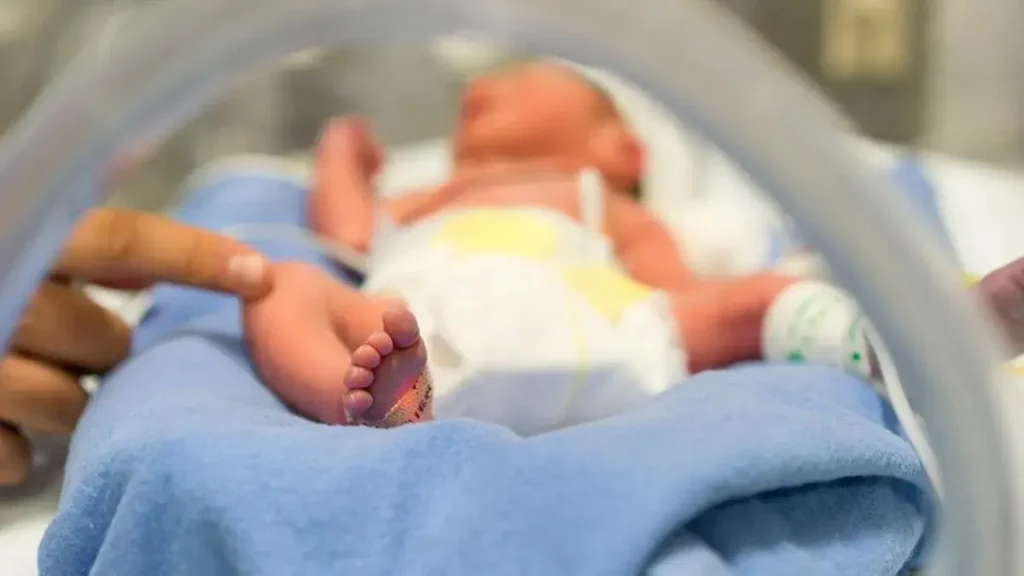
Doctors at Sawai Man Singh (SMS) Medical College in Jaipur have found that a simple clinical scoring system can help identify serious health risks in premature and low-birth-weight newborns soon after admission, enabling faster treatment and improving survival prospects.
The findings, published in the International Journal of Paediatric Research, are based on a study involving 181 premature infants admitted to JK Lone Hospital. Researchers evaluated the effectiveness of the Clinical Risk Index for Babies-II (CRIB-II) score in assessing the condition of newborns during the critical early hours after birth.
According to paediatric specialist Dr Yogesh Yadav, one of the researchers, calculating the CRIB-II score immediately after admission allows doctors to gauge the severity of a newborn’s condition and make timely treatment decisions.
The study showed that infants with higher CRIB-II scores faced a significantly greater risk of mortality. On average, the babies included in the study were born at 28.88 weeks of gestation and weighed around 1.01 kg at birth, both considerably below normal levels.
The CRIB-II scoring system classifies newborns into different risk categories: a score of 0–5 indicates low risk, 6–10 moderate risk, 11–15 high risk, and above 15 very high risk. The assessment is based on five clinical factors—birth weight, gestational age, body temperature at admission, blood acid levels, and the baby’s sex.
Researchers noted that beyond predicting mortality risk, the CRIB-II score serves as a valuable decision-making tool in Neonatal Intensive Care Units (NICUs). It helps clinicians quickly identify infants requiring intensive care, particularly during the first few hours after admission.
The study also highlighted the tool’s usefulness in resource-constrained settings. When NICU beds, ventilators, or trained healthcare staff are limited, the scoring system can help prioritise critically ill newborns and determine which babies need urgent referral to advanced medical centres.
In addition, the researchers said the scoring system enables doctors to provide parents with a clearer understanding of their baby’s condition, expected outcomes, and treatment requirements.
The authors believe that wider adoption of the CRIB-II score across India could strengthen newborn care, support more effective clinical decision-making, and contribute to reducing neonatal deaths, particularly among premature and low-birth-weight infants.
Source: PTI