





ArdorComm Media News Network
October 29, 2026
Ashutosh Raghuvanshi, Managing Director and CEO of Fortis Healthcare, has called for regular revisions of package rates under government-sponsored health insurance schemes to keep pace with rising medical costs, advancements in healthcare technology and the growing demand for quality treatment.
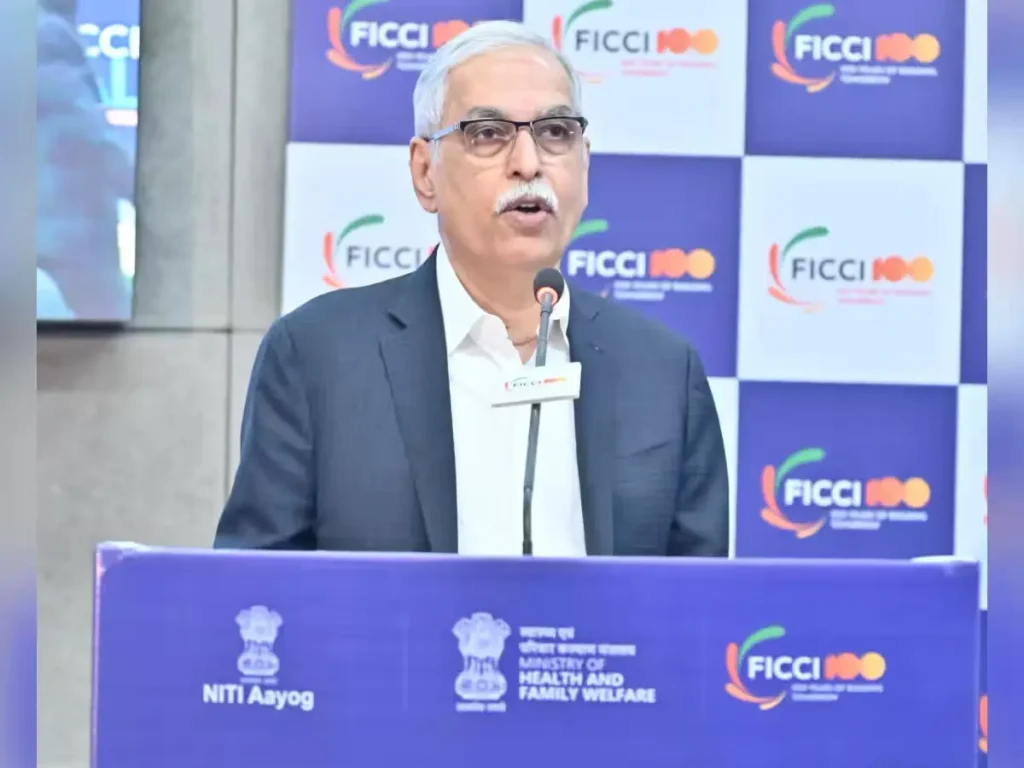
Speaking at the 20th edition of FICCI Heal 2026, Raghuvanshi emphasised the need to periodically reassess reimbursement rates under the Central Government Health Scheme (CGHS) and the Pradhan Mantri Jan Arogya Yojana (PMJAY). He also highlighted the importance of timely hospital claim settlements, stating that a transparent and predictable reimbursement mechanism could encourage greater private sector participation and support investment in healthcare infrastructure.
The remarks come a year after the Union Health Ministry revised package rates for nearly 2,000 procedures under CGHS in October 2025. The revision marked the first major overhaul of the rates since 2014. Following the announcement, Nathealth, an industry body representing private healthcare providers, welcomed the decision and called for government-sponsored health insurance rates to be periodically aligned with the Consumer Price Index.
The viability of reimbursement rates remains a key concern for private healthcare providers. Major listed hospital chains, including Fortis Healthcare, Max Healthcare and Apollo Hospitals, do not participate in the Ayushman Bharat scheme. Industry representatives have argued that reimbursement rates must be financially sustainable, particularly for corporate hospitals operating in urban areas, to encourage their participation.
Raghuvanshi also urged the government to reconsider the taxation framework applicable to hospitals. Although healthcare services are exempt from the Goods and Services Tax (GST), hospitals generally cannot claim input tax credit on goods and services used to provide these exempt services. This results in additional costs for healthcare providers and can constrain their ability to invest in expansion and infrastructure.
He said reviewing the existing tax structure could ease cost pressures on hospitals while strengthening their capacity to deliver affordable, high-quality healthcare services.
Source: Economic Times