






ArdorComm Media News Network
September 16, 2026
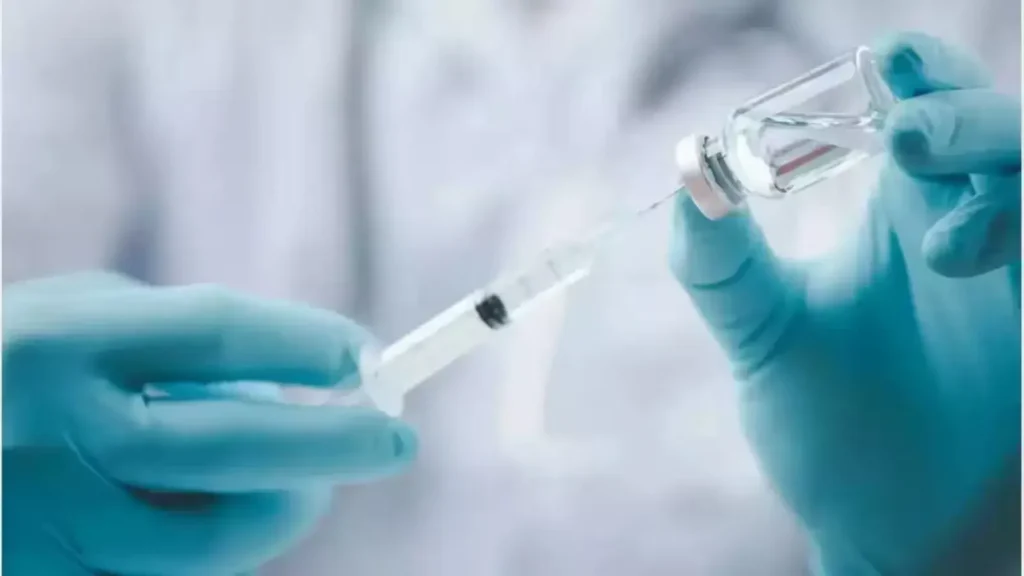
India could have its own indigenous dengue vaccine by the end of next year, provided the ongoing follow-up of participants in the vaccine’s Phase 3 clinical trial progresses as expected, ICMR Director General Rajiv Bahl said.
Speaking in Kolkata on Sunday, Bahl said the randomised Phase 3 trial is being conducted across 20 institutes and involves more than 13,000 volunteers. For every two participants who received the vaccine, one was administered a placebo. Nearly a year of follow-up has been completed, and researchers are hopeful of unblinding the trial results by the end of next year.
NIRBI Director Santasabuj Das said the institute, formerly known as NICED, is among the centres participating in the nationwide trial and is monitoring 674 enrolled volunteers.
DengiAll, described as India’s first indigenous single-dose dengue vaccine, is designed to provide protection against all four dengue virus serotypes circulating in the country. However, relatively low dengue transmission this year could delay the process of obtaining enough data to unblind the trial.
Bahl also highlighted the importance of Kangaroo Mother Care (KMC) during the fourth Dilip Mahalanabis Oration organised by the Liver Foundation West Bengal. KMC involves prolonged skin-to-skin contact between a newborn and the mother and has been shown to improve outcomes for vulnerable newborns.
Reflecting on the legacy of late public health pioneer Dilip Mahalanabis, Bahl highlighted the development of sick newborn care units and the evolution of the model into Mother Newborn Care Units, which promote zero separation between mothers and preterm or sick newborns.
Public health activist and hepatologist Abhijit Chowdhury said Mahalanabis demonstrated how simple, evidence-based healthcare interventions can have a transformative impact on human lives, inspiring the foundation to organise an annual oration in his memory.
Source: Economic Times