






ArdorComm Media News Network
November 12, 2026
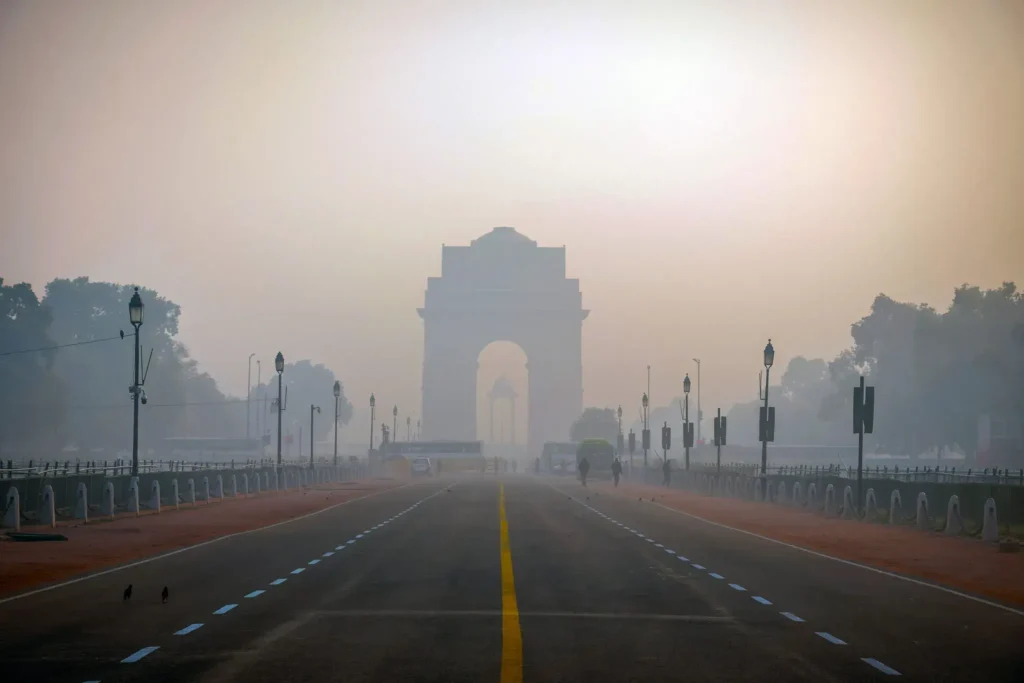
India must adopt a health-focused strategy to tackle air pollution, with clearly defined targets for reducing fine particulate matter (PM2.5) under the National Clean Air Programme (NCAP), according to a new knowledge paper by FICCI and EY titled “Clean Air, Healthy India.”
The report highlights the serious public health consequences of air pollution, noting that more than two million deaths in India were attributed to pollution in 2023. It identifies PM2.5 particles, which measure 2.5 microns or less, as a major health concern because they can penetrate deep into the lungs and enter the bloodstream.
Long-term exposure to these pollutants is linked to respiratory diseases, cardiovascular conditions, strokes and cognitive impairment. The resulting health burden also increases healthcare costs and affects workforce productivity.
Dr. Ashutosh Raghuvanshi, Chair of the FICCI Health Services Committee and MD and CEO of Fortis Healthcare, emphasised that clean air should be treated as a central public health priority rather than solely an environmental concern. He highlighted the role of healthcare institutions in raising public awareness, monitoring pollution-related illnesses and improving healthcare preparedness. He also called for stronger cooperation among government, industry and healthcare providers to achieve measurable health improvements.
Similarly, Dr. Arun Agarwal, Chair of the FICCI Working Group on Air Pollution (Healthcare Perspective), former Dean of MAMC and Medical Advisor to Apollo Hospitals Group, stressed the need to move beyond seasonal measures and make pollution exposure reduction a year-round public health priority. He underlined the importance of integrating air-quality monitoring with health surveillance, strengthening preventive measures and developing interventions based on local pollution sources.
Ahead of the peak pollution season, FICCI-EY has called for immediate action and outlined 10 practical recommendations to address major sources of emissions.
Among the proposed measures is the introduction of closed-loop dust management systems at large construction sites to control construction and demolition pollution. The report also recommends identifying pollution hotspots associated with traffic, industrial activity, construction and waste burning, followed by testing targeted interventions.
To reduce vehicular emissions, the paper suggests deploying smart traffic signals to minimise congestion, vehicle idling and stop-start traffic. For industrial and backup-power pollution, it recommends using real-time stack-emission data to strengthen industrial pollution management, upgrading conventional brick kilns to zigzag firing technology and replacing diesel-based backup power systems with battery-hybrid alternatives.
The report further advocates technology-driven solutions to monitor and control industrial emissions, diesel soot and pollution in areas with high human exposure.
Addressing agricultural and waste-related pollution, the recommendations include converting crop residue into fuel and commercially viable products to reduce stubble burning. It also proposes using recovered plastic, industrial waste and construction and demolition debris in building houses and infrastructure.
The FICCI-EY paper emphasises that effective implementation will require clear government standards and consistent regulatory frameworks. It calls on industries to prioritise efficiency, competitiveness and innovation, while healthcare institutions strengthen health surveillance and public advisories.
The report also highlights the importance of community participation, stressing that people must have access to reliable information and opportunities to contribute to local clean-air initiatives.
Source: Economic Times