


ArdorComm Media Group

Monday, November 9, 2026 4:26 AM

academic performance

IIT-Madras researchers uncover physiological markers that can predict and manage test anxiety among students
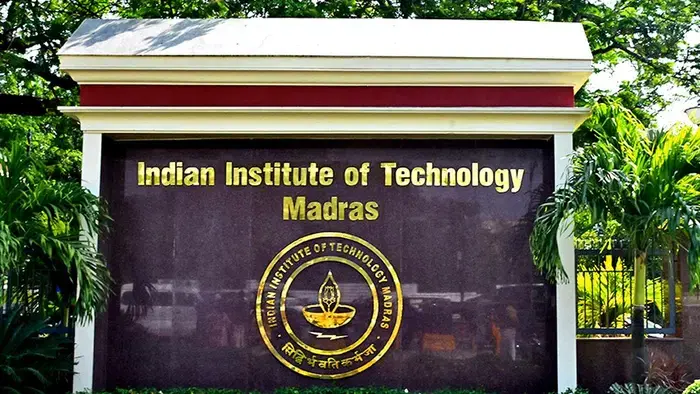
Researchers at the Indian Institute of Technology (IIT) Madras have identified key physiological signals that can help detect students who are most prone to test anxiety, potentially transforming how educational institutions understand and address academic stress. The findings, published in the international peer-reviewed journal Behavioural Brain Research, explore the interaction between the brain and heart in students facing exam-related anxiety. This scientific approach offers early detection possibilities and paves the way for personalized coping strategies. According to NCERT (2022), nearly 81% of Indian students experience some level of test anxiety, which can adversely affect academic outcomes and long-term mental well-being. Led by Venkatesh Balasubramanian from the Department of Engineering Design, the IIT-Madras team emphasized the value of using objective physiological data rather than relying solely on students’ self-reported feelings. Their research shows that a disruption in the brain-heart communication network during stressful situations can make certain students more vulnerable to anxiety and avoidance behaviours, highlighting a biological difference between healthy and unhealthy responses to exam pressure. The study identifies two critical markers: Frontal Alpha Asymmetry (FAA): a brain-based indicator linked to emotional control Heart Rate Variability (HRV): a measure of how effectively the heart adjusts to stress Researchers found that students exhibiting a negative FAA pattern showed weaker heart regulation under pressure, suggesting a biological predisposition to heightened anxiety. This deeper understanding reframes academic stress as a condition rooted not only in psychology but also in measurable physiological interactions. According to Swathy Parameswaran, Research Scholar at IIT Madras, these insights could lead to practical tools powered by artificial intelligence. Such tools may enable real-time, non-invasive monitoring systems capable of alerting educators and mental health professionals before visible symptoms arise. The research also supports the creation of personalized stress management strategies that can be integrated into school and university wellness programs. Though based on a preliminary sample of 52 participants, the study marks a promising advancement in combining neuroscience with educational psychology. The team plans to expand the research with larger, more diverse groups and explore additional factors like sleep quality and physical activity. Upcoming phases will also include advanced methods such as EEG-based connectivity mapping to further unravel heart-brain dynamics during stress. Source: PTI
IIT-Madras researchers uncover physiological markers that can predict and manage test anxiety among students Read More »

CBSE Mandates First Board Exam for Class 10; Introduces Optional Second Attempt in Select Subjects

Starting from the academic year 2026, the Central Board of Secondary Education (CBSE) will implement a dual-board exam system for Class 10 students, with the first exam being mandatory for all. The second exam will serve as an optional chance for students to improve their scores, but only in up to three subjects from science, mathematics, social science, and the two language papers. Previously, CBSE allowed students to reappear for improvement in just two subjects. Under the new framework, that number increases to three, offering more flexibility while still maintaining academic discipline. CBSE Chairman Rahul Singh explained that making the first exam compulsory and restricting the second exam to three subjects is meant to encourage students to treat the initial attempt seriously. He emphasized that the second exam is not an alternative, but an “additional opportunity” for enhancement. If a student skips three or more subjects in the first round, they will not be eligible for the second attempt and will have to reappear the following year under the ‘essential repeat’ category. However, exceptions will be made for students in winter-affected regions like Ladakh, parts of Arunachal Pradesh, Sikkim, and Himachal Pradesh. These students can opt to appear only for the second set of exams, as heavy snowfall may hinder participation in the February session. The timeline for the two exams is as follows: the first board exam will be conducted from mid-February, with results declared in April. Based on their performance, students can choose to take the second exam in May, and the best scores from either attempt will be considered final. The second round results are expected by June 30, a shift from the earlier system where improvement results were released in August. Students who fail to clear the first exam will be able to appear in the second round as ‘compartment’ candidates. This two-exam system may eventually be extended to Class 12 as well, with similar timelines to ensure college admission deadlines are met. Earlier this year, CBSE had released a draft proposal for this policy and sought public opinion. According to Singh, 64% of students expressed support for the new format. Notably, the initial draft had not made the first exam compulsory or set a cap on the number of subjects for the second attempt — both key changes in the final version. Source: Indian Express

CBSE Mandates First Board Exam for Class 10; Introduces Optional Second Attempt in Select Subjects Read More »

CBSE Urges Schools to Launch ‘Sugar Boards’ to Curb Rising Sugar Consumption Among Students

In a proactive step toward safeguarding students’ health, the Central Board of Secondary Education (CBSE) has issued a directive to all affiliated schools, calling for the establishment of “sugar boards” to help monitor and reduce sugar intake among children. Highlighting a concerning surge in Type 2 diabetes cases among school-aged children—a condition historically associated with adults—the board has emphasized the link between the trend and high levels of sugar consumption. The prevalence of sugary drinks, snacks, and processed foods within and around school premises has been identified as a key contributor to this growing health issue. According to the CBSE, excessive sugar consumption is not only associated with diabetes but also increases the risk of obesity, tooth decay, and metabolic disorders. These health challenges can further impact a child’s academic performance and overall development. Studies show that children between the ages of 4 and 10 consume around 13% of their daily calories from sugar, while those aged 11 to 18 average around 15%—both far above the World Health Organization’s recommended limit of 5%. Acting on recommendations from the National Commission for Protection of Child Rights (NCPCR), CBSE has advised schools to create informative displays titled “sugar boards.” These boards should clearly outline healthy sugar limits, the sugar content in popular processed and junk foods, the health risks linked to high sugar intake, and suggestions for healthier dietary alternatives. The goal is to empower students to make more informed food choices and foster healthier long-term eating habits. In addition, schools are encouraged to host awareness programs, seminars, and workshops focused on sugar education. Institutions have been asked to document these initiatives and upload brief reports with supporting photographs by July 15. This initiative is part of a broader effort to create healthier school environments and raise awareness about nutrition among students, educators, and parents alike. Source: PTI    

CBSE Urges Schools to Launch ‘Sugar Boards’ to Curb Rising Sugar Consumption Among Students Read More »