


ArdorComm Media Group

Monday, November 23, 2026 10:34 AM

airline operations

DGCA Grants Temporary Flight Duty Relaxations to Air India Amid Middle East Airspace Restrictions
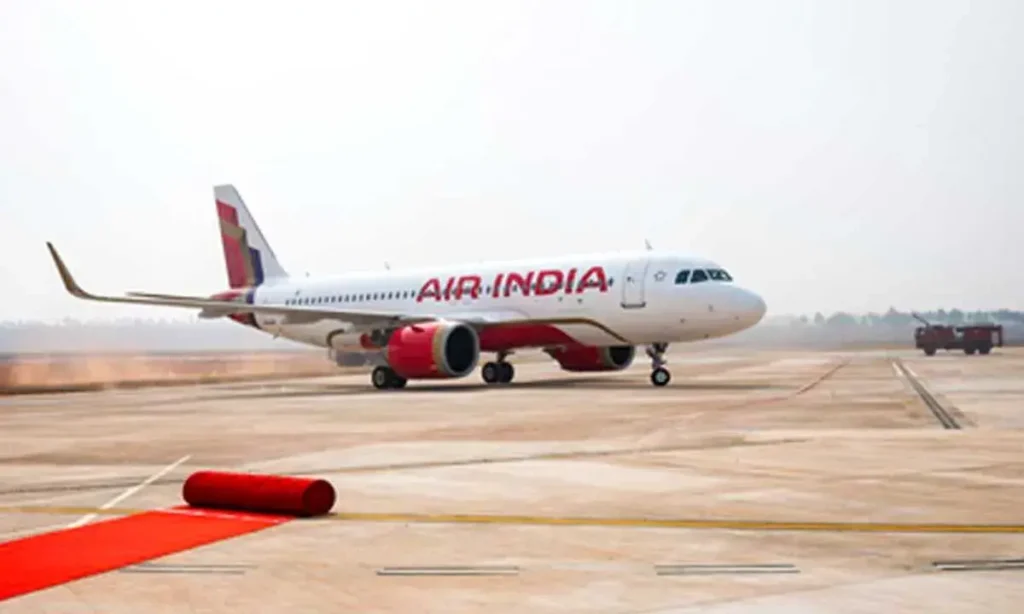
India’s aviation regulator, the Directorate General of Civil Aviation (DGCA), has granted temporary relief in flight duty regulations to Air India as the airline faces operational challenges due to ongoing tensions in the Middle East that have restricted access to key airspaces. According to sources, the relaxation in Flight Duty Time Limitations (FDTL) norms will remain in effect until April 30. The move comes as Air India’s long-haul flights are being forced to take longer alternative routes to reach destinations in Europe and North America because of restrictions in the airspaces of Iran and Iraq. To bypass these restricted zones, Air India aircraft are now flying via Oman, southern parts of Saudi Arabia and Egypt, increasing overall flying time. Some ultra-long-haul flights are also making technical halts in Rome before continuing to their final destinations. Under the temporary relaxation for long-haul flights operated by two pilots, the DGCA has increased the permitted Flight Time (FT) by 1 hour and 30 minutes, raising it to 11 hours and 30 minutes. The Flight Duty Period (FDP) has also been extended by 1 hour and 45 minutes, allowing a maximum of 11 hours and 45 minutes. However, sources have alleged that the airline may be stretching these limits. In one instance, pilots operating flights to Jeddah were reportedly scheduled for a duty period of 11 hours and 55 minutes—about 10 minutes beyond the permitted extension. The regulator has also temporarily relaxed the mandatory 30-minute buffer required during roster planning. Normally, the maximum Flight Time and Flight Duty Period for a single landing are 10 hours and 13 hours, respectively. Flight Time refers to the duration from the moment an aircraft begins moving for take-off until it comes to a complete stop after landing. The Flight Duty Period, on the other hand, starts when a crew member reports for duty and ends when the aircraft’s engines are switched off after the final flight of the duty cycle. Officials from Air India and the DGCA have not yet issued formal comments regarding the relaxations. It remains unclear whether similar exemptions have been granted to other Indian carriers such as IndiGo for their long-haul services. The adjustments come as airlines worldwide grapple with disruptions triggered by the escalating conflict involving the United States, Israel and Iran, which erupted on February 28 and has led to widespread airspace restrictions across the Middle East. Source: PTI

DGCA Grants Temporary Flight Duty Relaxations to Air India Amid Middle East Airspace Restrictions Read More »

IndiGo Increases Pilot Allowances Amid Staffing Challenges and New Duty Norms

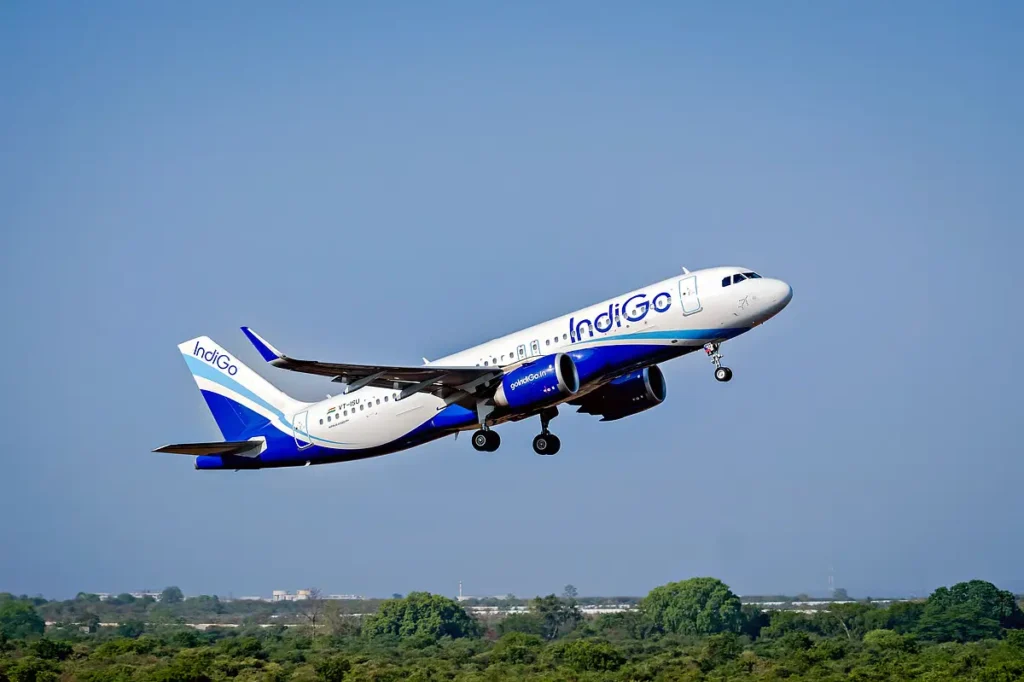
IndiGo has revised and increased allowances for its pilots by up to ₹2,000, with the changes taking effect from January 1, according to sources. The move comes weeks after the airline faced widespread flight disruptions triggered by pilot rostering issues. The disruptions were largely attributed to inadequate preparedness in implementing the revised Flight Duty Time Limitations (FDTL) norms, which restrict the number of night landings a pilot can undertake. These changes reportedly forced IndiGo to cancel over 1,600 flights in a single day earlier this month. In response to the new regulations, which require more pilots for night operations, the airline has enhanced several allowance categories. The revised allowances—ranging from ₹25 to ₹2,000—cover domestic layovers, night operations, deadhead duties, and a newly introduced tail-swap allowance. Tail-swap refers to replacing a scheduled aircraft with another aircraft. Sources said the tail-swap allowance was not available earlier and has been introduced as part of the latest revision. IndiGo has not issued an official statement on the matter. Under the new structure, a captain on a domestic layover of 10.01 to 24 hours will receive ₹3,000, up from ₹2,000. For first officers, the allowance has been raised to ₹1,500 from ₹1,000. Beyond 24 hours, captains will now earn ₹150 per additional hour, while first officers will get ₹75 per hour, up from ₹100 and ₹50 respectively. Night allowances per hour have been increased to ₹2,000 for captains and ₹1,000 for first officers. Deadhead allowance per scheduled block hour has also gone up—to ₹4,000 from ₹3,000 for captains and to ₹2,000 from ₹1,500 for first officers. Meal allowance during transit for captains has doubled to ₹1,000. However, sources noted that the latest increase recovers only about 25 per cent of the allowances that were cut following the implementation of the second phase of the FDTL norms in November. Following the recent operational disruptions, aviation regulator DGCA directed IndiGo to reduce its winter flight schedule by 10 per cent. As per government data shared in Parliament, IndiGo employed 5,085 pilots as of December 8. Source: PTI

IndiGo Increases Pilot Allowances Amid Staffing Challenges and New Duty Norms Read More »

DGCA Updates Flight Safety Guidelines Amid Rising Weather Challenges

Amid increasing instances of extreme weather, India’s aviation regulator, the Directorate General of Civil Aviation (DGCA), has issued revised operational guidelines prioritising passenger and crew safety over strict adherence to flight schedules. In a fresh operations circular directed at both scheduled and non-scheduled operators, the DGCA has urged pilots to adopt a cautious and proactive approach when navigating through adverse weather conditions such as heavy rain, turbulence, thunderstorms, and low visibility. The circular encourages flight crew to opt for diversions or return to base if necessary, clearly stating that safety must outweigh punctuality. Highlighting the growing influence of climate change on flight unpredictability, the regulator has reinforced the need for enhanced situational awareness and preparedness among pilots. It specifically stresses the importance of avoiding risky decisions during night-time landings on wet runways and recommends cross-verification of visual cues with flight instruments to avoid visual misinterpretations. This regulatory update follows recent incidents, including a series of helicopter crashes near Kedarnath and a turbulent IndiGo flight to Srinagar, which underscored the pressing need for stricter operational measures in unpredictable weather. Pilots have now been advised to maintain a minimum buffer of 20 nautical miles from storm systems and to avoid flying under thunderstorm clouds, which can pose significant risks such as lightning, windshear, and hail. The circular also places new emphasis on pre-flight weather planning and early course corrections, including lateral deviation from storm paths instead of risky altitude changes. In a significant move, the DGCA has also addressed Ice Crystal Icing — a lesser-known but hazardous condition related to convective weather — urging pilots to avoid climbing or descending through such zones and instead navigate around them laterally. Communication protocols have been strengthened as well, with the DGCA recommending prompt and clear updates to passengers, cabin crew, and Air Traffic Control (ATC) during turbulent conditions to enhance coordination and awareness. Additionally, the regulator has encouraged aviation operators to implement scenario-based training for flight crews, focusing on weather-related decision-making and the application of Threat and Error Management (TEM) frameworks. The updated guidelines will be in effect for all operators during the pre-monsoon, monsoon, and other weather-sensitive periods, reflecting the DGCA’s increased focus on operational safety in an era of escalating climate variability. Source: PTI

DGCA Updates Flight Safety Guidelines Amid Rising Weather Challenges Read More »