





India Advises Against Non-Essential Travel to Congo, Uganda and South Sudan Amid Ebola Surge
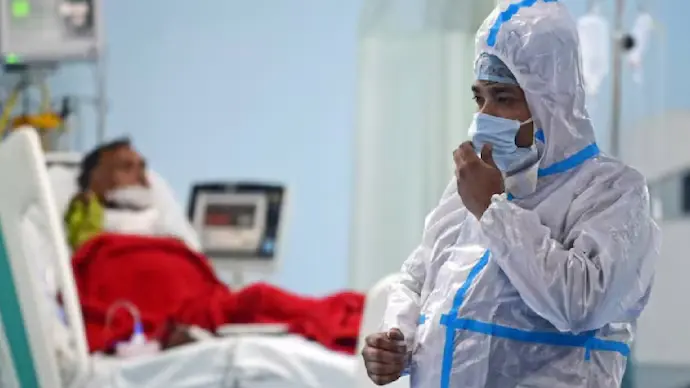
The Indian government has issued a travel advisory urging citizens to avoid non-essential visits to the Democratic Republic of the Congo, Uganda, and South Sudan following a growing outbreak of Ebola in central Africa. The advisory, released by India’s Health Ministry on May 23, 2026, comes after the World Health Organization classified the outbreak as a global public health emergency. The WHO had earlier designated the situation as a Public Health Emergency of International Concern (PHEIC), citing a “very high” national risk in the DRC and a “high” regional threat level, while maintaining that the global risk remains low. Health authorities confirmed that the ongoing outbreak involves the Bundibugyo strain of Ebola, for which there are currently no approved vaccines or specific treatments. Officials stressed the need for urgent containment measures, including surveillance, contact tracing, and rapid response systems. According to the latest figures released on Saturday, the Ebola outbreak has claimed 216 lives so far, while the total number of confirmed and suspected cases has reached 968. In response, the Directorate General of Health Services (DGHS) has intensified screening measures at major international entry points across India, including Indira Gandhi International Airport. Authorities have introduced targeted monitoring for travellers arriving from or transiting through the affected African nations. Airlines operating on these routes have been instructed to make mandatory health announcements onboard and distribute Self-Declaration Forms (SDFs) to passengers. Travellers displaying symptoms or those who may have come into contact with infected individuals are required to report to Airport Health Officers before immigration clearance. India has also strengthened physical screening measures at airports through round-the-clock thermal scanning and visual surveillance for fever-related symptoms. Dedicated isolation facilities and emergency ambulances have been deployed to ensure immediate transfer of suspected cases to designated hospitals. The Health Ministry further stated that all passengers arriving from high-risk regions must self-monitor their health for 21 days and seek immediate medical attention if symptoms appear, while fully disclosing their recent travel history. The WHO has repeatedly highlighted that Ebola control depends heavily on early detection, swift isolation, public awareness, and community participation. While effective vaccines and monoclonal antibody treatments exist for the Zaire strain of Ebola, the organisation has warned that similar medical countermeasures are not yet available for the rarer Bundibugyo variant. Source: The Hindu
