ArdorComm Media Group

Sunday, February 8, 2026 4:23 AM

CBSE

CBSE, UNESCO Scale Up Health and Wellness Education to Impact 30,000 Schools Nationwide

Ardorcomm news

In a significant step toward integrating holistic health education into India’s school system, CBSE, UNESCO, and NCERT are expanding their collaborative School Health and Wellness Programme (SHWP) to 30,000 CBSE-affiliated schools across the country. The initiative, which began under the Ayushman Bharat mission in 2020, aims to positively influence the lives of nearly 15 million students by promoting mental, emotional, and physical well-being. Building a Network of Master Trainers Throughout June and July 2025, over 290 school leaders—comprising principals, teachers, and administrators—from 22 states and five union territories participated in a comprehensive training workshop held in Delhi. These individuals will serve as master trainers, cascading their knowledge and tools to educators across India to deliver health and wellness content effectively. The training sessions emphasized early intervention and the importance of understanding students’ socio-emotional environments. Prof. Dinesh Prasad Saklani, Director of NCERT, stressed that many student challenges originate outside the classroom. With proper training, teachers can better identify these issues and respond with empathy and support. A Curriculum Rooted in NEP 2020 Values Speaking at the workshop, Anandrao V Patil, Additional Secretary in the Ministry of Education, underscored how wellness and inclusive education go hand in hand, echoing the core principles of the National Education Policy 2020. He described educators as catalysts of social change, pivotal in shaping compassionate and resilient individuals. UNESCO’s South Asia Director, Tim Curtis, reinforced the belief that health and education are deeply interconnected. “Every trained teacher and every wellness conversation is a step closer to learner-centered systems,” he said. Multilingual Learning Tools for Lifelong Impact To support the initiative, NCERT and UNESCO have co-developed a 24-hour wellness curriculum, featuring training modules, handbooks, animated videos, and comics. These resources focus on 11 essential wellness themes—including mental health, gender sensitivity, online safety, and reproductive health—and are available in English, Hindi, and nine regional languages to ensure wider accessibility. Since 2022, NCERT has conducted eleven intensive five-day workshops, resulting in 970 trained master trainers. These professionals are now instrumental in guiding teacher development across CBSE’s regional Centres of Excellence. To date, over 40,000 teachers have been trained through more than 750 workshops nationwide. Rather than treating health education as a supplementary activity, SHWP is helping schools embed wellness into the very fabric of everyday learning—redefining education as a means to nurture both the mind and the heart. Source: India Today

CBSE, UNESCO Scale Up Health and Wellness Education to Impact 30,000 Schools Nationwide Read More »

CBSE Mandates Audio-Visual CCTV Installation in Schools to Enhance Student Safety

Ardorcomm news

In a significant move to reinforce student safety on school campuses, the Central Board of Secondary Education (CBSE) has issued a directive requiring all affiliated schools to install high-resolution CCTV systems with audio-visual recording capabilities in strategic areas of their premises. As per the latest amendment to the CBSE Affiliation Bye Laws-2018, schools must ensure that classrooms, corridors, staircases, libraries, and other common zones — excluding toilets and washrooms — are under continuous surveillance. These systems must also maintain a minimum 15-day backup of recorded footage, accessible to authorities when needed. This initiative, aimed at safeguarding students from bullying and other potential threats, is in line with the National Commission for Protection of Child Rights (NCPCR)’s 2021 safety manual, which highlights the need for both physical and emotional security in educational settings. CBSE Secretary Himanshu Gupta emphasized that children have a constitutional right to a safe, respectful learning environment. He stated, “The safety has two aspects- a)unscrupulous un-societal elements, b) safety for the overall well being of the children with reference to bullying and implicit threats. All of such probabilities can be prevented with the usage of the latest technology.” Source: New Indian Express

CBSE Mandates Audio-Visual CCTV Installation in Schools to Enhance Student Safety Read More »

CBSE Mandates First Board Exam for Class 10; Introduces Optional Second Attempt in Select Subjects

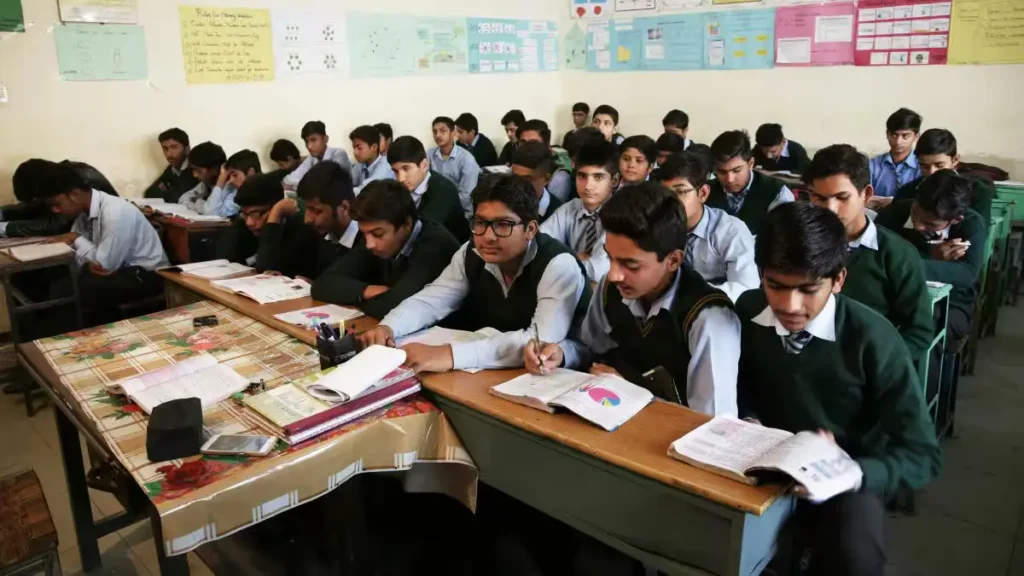
Starting from the academic year 2026, the Central Board of Secondary Education (CBSE) will implement a dual-board exam system for Class 10 students, with the first exam being mandatory for all. The second exam will serve as an optional chance for students to improve their scores, but only in up to three subjects from science, mathematics, social science, and the two language papers. Previously, CBSE allowed students to reappear for improvement in just two subjects. Under the new framework, that number increases to three, offering more flexibility while still maintaining academic discipline. CBSE Chairman Rahul Singh explained that making the first exam compulsory and restricting the second exam to three subjects is meant to encourage students to treat the initial attempt seriously. He emphasized that the second exam is not an alternative, but an “additional opportunity” for enhancement. If a student skips three or more subjects in the first round, they will not be eligible for the second attempt and will have to reappear the following year under the ‘essential repeat’ category. However, exceptions will be made for students in winter-affected regions like Ladakh, parts of Arunachal Pradesh, Sikkim, and Himachal Pradesh. These students can opt to appear only for the second set of exams, as heavy snowfall may hinder participation in the February session. The timeline for the two exams is as follows: the first board exam will be conducted from mid-February, with results declared in April. Based on their performance, students can choose to take the second exam in May, and the best scores from either attempt will be considered final. The second round results are expected by June 30, a shift from the earlier system where improvement results were released in August. Students who fail to clear the first exam will be able to appear in the second round as ‘compartment’ candidates. This two-exam system may eventually be extended to Class 12 as well, with similar timelines to ensure college admission deadlines are met. Earlier this year, CBSE had released a draft proposal for this policy and sought public opinion. According to Singh, 64% of students expressed support for the new format. Notably, the initial draft had not made the first exam compulsory or set a cap on the number of subjects for the second attempt — both key changes in the final version. Source: Indian Express

CBSE Mandates First Board Exam for Class 10; Introduces Optional Second Attempt in Select Subjects Read More »

Govt Forms Panel to Probe Coaching Dependency and Fairness of Entrance Exams

The Ministry of Education has constituted a nine-member committee to investigate the growing dependence of students on coaching centres, the phenomenon of ‘dummy schools,’ and the integrity and fairness of competitive entrance exams like JEE and NEET, officials confirmed. Chaired by Higher Education Secretary Vineet Joshi, the committee will delve into systemic shortcomings within the school education framework that push students towards coaching hubs. The panel will examine the limited emphasis on critical thinking, analytical reasoning, innovation, and conceptual understanding in traditional schooling — factors that fuel rote learning and, in turn, coaching culture. One major concern to be addressed is the rise of ‘dummy schools’ — institutions where students enroll merely for board exam eligibility while devoting their full attention to intensive coaching. These setups allow aspirants to bypass classroom learning altogether, focusing solely on entrance exam preparation. Many also exploit state domicile criteria through such enrollments to gain regional admission advantages, such as eligibility for the Delhi state quota in medical colleges. “The committee will study how dummy schools undermine formal education and promote exclusive dependence on coaching. It will recommend ways to address this growing issue,” a senior ministry official said. The panel will also scrutinize the current model of entrance exams to assess their fairness and relevance in the context of mainstream schooling. It will investigate whether the absence of formative assessments and a weak focus on concept clarity in school systems are inadvertently supporting the proliferation of coaching institutes. Another key focus area is the imbalance between the rising demand for quality higher education and the limited seats available in top institutions — a gap that often drives students toward costly and stressful coaching environments. The panel’s mandate also includes evaluating students’ and parents’ awareness of diverse career opportunities beyond elite engineering and medical colleges. It aims to assess the status of career counselling mechanisms in schools and recommend strategies to enhance career guidance systems nationwide. Alongside Vineet Joshi, the committee comprises the CBSE chairperson, joint secretaries from the school and higher education ministries, representatives from IIT Madras, IIT Kanpur, NIT Trichy, NCERT, and principals from Kendriya Vidyalaya, Navodaya Vidyalaya, and a private school. This initiative follows increasing concerns over the coaching industry’s practices, including rising student suicides, fire hazards, inadequate infrastructure, and questionable teaching methods. The government hopes the panel’s findings will lead to more balanced, student-centric reforms in education and examination systems. Source: PTI

Govt Forms Panel to Probe Coaching Dependency and Fairness of Entrance Exams Read More »

Delhi Govt Expands Vocational Education: Skill-Based Courses Introduced in 257 More Schools

In a significant push towards integrating vocational training into mainstream education, the Delhi government has approved the rollout of skill-based subjects in 257 additional government schools starting this academic session, as per a circular issued by the Directorate of Education on May 23. These skill subjects fall under the Samagra Shiksha initiative and aim to equip students in Classes 9 and 11 with hands-on learning and industry-relevant skills alongside their regular curriculum. Each school can enroll up to 50 students per subject, encouraging broader participation in career-oriented learning. To guide students in making informed decisions, schools have been asked to conduct counselling sessions detailing the benefits and future prospects associated with these vocational courses. Notably, students entering Class 11 can opt for a skill subject even if they haven’t studied it in the earlier grades, thanks to the policy’s flexible multi-entry and multi-exit structure. However, participation in these skill subjects remains optional, not mandatory. Schools can offer these courses as additional learning avenues without making them compulsory for all students. As per CBSE norms, schools do not require separate permissions to introduce new vocational subjects. They simply need to update the necessary information on the CBSE portal. The National Skills Qualifications Framework (NSQF) subjects being offered include practical disciplines such as Information Technology, Retail, Healthcare, and Beauty & Wellness—all designed to boost employability and prepare students for real-world careers. Source: PTI (Image: AI generated)    

Delhi Govt Expands Vocational Education: Skill-Based Courses Introduced in 257 More Schools Read More »

CBSE Urges Schools to Launch ‘Sugar Boards’ to Curb Rising Sugar Consumption Among Students

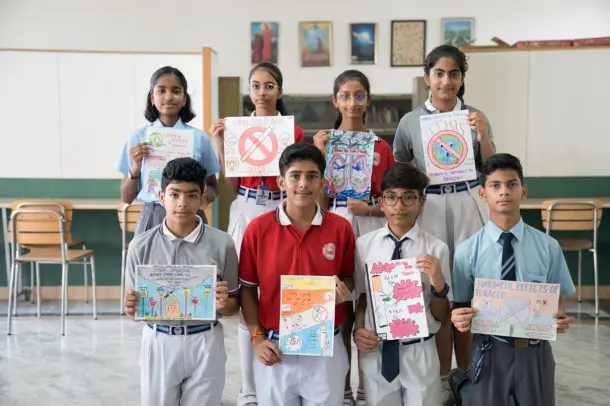
In a proactive step toward safeguarding students’ health, the Central Board of Secondary Education (CBSE) has issued a directive to all affiliated schools, calling for the establishment of “sugar boards” to help monitor and reduce sugar intake among children. Highlighting a concerning surge in Type 2 diabetes cases among school-aged children—a condition historically associated with adults—the board has emphasized the link between the trend and high levels of sugar consumption. The prevalence of sugary drinks, snacks, and processed foods within and around school premises has been identified as a key contributor to this growing health issue. According to the CBSE, excessive sugar consumption is not only associated with diabetes but also increases the risk of obesity, tooth decay, and metabolic disorders. These health challenges can further impact a child’s academic performance and overall development. Studies show that children between the ages of 4 and 10 consume around 13% of their daily calories from sugar, while those aged 11 to 18 average around 15%—both far above the World Health Organization’s recommended limit of 5%. Acting on recommendations from the National Commission for Protection of Child Rights (NCPCR), CBSE has advised schools to create informative displays titled “sugar boards.” These boards should clearly outline healthy sugar limits, the sugar content in popular processed and junk foods, the health risks linked to high sugar intake, and suggestions for healthier dietary alternatives. The goal is to empower students to make more informed food choices and foster healthier long-term eating habits. In addition, schools are encouraged to host awareness programs, seminars, and workshops focused on sugar education. Institutions have been asked to document these initiatives and upload brief reports with supporting photographs by July 15. This initiative is part of a broader effort to create healthier school environments and raise awareness about nutrition among students, educators, and parents alike. Source: PTI    

CBSE Urges Schools to Launch ‘Sugar Boards’ to Curb Rising Sugar Consumption Among Students Read More »

Hello Kids Pre School Chains Achieves Significant Milestone as It Opens Its 1,000th Centre in India

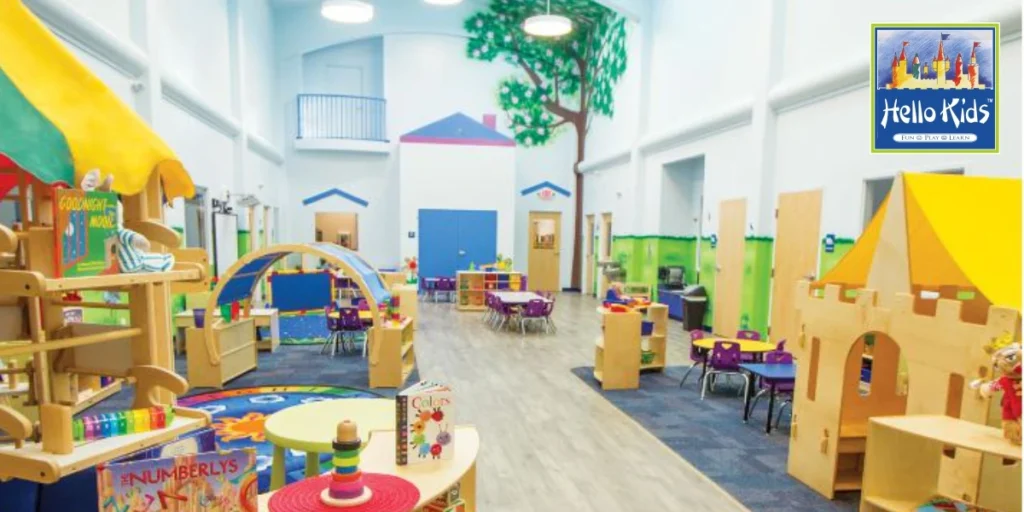
To Further Strengthen It foothold, Aiming 2,000 Centres by 2028 New Delhi, 1st March, 2025: Hello Kids, India’s 1st no-royalty model and one of the largest preschool chains, has achieved a significant milestone by reaching 1,000 centres across India and Bangladesh. With an aggressive expansion plan, the brand now aims to reach 2,000 centres in the next three years and provide early child education to more than 100,000 students by Year 2028. The Pre School chain that is currently predominant in the southern cities of Bangalore and Hyderabad is soon set to spread itself across the northern and western parts of India to popular across major cities further strengthen its foothold in the preschool segment. Founded in Year 2005 by Pritam Kumar Agrawal, Hello Kids has grown from a single preschool in Bangalore to a robust network of over 1000+ preschools across south India and Bangladesh. The journey has been one of perseverance, innovation, and passion towards educating children during their formative years. Hailing from a small village, Agrawal overcame the challenges of establishing a preschool and went about learning the nuances that build a credible preschool including single handedly managing daily operations and personally driving school vans. His dedication and efforts got further impetus when his wife, Sunita Jain, a software engineer, joined the venture post which there was no looking back for the husband – wife team. Leveraging the power of franchising, Hello Kids became one of the most sought after brands for parents to send their tiny tots. Agrawal had over the years pioneered and established India’s first no-royalty model preschool chain, ensuring sustainable growth without compromising on the quality of education. “From humble beginnings to becoming a household name in early childhood education, Hello Kids has always focused on making preschools affordable while providing the best learning environment for young minds. Our goal is to reach 2,000 centres by 2028 while staying committed to excellence in early learning,” said Pritam Kumar Agrawal, Founder & Director, Hello Kids. The brand Hello Kids soon got noticed for its consistent performance in early child education and got several recognitions including India’s Most Respected Childhood Education Brand 2022-23 by Education World and was also conferred as the Leading Preschool Chain by Elets World Education Summit’ 2022. Over the years, Hello Kids has consistently been recognized for innovation in preschool pedagogy, early childhood curriculum excellence, and its commitment to early childhood education. “At Hello Kids, we believe in nurturing young minds with innovative learning experiences. Our goal has always been to make high-quality preschool education accessible to every child. As we expand further, we remain committed to providing a safe, engaging, and stimulating environment for early learners, ensuring they build a strong foundation for the future,” added Sunita Jain, Director & CEO, Hello Kids. One of the key ingredients behind the popularity of Hello Kids is its ability to equip its franchise partners with the tools and training that are relevant and vital for effective delivery of early child education. The company conducts comprehensive training sessions covering curriculum, pedagogy, marketing strategies, social media engagement, admission handling, and parent counseling. The academic training sessions emphasize innovative teaching methods, including phonics, Montessori techniques, STEM education, and social behaviour development; areas that are vital for the early years’ development of a growing child. Hello Kids’ curriculum aligns with the New Education Policy (NEP) 2020, integrating digital learning tools like Virtual Reality kits, digital slates, and talking pens to enhance the student learning experience. With a child-friendly, hygienic environment, CCTV-monitored classrooms, and experienced educators, the brand ensures a safe and enriching atmosphere for young learners. As Hello Kids continues its journey of innovation and excellence, it remains committed to shaping the future of early childhood education in India and beyond. For more information, visit www.hellokids.co.in. Disclaimer: This report is generated from PR/ PRO services. ‘ArdorComm Media’ holds no responsibility for its content.

Hello Kids Pre School Chains Achieves Significant Milestone as It Opens Its 1,000th Centre in India Read More »

CBSE Issues Show-Cause Notices to 29 Schools for Bye-Law Violations

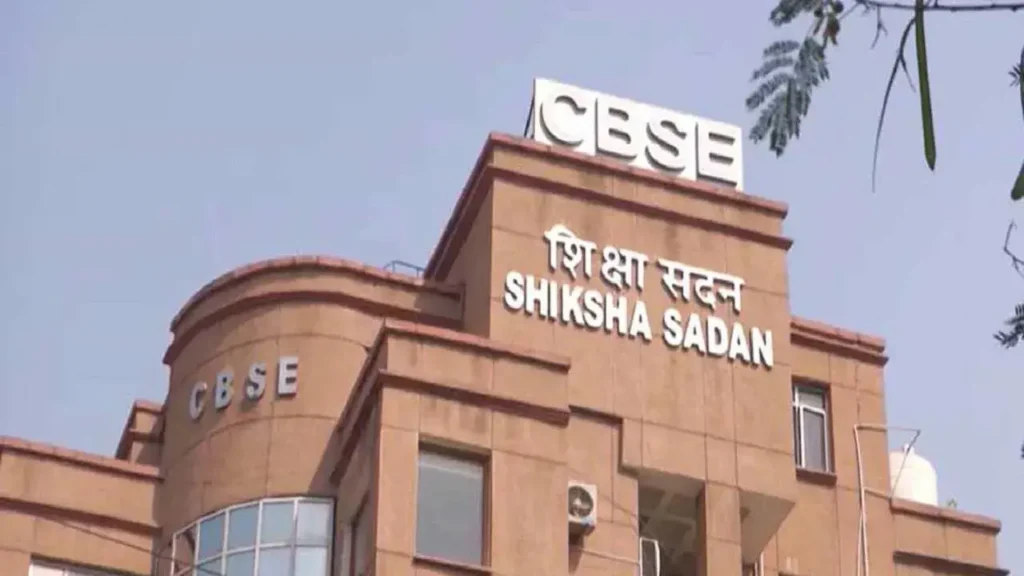
The Central Board of Secondary Education (CBSE) has issued show-cause notices to 29 schools across India for violating its affiliation bye-laws. Following surprise inspections in December, the board uncovered enrolment irregularities and non-compliance with academic and infrastructural standards in these institutions. The violations included enrolling students beyond their actual attendance records and endorsing non-attending enrolments. CBSE has taken a stern view of these breaches, mandating all 29 schools to respond within 30 days, with each institution provided a detailed inspection report. Eighteen of the identified schools are based in Delhi, three in Uttar Pradesh, and two each in Karnataka, Bihar, Gujarat, and Chhattisgarh. Delhi Schools: Hope Hall Foundation School, Sector VII, RK Puram Jagriti Public School, Ratiya Marg, Sangam Vihar Oxford Public School, Opp. Block-4, Nehru Nagar J N International School, Jagdama Colony, Vill. Aali Nav Gian Deep Public School, Vijaya Enclave, Palam Road S D Memorial Vidya Mandir, Mahavir Enclave, Dwarka Navyug Convent School, Sainik Enclave-2, Jharoda C R Oasis Convent School, Najafgarh New Krishna Model Public School, Rawata Central Academy International School, Sector 10, Dwarka Deen Bandhu Public School Brahma Shakti Public School Indraprastha Convent School Richmondd Global School Glorious Public School Aakash International School Holy International School Holy World School, Arjun Park, Ishwar Colony, Najafgarh Karnataka Schools: Sri Chaitanya Techno School, Bengaluru Narayana Olympiad School, Bengaluru Uttar Pradesh Schools: Raj English School, Shivpurava, Varanasi Happy Model School, Kurahuan 323, Chittupur, Varanasi St. K C Memorial English School, Naveda Jalhupur Bihar Schools: Satyam International, Boriya Gaurichak, Patna Eklavya Educational Complex, Palanga, Patna Gujarat Schools: Nirman High School, Vastrapur, Dashkroi, Ahmedabad The New Tulip International School, Bopal, Ahmedabad Chhattisgarh Schools: Modern Educational Academy, Bilaspur Intelligent Public School, Bilaspur CBSE’s action underscores its commitment to ensuring strict adherence to its regulations for maintaining quality education. Schools found in violation are expected to address the highlighted issues and comply with the board’s standards promptly. Source: Hindustan Times Photo Credit: Hindustan Times

CBSE Issues Show-Cause Notices to 29 Schools for Bye-Law Violations Read More »

ICAI and CBSE Partner to Revolutionize Skill-Based Accounting Education

The Institute of Chartered Accountants of India (ICAI) has joined hands with the Central Board of Secondary Education (CBSE) to introduce specialized skill-based courses aimed at bridging the gap between academic knowledge and industry requirements. This landmark partnership, formalized through a Memorandum of Understanding (MoU), seeks to revolutionize commerce education across CBSE-affiliated schools in India. The initiative focuses on developing skills aligned with the Banking, Financial Services, and Insurance (BFSI) sector, ensuring that students are equipped with industry-relevant knowledge. ICAI President CA. Ranjeet Kumar Agarwal emphasized the importance of the collaboration, stating, “This partnership is a significant step in enhancing the skill development ecosystem. By aligning commerce education with professional requirements, we aim to open new career avenues for students in accountancy and finance.” Key features of the collaboration include: Awareness Programs: ICAI and CBSE will organize sessions for school principals, teachers, and management teams to promote commerce-based skill courses. Teacher Training: CBSE will conduct capacity-building initiatives to equip educators with the skills needed to teach specialized courses effectively. Content Development: ICAI will contribute expertise in syllabus design, study materials, and training modules while offering career guidance resources. Enrichment Activities: Joint workshops, training sessions, and student awareness campaigns will highlight career opportunities in the BFSI sector and accountancy. This initiative underscores the shared commitment of ICAI and CBSE to enhance employability and prepare students for future challenges. By integrating skill-based learning with traditional education, the partnership aims to create a robust foundation for students aspiring to excel in commerce-related professions. The MoU is expected to set a precedent for innovative educational practices and provide students with a competitive edge in the global job market.

ICAI and CBSE Partner to Revolutionize Skill-Based Accounting Education Read More »

CBSE Revokes Affiliation for 21 Schools, Downgrades 6 in Surprise Inspections in Delhi and Rajasthan

The Central Board of Secondary Education (CBSE) has disaffiliated 21 schools and downgraded 6 others across Delhi and Rajasthan following surprise inspections conducted on September 3, 2024. These inspections aimed to ensure compliance with the Board’s Affiliation and Examination Bye-Laws, specifically addressing mandatory attendance requirements. CBSE’s actions target the issue of “dummy” or non-attending admissions, which compromise the quality of education and student growth. During the inspections, several schools were found in violation of these standards, resulting in Show Cause Notices. Schools had 30 days to respond to the Board’s concerns, but following a review of responses and video evidence, CBSE decided to take disciplinary action. Key Actions Taken: Disaffiliation: 21 schools lost CBSE affiliation due to high numbers of non-attending students in classes IX-XII. Downgrading: 6 schools were downgraded from Senior Secondary to Secondary level. CBSE reiterated its commitment to quality education and a zero-tolerance stance against dummy enrollments. This initiative emphasizes lawful educational practices and encourages all affiliated institutions to uphold these values. Schools Losing Affiliation Include: Khemo Devi Public School (Delhi) The Vivekanand School (Delhi) Sant Gyaneshwar Model School (Delhi) Prince Uch Madhyamik Vidyalaya (Sikar, Rajasthan) Lord Buddha Public School (Kota, Rajasthan) Downgraded Schools Include: Adarsh Jain Dharmic Shiksha Sadan (Delhi) B.S. International School (Delhi) Bharat Mata Saraswati Bal Mandir (Delhi) These measures by CBSE underscore its commitment to uphold educational integrity and maintain rigorous standards across affiliated schools. Source: ABP Live Photo Credit: ABP Live

CBSE Revokes Affiliation for 21 Schools, Downgrades 6 in Surprise Inspections in Delhi and Rajasthan Read More »