ArdorComm Media Group

Friday, May 8, 2026 5:46 PM

CDC

Highly Contagious COVID-19 Variant NB.1.8.1 Spreads from China to the US

Ardorcomm news

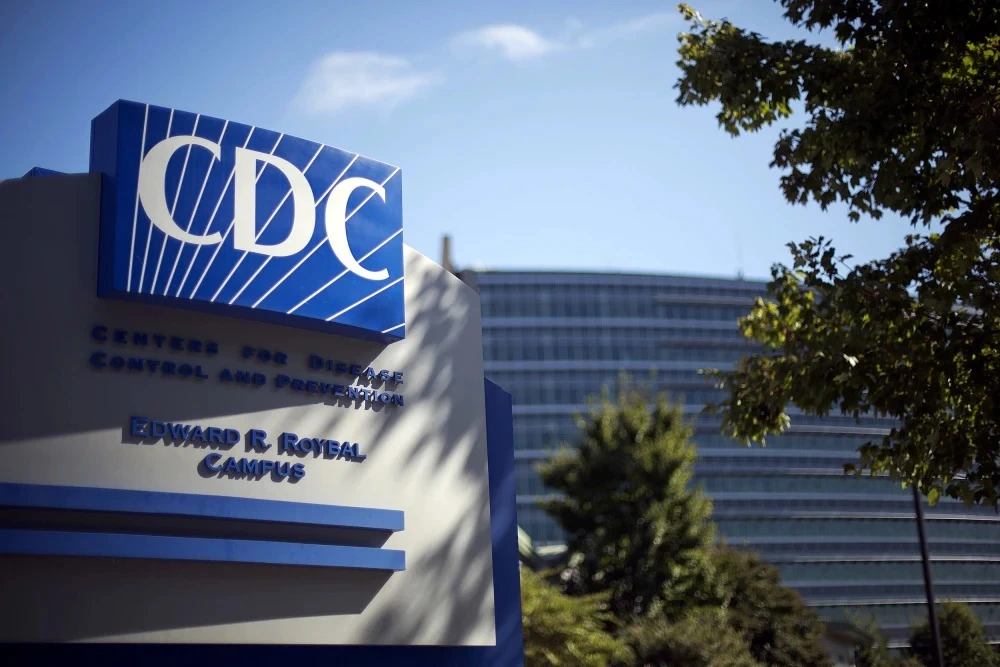
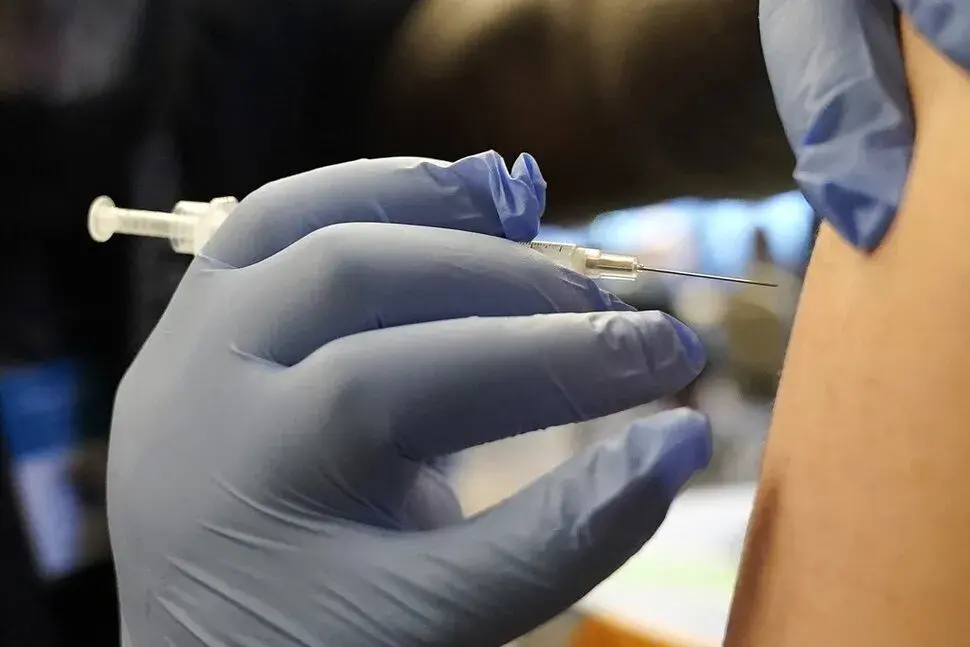
A newly emerging COVID-19 variant, NB.1.8.1 — known for its high transmissibility and recent surge in China — has now been identified in the United States, including cases in New York City, according to the Centers for Disease Control and Prevention (CDC). The variant was first detected among international travelers entering the U.S. between late March and early April through airports in California, Washington State, Virginia, and New York. Since then, additional infections have been reported in Ohio, Rhode Island, and Hawaii. Although the U.S. case count remains relatively small, public health experts are monitoring the situation closely due to the variant’s rapid spread across Asia, where it has become the leading strain. In Hong Kong, the NB.1.8.1 variant has led to a significant rise in hospital admissions and emergency visits, particularly affecting senior citizens. Reports indicate that within a span of four weeks, the city recorded 81 severe cases and 30 fatalities, primarily among individuals aged 65 and older. Mainland China has also seen a steep increase in COVID-positive patients in emergency departments, along with a spike in hospitalizations. However, Chinese health authorities maintain that the variant does not pose a greater threat than earlier strains. U.S. experts are taking a more cautious stance. Dr. Amy Edwards of Case Western Reserve University noted that while NB.1.8.1 may not result in more severe illness, its rapid transmission is concerning. “There’s a clear increase in hospital activity in places like China and Hong Kong,” she told CBS News. CDC data shows that those carrying the variant had traveled from countries including China, Japan, South Korea, Vietnam, Thailand, France, Spain, and Taiwan — suggesting broader international transmission. NB.1.8.1 presents symptoms similar to prior variants — including fatigue, fever, sore throat, and coughing — but scientists believe it has a “growth advantage,” potentially allowing it to spread more efficiently. Dr. Subhash Verma from the University of Nevada highlighted this increased transmissibility as a cause for concern. In Hong Kong, Dr. Edwin Tsui of the Centre for Health Protection urged vigilance, warning that the variant might be more adept at bypassing existing vaccine defenses. Health officials there are tracking the variant’s evolution in line with World Health Organization (WHO) guidance. The emergence of NB.1.8.1 coincides with changes to U.S. COVID-19 vaccine policy. The CDC recently updated its guidelines, advising against routine vaccination for healthy children and pregnant women. Future booster shots will primarily target high-risk populations, such as the elderly and immunocompromised individuals. Source: NDTV Photo Credit: Reuters

Highly Contagious COVID-19 Variant NB.1.8.1 Spreads from China to the US Read More »

CDC Retracts $11.4B in Covid Funds, Sparking Concerns Among Health Departments

The Centers for Disease Control and Prevention (CDC) is withdrawing $11.4 billion in Covid-related funding from state and community health departments, NGOs, and international recipients, the Department of Health and Human Services (HHS) confirmed Tuesday. HHS Communications Director Andrew Nixon stated, “The COVID-19 pandemic is over, and HHS will no longer waste billions of taxpayer dollars responding to a non-existent pandemic. We are shifting focus to tackling chronic diseases and making America healthy again.” The funding retraction notices were sent Monday, giving recipients 30 days to reconcile expenditures. The affected grants primarily covered: Covid testing & vaccination Community health workers Health disparity initiatives for minority & rural populations Global Covid projects Wider Impact on Public Health While the federal public health emergency ended in May 2023, concerns remain over long Covid and ongoing infections, with hundreds of deaths still reported weekly. Health officials fear the cuts may undermine broader public health efforts. Kristina Iodice, spokesperson for Colorado’s Department of Public Health, warned the loss of funding could hamper outbreak response, disease tracking, and immunization efforts. Several state health departments confirmed receipt of the withdrawal notice, including Mississippi, Utah, and nine others. Officials in Texas and Florida were hit hardest, with $877 million and $482 million in grants canceled, respectively. HHS Budget Cuts Under New Leadership Under HHS Secretary Robert F. Kennedy Jr., the department has also canceled funding for: Vaccine hesitancy research LGBTQ+ health initiatives HIV prevention programs The CDC reviewed its Covid-related grants and determined which were no longer necessary, though a full list of rescinded projects has not been made public. As federal health funding undergoes a major shift, state agencies are now scrambling to assess the long-term effects of these sudden budget cuts. Source: NBC

CDC Retracts $11.4B in Covid Funds, Sparking Concerns Among Health Departments Read More »

Decline of COVID-19 Variant JN.1 as Emerging Subvariant Takes Hold

The prevalence of the dominant COVID-19 variant, JN.1, is waning as an emerging subvariant gains ground, signaling a shift in the trajectory of the pandemic. JN.1, which surged in the U.S. late last year, has seen a significant decrease in its contribution to new COVID-19 infections. Estimates from the Centers for Disease Control and Prevention indicate that JN.1 accounted for 86% of new cases over the past two weeks, down from 90% at the beginning of March. This variant, closely related to BA.2.86, had previously driven infections during the fall and winter months. Now, JN.1 is ceding ground to a subvariant, JN.1.13, which has experienced a notable increase in recent weeks. From comprising nearly 2% of new cases last month, JN.1.13 has risen to nearly 11% over the past two weeks. Additionally, another descendant, JN.1.18, has witnessed a modest uptick, albeit to a lesser extent, representing less than 2% of new infections in the same timeframe. Despite the emergence of various subvariants, overall COVID-19 transmission is declining across most regions of the U.S. While respiratory illness levels remain elevated in many areas, key indicators for the virus are on a downward trend. Weekly hospitalizations due to COVID-19 have decreased by nearly 14% in the past week, marking the first time new admissions have fallen below 10,000 since July 2023. Furthermore, recent data released by the CDC indicates a rise in life expectancy in 2022, attributed in part to a decline in COVID-19 mortality. Although this increase marks a reversal from the pandemic’s earlier impacts, it represents only a partial recovery from the losses incurred during the pandemic’s peak.

Decline of COVID-19 Variant JN.1 as Emerging Subvariant Takes Hold Read More »