

ArdorComm Media Group

Tuesday, April 14, 2026 7:53 PM

Climate Action

Climate Action Could Prevent 13.5 Million Air Pollution Deaths by 2050: Global Study
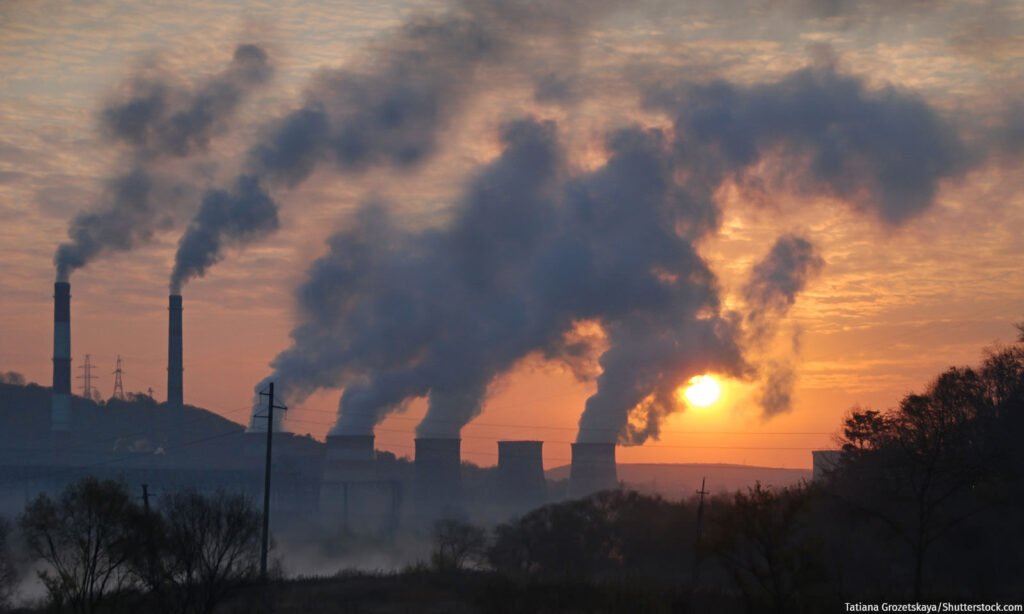
A new study published in The Lancet Global Health reveals that strong climate action aimed at limiting global warming to 2°C could prevent more than 13.5 million premature deaths caused by air pollution by 2050—primarily in low- and middle-income countries (LMICs). The research, led by experts including those from The University of Texas at Austin, highlights that the scale and distribution of health benefits depend significantly on how global climate mitigation efforts are shared among nations. According to the findings, a “least-cost” approach—where emissions are reduced wherever it is cheapest—places a heavier burden on LMICs. However, this model also delivers the greatest improvements in air quality in those regions, resulting in the highest number of lives saved. In contrast, an “equity-based” approach, where wealthier nations take on a larger share of emissions reduction, eases the financial burden on developing countries. But this could lead to nearly four million fewer lives saved, as emissions cuts may not occur in the most pollution-affected regions. Co-author Mark Budolfson noted a critical dilemma between climate justice and maximizing health outcomes, explaining that shifting mitigation responsibility to richer nations may unintentionally reduce life-saving air quality improvements in poorer countries. The study also evaluated a third scenario that combines equity with targeted air pollution controls in LMICs—such as reducing soot and sulphur dioxide emissions through advanced technologies in industries like power generation. This approach emerged as the most effective, balancing fairness with maximum health benefits. Another co-author, Noah Scovronick of Emory University, stressed the importance of designing climate policies that prioritize both justice and public health. He emphasized that developing nations must not miss the opportunity to achieve significant reductions in air pollution while transitioning to cleaner systems. The study underscores the need for global cooperation to craft climate strategies that are both equitable and life-saving. Source: PTI

Climate Action Could Prevent 13.5 Million Air Pollution Deaths by 2050: Global Study Read More »
ICJ’s Advisory Opinion: A Turning Point for Global Climate Governance?

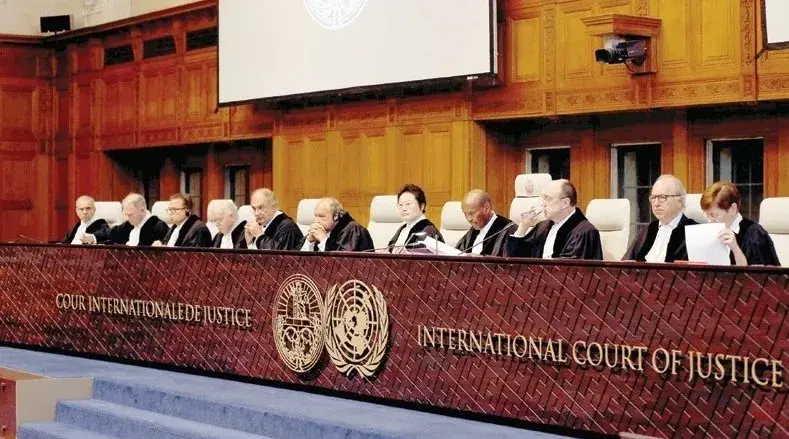
The International Court of Justice (ICJ) is set to issue an advisory opinion on states’ legal obligations concerning climate change, a decision expected to shape global climate governance despite its non-binding nature. Between December 2-13, 2024, the ICJ held public hearings to clarify existing international laws and obligations regarding climate action. While nations are not legally bound to comply, the ruling is likely to influence climate lawsuits and strengthen accountability measures against governments and corporations. Climate change, historically addressed through treaties like the UNFCCC, the Kyoto Protocol, and the Paris Agreement, has evolved into a multidimensional issue spanning economics, human rights, and global trade. The ICJ’s intervention could broaden climate governance by linking environmental policies with international trade, energy, and migration laws. However, critics argue that expanding the legal framework might create conflicts between climate laws and other international regulations, potentially slowing down global action. Nonetheless, the ICJ’s opinion could serve as a reference for future climate litigation, compelling nations to strengthen their commitments. With climate lawsuits on the rise worldwide, the court’s findings may set new precedents, redefining the role of international law in climate action. Source: Indian Express Photo Credit: Indian Express

ICJ’s Advisory Opinion: A Turning Point for Global Climate Governance? Read More »

Global Leaders Convene in New Delhi for 18th G20 Summit

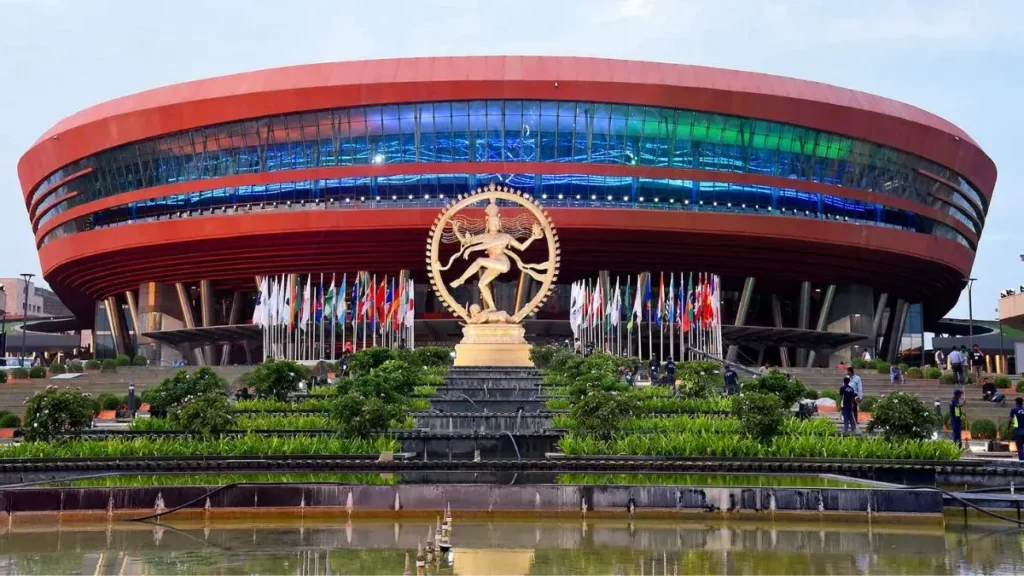
The 18th G20 Summit, hosted by India, kicked off today in the national capital, New Delhi, with more than 30 heads of state, top officials from the European Union, and invited guest countries in attendance. The two-day summit is being held at the newly inaugurated Bharat Mandapam, and it promises to address critical global challenges under the theme “Vasudhaiva Kutumbakam” or “One Earth · One Family · One Future.” The summit commenced with world leaders arriving at the venue, Bharat Mandapam, from 9.30 am onwards. The first session of the G20 Summit, titled ‘One Earth,’ took place at around 10.30 am. This session is dedicated to accelerating climate action, focusing on increased mitigation efforts and strengthening the global net zero emission agenda as soon as possible. The theme underscores the interconnectedness of all life forms on Earth, emphasizing the value of human, animal, plant, and microorganism life. In the evening, a dinner hosted by the President of India, Droupadi Murmu, was scheduled to bring together foreign delegates, parliamentarians, and ministers, along with former senior leaders of the nation. Key leaders attending the event include US President Joe Biden, British Prime Minister Rishi Sunak, Saudi Crown Prince Mohammed Bin Salman, Canadian Prime Minister Justin Trudeau, and Japanese Prime Minister Fumio Kishida. However, notably absent from the summit are Chinese President Xi Jinping and Russian President Vladimir Putin. China will be represented by Chinese Premier Li Qiang, while Russian Foreign Minister Sergey Lavrov will represent Russia. This marks India’s first time hosting the G20 Summit, with extensive preparations showcasing India’s tradition and strength. During its presidency, India has focused on various critical issues, including inclusive growth, digital innovation, climate resilience, and equitable global health access. India seeks to achieve the dual objectives of adding the African Union as a member of the G20 and resolving disagreements related to a joint statement concerning the conflict in Ukraine. The participating countries in the G20 Summit include Nigeria, Argentina, Italy, the African Union (represented by Comros), South Africa, Bangladesh, the United Kingdom, Japan, Saudi Arabia, the Republic of Korea, Egypt, Australia, the United States, Canada, China, the United Arab Emirates, Brazil, Indonesia, Turkey, Spain, Germany, France, Mauritius, the European Union, and Singapore. A warm welcome was extended to world leaders upon their arrival in Delhi, with Prime Minister Narendra Modi expressing confidence that the summit would chart a new path toward human-centric and inclusive development. Leaders who have arrived in the national capital for the G20 Summit include US President Joe Biden, UK Prime Minister Rishi Sunak, Bangladesh Prime Minister Sheikh Hasina, Italian Prime Minister Giorgia Meloni, Argentina President Alberto Fernandez, and Japan Prime Minister Fumio Kishida. The leaders were welcomed with traditional dance performances. Other distinguished attendees include Chinese Premier Li Qiang, UN Secretary-General Antonio Guterres, Oman Deputy Prime Minister Asaad bin Tariq bin Taimur, Russian Foreign Minister Sergey Lavrov, South Korean President Yoon Suk Yeol, Egypt President El-Sisi, UAE President Mohammed bin Zayed Al Nahyan, Australian Prime Minister Anthony Albanese, Canadian Prime Minister Justin Trudeau, Turkish President Recep Tayyip Erdogan, Indonesian President Joko Widodo, Singapore Prime Minister Lee Hsien Loong, and Brazilian President Luiz Inacio Lula da Silva. Additionally, African Union Chairperson Azali Assoumani, United Nations Secretary-General Antonio Guterres, International Monetary Fund (IMF) Managing Director Kristalina Georgieva, Mauritius Prime Minister Pravind Kumar Jugnauth, Organisation for Economic Cooperation and Development (OECD) Secretary-General Mathias Cormann, World Trade Organization (WTO) Director-General Ngozi Okonjo-Iweala, and European Commission President Ursula von der Leyen have also arrived in Delhi to participate in the summit. The 18th G20 Summit holds the promise of fostering collaborative solutions for the benefit of the global population and contributing to overall global well-being in a rapidly changing world.

Global Leaders Convene in New Delhi for 18th G20 Summit Read More »