


ArdorComm Media Group

Tuesday, December 2, 2025 1:09 PM

Climate Resilience

India Records Over 7,000 Suspected Heatstroke Cases and 14 Confirmed Deaths Amid Rising Temperatures
Ardorcomm news

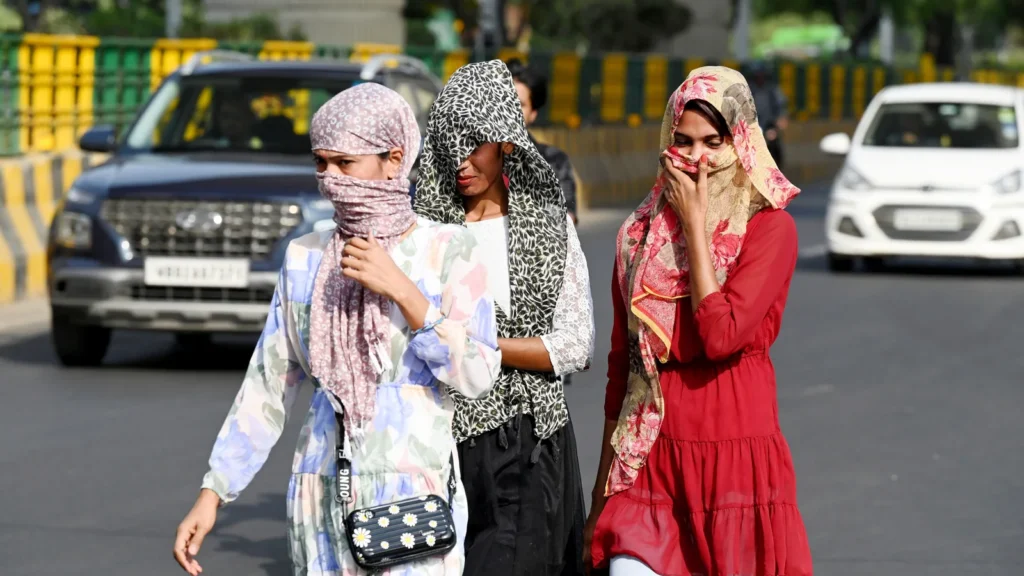
Between March 1 and June 24, 2025, India recorded 7,192 suspected cases of heatstroke and 14 confirmed deaths due to extreme heat, according to data obtained by PTI through the Right to Information (RTI) Act. The information, provided by the National Centre for Disease Control (NCDC), points to a growing public health concern amid soaring temperatures, as India experiences one of its hottest years on record since 1901. Majority of Heatstroke Cases Reported in May May proved to be the most critical month, with 2,962 suspected cases and three confirmed deaths. In April, there were 2,140 suspected cases and six confirmed fatalities, while March saw 705 cases and two deaths. Up to June 24, June added another 1,385 suspected cases and three confirmed fatalities. Andhra Pradesh emerged as the worst-hit state, reporting 4,055 suspected cases — more than half the national total during the period. Other significantly affected states included Rajasthan (373 cases), Odisha (350), Telangana (348), and Madhya Pradesh (297). Gaps in Death Reporting Highlight Systemic Flaws Despite the high number of suspected cases, many states, including those with hundreds of reported incidents, recorded few or no confirmed deaths. Maharashtra and Uttarakhand topped the list of confirmed fatalities, each reporting three deaths. Telangana, Odisha, Tamil Nadu, Jharkhand, Uttar Pradesh, and West Bengal each reported one. Experts and officials say the actual toll is likely much higher than reported due to systemic shortcomings in data collection and diagnosis. NCDC’s figures are based on reports from hospitals under the Integrated Disease Surveillance Programme (IDSP), leaving out cases that go untreated or undiagnosed, especially those occurring outside medical facilities. A health ministry official, speaking anonymously, acknowledged these limitations: “We only capture a fraction of real cases. Many deaths go unclassified due to lack of capacity, staff, and timely reporting in hospitals.” Inconsistent Records Across Agencies India’s fragmented approach to tracking heat-related illnesses was further exposed in a PTI investigation. For the 2015–2022 period, three government agencies reported vastly different numbers: NCDC cited 3,812 heat-related deaths, the National Crime Records Bureau (NCRB) recorded 8,171, and the India Meteorological Department (IMD) listed 3,436. Discrepancies are further worsened by states failing to provide complete or timely data. In previous years, Delhi, Uttar Pradesh, Punjab, Haryana, Bihar, Karnataka, Kerala, Chhattisgarh, and West Bengal have all been inconsistent in their reporting, with some reportedly underreporting deaths to avoid paying compensation. Heat-Related Deaths Often Misclassified Abhiyant Tiwari, Climate Resilience and Health Lead at NRDC India, emphasized the difficulty of accurately linking deaths to heat exposure. “Many are recorded as heart attacks or other conditions. To understand the true impact, we must look at excess mortality during heatwaves,” he said. Soumya Swaminathan, advisor to the Health Ministry, echoed the call for reform. “We need stronger death certification and reporting systems. Reliable data is essential for shaping effective climate and health policies,” she noted. As climate change intensifies the frequency and severity of heatwaves, the lack of a unified, robust national surveillance system remains a serious barrier to India’s readiness and response. Source: Economic Times  
India Records Over 7,000 Suspected Heatstroke Cases and 14 Confirmed Deaths Amid Rising Temperatures Read More »

Global Leaders Convene in New Delhi for 18th G20 Summit

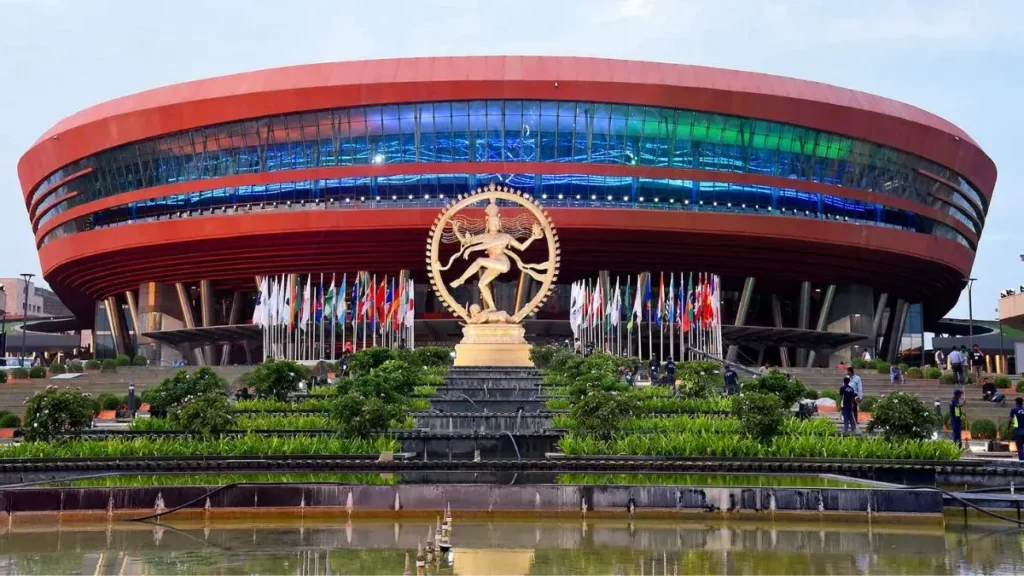
The 18th G20 Summit, hosted by India, kicked off today in the national capital, New Delhi, with more than 30 heads of state, top officials from the European Union, and invited guest countries in attendance. The two-day summit is being held at the newly inaugurated Bharat Mandapam, and it promises to address critical global challenges under the theme “Vasudhaiva Kutumbakam” or “One Earth · One Family · One Future.” The summit commenced with world leaders arriving at the venue, Bharat Mandapam, from 9.30 am onwards. The first session of the G20 Summit, titled ‘One Earth,’ took place at around 10.30 am. This session is dedicated to accelerating climate action, focusing on increased mitigation efforts and strengthening the global net zero emission agenda as soon as possible. The theme underscores the interconnectedness of all life forms on Earth, emphasizing the value of human, animal, plant, and microorganism life. In the evening, a dinner hosted by the President of India, Droupadi Murmu, was scheduled to bring together foreign delegates, parliamentarians, and ministers, along with former senior leaders of the nation. Key leaders attending the event include US President Joe Biden, British Prime Minister Rishi Sunak, Saudi Crown Prince Mohammed Bin Salman, Canadian Prime Minister Justin Trudeau, and Japanese Prime Minister Fumio Kishida. However, notably absent from the summit are Chinese President Xi Jinping and Russian President Vladimir Putin. China will be represented by Chinese Premier Li Qiang, while Russian Foreign Minister Sergey Lavrov will represent Russia. This marks India’s first time hosting the G20 Summit, with extensive preparations showcasing India’s tradition and strength. During its presidency, India has focused on various critical issues, including inclusive growth, digital innovation, climate resilience, and equitable global health access. India seeks to achieve the dual objectives of adding the African Union as a member of the G20 and resolving disagreements related to a joint statement concerning the conflict in Ukraine. The participating countries in the G20 Summit include Nigeria, Argentina, Italy, the African Union (represented by Comros), South Africa, Bangladesh, the United Kingdom, Japan, Saudi Arabia, the Republic of Korea, Egypt, Australia, the United States, Canada, China, the United Arab Emirates, Brazil, Indonesia, Turkey, Spain, Germany, France, Mauritius, the European Union, and Singapore. A warm welcome was extended to world leaders upon their arrival in Delhi, with Prime Minister Narendra Modi expressing confidence that the summit would chart a new path toward human-centric and inclusive development. Leaders who have arrived in the national capital for the G20 Summit include US President Joe Biden, UK Prime Minister Rishi Sunak, Bangladesh Prime Minister Sheikh Hasina, Italian Prime Minister Giorgia Meloni, Argentina President Alberto Fernandez, and Japan Prime Minister Fumio Kishida. The leaders were welcomed with traditional dance performances. Other distinguished attendees include Chinese Premier Li Qiang, UN Secretary-General Antonio Guterres, Oman Deputy Prime Minister Asaad bin Tariq bin Taimur, Russian Foreign Minister Sergey Lavrov, South Korean President Yoon Suk Yeol, Egypt President El-Sisi, UAE President Mohammed bin Zayed Al Nahyan, Australian Prime Minister Anthony Albanese, Canadian Prime Minister Justin Trudeau, Turkish President Recep Tayyip Erdogan, Indonesian President Joko Widodo, Singapore Prime Minister Lee Hsien Loong, and Brazilian President Luiz Inacio Lula da Silva. Additionally, African Union Chairperson Azali Assoumani, United Nations Secretary-General Antonio Guterres, International Monetary Fund (IMF) Managing Director Kristalina Georgieva, Mauritius Prime Minister Pravind Kumar Jugnauth, Organisation for Economic Cooperation and Development (OECD) Secretary-General Mathias Cormann, World Trade Organization (WTO) Director-General Ngozi Okonjo-Iweala, and European Commission President Ursula von der Leyen have also arrived in Delhi to participate in the summit. The 18th G20 Summit holds the promise of fostering collaborative solutions for the benefit of the global population and contributing to overall global well-being in a rapidly changing world.

Global Leaders Convene in New Delhi for 18th G20 Summit Read More »