

ArdorComm Media Group

Tuesday, November 11, 2025 8:16 PM

COVID19

Decline of COVID-19 Variant JN.1 as Emerging Subvariant Takes Hold
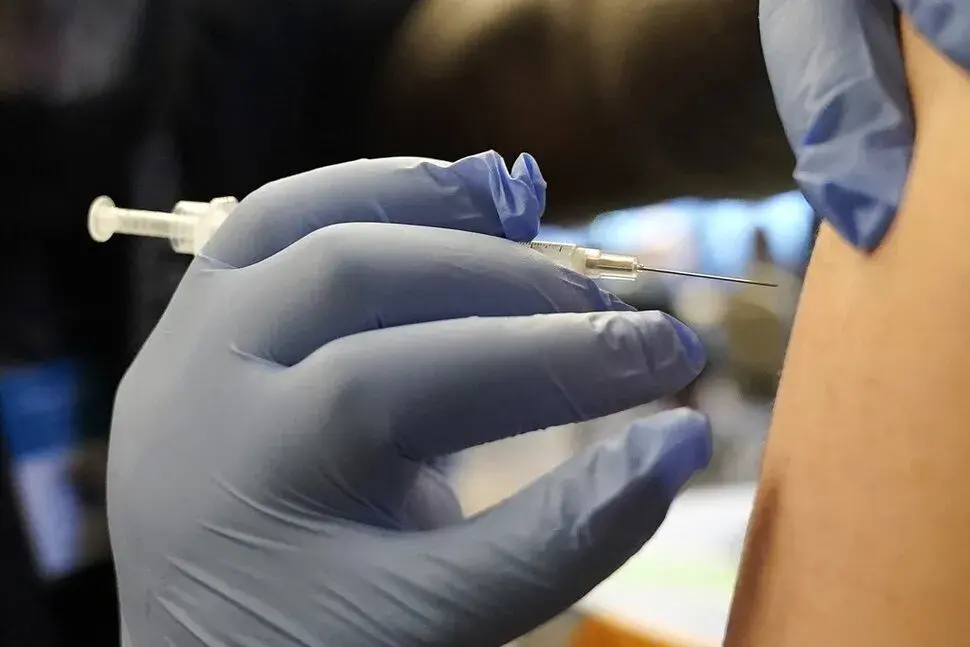
The prevalence of the dominant COVID-19 variant, JN.1, is waning as an emerging subvariant gains ground, signaling a shift in the trajectory of the pandemic. JN.1, which surged in the U.S. late last year, has seen a significant decrease in its contribution to new COVID-19 infections. Estimates from the Centers for Disease Control and Prevention indicate that JN.1 accounted for 86% of new cases over the past two weeks, down from 90% at the beginning of March. This variant, closely related to BA.2.86, had previously driven infections during the fall and winter months. Now, JN.1 is ceding ground to a subvariant, JN.1.13, which has experienced a notable increase in recent weeks. From comprising nearly 2% of new cases last month, JN.1.13 has risen to nearly 11% over the past two weeks. Additionally, another descendant, JN.1.18, has witnessed a modest uptick, albeit to a lesser extent, representing less than 2% of new infections in the same timeframe. Despite the emergence of various subvariants, overall COVID-19 transmission is declining across most regions of the U.S. While respiratory illness levels remain elevated in many areas, key indicators for the virus are on a downward trend. Weekly hospitalizations due to COVID-19 have decreased by nearly 14% in the past week, marking the first time new admissions have fallen below 10,000 since July 2023. Furthermore, recent data released by the CDC indicates a rise in life expectancy in 2022, attributed in part to a decline in COVID-19 mortality. Although this increase marks a reversal from the pandemic’s earlier impacts, it represents only a partial recovery from the losses incurred during the pandemic’s peak.

Decline of COVID-19 Variant JN.1 as Emerging Subvariant Takes Hold Read More »
WHO Launches Biomanufacturing Workforce Training Initiative for Global Health Resilience

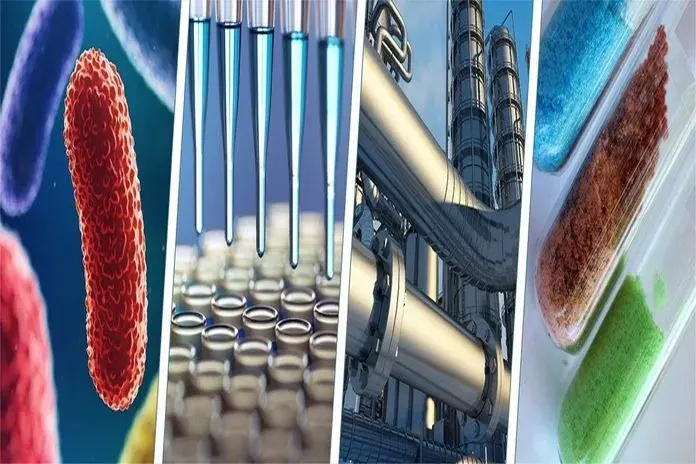
The World Health Organization (WHO) has unveiled the WHO Biomanufacturing Workforce Training Initiative in response to the COVID-19 pandemic’s impact on global supply chains, particularly affecting low- and middle-income countries’ access to essential medical products. This initiative aims to address the shortage of biomanufacturing capacity and qualified workforce in LMICs, which hinders the local production of biological products crucial for addressing global health challenges. Coordinated by the Local Production and Assistance (LPA) Unit of WHO, in collaboration with the WHO Academy and WHO Science Division, the initiative will provide accessible and tailored training programs aligned with international standards. Dr. Jicui Dong, Unit Head of the LPA Unit, will lead the initiative, focusing on three pillars: existing capacity-building activities within WHO, the Global Training Hub for Biomanufacturing (GTH-B), and regional training centers. WHO’s capacity-building programs have a track record of success in providing technical assistance to manufacturers and Member States. These programs include virtual and hands-on training sessions tailored to real-life scenarios, promoting sustainable and quality local production. The GTH-B, established in 2023 with the Republic of Korea, offers training programs on manufacturing best practices and vaccinology to LMICs, including hands-on training in manufacturing facilities. Regional training centers, as recommended by the 2nd World Local Production Forum, will further enhance geographical diversity and resource synchronization. Expressions of interest for regional training centers to join the global network under the Biomanufacturing Workforce Training Initiative will be invited soon. By enhancing bioproduction capabilities in LMICs, the WHO Biomanufacturing Workforce Training Initiative seeks to strengthen global health resilience and address disparities in access to essential medical products. This initiative underscores WHO’s commitment to promoting equitable solutions and building a skilled workforce to combat current and future health challenges.

WHO Launches Biomanufacturing Workforce Training Initiative for Global Health Resilience Read More »

India Witnesses Third COVID-19 Wave, Officials Confirm JN.1 Variant Impact

As India grapples with the ongoing challenges posed by the COVID-19 pandemic, official sources have confirmed the emergence of the JN.1 variant. However, reassuringly, the available data suggests that this variant is not causing an exponential rise in new cases, nor is it associated with a surge in hospitalizations and mortality rates. India has experienced three distinct waves of COVID-19, with the most significant impact observed during the Delta wave in April-June 2021. At its peak, the country reported a staggering 4,14,188 (4.14 lakh) new cases and 3,915 deaths on May 7, 2021. The latest data indicates that the JN.1 variant is not leading to a scenario similar to the Delta wave peak. This information comes as a relief amid concerns about the potential impact of new variants on the country’s healthcare system. Since the onset of the pandemic in early 2020, India has witnessed more than 4.50 crore people contracting the virus, with over 5.30 lakh fatalities recorded over the course of about four years. This underscores the persisting challenges and the need for ongoing efforts to combat the spread of the virus and mitigate its impact on public health. As the situation continues to evolve, health authorities are closely monitoring the spread and characteristics of the JN.1 variant. The confirmation that the variant is not currently associated with a severe increase in cases provides valuable insights for public health strategies.

India Witnesses Third COVID-19 Wave, Officials Confirm JN.1 Variant Impact Read More »

Health Minister Mandaviya Chairs High-Level Meeting on Preparedness for COVID-19 Variant JN.1 in India

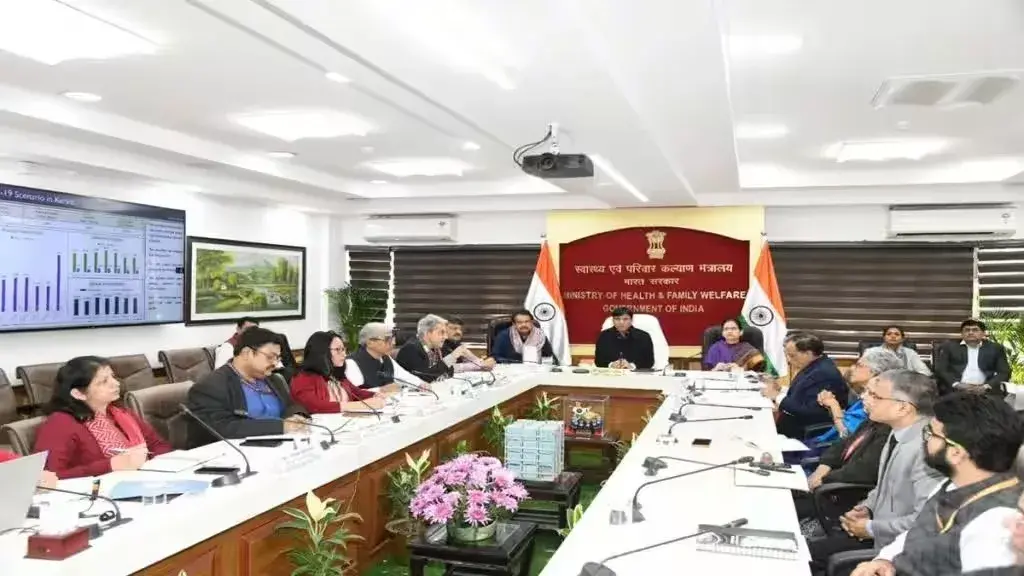
In response to the emergence of the COVID-19 variant JN.1 in India, Health Minister Mansukh Mandaviya convened a virtual high-level meeting on Wednesday to evaluate the current status and preparedness for the evolving situation. The meeting was attended by MoS (Health) Prof SP Singh Baghel, Health Minister of Uttarakhand Dr. Dhan Singh Rawat, ICMR DG Dr. Rajeev Bahl, Member (Health) NITI Aayog Dr. V K Paul, and former WHO Scientist Dr. Soumya Swaminathan. As India grapples with a surge in fresh COVID-19 cases, the meeting aimed to foster a collaborative “Whole of Government” approach in close coordination among various states. The attendees discussed the importance of vigilance without causing panic and emphasized the need for comprehensive preparedness measures. Minister Mandaviya stressed the significance of unity and collaboration, stating, “It is time to work together in a ‘Whole of Government’ approach, through closely working with each other. We need to be on the alert, but there is no need to panic.” He urged the implementation of mock drills for hospital preparedness, increased surveillance, and effective communication with the public. Notably, he proposed conducting mock drills in all hospitals every three months to enhance readiness. Acknowledging the gravity of the situation, the Health Minister assured full support from the Central Government to the states. The meeting addressed the necessity of proactive measures, given the reported death of an individual in Karnataka’s Bengaluru on Wednesday, who was not only affected by COVID-19 but also had co-morbidities. The gathering highlighted the collaborative efforts of state health ministers and key health officials, aiming to ensure a coordinated and efficient response to the challenges posed by the emerging COVID-19 variant. As India remains vigilant against the evolving scenario, the commitment to preparedness, regular mock drills, and enhanced communication strategies underscores the nation’s determination to combat the pandemic effectively. The proactive approach advocated by Health Minister Mandaviya aligns with the evolving dynamics of the pandemic, emphasizing the need for continuous preparedness and a united effort in the face of emerging variants.

Health Minister Mandaviya Chairs High-Level Meeting on Preparedness for COVID-19 Variant JN.1 in India Read More »