


ArdorComm Media Group

Sunday, July 26, 2026 4:23 PM

diabetes care

Poor Muscle Health Along With Obesity May Significantly Raise Type 2 Diabetes Risk: Study
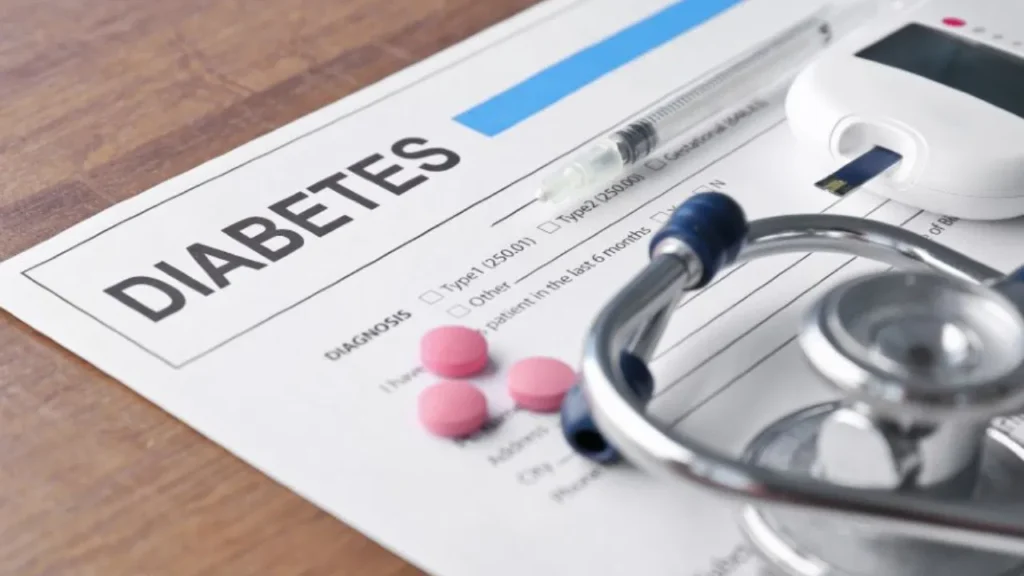
A combination of poor muscle health and excess body fat may substantially increase the risk of developing type 2 diabetes, according to a new study published in the journal Diabetes Care. Researchers found that individuals with sarcopenic obesity—a condition marked by both obesity and reduced muscle mass and strength—face a considerably higher diabetes risk than those affected by either condition alone. The research, led by Zhongyang Guan, a PhD candidate at Curtin University in Australia, analyzed health data from 479,607 participants in the UK Biobank who were free of diabetes at the start of the study. During an average follow-up period of more than 14 years, nearly 32,950 participants developed type 2 diabetes. According to the findings, people with sarcopenic obesity were more than 3.5 times as likely to develop type 2 diabetes compared to individuals with a healthy body composition. They also had a 19% higher risk than people with obesity alone and a 91% higher risk than those with only sarcopenia. The study revealed that nearly 15% of participants with sarcopenic obesity developed type 2 diabetes within 10 years, compared with around 11% of those with obesity alone and only 3% of individuals without obesity or sarcopenia. Researchers also observed that the association between sarcopenic obesity and diabetes was particularly pronounced among women and adults younger than 60 years. Guan noted that while excess body weight is widely recognized as a diabetes risk factor, the findings highlight that muscle health plays an equally important role in determining an individual’s risk. The authors concluded that evaluating both body fat and muscle health could improve the identification of people at high risk of developing type 2 diabetes. Senior author Professor Mario Siervo from Curtin University’s Faculty of Health Sciences said healthcare providers should consider assessing muscle health alongside body weight. He added that maintaining muscle strength through regular physical activity, resistance training, and healthy lifestyle habits may help reduce the growing burden of type 2 diabetes, particularly as obesity rates continue to rise and populations age. Source: PTI
Poor Muscle Health Along With Obesity May Significantly Raise Type 2 Diabetes Risk: Study Read More »

Thyrocare rolls out GLP-1 Health Check packages to support safe use of weight-loss and diabetes drugs

Thyrocare Technologies Ltd. has introduced a new set of diagnostic packages called the GLP-1 Health Check, designed to help individuals using GLP-1–based medications for weight management and type 2 diabetes track their overall health. The nationwide offering includes up to 81 tests, starting at ₹2,799, aimed at monitoring key metabolic, nutritional, liver, kidney and thyroid markers both before beginning GLP-1 therapy and during ongoing treatment. GLP-1 agonists—drugs that replicate the action of the hormone glucagon-like peptide-1—have rapidly grown in demand for obesity and diabetes management. With their rising use, doctors have stressed the need for continuous health monitoring to ensure treatment efficacy and early detection of adverse reactions. According to Thyrocare, the panels were developed with guidance from leading clinicians to help users establish baseline health data, identify possible nutrient deficiencies and track metabolic changes. The test menu includes lipid profile, fasting glucose, fasting insulin, HOMA-IR, liver and kidney function tests, and cardiac risk markers. Kidney assessments have been emphasized as GLP-1 medicines may cause dehydration or electrolyte disturbances. Since these therapies can suppress appetite and contribute to vitamin deficiencies, the packages also check vitamin D, vitamin B12 and hemoglobin levels. Tests for amylase and lipase help screen for pancreatitis, while thyroid markers (T3, T4, TSH) monitor potential therapy-related hormonal shifts. Thyrocare said that offering all these tests in one bundle simplifies comprehensive monitoring for people on GLP-1 medications. Rahul Guha, managing director and CEO of Thyrocare, said the growing adoption of GLP-1 drugs in India calls for reliable diagnostic support. “These therapies are powerful and effective when used responsibly, and consistent monitoring ensures better outcomes,” he noted. Endocrinologist Dr. Shehla Shaikh added that structured medical oversight is crucial for safe weight-management treatment. Comprehensive testing, she said, helps safeguard nutritional balance, organ function and long-term safety. The GLP-1 Health Check packages can be booked through Thyrocare, PharmEasy, and partner platforms, aligning with Thyrocare’s broader push toward preventive and precision healthcare for metabolic and lifestyle-related conditions. Source: Economic Times

Thyrocare rolls out GLP-1 Health Check packages to support safe use of weight-loss and diabetes drugs Read More »