ArdorComm Media Group

Thursday, March 12, 2026 3:44 PM

Diagnostics

CSIR, ICMR Chart Joint Roadmap to Boost Collaborative Health Research

The Council of Scientific and Industrial Research (CSIR) and the Indian Council of Medical Research (ICMR) held a high-level strategy meeting to advance a unified roadmap for collaborative health research, the Ministry of Science & Technology said on Tuesday. The session took place at the CSIR Science Centre in New Delhi and was co-chaired by N. Kalaiselvi, Director General of CSIR, and Rajiv Bahl, Director General of ICMR and Secretary, Department of Health Research. The two organisations reviewed progress on major joint initiatives, including CSIR-developed molecules progressing toward clinical trials, updates on ICMR-supported Centres of Advanced Research within CSIR labs, and implementation of large-scale national projects. The meeting also emphasised expanding wastewater surveillance for a wider range of pathogens across cities, hospitals and communities, aligning with the One Health Mission. Discussions included defining the roles of CSIR and ICMR in drug development, clinical trials, and leveraging ICMR’s large-animal toxicity testing infrastructure. The joint AcSIR–ICMR Ph.D. programme was also reviewed, with a focus on widening opportunities for young researchers by integrating ICMR and CSIR fellowship pathways. Both Dr. Kalaiselvi and Dr. Bahl stressed the importance of combining CSIR’s scientific and technological expertise with ICMR’s public health capabilities to deliver national-scale outcomes. They highlighted the need for structured, time-bound collaboration, particularly for co-developing technologies such as a digitally operated medical emergency drone service. Experts concluded by reaffirming plans to deepen cooperation in biomedical sciences, diagnostics, digital health, environmental surveillance, and other emerging healthcare domains. Source: IANS

CSIR, ICMR Chart Joint Roadmap to Boost Collaborative Health Research Read More »
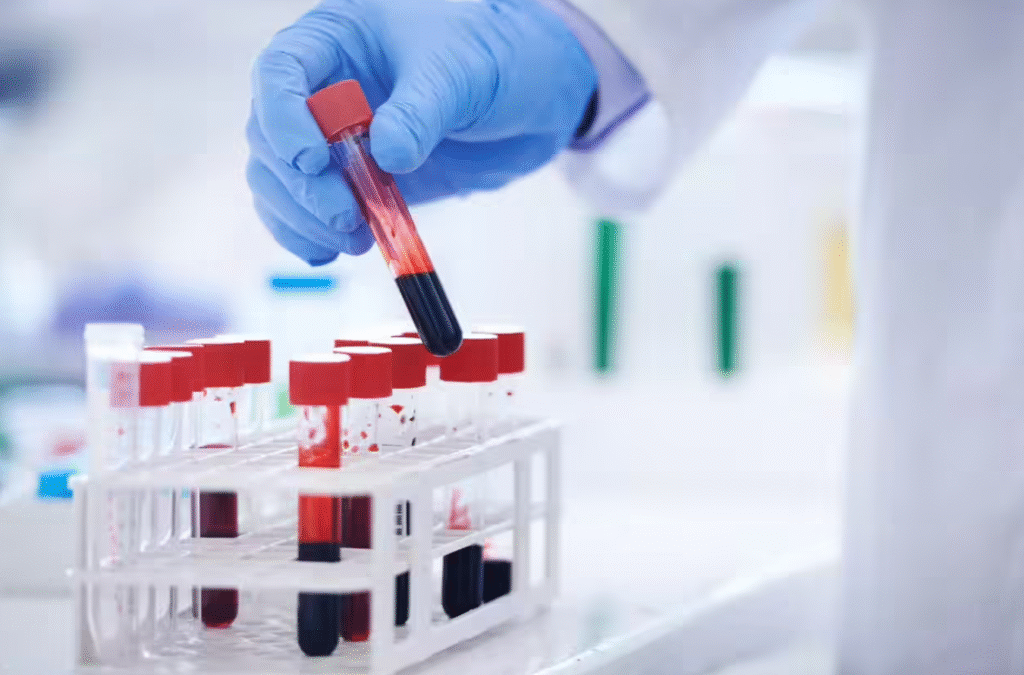
Thyrocare rolls out GLP-1 Health Check packages to support safe use of weight-loss and diabetes drugs

Thyrocare Technologies Ltd. has introduced a new set of diagnostic packages called the GLP-1 Health Check, designed to help individuals using GLP-1–based medications for weight management and type 2 diabetes track their overall health. The nationwide offering includes up to 81 tests, starting at ₹2,799, aimed at monitoring key metabolic, nutritional, liver, kidney and thyroid markers both before beginning GLP-1 therapy and during ongoing treatment. GLP-1 agonists—drugs that replicate the action of the hormone glucagon-like peptide-1—have rapidly grown in demand for obesity and diabetes management. With their rising use, doctors have stressed the need for continuous health monitoring to ensure treatment efficacy and early detection of adverse reactions. According to Thyrocare, the panels were developed with guidance from leading clinicians to help users establish baseline health data, identify possible nutrient deficiencies and track metabolic changes. The test menu includes lipid profile, fasting glucose, fasting insulin, HOMA-IR, liver and kidney function tests, and cardiac risk markers. Kidney assessments have been emphasized as GLP-1 medicines may cause dehydration or electrolyte disturbances. Since these therapies can suppress appetite and contribute to vitamin deficiencies, the packages also check vitamin D, vitamin B12 and hemoglobin levels. Tests for amylase and lipase help screen for pancreatitis, while thyroid markers (T3, T4, TSH) monitor potential therapy-related hormonal shifts. Thyrocare said that offering all these tests in one bundle simplifies comprehensive monitoring for people on GLP-1 medications. Rahul Guha, managing director and CEO of Thyrocare, said the growing adoption of GLP-1 drugs in India calls for reliable diagnostic support. “These therapies are powerful and effective when used responsibly, and consistent monitoring ensures better outcomes,” he noted. Endocrinologist Dr. Shehla Shaikh added that structured medical oversight is crucial for safe weight-management treatment. Comprehensive testing, she said, helps safeguard nutritional balance, organ function and long-term safety. The GLP-1 Health Check packages can be booked through Thyrocare, PharmEasy, and partner platforms, aligning with Thyrocare’s broader push toward preventive and precision healthcare for metabolic and lifestyle-related conditions. Source: Economic Times

Thyrocare rolls out GLP-1 Health Check packages to support safe use of weight-loss and diabetes drugs Read More »

Delhi Govt to Boost Healthcare with More Dialysis Machines, Imaging Services via PPP Model

The Delhi government is set to enhance its public healthcare system by adding over 30 new dialysis machines, expanding access to diagnostic services like MRI, CT scans, and ultrasounds through the Public-Private Partnership (PPP) model, and constructing rest houses (VishramGrih) for patients and their caregivers, according to senior officials. These initiatives were reviewed during a key meeting of the Health Department held on June 18, chaired by Delhi Health Minister Pankaj Kumar Singh. The meeting focused on strengthening medical infrastructure and service delivery in the national capital. As part of its ongoing efforts under the Pradhan Mantri National Dialysis Programme (PMNDP) operating via the PPP model, the government has already deployed 150 dialysis machines across 16 public hospitals. Singh confirmed that an additional 32 to 40 machines will soon be installed to meet growing demand. Officials also assessed progress on various health schemes and facilities, including the operationalisation of Ayushman Arogya Mandirs, the development of critical care units under the PM-Ayushman Bharat Health Infrastructure Mission (PM-ABHIM), and the rollout of Jan Aushadhi Kendras to ensure affordable medicine availability. Other key issues on the agenda included the outsourcing of registration services in outpatient (OPD) and inpatient (IPD) departments, addressing manpower shortages in hospitals and Mohalla Clinics, implementing the Hospital Information Management System (HIMS), and ensuring smooth procurement of essential medical supplies. In addition, the Health Minister directed the formation of new health councils and committees, and stressed the identification of sensitive roles within the health department to improve transparency and governance. A senior official noted that the minister has issued strict deadlines, with most initiatives expected to be completed within the next three to four weeks or by the following month. These efforts reflect the Delhi government’s renewed push to modernize its healthcare delivery system and improve patient experience across the city. Source: PTI

Delhi Govt to Boost Healthcare with More Dialysis Machines, Imaging Services via PPP Model Read More »

WHO and FIND Join Forces to Accelerate Diagnostic Innovation and Access

FIND and the World Health Organization (WHO) have signed a new Memorandum of Understanding (MoU) that lays the foundation for accelerating innovation and achieving equitable access to quality diagnostics for people globally. One year on from the historic resolution to strengthen diagnostics, and with FIND as co-lead of the Access to COVID-19 Tools (ACT) Accelerator diagnostics pillar, this new agreement marks a step change in a strengthened partnership between WHO and FIND to speed up both innovation and access to diagnostics, supporting countries to implement the World Health Assembly (WHA) Resolution on diagnostics. “We are proud to be signing this MoU with WHO, as quality and accessible diagnostic testing is the backbone of health systems, primary healthcare and health security,” said Dr. Ayoade Alakija, Board Chair of FIND. “At a time when there have been three cases of H5N1 avian flu spillover events from cows to humans in the last month and an outbreak of mpox in the Democratic Republic of the Congo, the importance of diagnostic testing to identify outbreaks and quash them before they become major epidemics or even pandemics has never been more critical.” This new agreement establishes FIND as the key strategic partner for diagnostics, working with WHO and others to address a number of priority areas including antimicrobial resistance, infectious diseases like HIV, malaria and tuberculosis, and noncommunicable diseases like hypertension, heart disease, cervical cancer and diabetes. Signed on 1 June 2024 at a ceremony attended by Dr. Tedros Adhanom Ghebreyesus, Dr. Yukiko Nakatani (Assistant Director-General), and Dr. Ayoade Alakija (Board Chair of FIND), the MoU will also see the two organizations building new avenues to share knowledge and scale up critical activities to accelerate access to life-saving diagnostics. The signing of this MoU formalizes a long-standing partnership between WHO and FIND and marks a major milestone in the journey towards better health and well-being across the world. By leveraging the strengths and expertise of both WHO and FIND, this partnership promises to drive innovation on diagnostic tests and also improve access to the tests to reduce health inequalities, ultimately leading to a healthier future for people everywhere.  

WHO and FIND Join Forces to Accelerate Diagnostic Innovation and Access Read More »

G20 Health Ministers Unite for Resilient and Equitable Access to Affordable Medicines in Developing Nations

During the G20 Health Ministers meeting, a consensus emerged to establish stronger, more inclusive health systems that provide fair access to safe, quality, and affordable vaccines, therapeutics, diagnostics, and medical countermeasures, particularly in low and middle-income countries and small island developing states. The outcome document, consisting of 25 paragraphs, received unanimous approval from all G20 delegations, except for paragraph 22, which focused on the geopolitical situation in Ukraine. According to the released outcome document after the meeting in Gandhinagar on August 19, there was agreement on creating a research and development network for vaccines, therapeutics, and diagnostics. Additionally, plans were made to establish a platform for readily accessible open-source and interoperable digital solutions. Health ministers also expressed optimism about the ongoing negotiations within the intergovernmental negotiating body (INB) for a legally binding WHO convention or international instrument related to pandemic prevention and preparedness, with a target of achieving this by May 2024. They recognized the need to fortify health systems against the impacts of climate change and pledged to prioritize the development of climate-resilient health systems. This includes creating sustainable and low-carbon/low greenhouse gas (GHG) emission healthcare systems and supply chains that offer high-quality care and mobilizing resources for resilient, low-carbon health systems. The G20 member countries committed to addressing antimicrobial resistance (AMR) comprehensively through a One Health approach. This entails strengthening governance, coordination, research and development, infection prevention and control, and improving awareness of AMR. Responsible use of antimicrobials across humans, animals, and plant sectors, along with preserving existing therapeutics through antimicrobial stewardship, was also emphasized. Moreover, the G20 recognized the potential of evidence-based traditional and complementary medicine (T&CM) in public health delivery, provided that these practices are scientifically validated for safety and effectiveness. They also acknowledged the significance of digital health and the modernization of health data systems in improving healthcare accessibility and equity. The ministers recommended closer coordination among existing digital health initiatives to create a seamless digital health ecosystem, endorsing the WHO’s Global Initiative on Digital Health to implement the WHO’s Global Digital Health Strategy 2020-2025. This initiative, managed by the WHO, aims to reduce fragmentation, promote interoperable open-source digital solutions, and support countries in implementing high-quality digital health systems with a people-centric focus.

G20 Health Ministers Unite for Resilient and Equitable Access to Affordable Medicines in Developing Nations Read More »