ArdorComm Media Group

Wednesday, August 26, 2026 1:16 AM

Digital India

Gujarat Rolls Out AI Action Plan to Revolutionize Governance by 2030

Ardorcomm news

The Gujarat government has approved a comprehensive Artificial Intelligence (AI) Implementation Action Plan for 2025–2030, signaling a major step toward embedding AI technologies into its governance and public service mechanisms. Endorsed by Chief Minister Bhupendra Patel, the initiative is geared toward enhancing service delivery, optimizing administrative efficiency, and leveraging AI across key sectors including healthcare, education, agriculture, and finance. This strategic blueprint, developed by the Department of Science and Technology and shaped by insights from a 10-member AI Taskforce, aligns with national development visions such as Viksit Gujarat@2047 and Viksit Bharat@2047. It also supports the Centre’s push under Prime Minister Narendra Modi’s leadership to integrate AI into governance, public policy, and digital infrastructure. The five-year roadmap highlights six core areas: Data Security and Compliance: Establishing a trusted, regulation-friendly data environment. Infrastructure Development: Expanding GPU- and cloud-powered digital frameworks, with plans to launch AI factories in smaller cities. Skilling Initiatives: Training 2.5 lakh individuals—including students, MSMEs, and government personnel—in AI, machine learning, and emerging technologies. Research & Industry Collaboration: Fostering academic-industry partnerships to develop real-world AI models tailored for governance. Startup Support: Boosting DeepTech innovation with funding, mentorship, and incubation for startups. Responsible AI: Instituting auditing systems, safety protocols, and ethical guidelines to ensure transparent and secure AI deployment. Implementation will be phased, beginning with the creation of a state-level AI data repository and the establishment of AI development hubs. Pilot programs will be rolled out in select government departments to test and refine AI use cases. To guide the initiative, a dedicated AI and Deep Tech Mission will be established—tasked with overseeing project design, monitoring, and cross-sectoral collaboration. Gujarat has already laid strong groundwork in the AI space, launching an AI Centre of Excellence at GIFT City, organizing capacity-building workshops for civil servants, and initiating efforts to develop Indian language-based AI solutions. The state also conducted an AI Innovation Challenge to source practical AI applications from innovators and entrepreneurs. With this action plan, Gujarat positions itself at the forefront of AI-enabled governance, aiming to create a smarter, more responsive, and future-ready administrative ecosystem. Source: The Hindu Photo Credit: PTI  

Gujarat Rolls Out AI Action Plan to Revolutionize Governance by 2030 Read More »

India’s IT Sector Employs Over 6 Million; Govt Unveils Comprehensive AI Strategy

India’s thriving information technology sector now employs over 6 million professionals and generates annual revenues exceeding $250 billion, the government informed Parliament on Wednesday. Minister of State for Electronics and IT, Jitin Prasada, shared these insights in a written response to the Lok Sabha, emphasizing the country’s expanding footprint in cutting-edge technologies like artificial intelligence (AI). India ranks among the global leaders in AI capabilities, policies, and talent, according to international benchmarks such as the Stanford AI Index. The country also holds the position of the second-largest contributor to GitHub’s AI projects, underscoring its dynamic developer ecosystem. Prasada highlighted that India’s AI strategy is inspired by Prime Minister Narendra Modi’s vision of democratizing technology. The overarching aim is to solve India-specific challenges while fostering inclusive economic growth and employment opportunities. To achieve these goals, the government launched the IndiaAI Mission in March 2024. This initiative is designed to build a robust and inclusive AI ecosystem aligned with national development priorities. The mission operates under a seven-pillar framework: IndiaAI Compute Capacity – Offers affordable high-performance computing resources (including GPUs) to startups and MSMEs. IndiaAI Foundation Models – Focuses on developing indigenous large multimodal AI models trained on local datasets and languages, ensuring technological sovereignty. AIKosh – A unified platform integrating government and private datasets for training AI systems. IndiaAI Application Development Initiative – Targets the development of AI solutions for Indian challenges in sectors like climate resilience, agriculture, public health, governance, and learning assistance. IndiaAIFutureSkills – Aims to create a large pool of AI talent by expanding graduate, postgraduate, and doctoral programs in AI, while setting up Data and AI Labs in smaller cities. IndiaAI Startup Financing – Provides financial backing to AI-driven startups to scale innovations. Trusted AI – Promotes safe and ethical AI use by embedding governance and accountability into innovation. This holistic approach reflects India’s ambition to emerge as a global powerhouse in AI while ensuring the benefits of technology reach every segment of society. Source: IANS

India’s IT Sector Employs Over 6 Million; Govt Unveils Comprehensive AI Strategy Read More »

Empowering Digital India through Education: Countdown to ArdorComm – Digital Bharat Education Conclave 2025 in Bengaluru

As India accelerates its journey toward becoming a digitally empowered knowledge economy, education remains the linchpin of this transformation. Against this backdrop, ArdorComm Media Group, one of India’s fastest-growing media organisations, is set to host its National Flagship Event – Digital Bharat Education Conclave 2025 in Bengaluru, Karnataka on 19th September 2025. With a future-forward theme – Digital India Rising: Transforming Education, Skilling & Employability – the conclave promises to be a high-impact gathering of education stakeholders, tech innovators, government dignitaries, and institutional leaders from across the nation. Why Does This Conclave Matters? India’s Digital Bharat initiatives have dramatically reshaped the way learning is delivered, accessed, and consumed. From remote tribal belts to bustling urban centres, digital technologies are now at the heart of educational outreach. The conclave arrives at a time when the country is witnessing a surge in Education 5.0—an ecosystem where Artificial Intelligence (AI), Machine Learning (ML), immersive AR/VR experiences, Learning Management Systems (LMS), and data-driven insights are redefining education models. Bengaluru, Karnataka—India’s tech capital—provides the perfect setting for this exchange of ideas. The state’s forward-thinking policies, robust digital infrastructure, and dynamic education ecosystem make it a prime example of how technology can be leveraged to uplift learning outcomes, boost employability, and ensure inclusive education. What to Expect: Key Highlights This one-day conclave is designed as an interactive platform to celebrate, discuss, and design the next leap in Indian education. Here’s what the day entails: Panel Discussions: 6+ engaging sessions featuring experts from academia, government, and industry. 50+ Esteemed Speakers sharing best practices and innovative approaches. Participation from 150+ Higher Education Institutions, 100+ K-12 Schools, 20+ EdTech Corporates. 2+ RoundTable Discussions to deep-dive into policy, technology, and leadership challenges. ArdorComm Education Leadership Awards 2025 to honour institutions and individuals driving change. Who Will Be There? Expect participation from a wide spectrum of stakeholders, including: Government Officials & Policy Makers University Leaders & College Principals EdTech Innovators & Startups HR Professionals from Skill & Employability Sectors K-12 & Preschool Management Bodies Training & Certification Bodies The conclave is a dynamic networking opportunity for changemakers committed to uplifting the Indian education ecosystem. Key Discussion Themes The event will revolve around the following futuristic and inclusive themes: Empowering Students for the Global Stage: Skills for 21st Century Workforce Inclusive Campus in Digital Era: Addressing Digital Divides, Diversifying Curricula Degrees to Skills: Rethinking Higher Education Outcomes for the Future Workforce Education 5.0: Redefining Education by Integrating Immersive & Advanced Technologies Public-Private Partnerships in Education: Institutional Perspectives for Scalable Impact These themes reflect the urgency to not just adapt to change, but lead it. ArdorComm Education Leadership Awards 2025: Honouring the Trailblazers One of the marquee segments of the conclave is the Education Leadership Awards 2025, a prestigious initiative to honour excellence, innovation, and impact in the education and skilling ecosystem. From preschools to universities, from startups to corporate giants—six award segments will celebrate those who’ve truly made a difference: Award Segments: Preschool Awards School Education Awards Higher Education Awards Skills & Training Awards EdTech Startup Awards EdTech Corporate Awards If you or your institution has led by example in advancing education, nominate now: Submit Nomination Why You Should Attend This is not just another event—it’s a collaborative movement towards building an inclusive, tech-driven, and skill-oriented education system for India. Whether you’re a policymaker, educator, institution head, EdTech entrepreneur, or HR professional, DBEC 2025 will help you: Stay ahead of policy and tech trends Connect with India’s top education influencers Showcase your innovations and gain visibility Collaborate for strategic partnerships and investments Celebrate and learn from the best in the sector Conclusion: The Future Is Now The Digital Bharat Education Conclave 2025 is more than just a confluence of thought leaders—it’s a platform to redefine the trajectory of Indian education. In the heart of India’s tech capital, this conclave will set the stage for meaningful dialogues, pathbreaking innovations, and actionable collaborations that push the boundaries of what’s possible. Mark your calendar – 19th September 2025 Location – Bengaluru, Karnataka Theme – Digital India Rising: Transforming Education, Skilling & Employability Let’s come together to celebrate changemakers and shape a digitally empowered future for India’s learners. Stay tuned for updates, speaker announcements, and more. Follow us with hashtags: #DBEC2025 #DBECBengaluru #DigitalBharatEducationConclave


Empowering Digital India through Education: Countdown to ArdorComm – Digital Bharat Education Conclave 2025 in Bengaluru Read More »

AP Government to Form Advisory Panel on Good Governance with Experts from IIT Madras, Gates Foundation

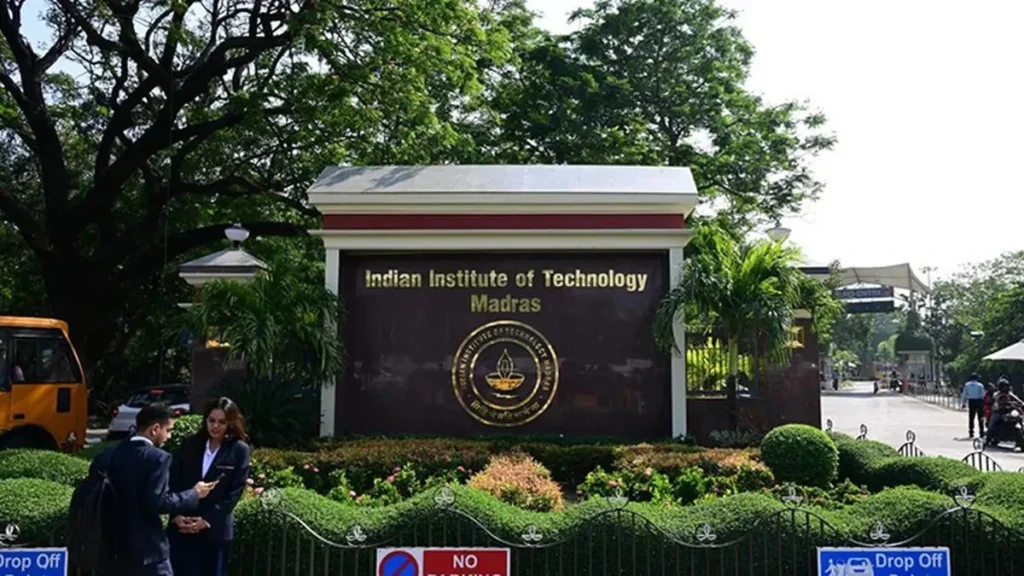
Andhra Pradesh Chief Minister N. Chandrababu Naidu has announced the formation of a 10-member advisory council dedicated to enhancing good governance across the state. The council will include experts from prestigious institutions such as IIT Madras and the Gates Foundation, with a clear mandate to recommend impactful reforms aimed at improving citizen services and transparency. During a high-level review meeting at the State Secretariat focused on the Real Time Governance Society (RTGS), Naidu emphasized the need to leverage digital platforms—especially WhatsApp Governance—to deliver government services directly to citizens. He directed officials to bring all digitally available services under WhatsApp Governance by June 12 and to expedite the integration of real-time data systems to support this transformation. “The aim is to reach the last citizen with ease, speed, and accountability,” Naidu said, reiterating his vision for a fully tech-enabled government. Katamaneni Bhasker, Secretary of IT, informed the Chief Minister that while the potential exists to offer over 500 services through WhatsApp Governance, currently only 254 services have been integrated. The department is now aiming to scale this number to over 1,000 in the near future. In a further push for technological innovation, the state is also planning a masterplan for a “drone city” at Orvakallu, with ongoing efforts to position Andhra Pradesh as a hub for emerging tech and smart governance. With initiatives like the advisory council and rapid digital integration, Andhra Pradesh is positioning itself as a frontrunner in citizen-centric governance backed by data, tech, and expert insights.

AP Government to Form Advisory Panel on Good Governance with Experts from IIT Madras, Gates Foundation Read More »

Microsoft, Gates Foundation Partner with Maharashtra Government for Digital Governance

Microsoft and the Gates Foundation have joined forces with the Maharashtra government to establish a digital governance model, focusing on innovation, women empowerment, and sustainable energy. Microsoft co-founder Bill Gates, along with representatives from the Gates Foundation, met Maharashtra Chief Minister Devendra Fadnavis to discuss initiatives, including setting up an Innovation City in Navi Mumbai and empowering 25 lakh women to become self-employed. As part of the collaboration, the Gates Foundation will provide technical and financial support, with Gates assuring the launch of a digital governance pilot project in Gadchiroli district. Additionally, the Foundation will partner with social, government, and corporate organizations to drive sustainable energy initiatives in Maharashtra. Gates emphasized the state’s potential for global scalability, especially in helping farmers access electricity during the day. A key highlight of the discussion was the Lakhpati Didi initiative, which aims to transform 25 lakh women into millionaires. Fadnavis also briefed Gates on Maharashtra’s flagship Ladki Bahin Yojana, under which eligible women will receive ₹1,500 per month through direct benefit transfer (DBT). Gates expressed strong support for digitizing women’s financial transactions, reinforcing his commitment to economic empowerment and financial inclusion. Source: Hindustan Times

Microsoft, Gates Foundation Partner with Maharashtra Government for Digital Governance Read More »

Anurag Thakur estimates that the media and entertainment sector will generate Rs 7.5 billion annually by 2030

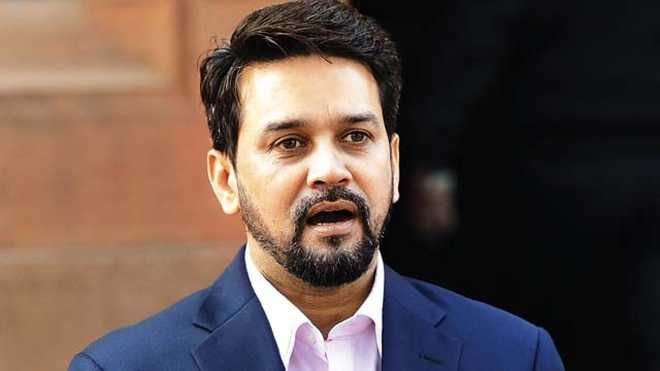
The media and entertainment ecosystem is a rising sector that, according to Union Minister Anurag Singh Thakur, will produce Rs 4 lakh crore annually by 2025 and Rs 7.5 lakh crore by 2030. The rapidly growing digital infrastructure in the nation and the ongoing developments in the AVGC (animation, visual effects, gaming, and comics) sector, according to the Minister for Information and Broadcasting, have the potential to turn India into the preferred post-preferred post-production hub of the media and entertainment industry. At the National Conference on the “Changing Landscape of Media and Entertainment 2022,” which was held in Pune and organised by the Symbiosis Skill and Professional University, he gave the keynote speech. “The media and entertainment ecosystem is a sunrise sector, which is expected to generate Rs 4 lakh crore annually by 2025 and reach USD 100 billion or Rs 7.5 lakh crore industry by 2030. The government has designated audio-visual services as one of the 12 Champion Service Sectors and announced key policy measures aimed at nurturing sustained growth,” he stated. “Many job roles have emerged in the field – video editing, color grading, visual effects (VFX), sound design, rotoscoping, 3-D modeling, etc. Each job role in this sector requires a specific set of skills and competencies. It is imperative for the industry and academia to come together and design programs relevant to the needs of this sector,” Thakur added. According to the minister, the government is also looking at new collaborations with the private sector to make sure Indian students are up to date with the latest technological developments. According to Thakur, who said that “Digital India” had significantly improved the Indian content sector, “With quality content, easy access and an eager audience, India is ready to narrate its own success story and become a content creation hub.” According to him, India was selected as the first-ever Country of Honor at the Cannes Film Festival, and the Indian delegation walked the red carpet with a pan-Indian feel rather than what they refer to as Bollywood.  “I don’t like Bollywood, Tollywood terms, it should be Indian film industry. There the diversity was visible,” he added. Even during the pandemic, according to Thakur, India added as many as 50 unicorn start-ups, “which speaks volumes about India’s entrepreneurial spirit,” he stated in reference to the developing start-up eco-system in India. Thakur expressed his desire to see an increasing number of start-ups come from the talent pool created by prestigious film institutes like FTII and SRFTI. Source: PTI

Anurag Thakur estimates that the media and entertainment sector will generate Rs 7.5 billion annually by 2030 Read More »