ArdorComm Media Group

Friday, April 17, 2026 2:56 PM

digital learning

ArdorComm – Education Leadership Summit & Awards 2026, held in Ahmedabad, Gujarat on 10th April 2026

On 10th April 2026, the vibrant city of Ahmedabad played host to one of the most impactful education gatherings of the year, the ArdorComm – Education Leadership Summit & Awards 2026. Organized by ArdorComm Media Group, the summit brought together visionary leaders, policymakers, educators, EdTech innovators, and industry experts under one roof to reimagine the future of education and skilling in India. With the compelling theme “Redefining Education and Skilling for a Viksit Gujarat, Viksit Bharat,” the event successfully fostered dialogue, collaboration, and actionable insights aimed at strengthening India’s education ecosystem. Gujarat: A Thriving Hub of Education & Innovation Gujarat continues to emerge as a powerhouse in education and skill development. Cities like Gandhinagar, Surat, and Vadodara have established themselves as premier academic destinations, offering world-class education across engineering, management, law, and design. The summit highlighted how progressive policies such as National Education Policy 2020, Samagra Shiksha, and Pradhan Mantri Kaushal Vikas Yojana are reshaping the education landscape. Discussions also shed light on initiatives like SAKSHAM – KVK 2.0 and Mukhyamantri Bhumiheen Khetihar Vikas Yojana (MBKVY), which are bridging the gap between education and employability. Support from Esteemed Government Leaders The ArdorComm – Education Leadership Summit & Awards 2026 received notable recognition from distinguished government leaders of Gujarat. A letter of appreciation and support was extended by the Hon’ble Chief Minister, Bhupendra Patel, acknowledging the summit’s efforts in fostering meaningful dialogue around the future of education and skilling in India. Further strengthening this endorsement, Shri Trikambhai Chhanga, Hon’ble Minister for Higher & Technical Education, Government of Gujarat, also conveyed his appreciation for the initiative, highlighting its role in promoting innovation and collaboration within the education ecosystem. In addition, Shri Harsh Sanghavi, Hon’ble Deputy Chief Minister of Gujarat, extended his support through a letter of appreciation, recognizing the summit as a significant platform for knowledge exchange and progressive transformation in education and skilling. This collective encouragement from state leadership underscores the importance of such initiatives in advancing the vision of a future-ready education system aligned with national development goals. Industry Leaders and Keynote Speakers The summit commenced with an insightful inaugural session on “Redefining Education and Skilling for a Viksit Gujarat, Viksit Bharat,” setting the tone for impactful discussions ahead. The session began with a warm welcome address by Kumar Chandan Anand, Founder, CEO & Group Editor of ArdorComm Media Group. The event was graced by the special guest Hiranmay Mahanta, CEO of i-Hub Gujarat, highlighting innovation and entrepreneurship in education. Adding further depth to the discussion, distinguished guest speakers including Prahar Anjaria, Founder & Chairman of Rangoli Group of Institutes, Archit Bhatt, Managing Director of Tripada Group of Schools, and Dr. Seema Negi, Director-Principal of Sanjeevani World School, shared their perspectives on building future-ready institutions. The session successfully laid a strong foundation for the summit by bringing together policy, industry, and academic insights to drive the vision of a skilled and empowered India. The first panel discussion on “NEP 2020 in Action: Leadership Driving Transformational and Competency-based Framework” brought together eminent education leaders to deliberate on the practical implementation of National Education Policy 2020 and its impact on transforming learning ecosystems. The session was effectively moderated by Mayuri Vasani, Executive Director of R.P. Vasani International School, Ahmedabad, who guided the conversation around leadership-driven change in education. The panel featured distinguished speakers including Prof. (Dr.) H. M. Nimbark, Provost & CEO of Gyanmanjari Innovative University, Dr. Anish Sinha, Registrar at the Indian Institute of Public Health, Gandhinagar, and Prof. (Dr.) Apurv Raval, Director & Dean of Shreyarth University, Ahmedabad, who shared valuable insights on institutional transformation and competency-based education. Further enriching the discussion, Nirali Dagli, Director Principal of The Mindcraft School, Surat, Amar Jeet Soni, Director of EBC Group of Schools, Ahmedabad, Sabina Sawhney, Principal of Delhi Public School, Bopal, and Nijpriya Vikalp Panchal, Academic Director of Rising Kids Preschool, Ahmedabad, highlighted the importance of experiential learning, skill integration, and leadership in driving meaningful educational reforms. The session underscored how collaborative leadership and innovative practices are key to translating policy into impactful classroom outcomes. The second panel discussion on “Digital Learning for All: Inclusive Education, Safety and Cyber Hygiene” focused on the growing importance of creating safe, inclusive, and accessible digital learning environments in today’s technology-driven education landscape. The session was moderated by Prahar Anjaria, Founder & Chairman of Rangoli Group of Institutes, Gandhinagar, who steered the dialogue towards balancing innovation with responsibility in digital education. The panel brought together esteemed leaders including Archit Bhatt, Managing Director of Tripada Group of Schools, Ahmedabad, Kamal Mangal, Founder Trustee of Anand Niketan Group of Schools, Ahmedabad, and Viral Jain, Chairman & Managing Trustee of Lokpriya Providentia International School, Jamnagar, who shared their perspectives on leveraging digital platforms for equitable learning opportunities. Adding further insights, Harsh Kapadia, Trustee of The H.B. Kapadia New High School, Ahmedabad, Jayashree Kad, Director of Future Learning Design and Training (FLDT), Kalorex Group, Ahmedabad, and Dr. Seema Negi, Director-Principal of Sanjeevani World School, Mumbai, emphasized the importance of cyber safety, digital literacy, and responsible technology use among students and educators. The discussion highlighted that while digital learning opens new avenues for inclusivity, ensuring security, awareness, and ethical practices remains equally critical for sustainable educational growth. The third panel discussion on “EdTech Ecosystem and Teacher Development: Bridging Teaching–Learning and Student Engagement in a Digitally Connected Education Landscape” delved into the evolving role of technology in enhancing pedagogy and empowering educators. The session was moderated by Prof. (Dr.) Indrajit Patel, Vice Chancellor of CVM University, Vallabh Vidyanagar, who guided an engaging dialogue on integrating EdTech solutions with effective teaching practices. The panel featured distinguished experts including Prof. Dharmendra Singh, Director of IIIT Vadodara, and Rahul Sood, Associate Manager – Business Development at Meritto, who shared insights on leveraging digital tools to enhance student engagement and institutional efficiency. Further enriching the discussion, Vinita Rohera, Managing Trustee of Gandhinagar University, Anveshbhai B Patel, Joint Managing Trustee & Secretary of Sardar Patel Education Trust, Anand, Parth Kotecha, Associate Vice President of Noble University,
ArdorComm – Education Leadership Summit & Awards 2026, held in Ahmedabad, Gujarat on 10th April 2026 Read More »

IGNOU Strengthens India’s Open Learning Landscape: Vice President at 39th Convocation

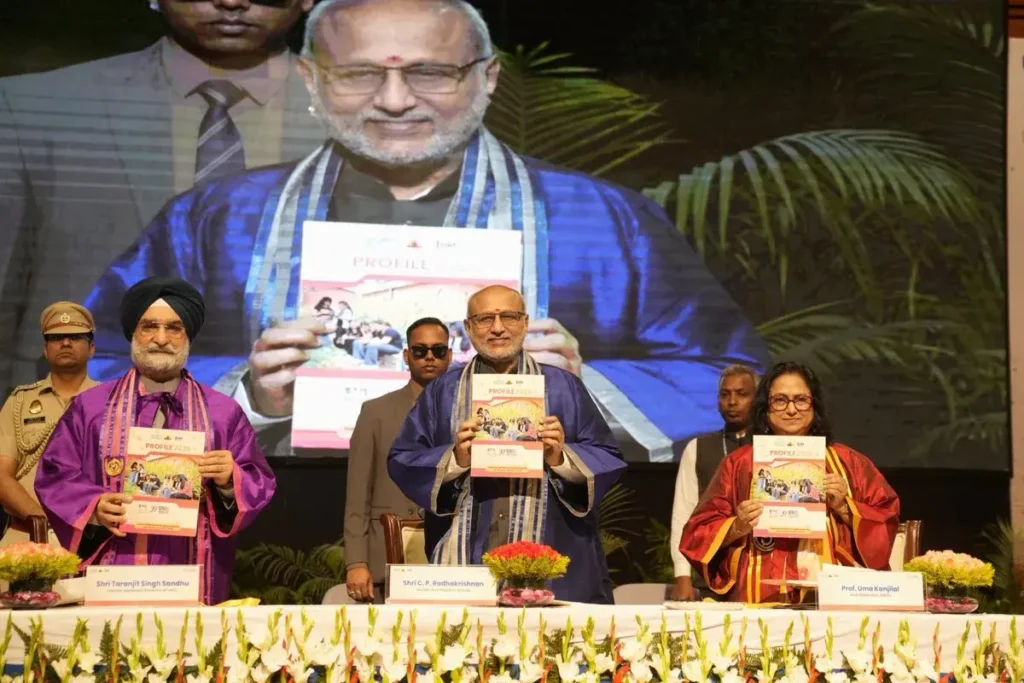
At the 39th convocation ceremony of Indira Gandhi National Open University, Vice President C. P. Radhakrishnan highlighted the institution’s pivotal role in shaping India’s open and distance learning ecosystem. Addressing the gathering on April 7, 2026, he noted that IGNOU serves over 14 lakh learners, with a significant representation of women (56%) and students from rural and disadvantaged backgrounds (58%), reinforcing its inclusive reach. Reflecting on the challenges posed by the COVID-19 pandemic, the Vice President commended IGNOU’s resilience, emphasizing how its well-established distance education model ensured continuity in learning. He praised the university’s effective use of digital platforms like SWAYAM and e-GyanKosh, which helped maintain academic engagement and strengthened its position as a leader in technology-enabled education. Encouraging students to embrace progress, Mr. Radhakrishnan addressed concerns around technological advancements, recalling initial fears about computers replacing jobs. He pointed out that such innovations ultimately created more employment opportunities and contributed to economic growth. He added that emerging technologies, including artificial intelligence, have the potential to enhance learning outcomes, offer personalised education, and improve student support systems. At the same time, he stressed the importance of balancing modern development with traditional values and ethical considerations. Also present at the event, Delhi Lieutenant Governor Taranjit Singh Sandhu underscored IGNOU’s transformative impact on Indian education. He noted that the university has successfully dismantled barriers related to geography, time, and access, enabling millions to pursue education. Addressing the graduating students, he remarked that in today’s dynamic world, a degree is only the starting point, and continuous learning, adaptability, and skill development are essential for future success. Source: The Hindu

IGNOU Strengthens India’s Open Learning Landscape: Vice President at 39th Convocation Read More »

India Introduces AI & Computational Thinking for Classes 3–8, Expanding Early Tech Education in Schools

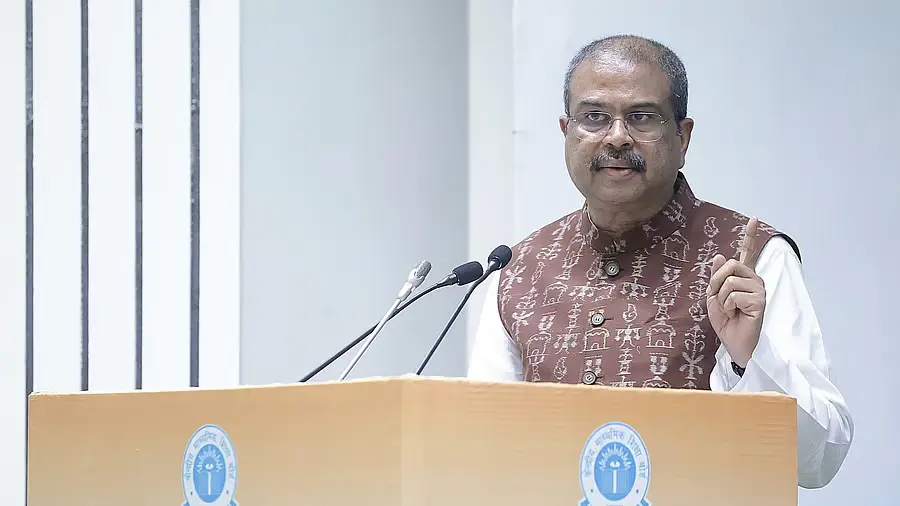
In a major step toward embedding future skills in school education, the Ministry of Education has unveiled a new Artificial Intelligence (AI) and Computational Thinking (CT) curriculum for students from Classes 3 to 8 under the Central Board of Secondary Education. Announced on April 1, the initiative marks the first structured integration of AI concepts at the foundational and middle school levels. Union Education Minister Dharmendra Pradhan described the move as a “transformative step” aimed at preparing students for a technology-driven future. According to the Minister, the curriculum is supported by well-designed modules, detailed teacher handbooks, and a strong assessment framework. These components are intended to provide students with early exposure to emerging technologies while ensuring a systematic learning approach. This development aligns with the vision of the National Education Policy 2020, which emphasizes digital literacy, coding, and the development of 21st-century competencies from an early stage. While AI was previously offered as an elective subject for Classes 9 to 12, this initiative expands its reach to younger learners. The curriculum has been developed by an expert panel led by a professor from Indian Institute of Technology Madras, with participation from key institutions such as CBSE, NCERT, Navodaya Vidyalaya Samiti, and Kendriya Vidyalaya Sangathan. The rollout will begin in the academic session 2026–27 in a phased manner. Schools affiliated with CBSE will receive necessary guidelines, resources, and teacher training support to ensure consistent implementation across both urban and rural regions. The curriculum is designed to be age-appropriate, introducing younger students to core computational thinking skills like pattern recognition, logical reasoning, and problem-solving. As students progress, they will gradually explore foundational AI concepts. Rather than being taught as a separate subject in early grades, AI and CT will be integrated into existing subjects and classroom activities. The approach prioritizes experiential learning through projects, digital tools, and hands-on exercises. To address challenges in implementation, teachers will undergo dedicated training programs supported by structured handbooks. Additionally, assessments will focus on conceptual clarity and practical application instead of rote memorization. Overall, the initiative aims to build a strong technological foundation among students, equipping them with critical thinking and problem-solving skills necessary for the evolving digital landscape. Source: Deccan Herald

India Introduces AI & Computational Thinking for Classes 3–8, Expanding Early Tech Education in Schools Read More »

MoE Distributes 75 Refurbished Computers to Baghpat Schools Under Vidyanjali Initiative

The Ministry of Education has provided 75 high-quality refurbished computers to 15 government schools in Uttar Pradesh’s Baghpat district under the Vidyanjali initiative, officials announced on Saturday. The computers were supplied by the National Informatics Centre Services (NICSI) to boost digital learning infrastructure in the region. Minister of State for Education Jayant Chaudhary stated that the Vidyanjali portal has onboarded over 8.33 lakh schools, more than 5.55 lakh individual volunteers, and upwards of 2,300 CSR and NGO partners. “The programme has already benefited nearly 1.8 crore students across India through wide-ranging volunteer and CSR participation,” he said. Led by the Department of School Education, Vidyanjali aligns with the National Education Policy (NEP) 2020 and focuses on strengthening Jan Bhagidari by encouraging community and organisational support for government schools. Under its CSR module, districts submit proposals in priority areas such as digital infrastructure, sports, health, and environmental improvement. NICSI registered under the initiative and adopted the project ‘Digital Infrastructure Development in Schools’ for Baghpat district. The organisation’s contribution will provide refurbished computers to schools across Pilana, Khekra, Chhaprauli, Binoly, Baraut, and Baghpat blocks. The initiative aims to enhance digital access, support e-learning, and enable teachers and students to seamlessly integrate technology into classroom teaching—furthering the goals of Digital India and NEP 2020 in the district. Source: PTI

MoE Distributes 75 Refurbished Computers to Baghpat Schools Under Vidyanjali Initiative Read More »

Delhi Govt, SCERT to Train 100 Teachers in AI for Personalised Learning & Smart Assessments

ardorcomm news

In a step towards building future-ready classrooms, the Delhi government and the State Council of Educational Research and Training (SCERT) will train 100 school teachers in using Artificial Intelligence (AI) tools to personalise learning and enhance classroom assessments. The two-day hands-on training, scheduled for October 8 and 9, will be conducted under the ‘AI-Mediated Classroom Project’, a special initiative aimed at helping teachers integrate AI technologies into daily teaching and administrative tasks. According to SCERT, the project will be rolled out in two phases. In the first phase, 100 Computer Science teachers from 50 government schools will participate in capacity-building sessions. These teachers will later serve as master trainers, guiding their peers in effectively using AI in education. The second phase will extend the training to subject teachers of Mathematics, Science, English, Hindi, and Social Science for Classes 6 and 9. Each selected school will nominate three teachers from each subject—making 15 participants per school—to undergo the training. An SCERT official noted that the initiative is designed not only to enhance classroom learning but also to assist teachers in non-teaching tasks such as preparing PowerPoint presentations, generating ideas for extracurricular activities, and editing visuals. AI tools like ‘Napkin’ (for generating images from text) and ‘Gamma’ (for quickly creating presentations) are among the applications to be introduced during the sessions. The official added that follow-up sessions and feedback collection will ensure teachers effectively apply these tools in real classrooms. With over 1,075 government schools, 16,633 teachers, and 8.24 lakh students in Delhi, the project aims to make teaching more efficient, interactive, and digitally advanced. “This initiative aligns with our vision to empower educators with 21st-century skills and strengthen digital learning ecosystems across schools,” SCERT said in its circular. Source: PTI

Delhi Govt, SCERT to Train 100 Teachers in AI for Personalised Learning & Smart Assessments Read More »

CBSE to Roll Out Educational Podcasts, Invites Student Participation from Classes 9–12

The Central Board of Secondary Education (CBSE) has announced a new initiative to develop its own series of educational podcasts and digital content, covering both academic and counselling themes. The board stated that these resources are being designed to offer valuable insights, guidance, and awareness for students, parents, and schools alike. To ensure accessibility, the podcasts will also be released on public platforms such as YouTube. According to CBSE, the move is aimed at strengthening its existing academic and counselling support system by introducing a more flexible, digital-friendly format. The content will focus on topics like exam preparation, academics, mental well-being, and student welfare. Involving Students’ Voices To make the project more engaging, CBSE plans to integrate student perspectives into the podcasts. Students will be encouraged to contribute through short video or audio snippets, testimonials, and interactive discussions. These inputs will be featured on CBSE’s podcasts, social media platforms, and other digital communication channels, making the content more relatable and student-focused. How Schools Can Participate The board has directed affiliated schools to nominate students from Classes IX to XII who are confident, articulate, and interested in taking part. Participation is voluntary and requires written consent from both the students and their parents or guardians, submitted through the respective school. Schools have been asked to share names and brief profiles of nominated students through a Google form link provided by CBSE. The nominations must be submitted within 10 days of the notice being issued. The board emphasized that this is an optional opportunity meant to give students a platform to share their views while enhancing CBSE’s outreach and communication efforts. Source: Indian Express

CBSE to Roll Out Educational Podcasts, Invites Student Participation from Classes 9–12 Read More »

Cybersecurity in Education: Protecting Students in the Digital World

As classrooms evolve from chalkboards to Chromebooks, the education sector is increasingly vulnerable to one of the most pressing threats of the 21st century—cyberattacks. With institutions rapidly adopting digital platforms for learning, administration, and communication, safeguarding the digital safety of students, teachers, and institutional data has become more crucial than ever. The Rise of Cyber Threats in Education Educational institutions are gold mines for cybercriminals. They store vast amounts of sensitive data—from student records and academic histories to biometric information and financial details. According to reports, the education sector is among the top five most targeted industries globally for cyberattacks. Common cyber threats include: Phishing Emails: Deceptive emails tricking students or staff into revealing personal information or login credentials.  Ransomware: Malicious software that locks data until a ransom is paid.  Data Breaches: Unauthorized access to student records and research data.  DDoS Attacks: Distributed Denial-of-Service attacks that crash school websites or learning management systems.  Why Are Educational Institutions Targeted? Low Security Infrastructure: Many institutions, especially in developing countries, operate on outdated systems and lack dedicated IT teams.  Human Error: Students and faculty often lack training in identifying cyber threats, making them easy targets.  High-Value Data: Student identity information can be used for identity theft, while research data is valuable for industrial espionage.  Impact on Students and Learning Cybersecurity lapses in education don’t just compromise data—they disrupt learning and psychological well-being. For example: School closures due to ransomware attacks can lead to missed classes and exams.  Loss of personal data can lead to identity theft and long-term emotional distress.  Exposure to inappropriate or harmful online content through unsecured platforms can impact student safety and mental health.  Protective Measures for Institutions To build a digital fortress around education, institutions must adopt a multi-layered approach: 1. Invest in Cybersecurity Infrastructure Upgrade legacy systems and software regularly.  Use firewalls, antivirus software, and encryption protocols.  Implement Multi-Factor Authentication (MFA) for all user accounts.  2. Conduct Regular Training and Awareness Organize workshops for students, faculty, and staff on recognizing phishing, handling passwords, and reporting suspicious activity.  Encourage cyber hygiene practices such as not sharing credentials or clicking unknown links.  3. Secure Learning Management Systems (LMS) Opt for reputable and secure platforms.  Regularly audit permissions and user access levels.  4. Develop and Test Incident Response Plans Have a clear strategy for identifying, reporting, and recovering from cyber incidents.  Run simulation drills to ensure readiness.  5. Foster a Culture of Digital Responsibility Include digital citizenship and online safety in school curricula.  Promote ethical tech use and respect for privacy among students.  Role of Government and Policy Several governments are waking up to the urgency of cybersecurity in education: In India, initiatives like Cyber Surakshit Bharat and Digital India aim to promote safe digital practices.  The U.S. K-12 Cybersecurity Act provides funding and guidance to public schools for cybersecurity preparedness.  The European Union’s GDPR has raised awareness about data protection responsibilities in educational institutions.  Collaboration is Key Cybersecurity is not just the IT department’s job. It requires a collaborative effort between: School management to fund and prioritize digital safety.  Teachers and students to remain vigilant.  Parents to reinforce safe practices at home.  EdTech providers to build privacy-first platforms.  Looking Ahead: A Secure Digital Future for Learning Education is the cornerstone of progress—and its digital transformation must be safeguarded. As we embrace online learning, AI tools, and smart classrooms, cybersecurity can no longer be an afterthought. It’s time to put student safety at the heart of digital innovation. By integrating robust cybersecurity strategies, raising awareness, and encouraging a culture of digital responsibility, we can create safe, inclusive, and future-ready learning environments—where education flourishes without fear.  

Cybersecurity in Education: Protecting Students in the Digital World Read More »

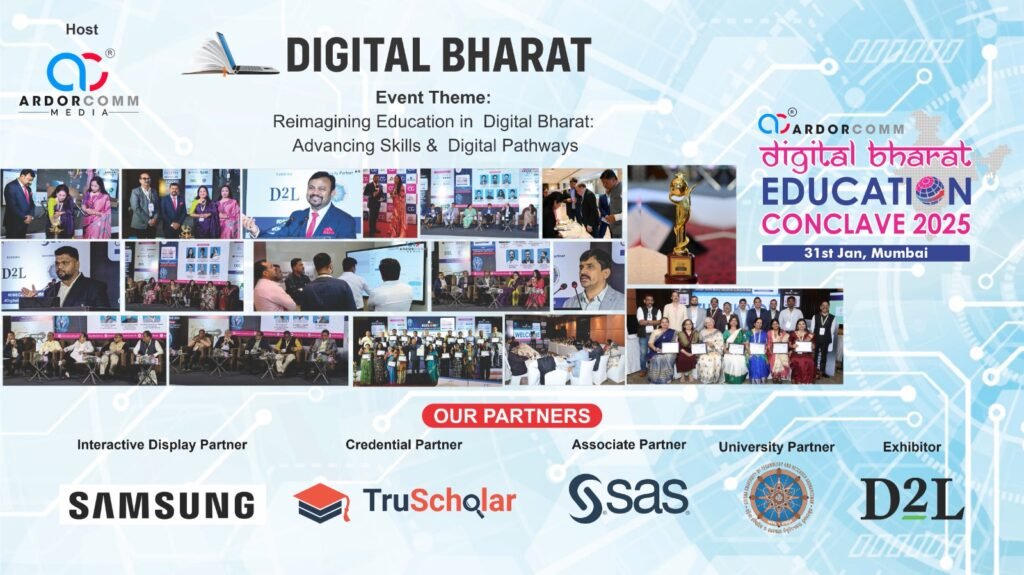
ArdorComm – Digital Bharat Education Conclave 2025 held at Holiday Inn Mumbai International Airport, an IHG Hotel, Mumbai on 31st January 2025

The Digital Bharat Education Conclave 2025, hosted by ArdorComm Media Group, successfully concluded on 31st January 2025 at the Holiday Inn Mumbai International Airport. This grand event brought together a dynamic mix of academicians, educators, industry leaders, policymakers, edtech startups, and corporate visionaries from across India. Focused on the theme “Reimagining Education in Digital Bharat: Advancing Skills & Digital Pathways,” the conclave explored the transformative power of digital education, AI-driven learning, immersive technologies, and skill development for the 21st-century workforce. A Day of Insightful Discussions and Collaborations The conclave featured a power-packed agenda, including panel discussions, industry presentations, roundtable discussions, and over 50 expert speakers sharing their perspectives on the future of education in India. The participation of over 150+ higher education leaders, 100+ school education representatives, and various EdTech corporates highlighted the event’s significance in shaping the future of digital learning. Some of the key discussion topics included: The NEP and Digitalization: Driving India’s Education Revolution The Future of Lifelong Learning: Upskilling and Reskilling in the Digital Age Empowering Students for the Global Stage: Skills for the 21st-Century Workforce The Rise of AI, Metaverse & Immersive Technologies in Education Digital Infrastructure & Smart Campus: Building a Future-Ready EdTech Ecosystem Maharashtra Leadership Extends Best Wishes to ArdorComm Media The ArdorComm – Digital Bharat Education Conclave 2025 received esteemed best wishes and appreciation from Shri Devendra Fadnavis, Hon’ble Chief Minister of Maharashtra, Shri Ajit Pawar, Hon’ble Deputy Chief Minister of Maharashtra, and Shri Chandrakant Patil, Hon’ble Minister of Higher & Technical Education & Parliamentary Affairs of Maharashtra. Their support underscored the significance of digital transformation in education and the state’s commitment to fostering innovation, skilling, and technology-driven learning. Their encouragement further reinforced the event’s mission to advance digital pathways in education and empower future generations. Industry Leaders and Keynote Speakers The Digital Bharat Education Conclave 2025 began with a Welcome Address by Kumar Chandan Anand, Founder, CEO & Group Editor, ArdorComm Media Group. The event featured esteemed guest speakers, including Prof. (Mrs.) Rajita Kulkarni, President, Sri Sri University, Cuttack; Dr. Seema Negi, Director Principal, Sanjeevani World School, Mumbai; and Avijit Nair, CEO, Akemi Group of Institutes, Pune. Their thought-provoking addresses set the stage for a day of impactful discussions, fostering collaborative growth and knowledge-sharing in the education ecosystem. The first panel discussion of the Digital Bharat Education Conclave 2025 focused on the impact of the National Education Policy (NEP) and digitalization in transforming India’s education landscape. The session was moderated by Deepa Bhushan, Director, C P Goenka International Schools, Mumbai and featured an esteemed panel of speakers, including Sudhir Kukreja, Co-Founder, Kidzonia International School & Credence International Schools, Navi Mumbai; Prof. (Dr.) Ambuj Jagdish Gupta, Dean – School of Management, Ajeenkya DY Patil University, Pune; Dr. Parag Amin, Registrar, ATLAS SkillTech University, Mumbai; Niti Desai, Director, S E International School, Mumbai; and Shim Mathew, Director – Academic Operations, VIBGYOR Group of Schools, Mumbai. The second panel discussion at the Digital Bharat Education Conclave 2025 explored the evolving landscape of lifelong learning, upskilling, and reskilling in the digital era. The session was moderated by Dr. Seema Negi, Director Principal, Sanjeevani World School, Mumbai, and featured an esteemed panel of speakers, including Dr. Kavita Aggarwal, Director/Head of School- D.G., Khetan International School & Chairperson of MISA, Mumbai; Sharonee Mullick, Director, Singapore International School, Mumbai; Dr. Yasmin Pirzada, Founder & Trustee, Belvedere Spring School International, Mumbai; Debika Chatterji, Director – Principal, JBCN International School, Mumbai; and Dr. Gretta Sequeira, Founder – Principal, Aquinas International School Mumbai, Mumbai. The third panel discussion at the Digital Bharat Education Conclave 2025 focused on the essential skills needed for students to succeed in the 21st-century workforce. The session was moderated by Avijit Nair, CEO, Akemi Group of Institutes, Pune, and featured a distinguished panel of speakers, including Prof. (Mrs.) Rajita Kulkarni, President, Sri Sri University, Cuttack; Dr. Jaywant V. Shelar, Vice Chancellor, ITM Skills University, Navi Mumbai; Dr. Mohammed Aslam Khan, Executive Chairman, AI’s Board of Vocational and Technical Education, Mumbai; and Prof. Swati More, Director – Central Corporate Relations & Placements Cell, MIT-ADT University, Pune. The fourth panel discussion at the Digital Bharat Education Conclave 2025 delved into the impact of AI, the Metaverse, and immersive technologies on education. The session was moderated by Prof. (Dr.) Sanjeev Sharma, Founding Director, R.D. Engineering College, Ghaziabad, and featured an esteemed panel of speakers, including Dr. Pravin H. Shingare, Pro Chancellor, Krishna Vishwa Vidyapeeth (Deemed to be University), Karad; Prof. Prabhat Ranjan, Vice Chancellor, D Y Patil International University, Akurdi; Prof. (Dr.) Milind Pande, Pro Vice Chancellor, Dr. Vishwanath Karad MIT World Peace University, Pune; and Prof. (Dr.) Satish Kumar Modh, Pro Vice Chancellor, Somaiya Vidyavihar University, Mumbai. The fifth panel discussion at the Digital Bharat Education Conclave 2025 focused on the role of digital infrastructure and smart campuses in shaping a future-ready EdTech ecosystem. The session was moderated by Dr. C. M. Sedani, Principal & Director, P K Technical Campus, Pune, and featured a distinguished panel of speakers, including Prof. Prasad Joshi, Vice Chancellor (A.), Deccan College Post Graduate & Research Institute (Deemed to be University), Pune; Ashok Kumar Reka, Chairman, Rishi Gurukul International Engineering School, Telangana; Dr. Devendra Puntambekar, Director, Skill Development & E-learning, School of Online Education, BVP Deemed-to-be-University; and Dr. Pranav Charkha, Dean, SOET, D.Y. Patil University, Pune, Ambi. The Digital Bharat Education Conclave 2025 featured an insightful Roundtable Discussion on the topic “From Chalkboards to Digital Boards – The Evolution of Classroom Interaction”. The session brought together key leaders and experts from the education and technology sectors to discuss the impact of digital tools on teaching methodologies, student engagement, and the overall learning experience. The discussion was enriched by the participation of distinguished professionals, including: Avinash Sharma, BDM WEST, Samsung Electronics India Pvt Ltd Saurabh Karemore, Deputy General Manager, Samsung Electronics India Pvt Ltd Anne Dias, Director, VIBGYOR Group of Schools Seema Sheikh, Principal Director, Pragyna Bodhini High School Swarupa Chakraborti, Principal, MIT Vishwajyoti International School Dr. Vidyaa Patiil, Principal, Dr. Shivajirao S Jondhle

ArdorComm – Digital Bharat Education Conclave 2025 held at Holiday Inn Mumbai International Airport, an IHG Hotel, Mumbai on 31st January 2025 Read More »

Dr. Gangadhar G Hugar, Director – MBA Department, Laxmi Vidyapeeth Institute of Management, Valsad expressed the vision of S.N.V International School on NEP 2020

“AICTE and UGC need to organize massive decentralized workshops at state, regional, and district levels to educate stakeholders on how to implement NEP policies effectively” said Dr. Gangadhar G Hugar, Director – MBA Department, Laxmi Vidyapeeth Institute of Management, Valsad at ArdorComm Media Group hosted ‘New Normal – Education Leadership Summit & Awards 2024’ on 10th February 2024 at Crowne Plaza Ahmedabad City Centre, Ahmedabad, Gujarat. How does the new education policy actually help students become market-ready? In my view, the National Education Policy, which has been drafted by AICTE and UGC, is still not visible in the education market. As per my knowledge, only about 10 to 15% of elite higher education institutions have been able to execute NEP policy amendments and move forward. The remaining 85 to 90% of institutions, especially those in rural and tier 2 areas, are still following traditional methods of education. In my opinion, to address this, AICTE and UGC need to organize massive decentralized workshops at state, regional, and district levels to educate stakeholders on how to implement NEP policies effectively. This will ensure that the benefits of these policies reach the broader education community. How do you think implementing AI and technology in the education system will impact it in the next 5 to 10 years? While I’m not a technical expert, artificial intelligence is making waves globally, including in education and corporate sectors. However, its impact on the education system in India may not be significant in the next five to ten years. India needs to be more open to accepting new technologies like AI. Currently, traditional methods still dominate, and there is hesitancy in embracing new developments. I believe that AI implementation may only impact around 5 to 10% of the education system in India within the next decade. How is your university taking the lead in terms of addressing the mental health of students on campus? At Laxmi Vidyapeeth Institute, we have a vision to become a private university in the coming years. We aim to offer diverse courses to cater to the needs of students in our geographical area. Additionally, we prioritize creating a supportive and friendly environment on campus to alleviate stress among students. We encourage two-way communication with students, listen to their ideas, and implement feasible suggestions to enhance their experience. Moreover, we organize extracurricular activities to provide students with opportunities for relaxation and exploration outside the classroom, fostering creativity and personal growth. ArdorComm Media is now celebrating its second year of existence. Any message or suggestions you wish to share with us? I would like to extend my gratitude to Mr. Chandan Ji for leading ArdorComm. This event has brought together education leaders, including vice-chancellors, directors, and philanthropists, to share valuable insights. I believe that together, we can work towards converting the ideas discussed here into practical implementations for the benefit of the education community. I encourage ArdorComm to continue its efforts in facilitating such discussions and initiatives.

Dr. Gangadhar G Hugar, Director – MBA Department, Laxmi Vidyapeeth Institute of Management, Valsad expressed the vision of S.N.V International School on NEP 2020 Read More »

Archit Bhatt, Managing Director, Tripada Group of Schools & President, AOPS, Ahmedabad expressed the roadmap of NEP 2020

“We need to understand the previous national education policy of 1986 and the Indian knowledge system” said Archit Bhatt, Managing Director, Tripada Group of Schools & President, AOPS, Ahmedabad at ArdorComm Media Group hosted ‘New Normal – Education Leadership Summit & Awards 2024’ on 10th February 2024 at Crowne Plaza Ahmedabad City Centre, Ahmedabad, Gujarat. How can educators align with the government to uplift the Indian education system for the upcoming years? The government has indeed provided a new policy, and it’s the role of educators to work on implementing it. We need to understand the previous national education policy of 1986 and the Indian knowledge system. Educators should start by understanding the new policy, unlearn old methods, and adapt to the necessities of the new era. It will take about four to five years to implement the new policy comprehensively, both in rural and urban areas. It’s essential for educators to actively participate in policy discussions, provide feedback, and collaborate with government bodies to ensure effective implementation. By aligning with the government’s vision and actively contributing to policy development, educators can play a significant role in uplifting the Indian education system for the upcoming years. What steps do you suggest to improve school infrastructure for all educators? Infrastructure needs to be inclusive, accommodating learning and physically disabled students into mainstream schooling. From upgrading washrooms to staircases, every aspect needs to ensure equality. The divide between regular and special schools should be eliminated. Also, teacher training infrastructure needs upgrading to align with the new policy’s requirements. Providing accessible and modern facilities not only enhances the learning environment but also fosters inclusivity and equality among students. Additionally, investing in continuous professional development programs for teachers is crucial to ensure they are equipped with the necessary skills and knowledge to create an inclusive and supportive learning environment for all students. How is the new education policy targeting the rote learning process and promoting experiential learning? The focus is on developing skills rather than rote or experiential learning. From grade five onwards, the emphasis is on skill development for better employability, considering the uncertain job market due to technological advancements like AI. The new education policy aims to shift the focus from memorization to understanding and application of concepts. By incorporating experiential learning methods such as project-based learning, internships, and hands-on activities, students can develop critical thinking, problem-solving, and collaboration skills essential for success in the modern world. The policy encourages educators to adopt innovative teaching methodologies that engage students actively in the learning process, fostering creativity, curiosity, and lifelong learning skills. What’s your overall takeaway from this event? More open forums and discussions are needed for societal progress. Media organizations should spread awareness, involving parents as major stakeholders. Bridging the gap between traditional entrance exams and the skills-focused new policy is crucial, and platforms like ArdorComm can facilitate this. The event provided valuable insights into the challenges and opportunities in education and emphasized the importance of collaboration and innovation in driving positive change. As educators, policymakers, and stakeholders, we must continue to work together to create a more inclusive, equitable, and future-ready education system for all learners. As we’re celebrating our second anniversary, any message you’d like to share with us? I believe open forums and panel discussions should involve parents more, as they’re crucial stakeholders. Platforms like yours play a significant role in bridging the gap between traditional and skill-based education.

Archit Bhatt, Managing Director, Tripada Group of Schools & President, AOPS, Ahmedabad expressed the roadmap of NEP 2020 Read More »