ArdorComm Media Group

Wednesday, February 18, 2026 12:09 AM

Disease Surveillance

Nipah outbreak under control in India, government says as neighbouring countries step up vigilance
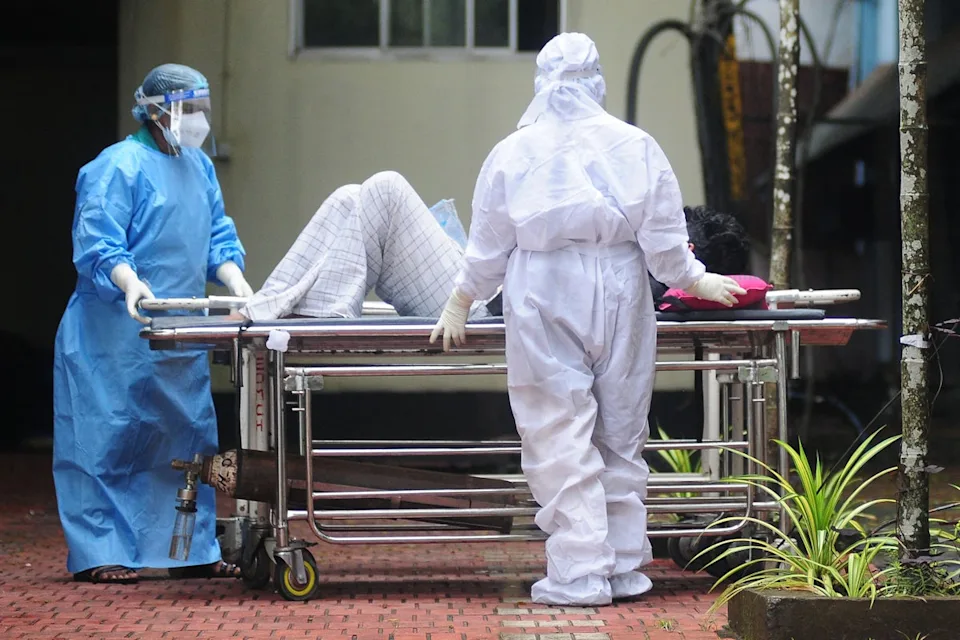
Indian authorities have moved to reassure the region after confirming that a recent outbreak of the Nipah virus has been successfully contained. The Ministry of Health and Family Welfare said late Tuesday that swift action helped prevent further spread after two cases were detected in West Bengal. According to the ministry, a total of 196 contacts linked to the confirmed cases were traced, monitored and tested, with all results returning negative. Officials said the clarification was issued to counter what they described as “speculative and inaccurate reporting” in sections of the media. “The situation is under constant monitoring and all necessary public health measures are in place,” the ministry said, noting that enhanced surveillance, laboratory testing and field investigations have been rolled out to ensure early detection of any new cases. Despite India’s assurance, several Asian countries have introduced additional health screening for travellers arriving from India. China said it was tightening disease prevention measures in border regions, with state media reporting risk assessments and specialised training for medical personnel. Countries including Indonesia and Thailand have stepped up airport checks through health declarations, temperature screening and visual assessments. Myanmar advised against non-essential travel to West Bengal and intensified fever surveillance at airports, a system originally introduced during the Covid-19 pandemic. Vietnam and Malaysia also directed authorities to strengthen monitoring at borders, ports of entry and healthcare facilities. The Nipah virus, a zoonotic disease first identified in Malaysia in the late 1990s, spreads through fruit bats, pigs and close human contact. There is no vaccine or specific treatment, with care limited to managing symptoms and complications. With a fatality rate estimated by the World Health Organization at 40–75%, Nipah is considered significantly more lethal than coronavirus infections. The first known human outbreak in 1998 led to more than 100 deaths among pig farmers and butchers in Malaysia and Singapore. Since then, sporadic outbreaks have been reported in Bangladesh, the Philippines and India, with Kerala witnessing Nipah cases almost annually since 2018. Source: Aljazeera


Nipah outbreak under control in India, government says as neighbouring countries step up vigilance Read More »

AI Tool Boosts India’s Disease Surveillance, Generates Over 5,000 Alerts: Study

An artificial intelligence–powered surveillance system deployed by the National Centre for Disease Control (NCDC) has significantly strengthened India’s ability to track infectious disease outbreaks, generating more than 5,000 real-time alerts for health authorities since 2022, according to a new pre-print study. Developed by WadhwaniAI, the Health Sentinel platform has automated the labor-intensive task of scanning news reports for unusual health events. The system reportedly reduced manual workload by 98%, enabling faster outbreak detection and quicker public health action. The findings are currently under review and not yet peer-reviewed. Under India’s Integrated Disease Surveillance Programme (IDSP), media scanning and verification has long relied on manual review of print, television and online news. Health Sentinel upgrades this process by screening articles daily across 13 languages, applying AI models to highlight potential threats that are later reviewed by epidemiologists. According to the study, the platform has processed over 300 million news articles since April 2022, identifying 95,000+ unique health-related events, of which around 3,500 were shortlisted by NCDC experts as possible outbreaks. Researchers also estimate that the AI-enabled system triggered more than 5,000 actionable alerts between April 2022 and April 2025. Parag Govil, National Program Lead for Global Health Security at WadhwaniAI, said the tool preserves human oversight while eliminating the time-consuming manual scanning traditionally required. Epidemiologists validate flagged events before disseminating them to state and district authorities. The research team noted a 150% surge in published health events captured since adopting AI-assisted surveillance, compared to earlier years of fully manual analysis. In 2024 alone, 96% of reported events were identified through the AI system, with only 4% coming from manual review. Globally, event-based surveillance techniques that incorporate online media or social media sources are increasingly used to complement traditional “passive reporting” from healthcare providers. The volume of daily online content, however, has made manual screening impractical, making automated systems essential. The article also references other Indian studies highlighting the value of enhanced surveillance. A pilot conducted in six private hospitals in Kasaragod, Kerala, used an algorithm to analyse cases of acute febrile illness (AFI). The system detected 88 clusters, with several verified as outbreaks—including dengue and COVID-19—demonstrating the benefits of early, data-driven detection. International research supports similar conclusions. A 2020 review in the Journal of Biomedical Informatics found that machine learning–based analysis of social media posts, especially on Twitter, improved disease trend prediction. Another study, published in 2017 in the American Journal of Tropical Medicine and Hygiene, showed that mining news articles can help fill gaps when official national case data is delayed. Overall, the findings underscore the growing importance of AI-driven surveillance systems in strengthening public health response capabilities and improving global health security. Source: PTI

AI Tool Boosts India’s Disease Surveillance, Generates Over 5,000 Alerts: Study Read More »

IISc Study Warns of Bird Flu Strain’s Rising Threat to Humans

Researchers at the Indian Institute of Science (IISc) have raised concerns that the currently circulating H5N1 bird flu strain could be evolving to pose a greater risk to humans. The team, led by Kesavardhana Sannula from the Department of Biochemistry, found that the 2.3.4.4b clade of H5N1 carries genetic mutations similar to those seen in past pandemic influenza strains, enhancing its ability to adapt to human hosts. The study revealed that viruses capable of infecting foxes may have a higher human adaptation potential than those infecting cattle — a surprising finding. H5N1, first detected in birds about 30 years ago, has since caused sporadic human infections and widespread fatalities in birds and mammals, making it a panzootic concern. Using computational analysis of thousands of protein sequences from birds, mammals, and human influenza viruses, the researchers identified mutations concentrated in the viral polymerase complex (PA, PB2), nucleoproteins, and haemagglutinin (HA) proteins — key elements that could aid the virus in crossing the species barrier. The findings underscore the need for heightened surveillance and preparedness to mitigate potential outbreaks. Source: Indian Express

IISc Study Warns of Bird Flu Strain’s Rising Threat to Humans Read More »

Chikungunya Risk Grows: WHO Warns of Possible Global Outbreak

The World Health Organization (WHO) has issued a global health alert about the rising threat of a chikungunya epidemic, warning that the virus could soon spread across continents if swift preventive measures are not taken. The warning, issued on Tuesday, highlights signs similar to those observed before the large-scale outbreak of 2004–05. Dr. Diana Rojas Alvarez, a medical officer at the WHO, revealed that approximately 5.6 billion people across 119 countries are potentially vulnerable. Speaking at a press conference in Geneva, she emphasized the virus’s ability to trigger severe fever, debilitating joint pain, and long-lasting health issues, particularly among older adults. Outbreak Timeline and Spread The ongoing surge began in early 2025, primarily affecting regions in the Indian Ocean, including La Réunion, Mayotte, and Mauritius—where nearly one-third of La Réunion’s population has been infected. The virus has since made inroads into Madagascar, Somalia, Kenya, India, and other parts of Southeast Asia. Alarmingly, southern Europe is now reporting isolated locally transmitted cases in France and Italy. Understanding Chikungunya Chikungunya, first identified in Tanzania in 1952, is a mosquito-borne viral illness transmitted mainly by Aedes aegypti and Aedes albopictus mosquitoes. These vectors also spread other diseases like dengue and Zika. Common symptoms include: Sudden onset of high fever Severe joint and muscle pain Headache Fatigue Rash Although the infection is rarely fatal, many patients suffer prolonged joint discomfort that can persist for months. There is currently no specific antiviral treatment. Supportive care—hydration, rest, and pain relief—remains the primary approach. While two vaccines have been approved or recommended in select countries, widespread access and deployment remain limited. The WHO is assessing safety data and global needs to determine the potential for broader rollout. Global Numbers and Trends The European Centre for Disease Prevention and Control (ECDC) reports that, as of June 2025, Brazil leads with over 141,000 cases, followed by Argentina (2,521), Peru (46), and Bolivia (605). The French territory of La Réunion has documented over 51,000 cases by May-end. In South Asia, more than 33,000 infections have been reported in India, Pakistan, and Sri Lanka since June. Notably, regions that were once free from local chikungunya transmission are now witnessing occasional local outbreaks—a shift attributed to global warming and the changing habitats of mosquito species. WHO’s Call to Action To prevent chikungunya from escalating into a full-scale global epidemic, the WHO has urged governments and health agencies to: Enhance mosquito surveillance and vector control Strengthen healthcare infrastructure for better outbreak detection and response Increase public awareness on mosquito bite prevention Accelerate vaccine research and availability The WHO stressed that delaying action now could result in a wider, more difficult-to-control health emergency in the near future. Source: Business Standard

Chikungunya Risk Grows: WHO Warns of Possible Global Outbreak Read More »

Cholera Detected in Odisha’s Jajpur as Diarrhoea Toll Rises to Five; Centre Sends Expert Teams

Odisha’s Jajpur district is grappling with a major health concern as five deaths have been reported due to a diarrhoea outbreak, with over 1,500 people affected since early May. Adding to the concern, health authorities confirmed on Saturday that multiple cases of cholera have now also been detected in the district, prompting the Central government to dispatch expert teams to assess the situation on the ground. Officials reported that out of 200 collected samples, 11 tested positive for Vibrio cholerae, the bacterium responsible for cholera. However, the infections appear to be sporadic and not concentrated in any particular locality. Responding to the health crisis, the Jajpur district administration has taken strict measures, including cancelling all Raja festival holidays for government employees from June 14 to 16. Community feasts, a common festive practice, have also been banned to curb the spread. “All district offices will remain functional, and staff may be called upon as needed,” stated the district collector’s directive. Although the number of hospital admissions has declined since Friday, the state remains on high alert. “A total of 1,516 diarrhoea cases have been admitted since May 9. Out of these, 1,306 have recovered and 210 are under treatment,” said Dr. Nilakantha Mishra, Director of Public Health. Three central teams—comprising 14 experts—have been dispatched to Jajpur. These include a seven-member medical team from the Directorate General of Health Services, a three-member food safety inspection group, and a four-member special team from the Food Safety and Standards Authority of India (FSSAI). Their mandate includes assessing health risks, identifying causes, and advising both state and central authorities on effective containment and prevention strategies. Local health officials suspect that the outbreak originated from the consumption of contaminated water at community gatherings. “We’re disinfecting water sources, collecting samples from street food vendors, and even testing water from tube wells,” said Jajpur’s CDMO Dr. Bijay Mishra. Senior health officials, including NRHM Director Dr. Brunda D and Special Secretary Bijay Mohapatra, visited affected areas for an on-the-ground review. Additional CDMO Dr. Prakash Chandra Bal confirmed that one more person had died due to diarrhoea on Friday, raising the total fatalities to five. In a broader preventive push, Chief Secretary Manoj Ahuja has directed neighbouring districts to remain vigilant. He ordered intensified sanitation drives to be completed within 10 days and emphasized robust action against a wider set of seasonal threats like jaundice, malaria, and dengue, in addition to diarrhoea and cholera. Ahuja further instructed health officials to increase the capacity of government hospitals, ensure medicine availability, conduct household surveys, and deploy mobile health units for community awareness. The aim, he stressed, is a proactive and targeted approach to controlling the outbreak and preventing further escalation. Source: PTI  

Cholera Detected in Odisha’s Jajpur as Diarrhoea Toll Rises to Five; Centre Sends Expert Teams Read More »

WHO Appeals for Urgent Protection of Gaza’s Health System Amid Escalating Hostilities

news on health

As the conflict in Gaza intensifies once again, the World Health Organization (WHO) has issued a dire appeal for the protection of the health system from further attacks and degradation of its capacity. The organization expresses grave concern over the resumption of hostilities, including heavy bombardment in Gaza, emphasizing the urgent need for Israel to adhere to the laws of war and safeguard civilians and critical infrastructure, especially hospitals. The current situation in southern Gaza is particularly alarming, as immediate evacuation orders force civilians into smaller areas. With dwindling access to essential supplies and concerns for the safety of health workers during movements, WHO and its partners are finding it increasingly challenging to provide support. The escalating military ground operations in southern Gaza, notably in Khan Younis, raise fears of cutting off thousands of people from essential healthcare. This includes access to Nasser Medical Complex and European Gaza Hospital, the main healthcare facilities in the region, amid a growing number of wounded and sick individuals. With approximately 1.9 million people—nearly 80% of Gaza’s population—estimated to be internally displaced, recent evacuation orders cover significant portions of Khan Younis and surrounding areas. The number of functioning hospitals has dramatically decreased from 36 to 18 in less than 60 days, severely straining the already overwhelmed health system. During a recent visit to Nasser Medical Complex, the WHO team described the situation as catastrophic, with overcrowded facilities, shortages of health workers, and an overwhelmed emergency ward. Disease surveillance systems are hampered, and there are reports of increases in infectious diseases, including acute respiratory infections, scabies, jaundice, diarrhoea, and bloody diarrhoea. WHO recorded an alarming 203 attacks on healthcare facilities from October 7 to November 28, including hospitals, ambulances, and medical supplies, while also highlighting the detention of healthcare workers. The organization deems these attacks unacceptable and emphasizes the urgent need for a sustained ceasefire to address the unfolding humanitarian crisis. On December 3 alone, reports indicate 349 people killed and 750 injured. The bed occupancy rate at operational hospitals stands at 171%, with intensive care units reaching an occupancy rate of 221%. The Nasser Medical Complex and European Gaza Hospital are currently three times beyond their intended capacities, with thousands seeking shelter. The WHO underscores the critical importance of protecting civilians and civilian infrastructure, calling for immediate measures to halt the escalating crisis in Gaza.

WHO Appeals for Urgent Protection of Gaza’s Health System Amid Escalating Hostilities Read More »