ArdorComm Media Group

Sunday, September 20, 2026 5:15 PM

education

Punjab Government Proposes ₹3,000 Crore Action Plan for Samagra Shiksha Program

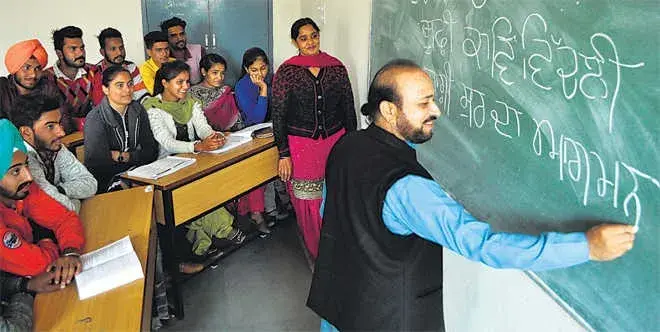
The Punjab government has presented a comprehensive ₹3,000-crore action plan under the Samagra Shiksha program. This flagship centrally sponsored initiative for school education aims to address various facets, including quality education, access and retention, and vocational education. The proposed budget spans the financial years 2024-25 and 2025-26, with an annual allocation of ₹1,476 crore for each year. This marks a commendable 14% increase compared to the current year’s budget. The Samagra Shiksha program operates on a joint funding model, with the central and state governments contributing on a 60:40 sharing basis, emphasizing their commitment to transforming the education landscape. Outlined in the action plan are specific allocations for key areas of focus. An earmarked ₹503 crore is dedicated to initiatives and interventions related to quality education, emphasizing the importance of an enriched learning experience. Additionally, ₹225 crore has been allocated for measures addressing access and retention, ensuring that more students can benefit from an inclusive education system. Another significant chunk of ₹188 crore is set aside for the promotion and implementation of vocational education, equipping students with practical skills for the future. The proposed initiatives include the construction of new classrooms and toilets, improved drinking water facilities, the promotion of commerce and science education, teacher training, digital initiatives, strengthening school libraries, and the installation of solar panels. Furthermore, the plan envisions introducing vocational education in all high and senior secondary schools, reflecting a forward-looking approach to skill development. The Samagra Shiksha Project Approval Board, led by Union school education and literacy secretary Sanjay Kumar, will review the budget proposals in the upcoming month. The central government’s share of ₹886 crore, coupled with the state government’s commitment of ₹590 crore, underscores the collaborative effort to create a robust educational framework.

Punjab Government Proposes ₹3,000 Crore Action Plan for Samagra Shiksha Program Read More »

Ministry of Education Unveils Prerana: A Transformative Learning Initiative

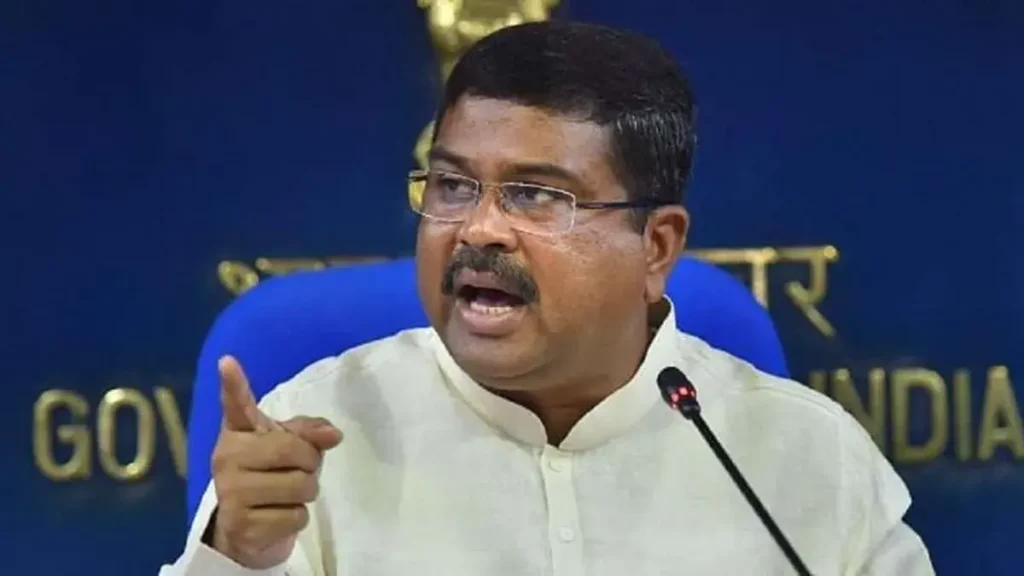
The Department of School Education & Literacy, Ministry of Education, Government of India, has unveiled a transformative initiative, the ‘Prerana: An Experiential Learning Program.’ This week-long residential program is designed to provide a meaningful and inspiring experience to selected students from class IX to XII, fostering leadership qualities and aligning with the principles of the National Education Policy (NEP) 2020. Rooted in the Indian education system and the philosophy of value-based education, Prerana aims to integrate these principles into its curriculum. The program will take place at a Vernacular School established in 1888 in Vadnagar, Gujarat, one of India’s oldest living cities. The school, a testament to Vadnagar’s resilience against challenges like earthquakes, stands as a living heritage site with deep historical roots. Prerana’s curriculum, developed by IIT Gandhi Nagar, revolves around nine value-based themes, including Swabhiman and Vinay, Shaurya and Sahas, and Swatantrata and Kartavya. The program’s schedule includes yoga, mindfulness, and meditation sessions, experiential learning, thematic sessions, and hands-on activities. Evening activities encompass visits to ancient sites, film screenings, and talent shows, providing a holistic approach to learning. The program is open for registration through a dedicated portal, where applicants can submit details for consideration. A rigorous selection process will identify 20 participants (10 boys and 10 girls) each week from diverse regions of the country. The selected participants will benefit from mentorship by professionals from prestigious institutions. Prerana’s vision is to inspire the youth, instill respect for India’s unity in diversity, and contribute to creating a flame-holder for a developed Bharat. Upon completion of the program, participants are expected to carry the ethos of Prerana into their communities, becoming change-makers and inspiring positive transformations. The initiative underscores a commitment to empowering the youth, aligning with the ideals of the Hon’ble Prime Minister and emphasizing the program’s role in shaping the future of the nation.

Ministry of Education Unveils Prerana: A Transformative Learning Initiative Read More »

Thailand Boosts Tourism with Tax Cuts and Extended Hours

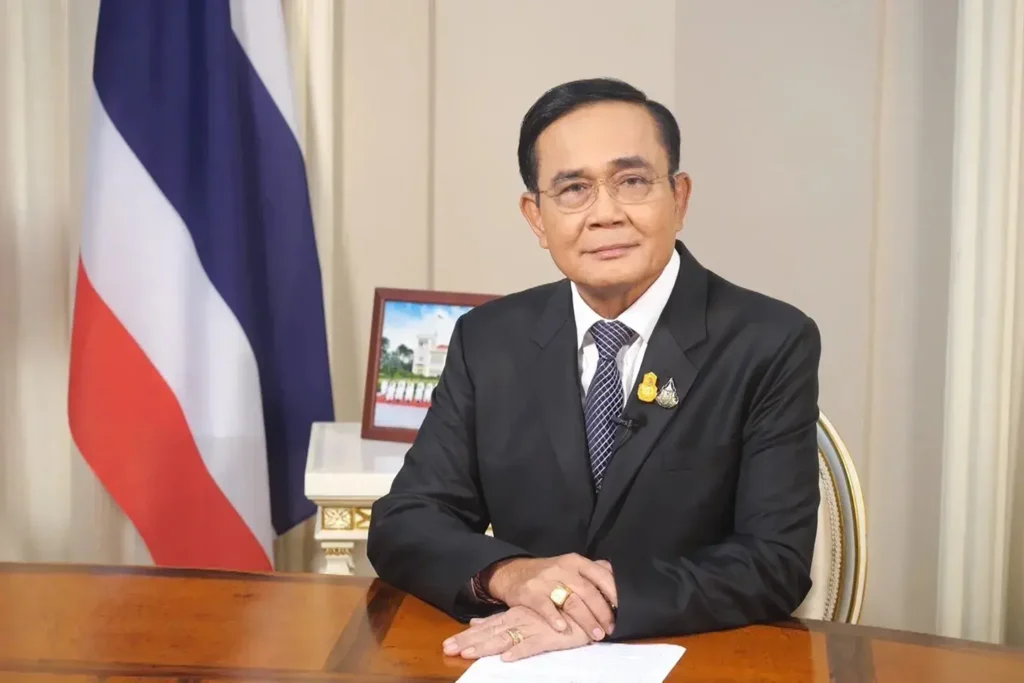
Thailand has rolled out a new initiative to stimulate tourism by approving tax cuts on both alcoholic beverages and entertainment venues. The country’s cabinet has given the green light to significant reductions, including lowering wine taxes from 10% to 5% and completely eliminating taxes on spirits, which were previously set at 10%. Additionally, the excise tax imposed on entertainment venues is set to be halved, dropping from 10% to 5%. These tax adjustments are slated to remain in effect until the end of the current year, as confirmed by government spokesperson Chai Wacharonke. This move follows Thailand’s recent decision to extend the operating hours of entertainment venues, allowing them to remain open until 4 AM. The extended hours are a strategic move to cater to night owls and entice more tourists to visit the country. Notably, Thailand had earlier announced a visa waiver for travelers from India and Taiwan, effective from November 2023 until May 2024. During this period, tourists from these regions can enjoy a stay in Thailand for up to 30 days. India has emerged as the fourth-largest source of tourism for Thailand, with approximately 1.2 million arrivals this year, trailing behind Malaysia, China, and South Korea. Government data reveals that, from January to October 29, 2023, Thailand welcomed a total of 22 million visitors, contributing 927.5 billion baht (around $25.67 billion) to the country’s economy. The visa waiver for Indian and Taiwanese travelers aligns with Thailand’s broader strategy to attract more tourists and revitalize its crucial tourism sector. The decision to extend the operating hours of entertainment venues and implement tax cuts on alcoholic beverages and entertainment venues is part of a series of measures aimed at boosting foreign arrivals. These initiatives follow the waiver of visa requirements for Chinese visitors in September, a move targeting one of Southeast Asia’s significant sources of tourists and reflecting the government’s commitment to revitalizing the tourism industry, a key driver of the economy.

Thailand Boosts Tourism with Tax Cuts and Extended Hours Read More »

India Strives for Global Academic Excellence as President Murmu Addresses Education Disparities

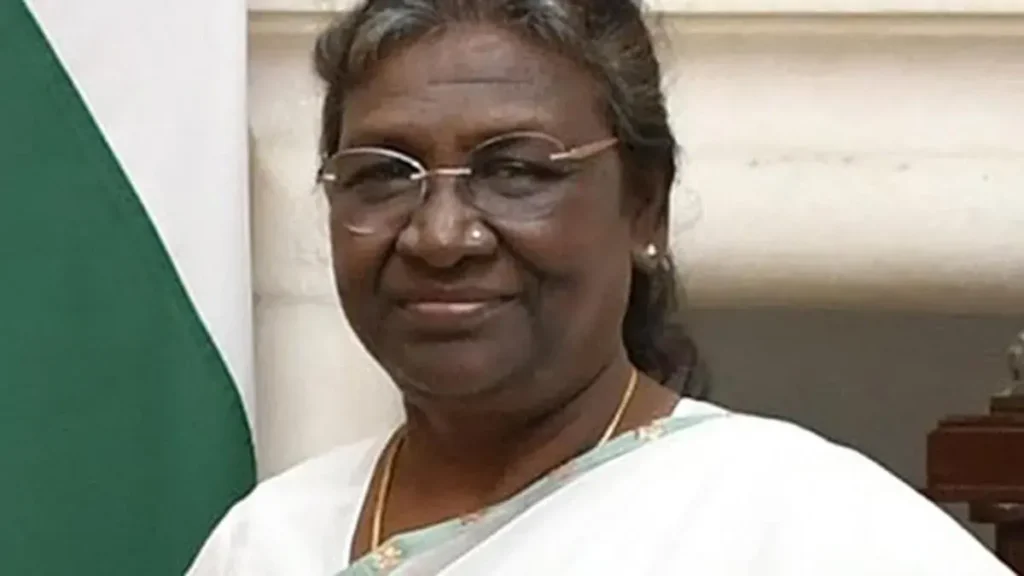
In a poignant address during the 69th convocation of the prestigious Indian Institute of Technology (IIT) Kharagpur, President Droupadi Murmu emphasized the noticeable absence of any Indian educational institution within the coveted top 50 globally. Despite India’s rich knowledge tradition, President Murmu urged a critical examination of the nation’s standing in international education rankings. Highlighting the importance of quality education over mere rankings, President Murmu acknowledged that a higher position on global lists not only attracts international students and faculty but also enhances the country’s overall academic reputation. The President urged the academic community to strive for excellence and foster an environment conducive to cutting-edge research and innovation. “India’s ancient knowledge heritage is unparalleled, and it is disheartening to see the absence of our educational institutions in the top global rankings. While quality should be our primary focus, we cannot ignore the fact that rankings play a role in attracting global talent and building a positive perception of our academic prowess,” remarked President Murmu. The President’s address prompted introspection within the academic community, leading to discussions on potential strategies to elevate the global standing of Indian educational institutions. Experts argue that a multi-faceted approach, including increased investment in research and development, international collaborations, and enhancements in infrastructure, is essential to bridge the existing gaps. President Murmu concluded her address by urging educational leaders, policymakers, and stakeholders to collectively work towards elevating India’s academic profile on the global stage. As the nation grapples with the challenges posed by the evolving landscape of higher education, there is a renewed commitment to ensuring that India’s institutions not only reflect its rich heritage but also stand tall among the world’s best.

India Strives for Global Academic Excellence as President Murmu Addresses Education Disparities Read More »

Haryana Sets Ambitious Target for Full Adoption of New Education Policy by 2025

Haryana’s Higher Education Minister, Moolchand Sharma, announced the state’s ambitious plan to fully adopt the National Education Policy 2020 by 2025, accelerating the timeline from the initially projected 2030 deadline. This bold initiative was spotlighted during the State Level Implementation Committee meeting on the policy, where Minister Sharma underscored its transformative objectives aimed at positioning India as a global educational powerhouse. Acknowledging the instrumental role of Prime Minister Narendra Modi in shaping the policy, Sharma commended Chief Minister Manohar Lal’s accelerated agenda. The commitment to achieving the vision by 2025 reflects the state’s dedication to shaping India’s educational landscape for the 21st century. Minister Sharma highlighted the forward-looking approach of the policy, integrating cutting-edge fields such as Artificial Intelligence, 3-D printing, data analysis, and biotechnology into higher education. The emphasis is on cultivating adept professionals and enhancing youth employability to meet the evolving demands of the job market. Expressing optimism about the progress, Sharma stated, “We aspire to exceed a 50 percent gross enrollment ratio of girls in higher education by 2030.” Haryana has already achieved a commendable 32 percent enrollment ratio among girls, positioning itself strongly to reach the 50 percent milestone well before the 2030 target. Envisioning a transformative future, Minister Sharma sees the effective implementation of the National Education Policy 2020 as a mechanism propelling India to become a ‘Vishwa Guru’ once again, joining the league of leading global educational frontrunners.

Haryana Sets Ambitious Target for Full Adoption of New Education Policy by 2025 Read More »

Uttar Pradesh Government Issues Guidelines for Education Service Selection Commission

The recruitment process for teachers and instructors in the state, the Uttar Pradesh government, under the leadership of Chief Minister Yogi Adityanath, has issued a comprehensive notification outlining the rules for the Uttar Pradesh Education Service Selection Commission (UPESSC). According to an official release, the guidelines stipulate that candidates invited for interviews, following the written examination, must be awarded a minimum of 40% marks. However, the maximum marks permissible for the interview stage are capped at 90%. The UPESSC will oversee the recruitment of instructors in basic, secondary, and higher education, as well as vocational education, and teachers in aided minority colleges across the state. The Examination Committee will determine the number of candidates to be interviewed in a day and the overall number of boards to be conducted daily, based on the needs of the recruitment process. Moreover, the number of candidates called for interviews will range from 3 to 5 times the number of vacancies, as deemed appropriate by the Commission. For positions requiring interviews, a merit list will be released by combining the marks obtained in the written examination and the interview. In cases where only a written exam is conducted, a merit list will be prepared based on the written exam marks alone. In instances where candidates have equal merits, preference will be given to the marks obtained in the written exam, followed by interview scores. If parity persists, eligibility percentages such as JRF, NET, PhD, and postgraduate scores will be considered. Additionally, in the event of identical scores across all criteria, priority will be given to the candidate with higher age. The release also outlines a meticulous process for candidate replacements, should the initially selected candidate be unable to assume the post. The selected candidate, upon explaining the reasons for non-acceptance, will submit their application to the Director, who will then recommend an adjustment to the Commission. The Commission will subsequently hold the institution or appointing authority accountable for any discrepancies in the requisition process. This move by the Uttar Pradesh government is anticipated to bring transparency and efficiency to the teacher and instructor recruitment process, ensuring that the most qualified and suitable candidates are selected for these crucial roles in the education sector.

Uttar Pradesh Government Issues Guidelines for Education Service Selection Commission Read More »

Tamil Nadu Half-Yearly Exams 2023 Postponed; New Schedule Announced

In response to the aftermath of Cyclone ‘Michaung,’ the Tamil Nadu government has officially declared the postponement of the half-yearly examinations for state-run and government-aided schools. Initially slated to commence on December 11, Chief Minister M K Stalin directed the deferment across the state to accommodate the recent challenges faced by educational institutions. The School Education Department swiftly formulated a revised timetable, rescheduling the half-yearly exams for classes 6 to 12 to take place from December 13 to 22. This adjustment aims to provide students and schools with sufficient time to recover from the disruptions caused by the cyclonic weather conditions. In the wake of Cyclone ‘Michaung,’ schools in Chennai, Chengelpet, Kancheepuram, and Tiruvallur districts had been closed from December 4 to 9. The government allocated a fund of ₹1.90 crore to address the aftermath, focusing on activities such as cleaning school premises affected by heavy rains and flooding in the aforementioned districts. With schools set to reopen on December 11, the government has scheduled the distribution of textbooks and notebooks on December 12. This initiative is specifically aimed at assisting students who may have lost or damaged their study materials during the adverse weather conditions. A key factor influencing the decision to postpone the exams is the realization that students cannot adequately prepare without their study materials. Consequently, a collective decision was made to reschedule exams uniformly across all districts, maintaining a common question paper throughout Tamil Nadu.

Tamil Nadu Half-Yearly Exams 2023 Postponed; New Schedule Announced Read More »

Prioritizing Mental Health: The Cornerstone of Student Success in Education

Blog on Edu

In today’s fast-paced world, the pursuit of academic excellence often overshadows the importance of mental health and well-being in education. However, the two are inextricably linked, as a student’s mental health profoundly affects their ability to learn, grow, and thrive. This blog will delve into the vital connection between mental health and well-being in education, highlighting its significance, addressing challenges, and providing strategies to foster a healthier, more supportive educational environment. The Significance of Mental Health and Well-being in Education Academic Performance One of the most apparent ways mental health influences education is through its impact on academic performance. Students struggling with anxiety, depression, or other mental health issues often find it challenging to concentrate, complete assignments, and excel in exams. When educational institutions prioritize mental health, they create an environment that supports students in overcoming these barriers. Emotional and Social Development Education is not just about acquiring knowledge; it’s also a journey of emotional and social development. A positive and nurturing educational environment contributes to students’ emotional resilience, interpersonal skills, and self-confidence. Healthy mental well-being allows students to navigate social challenges, build relationships, and develop empathy and emotional intelligence. Motivation and Engagement When students feel mentally well, they are more likely to be motivated and engaged in their learning. A positive mindset encourages curiosity, creativity, and a thirst for knowledge. Students who feel supported and valued are more likely to take ownership of their education and explore their potential to the fullest. Also Read: Mobilizing Global Education and Cultural Exchange through Technology Challenges in Promoting Mental Health and Well-being in Education Stigma Stigma surrounding mental health remains a significant barrier in education. Students often fear judgment or discrimination if they disclose their mental health issues. Schools and colleges must actively work to eliminate this stigma by creating an open, non-judgmental environment. Lack of Resources Insufficient resources for mental health support within educational institutions pose a challenge. Overburdened counselors and a lack of access to mental health professionals can impede students’ access to help when needed. Investing in more resources for mental health services is essential. High Academic Expectations The pressure to meet high academic expectations can exacerbate stress and anxiety among students. Education systems need to strike a balance between rigorous academic standards and students’ mental well-being. Also Read: Nurturing 21st Century Skills in Education: Fostering Critical Thinking and Digital Literacy Strategies for Fostering Mental Health and Well-being in Education Education and Awareness Educational institutions can promote mental health awareness through workshops, seminars, and campaigns. By fostering an understanding of mental health issues, schools can reduce stigma and encourage open conversations. Accessible Support Services Schools and colleges should provide accessible support services, including counseling and mental health professionals. Creating a safe space where students can seek help without judgment is crucial. Encouraging a Balanced Lifestyle Promoting a balanced lifestyle that includes physical activity, healthy eating, and relaxation techniques is vital for mental health. Encouraging students to take breaks, exercise, and practice mindfulness can significantly reduce stress levels. Peer Support Programs Peer support programs, such as mentorship and support groups, can be highly effective. They enable students to connect with peers who have similar experiences and create a network of emotional support. Flexible Education Models Educational institutions can explore flexible education models that allow students to learn at their own pace and in a way that suits their individual needs. This reduces the pressure and stress associated with traditional learning methods. Also Read: ArdorComm ‘New Normal – Education Leadership Summit & Awards 2023’ to be held at Pune, Maharashtra on 24th November 2023 #ELSAPune #ELSAMaharashtra Conclusion Mental health and well-being are not optional add-ons in the educational system but are fundamental to the success and happiness of students. By recognizing the profound connection between mental health and education, and by taking steps to address challenges and implement supportive strategies, we can create a nurturing environment that allows students to thrive academically, emotionally, and socially. It is the responsibility of educational institutions, parents, and society as a whole to prioritize mental health in education, ensuring that our students can reach their full potential and lead fulfilling lives. The author, Pratik Ghosh is associated with ArdorComm Media


Prioritizing Mental Health: The Cornerstone of Student Success in Education Read More »

Nurturing 21st Century Skills in Education: Fostering Critical Thinking and Digital Literacy

Blog on Edu

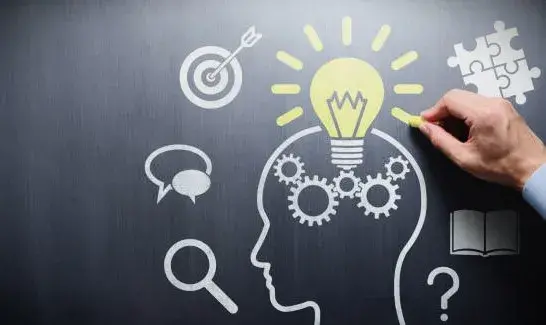
In today’s rapidly evolving world, the education sector plays a pivotal role in preparing students for success in the 21st century. It’s not just about imparting knowledge; it’s about equipping students with the skills they need to thrive in an era of constant change and digital transformation. Two of the most vital skills for students to develop are critical thinking and digital literacy. In this blog, we will explore the significance of these skills in the education sector and provide an in-depth guide on how educational institutions can cultivate critical thinking and digital literacy among their students. Why are 21st Century Skills Important in Education? As the world becomes more interconnected and technology-driven, the demand for 21st century skills has intensified. These skills are fundamental to success in education and beyond, and they go far beyond rote memorization. Critical Thinking in Education Critical thinking is the ability to analyze, evaluate, and synthesize information in a systematic and reasoned manner. It empowers students to become lifelong learners and problem solvers. Here’s how critical thinking benefits education: Enhanced Learning: Critical thinking engages students actively in the learning process. It encourages them to ask questions, explore, and make connections. Problem-Solving: In the classroom, students often face complex problems. Critical thinking equips them to dissect problems and find creative solutions. Better Decision-Making: Students who think critically make informed choices, whether in choosing a college, a career, or a course of action. Digital Literacy in Education Digital literacy, in an educational context, refers to the ability to use digital technology and tools effectively and ethically. In today’s digital age, it’s vital for students to be proficient in: Digital Research: Finding and evaluating information online for academic projects. Online Safety: Understanding how to protect personal data and be mindful of online threats. Communication Skills: Collaborating effectively online and communicating clearly and respectfully. Also Read: ArdorComm ‘New Normal – Education Leadership Summit & Awards 2023’ to be held at Pune, Maharashtra on 24th November 2023 #ELSAPune #ELSAMaharashtra Cultivating Critical Thinking in Education Educational institutions can play a significant role in cultivating critical thinking skills among their students. Here’s a guide on how to do it: Curriculum Integration Embed critical thinking into the curriculum across all subjects. Encourage students to question, analyze, and think independently. Incorporate projects, debates, and case studies to stimulate critical thinking. Encourage Diverse Perspectives Create a learning environment that values diversity of thought. Encourage students to engage in open discussions, consider multiple viewpoints, and respect differing opinions. This helps broaden their perspective. Promote Problem-Based Learning Implement problem-based learning approaches. Provide students with real-world problems, allowing them to apply critical thinking skills to find solutions. This approach fosters practical application of knowledge. Teacher Training Train educators in strategies that promote critical thinking. They can serve as role models for students, demonstrating how to analyze information and make sound decisions. Assessment and Feedback Develop assessment methods that measure critical thinking skills. Provide timely and constructive feedback to help students improve. Also Read: The Rise of Podcasts: Exploring the Audio Entertainment Revolution Developing Digital Literacy in Education Digital literacy is integral to education in a world increasingly reliant on technology. Here’s how educational institutions can nurture digital literacy: Digital Literacy Courses Introduce digital literacy courses or integrate digital literacy elements into existing subjects. Ensure students understand how to use digital tools effectively. Online Safety Education Educate students about online safety, privacy, and cybersecurity. Teach them to identify and avoid online threats and to protect their personal information. Information Literacy Incorporate information literacy into research projects. Teach students how to evaluate the credibility of online sources and discern between accurate and unreliable information. Digital Communication Skills Foster digital communication skills by encouraging respectful and effective online interactions. Emphasize the importance of digital etiquette and responsible communication. Stay Updated Educational institutions should stay updated with the latest technology trends and tools to ensure they are providing the most relevant digital literacy education to students. Also Read: The Importance of Emotional Intelligence in HR Leadership Conclusion In the education sector, it is crucial to recognize that preparing students for the future goes beyond academic knowledge. Fostering critical thinking and digital literacy is essential to equip students with the skills they need to thrive in the 21st century. By integrating these skills into the curriculum, promoting diverse perspectives, and ensuring digital literacy, educational institutions can empower students to excel not only in their academic endeavors but also in their future careers and personal lives. As education evolves, these skills will remain fundamental to success in an ever-changing world. The author, Pratik Ghosh is associated with ArdorComm Media

Nurturing 21st Century Skills in Education: Fostering Critical Thinking and Digital Literacy Read More »

AICTE Extends Admission Deadlines for 2023-24 Academic Session

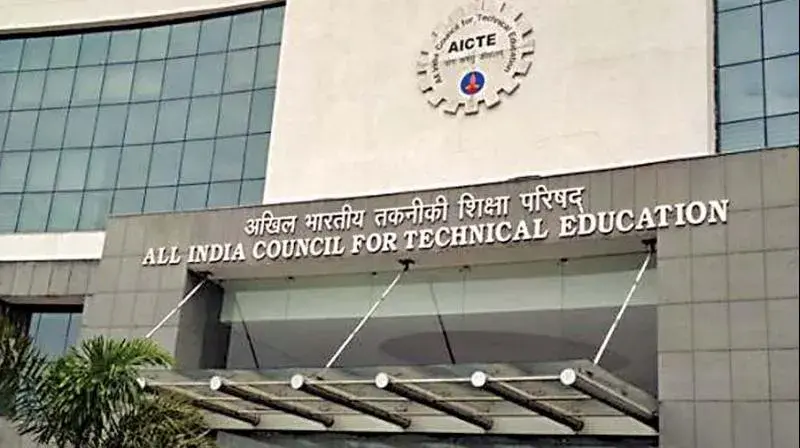
The All India Council for Technical Education (AICTE) has introduced a modified academic schedule for the 2023-24 academic session. As per the newly announced calendar for technical and professional education, the deadline for first-year student admissions into vacant seats at technical institutions has been extended to October 30. Additionally, the last date for lateral entry admissions into second-year courses for newly enrolled students is also October 30. Furthermore, the cutoff date for universities or boards to grant affiliation to technical institutes is also October 30. Nevertheless, institutions offering online and open-distance learning (ODL) programs will adhere to the University Grants Commission (UGC) guidelines for approval and course admissions in the first and second sessions. The updated academic calendar is available on the official AICTE website, aicte-india.org. The AICTE made these adjustments in response to a Supreme Court order dated October 13, 2023. Consequently, the deadline for admissions into all AICTE-approved institutions and affiliation with universities has been extended to October 30, 2023. Previously, the deadline for admitting first-year students to institutions was set for September 15, and the affiliation grant deadline was July 31. It’s important to note that these revisions do not apply to standalone PGDM and PGCM institutions.

AICTE Extends Admission Deadlines for 2023-24 Academic Session Read More »