ArdorComm Media Group

Thursday, February 26, 2026 6:39 PM

fake news

England to Revamp School Curriculum: Students to Learn About Fake News and AI
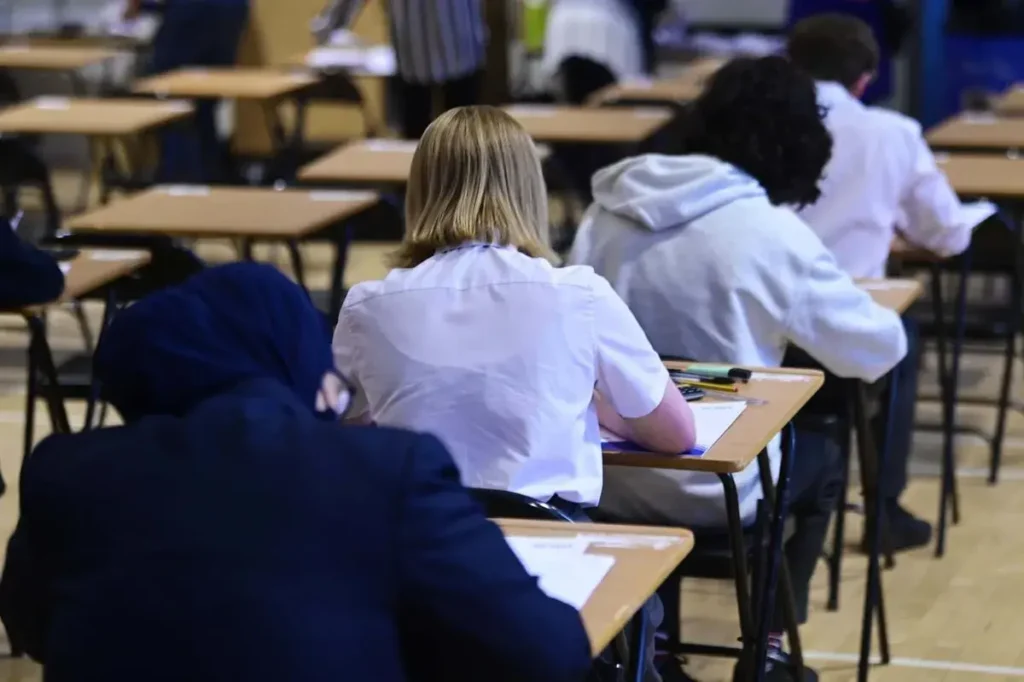
In the most significant education overhaul in over a decade, schoolchildren in England will soon be taught how to identify fake news and gain a deeper understanding of artificial intelligence. The move comes as part of the UK government’s wider plan to modernise education and equip students with essential skills for the future. Following the recommendations of the Curriculum and Assessment Review released on Wednesday, the Department for Education (DfE) announced sweeping reforms designed to prepare young learners for the evolving digital and economic landscape. Among the proposed changes is a 10% reduction in the number of exams faced by teenagers, addressing concerns that the current assessment load is “excessive.” “From the basics of reading to the modern-day challenge of spotting misinformation, these landmark reforms form part of our Plan for Change,” said Education Secretary Bridget Phillipson. “It’s been more than ten years since the national curriculum was updated, and it’s vital that students are prepared to meet today’s challenges and seize tomorrow’s opportunities.” Under the revised framework, primary school students will be introduced to lessons on detecting misinformation and disinformation, aimed at strengthening their critical thinking and online safety. They will also study financial literacy topics such as mortgages, debt, and money management, alongside enhanced reading and communication skills. The reforms also propose a compulsory citizenship module, which will include climate education, a new foreign language qualification, and greater emphasis on outdoor learning and sports. Jane Gratton, Deputy Director of Public Policy at the British Chambers of Commerce, welcomed the move, saying: “Businesses will support curriculum changes that build employability — from teamwork and communication to digital and financial skills. Ensuring that every student has access to meaningful qualification pathways will help them stay engaged and ready for the world of work.” The new curriculum is set to roll out in September 2028, with the final version expected by early 2027, giving schools four terms to prepare for the transition. Source: PTI

England to Revamp School Curriculum: Students to Learn About Fake News and AI Read More »

Parliament Panel Seeks Legal, Tech Framework to Combat AI-Driven Fake News

ardorcomm news

A parliamentary panel has urged the government to put in place robust legal and technological mechanisms to track, identify, and penalize those responsible for spreading AI-generated fake news. In its draft report, the Standing Committee on Communications and Information Technology — chaired by BJP MP Nishikant Dubey — emphasized the need for a balanced use of Artificial Intelligence. While AI is being applied to detect misinformation, the report cautioned that the same technology can also generate and amplify it. The report has been submitted to Lok Sabha Speaker Om Birla and will be tabled in the upcoming session. The committee has recommended stronger coordination between the Ministry of Information and Broadcasting, the Ministry of Electronics and Information Technology (MeitY), and other concerned departments. Among its proposals are exploring licensing requirements for AI content creators and introducing mandatory labelling for AI-generated text, videos, and images. It also highlighted ongoing government-backed projects such as deep learning-based speech detection systems and software tools designed to identify deepfake videos and images. The MeitY has already set up a nine-member panel to study deepfake-related challenges. While ministries have cautioned that AI in its current state cannot independently fact-check complex issues, the committee suggested using AI as a first filter to flag suspicious content, followed by human verification. Calling fake news a “serious threat” to democracy and public order, the panel urged amendments in penal laws, higher fines, and greater accountability. It also suggested mandating fact-checking units and internal ombudsmen in all media organizations, while stressing that such measures should be built through consensus among stakeholders. Although committee recommendations are not binding, they often guide government policy due to their bipartisan weight. Source: PTI

Parliament Panel Seeks Legal, Tech Framework to Combat AI-Driven Fake News Read More »

YouTube to Tighten Monetization Rules Amid Rising Concerns Over AI-Generated ‘Slop’ Content

YouTube is set to roll out stricter guidelines aimed at curbing monetization of inauthentic, repetitive, or mass-produced videos — a move largely prompted by the surge in AI-generated content flooding the platform. Effective July 15, YouTube will update its YouTube Partner Program (YPP) monetization policies, offering clearer definitions of what qualifies as “authentic” content and what doesn’t. While the precise wording of the policy update has yet to be published, YouTube’s Help Center now emphasizes that the platform has always required creators to post original content to be eligible for earnings. The upcoming changes, according to YouTube’s Head of Editorial & Creator Liaison Rene Ritchie, are intended to clarify rather than overhaul policy. In a recent video message, Ritchie reassured creators that widely accepted formats such as reaction videos or content that includes reused clips won’t be affected. He called the update a “minor” revision to existing rules, specifically targeting mass-produced, low-value content that viewers often flag as spam. However, the broader context paints a more urgent picture. As generative AI tools become more accessible, platforms like YouTube have seen an influx of low-effort, AI-generated videos. These range from automated voiceovers layered on stock images or video snippets, to full AI-generated true crime series and even fabricated news updates that have gained millions of views. Some AI-based music channels boast massive followings, despite questions about originality and authenticity. One notable example includes an AI-generated crime series that went viral, later revealed by 404 Media to be entirely machine-made. Even YouTube CEO Neal Mohan was recently featured in a deepfake scam, underlining how pervasive — and potentially harmful — this technology has become. Though YouTube insists the July update is a clarification rather than a policy shift, the underlying motive is clear: prevent the platform from being overrun by AI-created “slop” that could undermine its integrity and trust with viewers. By implementing these revised guidelines, YouTube aims to draw a firm line against inauthentic content, making it easier to deny monetization and, if necessary, remove offending creators from the Partner Program altogether. As AI tools continue to evolve, platforms like YouTube are being forced to adapt quickly — ensuring that content quality and originality remain at the core of their ecosystems. Source: TechCrunch

YouTube to Tighten Monetization Rules Amid Rising Concerns Over AI-Generated ‘Slop’ Content Read More »

Parliamentary Committee to Review Media Issues: Fake News, Sensationalism, and Declining Newspaper Readership

A parliamentary committee meeting on Friday is set to address various pressing media concerns, including “rampant” paid news, fake news, and the rise of sensationalism in TV channels. The Standing Committee on Communications and Information Technology, led by BJP MP Nishikant Dubey, will review the implementation of media laws and discuss factors impacting the media landscape. Key issues likely to be raised include the disproportionate focus on crime and celebrity news, which often comes at the expense of serious, impactful reporting. Sources say that media trials, which shape public opinion and influence legal outcomes, will also be discussed. Additionally, the committee may highlight the decline of traditional newspapers, particularly in the face of digital disruption and declining readership. The meeting will address concerns over TV debates, which often devolve into shouting matches, as well as conflicts of interest within media ownership, journalists, and political entities. Such conflicts, the sources noted, undermine the credibility of news reporting and compromise ethical standards due to a lack of strong regulatory mechanisms. The committee may also bring up the long-drawn legal battles that journalists and media houses face, which discourage investigative reporting. Financial struggles of regional and vernacular media outlets, as well as the havoc caused by fake news during elections, are expected to be major points of discussion. Additionally, the committee is likely to examine the impact of foreign-owned social media giants and the need for regulation to prevent harm to society, political leaders, and even the country. Key figures, including the Information and Broadcasting Secretary, Prasar Bharti CEO, Press Registrar General, and Press Council of India Chairperson, are expected to appear before the panel. Source: Telegraph India

Parliamentary Committee to Review Media Issues: Fake News, Sensationalism, and Declining Newspaper Readership Read More »

Survey: Germans See Social Media as the Main Source of Fake News

A recent study by the Bertelsmann Foundation reveals that 81% of Germans view the spread of disinformation as a significant threat to democracy, with social media emerging as the primary source of fake news. The survey highlights widespread concerns about the impact of online misinformation on elections, social cohesion, and contentious topics like migration, health, climate change, and war. Approximately 78% of respondents worry that such falsehoods could influence electoral outcomes and deepen societal divisions. Two-thirds of participants identified active social media users and bloggers as the main culprits behind the spread of misinformation. Additionally, 53% pointed to foreign governments, and half of the respondents even accused the German government of contributing to the problem. Despite these concerns, the study found that 93% of respondents trust the media but believe fake news is deliberately propagated to undermine confidence in politics and democracy. Some social media users have proposed that Germany adopt measures similar to Türkiye’s “Disinformation Combat Center,” a government initiative designed to counteract false information. The rise of misinformation on social media has become a global concern, with many nations grappling with its impact on political polarization and public trust. Germany’s experience underscores the urgent need for robust strategies to combat fake news and safeguard democratic processes. As disinformation continues to grow, Germany and other nations face increasing challenges in balancing free speech with efforts to protect their democracies from the erosion of public trust.  

Survey: Germans See Social Media as the Main Source of Fake News Read More »

I&B Minister Warns Big Tech: Address Fake News or Risk Losing ‘Safe Harbour’ Protection

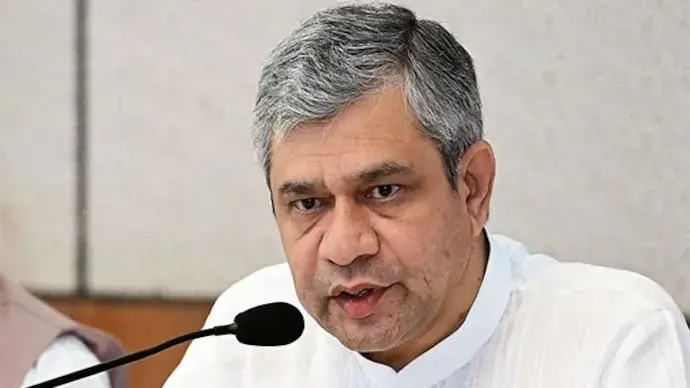
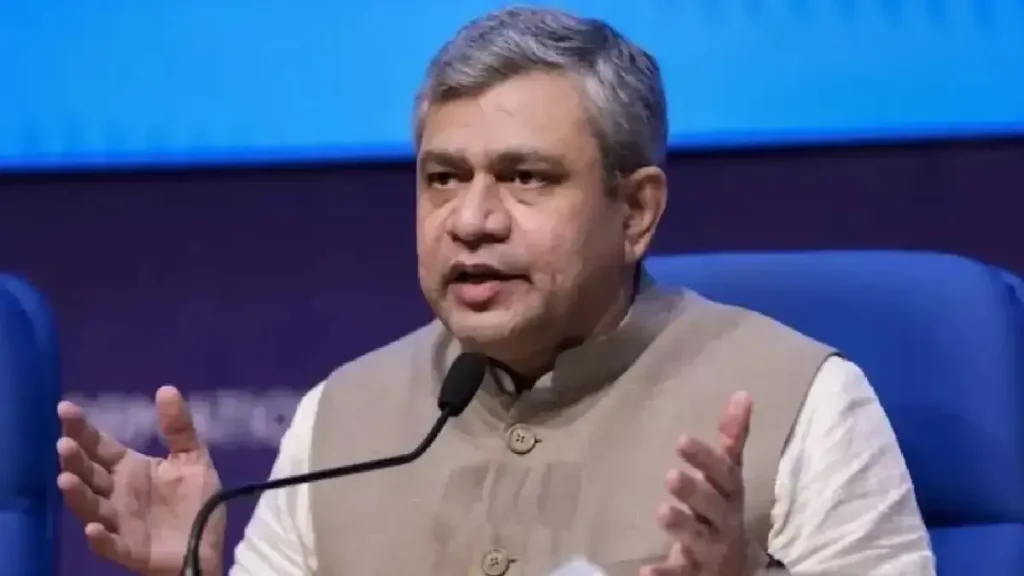
Union Minister of Information and Broadcasting Ashwini Vaishnaw issued a stern warning to Big Tech companies on National Press Day, urging them to take stronger measures against fake news and algorithmic biases. Speaking at a Press Council of India event in Delhi, the minister highlighted four critical challenges impacting the news media: misinformation, AI-generated content, algorithmic manipulation, and unfair compensation for traditional media. Vaishnaw called out digital platforms for failing to verify information, leading to the unchecked spread of fake news, which he described as a “threat to democracy.” He suggested revisiting the Safe Harbour clause under Section 79 of the IT Act, 2000, which currently grants immunity to platforms like Meta and X for user-generated content. The minister argued that the provision, formulated in the 1990s, is outdated given the vast influence of today’s digital platforms. “In a country as diverse as India, misinformation and algorithmic bias pose significant societal risks. Platforms must take greater responsibility to align their operations with our sensitivities,” he said. On algorithmic bias, Vaishnaw criticised platforms for amplifying sensational content to boost engagement, often at the cost of social harmony. He advocated for ethical solutions that prioritize responsible dissemination of information. The minister also addressed the economic disparity between traditional and digital media, urging Big Tech to ensure fair compensation for conventional media outlets that create original content. Highlighting the risks of artificial intelligence, Vaishnaw raised ethical concerns over AI-generated content and its impact on creators’ rights and recognition. He called for open debates and collaborative efforts to address these pressing issues, emphasizing the need for accountability and fairness in digital media governance. The speech underscored the government’s growing focus on regulating Big Tech and safeguarding democratic values in the digital era. Source: Indiatvnews Photo Credit: Indiatvnews

I&B Minister Warns Big Tech: Address Fake News or Risk Losing ‘Safe Harbour’ Protection Read More »

Ashwini Vaishnaw Identifies Four Key Challenges for News Media in the Digital Era

Union Minister for Information and Broadcasting, Ashwini Vaishnaw, highlighted four significant challenges confronting news media amidst the rapidly evolving media landscape. Speaking at a National Press Day event organized by the Press Council of India in Delhi, he outlined concerns related to fake news, algorithmic bias, fair compensation, and the impact of AI on intellectual property rights. Fake News and Disinformation Vaishnaw emphasized the pervasive threat posed by fake news, stating: “The rapid spread of fake news undermines trust, endangers democracy, and raises questions about accountability for content on digital platforms.” He urged society to address the lack of verification and responsibility on these platforms, pointing out their role in exacerbating social tensions globally. Fair Compensation for Conventional Media The shift in news consumption from traditional to digital media has created financial strain for conventional outlets. Vaishnaw highlighted the asymmetric power dynamics between content creators and digital platforms, advocating for fair compensation: “Traditional media invests significant time and resources in creating verified content. This effort must be suitably compensated to preserve journalistic integrity.” Algorithmic Bias The Minister flagged the issue of algorithmic manipulation by digital platforms, designed to maximize engagement rather than prioritize factual accuracy. “Algorithmic bias can incite strong reactions and misinformation, with severe societal consequences, especially in a diverse country like India,” he warned. Vaishnaw urged platforms to develop solutions that mitigate their systems’ adverse impacts. Impact of AI on Intellectual Property Rights Vaishnaw raised ethical and economic concerns over the use of AI models trained on content from creators without proper acknowledgment or compensation. “AI-generated content is derived from vast databases of music, writing, and art, yet original creators often go uncredited and uncompensated. This is not just an economic issue but an ethical one,” he remarked. Vaishnaw stressed the need for open debates and societal consensus to address these challenges: “As pioneers in technology, we must rise above politics, engage in meaningful discussions, and develop solutions to protect the fabric of our society.” These issues, he warned, will only grow in prominence, necessitating proactive measures to safeguard democratic values and journalistic integrity in the digital age. Source: Indiatvnews Photo Credit: Indiatvnews

Ashwini Vaishnaw Identifies Four Key Challenges for News Media in the Digital Era Read More »

Bahraich Police Warns Right-Wing Media Against Spreading Fake News Amidst Communal Clashes

ArdorComm news

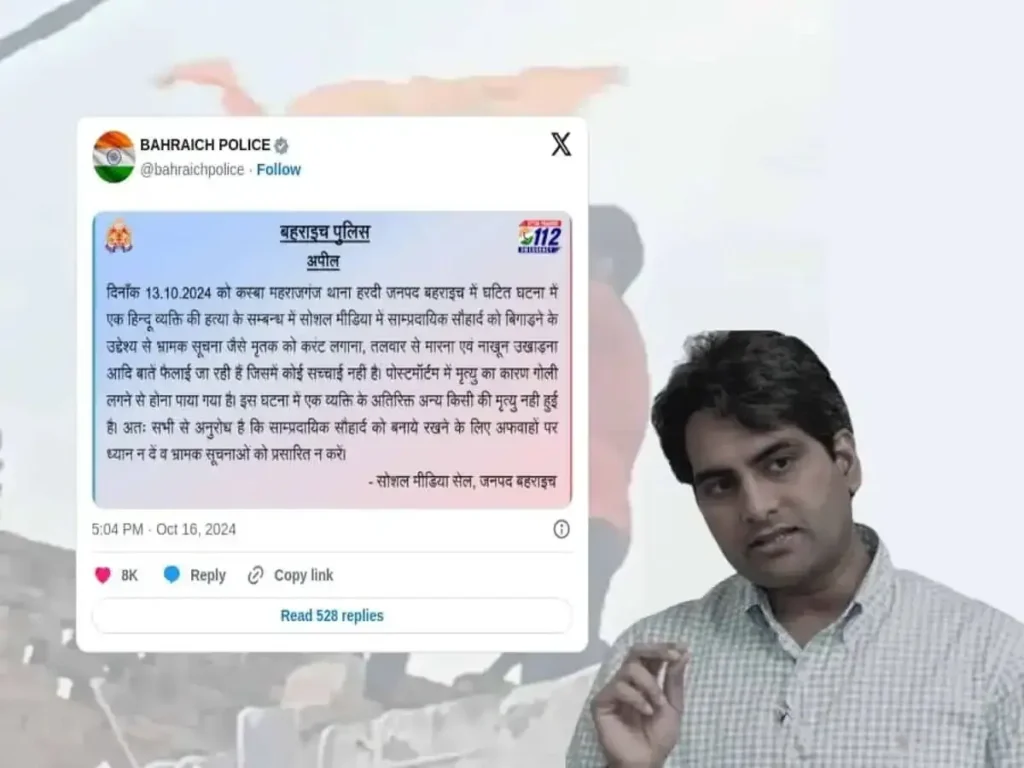
Following the recent communal clashes in Bahraich, Uttar Pradesh, local police have issued strict warnings against the dissemination of fake news, particularly by certain right-wing media outlets. The violence, sparked by a dispute over loud music during the Durga idol immersion procession on October 13, led to the death of 22-year-old Ram Gopal Mishra and left several others injured. Media outlets, including Aaj Tak and Zee News, have come under fire for allegedly spreading misleading information regarding Mishra’s death. Reports claimed that Mishra was subjected to brutal torture, including electric shocks and mutilation, before his death. Sudhir Chaudhary, a well-known journalist with a history of controversial reporting, echoed these false reports on Aaj Tak, suggesting Mishra’s death was the result of unprecedented violence against Hindus. The Bahraich police were quick to debunk these claims, stating that Mishra had died from gunshot wounds after being shot 20 times during the clashes. A video surfaced showing Mishra storming into a Muslim household and vandalizing the property before being shot. The police confirmed that the cause of death was solely due to bullet injuries, with no evidence of torture or mutilation. In response to the misinformation circulating on social media, the Bahraich police have issued public warnings on their official X-page, urging people not to spread false narratives that could escalate communal tensions. They emphasized that legal action would be taken against those found guilty of disseminating misleading information. The police clarified the situation through a statement: “Misinformation like electrocuting the deceased, killing him with a sword, and pulling out nails was spread on social media to disturb communal harmony. The postmortem clearly shows the cause of death was gunshot wounds. We urge everyone to refrain from spreading rumours and maintain peace.” The clashes and subsequent riots led to the suspension of internet services in Bahraich to prevent further unrest. Over 55 people have been detained, and the situation, while still tense, is gradually returning to normal. BJP MLA Shalabh Mani Tripathi also added fuel to the fire by targeting Muslim journalists in a controversial post, questioning their impartiality and accusing them of protecting rioters. His actions have been criticized for exacerbating communal tensions at a time when efforts are being made to restore peace. Source : Siasat Daily

Bahraich Police Warns Right-Wing Media Against Spreading Fake News Amidst Communal Clashes Read More »