


ArdorComm Media Group

Friday, April 17, 2026 4:59 AM

global warming

Climate Action Could Prevent 13.5 Million Air Pollution Deaths by 2050: Global Study
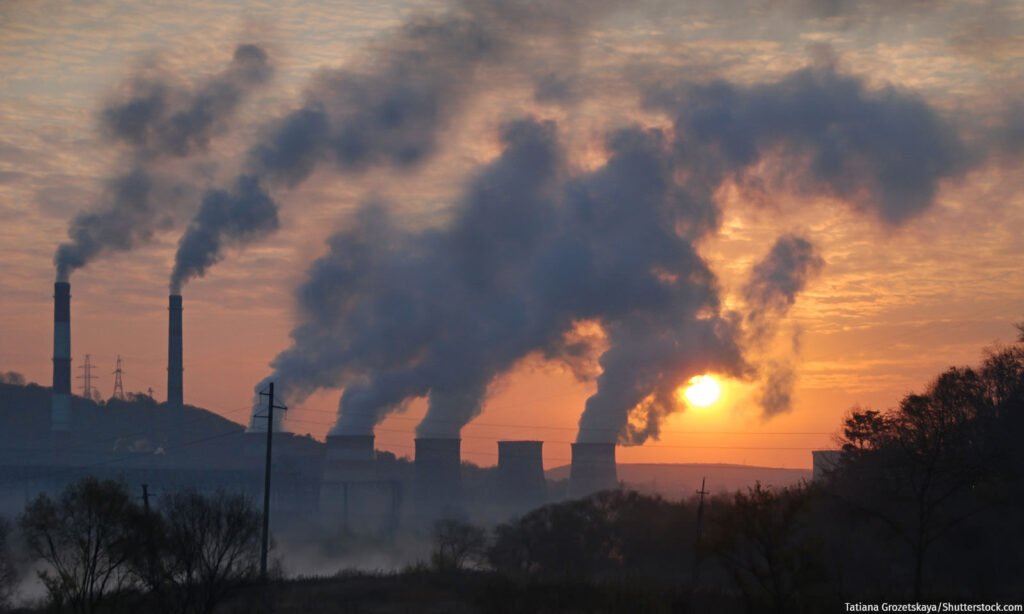
A new study published in The Lancet Global Health reveals that strong climate action aimed at limiting global warming to 2°C could prevent more than 13.5 million premature deaths caused by air pollution by 2050—primarily in low- and middle-income countries (LMICs). The research, led by experts including those from The University of Texas at Austin, highlights that the scale and distribution of health benefits depend significantly on how global climate mitigation efforts are shared among nations. According to the findings, a “least-cost” approach—where emissions are reduced wherever it is cheapest—places a heavier burden on LMICs. However, this model also delivers the greatest improvements in air quality in those regions, resulting in the highest number of lives saved. In contrast, an “equity-based” approach, where wealthier nations take on a larger share of emissions reduction, eases the financial burden on developing countries. But this could lead to nearly four million fewer lives saved, as emissions cuts may not occur in the most pollution-affected regions. Co-author Mark Budolfson noted a critical dilemma between climate justice and maximizing health outcomes, explaining that shifting mitigation responsibility to richer nations may unintentionally reduce life-saving air quality improvements in poorer countries. The study also evaluated a third scenario that combines equity with targeted air pollution controls in LMICs—such as reducing soot and sulphur dioxide emissions through advanced technologies in industries like power generation. This approach emerged as the most effective, balancing fairness with maximum health benefits. Another co-author, Noah Scovronick of Emory University, stressed the importance of designing climate policies that prioritize both justice and public health. He emphasized that developing nations must not miss the opportunity to achieve significant reductions in air pollution while transitioning to cleaner systems. The study underscores the need for global cooperation to craft climate strategies that are both equitable and life-saving. Source: PTI

Climate Action Could Prevent 13.5 Million Air Pollution Deaths by 2050: Global Study Read More »

Climate change–driven heat and humidity may worsen child stunting in South Asia by 2050: Study

Rising temperatures combined with increasing humidity due to climate change could significantly worsen child health outcomes in South Asia, potentially leading to more than three million additional cases of stunting by 2050, according to a new study. The research, conducted by scientists at the University of California, Santa Barbara, examined how exposure to extreme heat and humid conditions during pregnancy affects early childhood development in one of the world’s most densely populated regions. The findings were published in the journal Science. The study focused on “height-for-age,” a widely used measure of chronic health and nutritional status among children under five. Researchers found that exposure to hot and humid weather during pregnancy—particularly during the earliest and latest stages—was strongly linked to poorer growth outcomes in children. Pregnant women are especially vulnerable to heat stress because of physiological and hormonal changes that reduce the body’s ability to regulate temperature. High humidity further intensifies this risk by limiting the body’s capacity to cool down through sweating. The researchers noted that the impacts were most severe when heat and humidity occurred together. Exposure during the third trimester showed health effects nearly four times greater than exposure to high temperatures alone. The study used the wet-bulb globe temperature (WBGT), which accounts for humidity, radiant heat, and airflow in addition to air temperature, to better capture real-world heat stress. The analysis also revealed demographic effects. Each additional day with a WBGT above 29°C was associated with fewer live births six to twelve months later. In contrast, days with maximum temperatures exceeding 35°C were linked to a temporary rise in births within three months, suggesting shifts in pregnancy timing and possible increases in early-stage pregnancy loss. According to the researchers, these trends align with earlier studies showing that extreme heat can lead to premature births and reduced conception rates. Hot and humid conditions, they warned, pose a greater risk to fetal development than heat alone. With climate models projecting a sharp rise in hot and humid days across South Asia under continued global warming, the study cautioned that the true health impacts of extreme weather may be underestimated if humidity is not fully considered. The research drew on child health data from the Demographic and Health Surveys (DHS) and daily climate data produced by the Climate Hazards Center at UC Santa Barbara. Source: PTI  

Climate change–driven heat and humidity may worsen child stunting in South Asia by 2050: Study Read More »