


ArdorComm Media Group

Friday, May 15, 2026 1:20 PM

health emergency

WHO Chief Warns ‘Work Not Over’ After Hantavirus Cruise Ship Evacuation
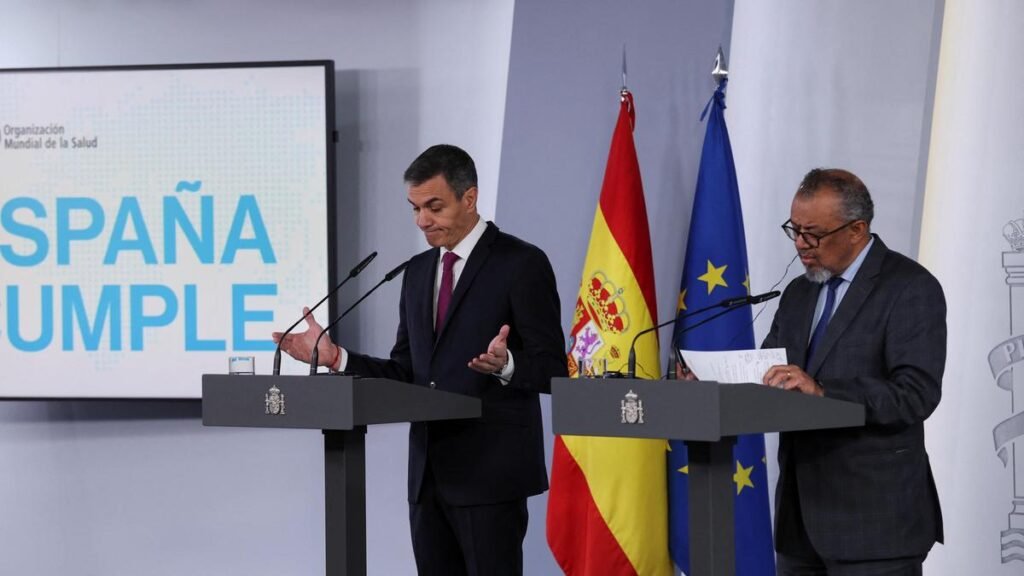
Tedros Adhanom Ghebreyesus has said global efforts to contain the hantavirus situation are still ongoing, following the evacuation of passengers from the cruise ship MV Hondius after a deadly outbreak onboard. Speaking on Tuesday, May 12, at a joint press conference in Madrid alongside Pedro Sánchez, the WHO chief stated that while the immediate response had progressed, the threat had not fully passed. “Our work is not over,” Tedros said, adding that there was currently no evidence of a wider outbreak. However, he cautioned that the long incubation period of the virus means more cases could still emerge in the coming weeks. The MV Hondius has drawn international concern after three passengers died from the rare disease. Health experts, however, stressed that the current global public health risk remains low and said the situation should not be compared to the early days of the Covid-19 pandemic. Over 120 passengers and crew members were airlifted from Spain’s Canary Islands on Sunday and Monday. Many countries have adopted precautionary measures for returning evacuees, with most following WHO guidance that recommends a 42-day quarantine and close monitoring of high-risk contacts. In contrast, the Centers for Disease Control and Prevention in the United States indicated that American evacuees may not automatically face quarantine. Acting CDC director Jay Bhattacharya said quarantine decisions would depend on individual circumstances. The handling of the ship also created diplomatic tension, as nations debated who would host the vessel and care for passengers. Cape Verde declined to receive the ship while it remained offshore near Praia, leading to emergency evacuations of critically ill passengers to Europe. Spain later permitted the vessel to anchor near the Canary Islands for evacuation operations, though regional leaders reportedly opposed the move. Defending Spain’s response, Sánchez said the world needs cooperation rather than fear, adding that nations must act with solidarity during such crises. Source: AFP Photo Credit: Reuters

WHO Chief Warns ‘Work Not Over’ After Hantavirus Cruise Ship Evacuation Read More »
Chikungunya Risk Grows: WHO Warns of Possible Global Outbreak

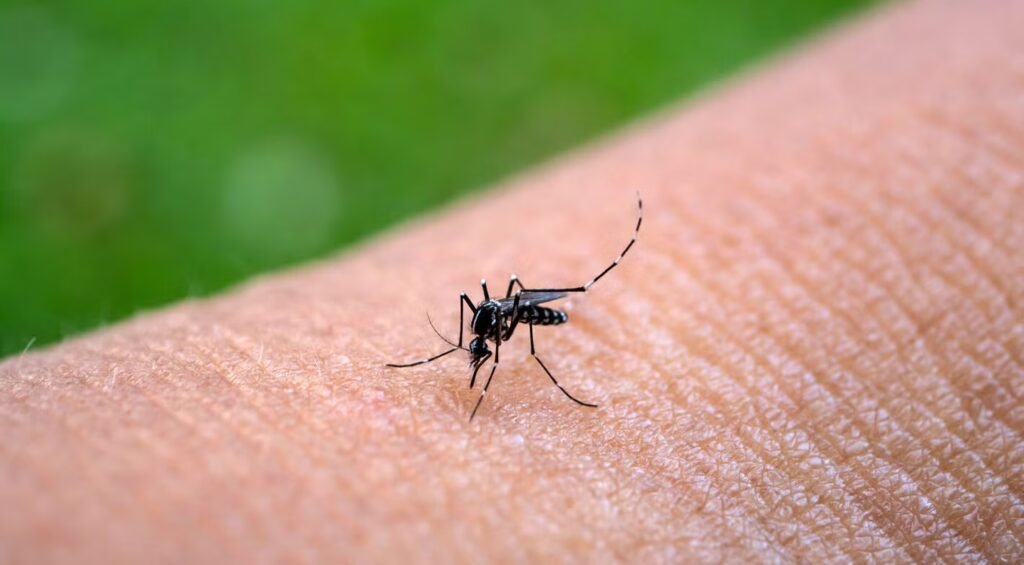
The World Health Organization (WHO) has issued a global health alert about the rising threat of a chikungunya epidemic, warning that the virus could soon spread across continents if swift preventive measures are not taken. The warning, issued on Tuesday, highlights signs similar to those observed before the large-scale outbreak of 2004–05. Dr. Diana Rojas Alvarez, a medical officer at the WHO, revealed that approximately 5.6 billion people across 119 countries are potentially vulnerable. Speaking at a press conference in Geneva, she emphasized the virus’s ability to trigger severe fever, debilitating joint pain, and long-lasting health issues, particularly among older adults. Outbreak Timeline and Spread The ongoing surge began in early 2025, primarily affecting regions in the Indian Ocean, including La Réunion, Mayotte, and Mauritius—where nearly one-third of La Réunion’s population has been infected. The virus has since made inroads into Madagascar, Somalia, Kenya, India, and other parts of Southeast Asia. Alarmingly, southern Europe is now reporting isolated locally transmitted cases in France and Italy. Understanding Chikungunya Chikungunya, first identified in Tanzania in 1952, is a mosquito-borne viral illness transmitted mainly by Aedes aegypti and Aedes albopictus mosquitoes. These vectors also spread other diseases like dengue and Zika. Common symptoms include: Sudden onset of high fever Severe joint and muscle pain Headache Fatigue Rash Although the infection is rarely fatal, many patients suffer prolonged joint discomfort that can persist for months. There is currently no specific antiviral treatment. Supportive care—hydration, rest, and pain relief—remains the primary approach. While two vaccines have been approved or recommended in select countries, widespread access and deployment remain limited. The WHO is assessing safety data and global needs to determine the potential for broader rollout. Global Numbers and Trends The European Centre for Disease Prevention and Control (ECDC) reports that, as of June 2025, Brazil leads with over 141,000 cases, followed by Argentina (2,521), Peru (46), and Bolivia (605). The French territory of La Réunion has documented over 51,000 cases by May-end. In South Asia, more than 33,000 infections have been reported in India, Pakistan, and Sri Lanka since June. Notably, regions that were once free from local chikungunya transmission are now witnessing occasional local outbreaks—a shift attributed to global warming and the changing habitats of mosquito species. WHO’s Call to Action To prevent chikungunya from escalating into a full-scale global epidemic, the WHO has urged governments and health agencies to: Enhance mosquito surveillance and vector control Strengthen healthcare infrastructure for better outbreak detection and response Increase public awareness on mosquito bite prevention Accelerate vaccine research and availability The WHO stressed that delaying action now could result in a wider, more difficult-to-control health emergency in the near future. Source: Business Standard

Chikungunya Risk Grows: WHO Warns of Possible Global Outbreak Read More »

Hospitals in Gaza Warn of Fuel Shortage Amid Intensifying Conflict

The Gaza health ministry has sounded an alarm, warning that hospitals in the territory have only two days’ worth of fuel left. This urgent appeal comes amid escalating conflict and worsening humanitarian conditions, with aid deliveries facing severe disruptions. Marwan al-Hams, director of Gaza’s field hospitals, issued a dire warning, stating that hospitals will cease operations or significantly limit services if fuel supplies are not replenished. The United Nations has echoed these concerns, highlighting that essential aid, including food, water, and medical supplies, is being severely hampered due to Israeli restrictions and growing insecurity in the region. Key Developments: ICC Arrest Warrants: The International Criminal Court (ICC) issued arrest warrants for Israeli Prime Minister Benjamin Netanyahu and former defense minister Yoav Gallant. The charges include war crimes and crimes against humanity, particularly the alleged use of starvation as a method of warfare. Humanitarian Crisis: The UN and the World Health Organization (WHO) have expressed grave concerns about the deteriorating conditions, especially in northern Gaza. Israeli military operations in Jabalia and Beit Lahia have caused mass casualties and displacement. International Reactions: While some leaders, including US President Joe Biden, criticized the ICC’s warrants, others, like Irish Prime Minister Simon Harris, supported legal accountability. Hungarian Prime Minister Viktor Orban offered a contrasting stance, inviting Netanyahu to visit in defiance of the ICC. Escalation Beyond Gaza: The conflict has spilled over into Lebanon, with Israeli airstrikes targeting Hezbollah strongholds. Clashes have resulted in significant casualties, with the Lebanese health ministry reporting over 3,580 deaths since late September. The war, which began after Hamas’s deadly attack on October 7, 2023, has claimed tens of thousands of lives in Gaza, with the majority being civilians, according to the Gaza health ministry. Meanwhile, calls for a ceasefire and unhindered humanitarian access continue to grow from the international community. Source: NDTV Photo Credit: NDTV

Hospitals in Gaza Warn of Fuel Shortage Amid Intensifying Conflict Read More »