ArdorComm Media Group

Wednesday, November 25, 2026 5:33 AM

health policy

Tamil Nadu to Launch Health Insurance Scheme for Elderly, Announces Major Healthcare Reforms

The Tamil Nadu government has announced a series of healthcare reforms, including a new health insurance scheme for senior citizens, annual free health check-ups for people aged 30 and above, and a major expansion of medical infrastructure and healthcare workforce. The announcements were made in the Tamil Nadu Assembly as the government outlined plans to modernise the State’s healthcare system and address emerging and future health challenges. The 87-year-old Tamil Nadu Public Health Act, 1939, will be replaced with a new comprehensive legislation designed to address contemporary healthcare requirements. The proposed law will also include a provision making unsupervised home births outside hospitals a punishable offence. The government also plans to establish ‘TN Medicity’, a world-class integrated healthcare hub bringing together clinical services, medical research, medical tourism and AYUSH facilities. An initial allocation of ₹10 crore will be made to prepare the Detailed Project Report for the proposed project. Free Annual Health Checks for People Above 30 Under the proposed ‘Nalam 360 – Annual Free Health Check-up for All’ initiative, residents aged 30 years and above will receive 14 basic health tests every year at no cost. The programme will be implemented across 1,257 government healthcare facilities in Tamil Nadu. The tests will cover key health indicators, including blood pressure, ECG, haemoglobin, complete haemogram, random blood sugar, urea, creatinine, total cholesterol, serum bilirubin, urine albumin and VIA screening. For the first time in the State, the Health Department will also introduce Home Based Diagnostic Services in metropolitan areas. The initiative will facilitate sample collection and testing at people’s homes through a public-private partnership model. New Health Policy and Institutions The government will introduce a ‘Positive Health Policy’ aimed at promoting holistic health and wellbeing at the individual, family and community levels. A ‘Nalam 360’ mobile application will accompany the initiative. Another proposed legislation, the ‘TN Institutions of State Importance in Health Care Act’, will facilitate the creation of institutions of State importance focused on delivering advanced and world-class medical services. Expansion of Healthcare Workforce To address staffing requirements, the government will create 2,500 permanent staff nurse positions. Existing nurses working on consolidated pay will also be absorbed into regular time-scale positions. In addition, 1,695 nursing posts on consolidated pay will be created at an estimated cost of ₹42.72 crore. The Medical Services Recruitment Board will recruit 3,594 medical personnel across 24 categories, including pharmacists, nursing assistants, village health nurses and ophthalmic assistants. The Health Department will also create 284 temporary super-speciality posts across 25 disciplines, including neurology, cardiology and nephrology. These positions will be placed on time-scale pay and are intended to strengthen access to specialised healthcare at the district level. The posts will also provide opportunities for doctors completing postgraduate medical education each year, particularly those posted in government hospitals under bond conditions. The government has further announced several infrastructure initiatives, including construction of new hospital buildings and procurement of additional medical equipment, as part of its broader effort to strengthen healthcare delivery across Tamil Nadu. Source: The Hindu

Tamil Nadu to Launch Health Insurance Scheme for Elderly, Announces Major Healthcare Reforms Read More »

WHO Urges Governments to Raise Taxes on Sugary Drinks and Alcohol to Curb Rising Health Risks

The World Health Organization (WHO) has urged governments worldwide to sharply increase taxes on sugary drinks and alcoholic beverages, warning that persistently low tax rates are making these harmful products more affordable and driving a surge in preventable diseases. Releasing two new global reports on Tuesday (January 13, 2026), the WHO said falling prices of sugary drinks and alcohol are contributing to rising cases of obesity, diabetes, heart disease, cancers and injury-related deaths, particularly among children and young adults. Weak taxation policies, the agency noted, are allowing these products to stay cheap while public health systems struggle under the growing burden of noncommunicable diseases. “Health taxes are among the most effective tools to protect people’s health,” said WHO Director-General Dr Tedros Adhanom Ghebreyesus. He emphasized that higher taxes on tobacco, alcohol and sugary drinks can curb harmful consumption while generating much-needed revenue for healthcare services. According to the WHO, the global market for sugary drinks and alcoholic beverages earns billions in profits, yet governments collect only a small fraction through health-focused taxes. This imbalance leaves societies to shoulder the long-term health and economic consequences. The reports highlight that while at least 116 countries tax sugary drinks, many high-sugar products — including 100% fruit juices, sweetened milk beverages, and ready-to-drink coffees and teas — remain untaxed. Although 97% of countries impose taxes on energy drinks, this figure has not improved since 2023. On alcohol, the WHO found that 167 countries levy some form of tax, while 12 have complete bans. However, alcohol has become more affordable in many regions since 2022 because tax rates have not kept pace with inflation and rising incomes. Notably, wine remains untaxed in at least 25 countries, largely in Europe, despite its known health risks. The WHO stressed that while industries continue to profit, the public bears the health fallout and societies absorb the economic costs. To address this, the organization has launched its “3 by 35” initiative, calling on countries to increase and restructure taxes so that the real prices of tobacco, alcohol and sugary drinks rise by 2035, making them less accessible and reducing harm over time. Source: The Hindu

WHO Urges Governments to Raise Taxes on Sugary Drinks and Alcohol to Curb Rising Health Risks Read More »

WHO Urges Boost in TB Research and Innovation to Tackle High Burden in South-East Asia

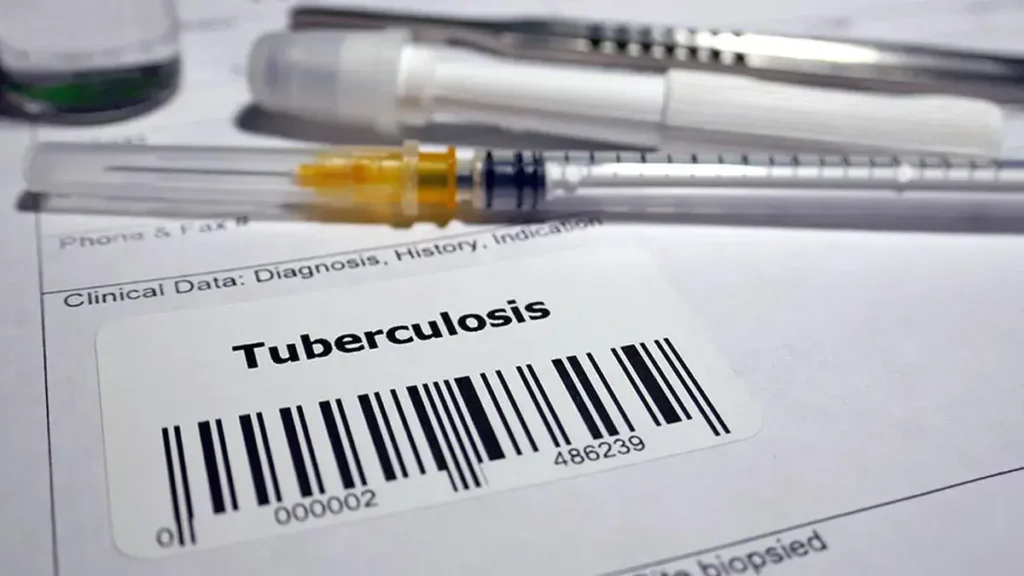
The World Health Organization (WHO) has issued an urgent call to enhance research, innovation, and regional cooperation to eliminate tuberculosis (TB) in the South-East Asia region — a region that continues to carry nearly half of the global TB burden. Speaking at the launch of a three-day virtual workshop focused on advancing TB research and innovation, Dr. Catharina Boehme, Officer-in-Charge for WHO South-East Asia, emphasized that in 2023 alone, the region saw nearly 5 million new TB cases and around 600,000 related deaths. The workshop brings together national TB programme leaders, scientists, civil society members, and global partners to push forward efforts aligned with the WHO’s End TB Strategy. The Need for Urgency and Collaboration Dr. Boehme highlighted that ending TB demands the rapid adoption of new tools, diagnostics, and treatments — and, more importantly, equitable and timely access to these innovations. “Collaboration is key to scaling up impact and ensuring that no one is left behind,” she stated. Despite a post-COVID-19 rebound in TB case detection in 2023, current progress is falling short of the End TB Strategy’s 2030 goals: a 90% drop in TB-related deaths and an 80% decline in incidence compared to 2015. Alarmingly, TB has returned as the world’s leading cause of death from a single infectious disease, with its effects disproportionately hitting the poorest and most vulnerable communities. In South-East Asia, between 30% and 80% of TB-affected households experience catastrophic healthcare expenses, pointing to the urgent need for inclusive, people-first approaches and stronger social protection systems. Signs of Progress Amidst Challenges Still, there are signs of advancement. In 2023, the region recorded 3.8 million new or relapsed TB cases, with an 89% treatment success rate among those who began treatment in 2022. The number of undiagnosed cases was significantly reduced — down to 22% from 44% in 2020. Countries are increasingly adopting technology-driven solutions such as artificial intelligence for detecting TB, digital adherence tools to monitor treatment, and direct benefit transfers to ease patients’ financial burdens. These innovations are being powered by strong political will and national commitment. Several countries have also expanded research efforts. Bangladesh has concluded a national patient cost survey, while India’s RATIONS study provided valuable insights on the role of nutrition in TB prevention and recovery. Nepal’s “TB-Free Pallika” initiative and Myanmar’s multisectoral coordination model are examples of community-led innovations that prioritize vulnerable populations. According to WHO, over 3,000 TB-related research papers were published by South-East Asian countries in the past six years, with 60% being original research. However, the challenge lies in transforming these findings into action, as knowledge gaps and lack of collaborative platforms hinder broader impact. Strengthening Regional and Global Coordination The workshop will also focus on building stronger South-South collaboration, vaccine readiness, use of digital tools for patient care, and tackling vaccine hesitancy. Discussions will revolve around aligning regulatory frameworks, improving knowledge-sharing platforms, and setting research priorities that address underlying drivers of TB — such as malnutrition and climate-related risks. Dr. Boehme noted the growing threat posed by drug-resistant TB and emphasized the importance of ensuring that scientific progress benefits everyone equally. “Access to new vaccines, medicines, and diagnostics must be equitable. Reaching underserved communities through proactive case-finding and offering socio-economic support is essential in mitigating the financial toll of TB,” she concluded. Source: PTI Photo Credit: Getty Images

WHO Urges Boost in TB Research and Innovation to Tackle High Burden in South-East Asia Read More »

India May Face Over 1.6 Million Gastric Cancer Cases, Global Study Warns

A new international study published in Nature Medicine has sounded the alarm over a possible surge in gastric cancer cases, predicting that more than 15 million individuals born between 2008 and 2017 could develop the disease globally during their lifetime. India is projected to bear a significant burden, second only to China, with an estimated 1.6 million cases if current prevention efforts remain unchanged. The research, led by the International Agency for Research on Cancer (IARC), the cancer research wing of the World Health Organization, used global cancer incidence data from GLOBOCAN 2022 along with UN demographic forecasts. It found that nearly two-thirds of future gastric cancer cases will likely emerge in Asia, with India and China alone expected to contribute about 6.5 million new diagnoses. A key finding of the study highlights that 76% of these cases could be linked to Helicobacter pylori—a widespread and chronic bacterial infection of the stomach that significantly increases cancer risk. Despite being preventable and treatable, H. pylori remains a major health challenge in many countries. Gastric cancer is currently the fifth most deadly cancer worldwide. The study also points to an anticipated six-fold rise in cases across sub-Saharan Africa, where the current incidence is relatively low. Experts behind the research are urging governments to invest in large-scale preventive measures—especially in screening and treatment programs targeting H. pylori. They stress that such interventions could slash future cancer cases by as much as 75%. The researchers warn that an ageing global population, along with rising cancer rates in younger people, could undo recent progress in cancer control if swift action is not taken. The findings reinforce the urgent need for countries, particularly in Asia, to enhance public health strategies focusing on early diagnosis, education, and bacterial eradication to curb the looming threat of gastric cancer. Source: CNBCTV18

India May Face Over 1.6 Million Gastric Cancer Cases, Global Study Warns Read More »

Trump Appoints Indian-Origin Covid Critic Jay Bhattacharya as NIH Director

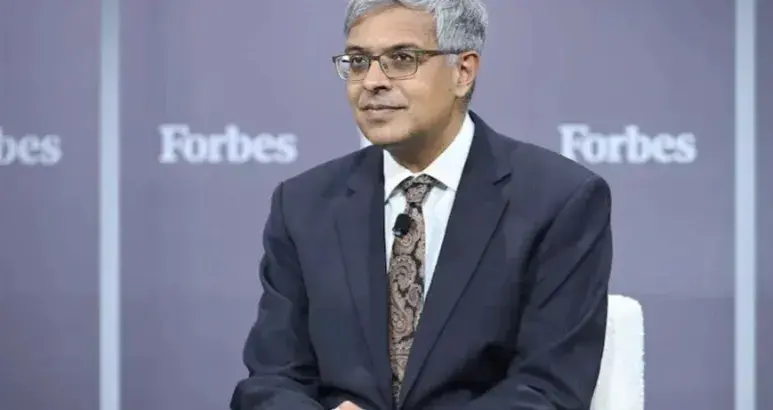
Former U.S. President Donald Trump has nominated Dr. Jay Bhattacharya, an Indian-origin Stanford academic and prominent critic of COVID-19 lockdown policies, as the Director of the National Institutes of Health (NIH). The NIH, a leading public funder of medical research, manages an annual budget of $47.3 billion and plays a critical role in shaping U.S. health policies. Announcing the appointment, Trump stated that Dr. Bhattacharya, in collaboration with Robert F. Kennedy Jr., would lead efforts to restore the NIH’s reputation as the “Gold Standard of Medical Research.” The new leadership aims to tackle America’s pressing health crises, particularly chronic illnesses and diseases. Who is Jay Bhattacharya? Born in Kolkata in 1968, Dr. Bhattacharya is an accomplished scholar with a dual academic foundation: a medical doctorate (1997) and a Ph.D. in economics (2000), both from Stanford University. Currently, he serves as a Professor of Health Policy at Stanford University and directs the Center for Demography and Economics of Health and Aging. Dr. Bhattacharya’s research focuses on the health and economic well-being of vulnerable populations, the impact of government programs, and biomedical innovation. He gained national attention during the COVID-19 pandemic for co-authoring the Great Barrington Declaration in October 2020, advocating for targeted protections for high-risk groups rather than widespread lockdowns. A prolific researcher, Dr. Bhattacharya has authored 135 peer-reviewed articles across various fields, including medicine, health policy, and economics. His appointment signals a shift toward addressing systemic health challenges and reevaluating pandemic response strategies in the United States. Dr. Bhattacharya’s nomination marks a significant move, blending innovative health policies with a critical lens on past approaches, as the NIH positions itself to address evolving medical and research challenges. Source: NDTV Photo Credit: NDTV

Trump Appoints Indian-Origin Covid Critic Jay Bhattacharya as NIH Director Read More »