

ArdorComm Media Group

Monday, November 23, 2026 3:33 AM

healthcare reform

Govt Plans National Quality Grading System for Public and Private Hospitals

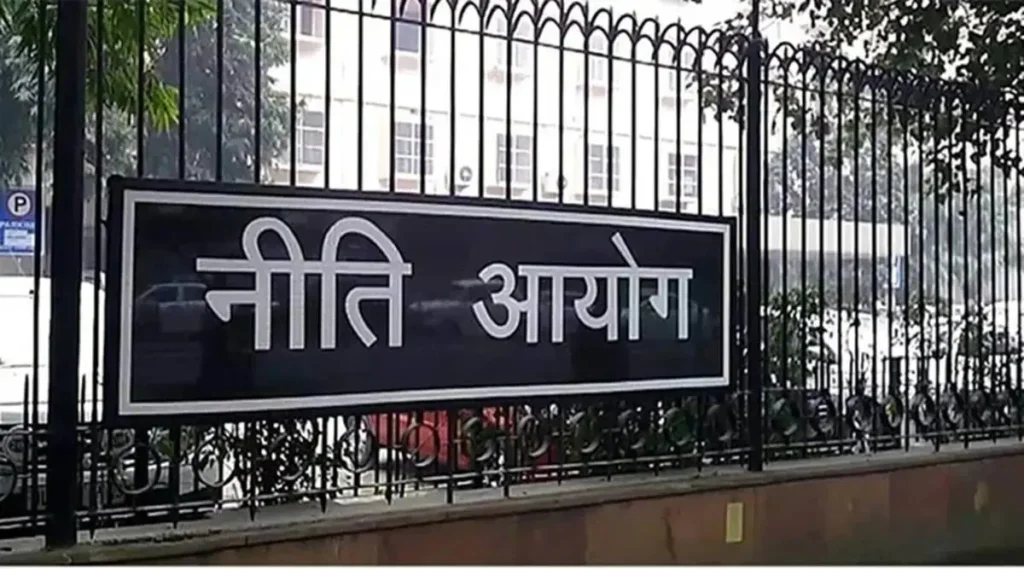
The government is working on a national framework to assess and grade public and private hospitals on healthcare quality, patient safety and clinical outcomes, with the system expected to follow international benchmarks. The initiative, being developed with the involvement of NITI Aayog, is aimed at giving patients access to clearer information when choosing healthcare providers while encouraging hospitals to improve standards of care. Officials indicated that the framework could be finalised by the end of this year, with hospital grading potentially beginning in the next financial year. NITI Aayog recently held a stakeholder consultation led by its member M Srinivas to discuss the proposed framework. The discussions focused on creating a credible and sustainable system centred on patient safety, quality of care, clinical outcomes and patient experience across different categories of hospitals. The proposed indicators could include patient-reported outcomes and experiences, hospital readmission rates and medication errors. Specialty-specific measures may also be considered, including post-transplant survival rates and postoperative mortality associated with oncology procedures. Healthcare experts said a standardised grading system could help patients make more informed decisions while allowing hospitals with stronger clinical outcomes and quality systems to distinguish themselves. It could also provide insurers and other healthcare payers with more objective data for designing outcome- and quality-linked products. At present, private hospitals can seek accreditation under the National Accreditation Board for Hospitals & Healthcare Providers (NABH), which sets standards for patient safety and clinical quality. However, detailed quality and outcome data are not routinely available to the public. The proposed framework could address this information gap by making hospital performance more transparent. Similar systems are already used in countries such as the UK, where the National Health Service publishes and audits various clinical quality and outcome indicators. The government also expects greater transparency and internationally benchmarked quality standards to strengthen India’s healthcare ecosystem and potentially support the country’s medical tourism ambitions. Source: Economic Times

Govt Plans National Quality Grading System for Public and Private Hospitals Read More »

Delhi Govt to Boost Healthcare with More Dialysis Machines, Imaging Services via PPP Model

The Delhi government is set to enhance its public healthcare system by adding over 30 new dialysis machines, expanding access to diagnostic services like MRI, CT scans, and ultrasounds through the Public-Private Partnership (PPP) model, and constructing rest houses (VishramGrih) for patients and their caregivers, according to senior officials. These initiatives were reviewed during a key meeting of the Health Department held on June 18, chaired by Delhi Health Minister Pankaj Kumar Singh. The meeting focused on strengthening medical infrastructure and service delivery in the national capital. As part of its ongoing efforts under the Pradhan Mantri National Dialysis Programme (PMNDP) operating via the PPP model, the government has already deployed 150 dialysis machines across 16 public hospitals. Singh confirmed that an additional 32 to 40 machines will soon be installed to meet growing demand. Officials also assessed progress on various health schemes and facilities, including the operationalisation of Ayushman Arogya Mandirs, the development of critical care units under the PM-Ayushman Bharat Health Infrastructure Mission (PM-ABHIM), and the rollout of Jan Aushadhi Kendras to ensure affordable medicine availability. Other key issues on the agenda included the outsourcing of registration services in outpatient (OPD) and inpatient (IPD) departments, addressing manpower shortages in hospitals and Mohalla Clinics, implementing the Hospital Information Management System (HIMS), and ensuring smooth procurement of essential medical supplies. In addition, the Health Minister directed the formation of new health councils and committees, and stressed the identification of sensitive roles within the health department to improve transparency and governance. A senior official noted that the minister has issued strict deadlines, with most initiatives expected to be completed within the next three to four weeks or by the following month. These efforts reflect the Delhi government’s renewed push to modernize its healthcare delivery system and improve patient experience across the city. Source: PTI

Delhi Govt to Boost Healthcare with More Dialysis Machines, Imaging Services via PPP Model Read More »

Niti Aayog Plans Overhaul of AIIMS Delhi to Expand Reach and Ease Patient Load

Ardorcomm news

The All India Institute of Medical Sciences (AIIMS), Delhi, could soon undergo a major transformation, as Niti Aayog is reportedly drafting a comprehensive revamp plan for the country’s premier medical institution. The proposal envisions expanding AIIMS’ clinical services beyond its central campus to various locations across the National Capital Region (NCR), according to a senior government official. The initiative aims to alleviate the overwhelming pressure on the existing infrastructure and allow doctors to dedicate more time to research. The proposal seeks to reserve the main AIIMS campus for critical care and trauma patients, which would also help reduce the long wait times for vital medical procedures. Currently, AIIMS Delhi handles an average of 7,200 patients daily at its Out-Patient Department (OPD) and 400-500 cases at the casualty ward. To address this high patient load, the VK Paul-led committee under Niti Aayog is examining internal systems and exploring ways to decentralise services without compromising the institute’s renowned quality of care. The committee is preparing a detailed blueprint that includes phased reforms—short-term, medium-term, and long-term—complete with implementation timelines. The report is expected to be submitted to the Ministry of Health in the latter half of 2025. One of the strategies under consideration is to utilise underused infrastructure in other government and possibly private hospitals to host AIIMS OPD services. This would allow for more efficient distribution of patient care and help manage the caseload more effectively. “All factors are being reviewed to ensure that service quality remains uncompromised,” said the official. “A final decision will be based on the recommendations of the expert panel.” A medical practitioner involved in the stakeholder consultations emphasized the need for both patient load reduction and administrative reforms to elevate the institution to global standards. However, they cautioned that success will depend on strict oversight. “The idea of decentralising OPDs will only work if there’s a robust monitoring mechanism to ensure the same level of care is provided as at AIIMS,” the practitioner noted, requesting anonymity. If implemented, the overhaul could significantly reshape the future of healthcare delivery in Delhi and set a precedent for other government-run medical institutions across the country. Source: ET Health

Niti Aayog Plans Overhaul of AIIMS Delhi to Expand Reach and Ease Patient Load Read More »

WHO Prepares for Life After U.S. Exit Amid Deep Budget Cuts and Donor Shift

As the World Health Organization (WHO) prepares for its annual assembly in Geneva starting May 19, a significant shift looms over the global health body: how to navigate a future without its top financial backer, the United States. The week-long gathering, typically a forum for setting health priorities and policy, approving vaccines, and coordinating international disease responses, is this year overshadowed by the U.S. decision to leave the organization. In January, President Donald Trump issued an executive order initiating the year-long withdrawal process on his first day back in office. With the U.S. accounting for roughly 18% of the WHO’s funding, officials are now grappling with how to stretch limited resources. “Our goal is to focus on the high-value stuff,” said Daniel Thornton, WHO’s director of coordinated resource mobilisation. While specifics remain under discussion, internal planning documents seen by Reuters suggest the agency will prioritize its emergency response and medicine approval efforts, while scaling back on training programs and potentially closing offices in high-income countries. Key health guidance on vaccines and diseases such as HIV and obesity is expected to continue. A Western diplomat, speaking anonymously, acknowledged the challenge ahead: “We’ve got to make do with what we have.” WHO staff have already begun budget and personnel cuts in anticipation of the funding shortfall. Though the U.S. remains a member until January 21, 2026, under the legally mandated transition period, signs of a policy reversal are slim. President Trump initially left the door open to rejoining if the organization “clean it up,” but health envoys say no concrete steps have followed. In the meantime, WHO faces an immediate budget gap of $600 million this year, with deeper cuts—up to 21%—expected over the next two years. As the U.S. steps back, China is poised to become the largest contributor of assessed contributions—one of WHO’s key funding streams. China’s share will rise from over 15% to 20% following a 2022 funding restructure. “We have to adapt ourselves to multilateral organisations without the Americans. Life goes on,” said Chen Xu, China’s ambassador to Geneva. The evolving donor landscape has prompted calls for deeper reform. Anil Soni, CEO of the WHO Foundation, questioned whether the organization still needs its vast array of committees or to publish thousands of documents each year. He added that the transition was forcing a reassessment of operations, including whether WHO should handle routine logistics like fuel purchases during crises. Soni emphasized the urgency of sustaining vital programs amid the funding squeeze, noting that the agency is increasingly turning to philanthropies and the private sector for targeted support. The ELMA Foundation, for instance, recently contributed $2 million to support the Global Measles and Rubella Laboratory Network, which includes over 700 labs monitoring infectious disease threats. Alongside pandemic preparedness agreements and an investment round to court new donors, funding will remain the central concern at the Geneva meeting. A WHO manager’s recent request for staff to volunteer as ushers—without extra pay—reflects the broader austerity mindset taking hold. Source: Reuters Photo Credit: Reuters

WHO Prepares for Life After U.S. Exit Amid Deep Budget Cuts and Donor Shift Read More »