





India Records Over 7,000 Suspected Heatstroke Cases and 14 Confirmed Deaths Amid Rising Temperatures
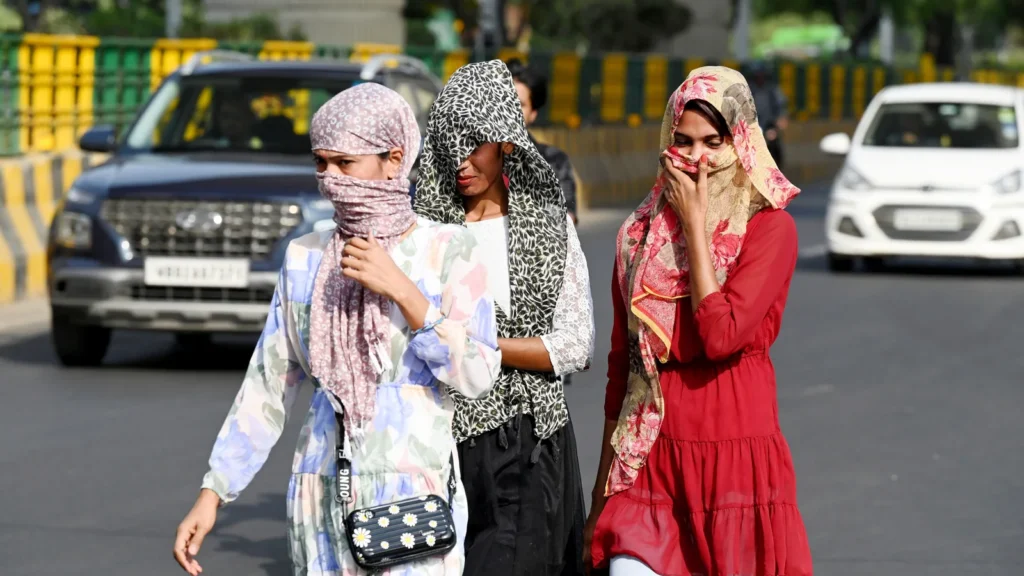
Between March 1 and June 24, 2025, India recorded 7,192 suspected cases of heatstroke and 14 confirmed deaths due to extreme heat, according to data obtained by PTI through the Right to Information (RTI) Act. The information, provided by the National Centre for Disease Control (NCDC), points to a growing public health concern amid soaring temperatures, as India experiences one of its hottest years on record since 1901. Majority of Heatstroke Cases Reported in May May proved to be the most critical month, with 2,962 suspected cases and three confirmed deaths. In April, there were 2,140 suspected cases and six confirmed fatalities, while March saw 705 cases and two deaths. Up to June 24, June added another 1,385 suspected cases and three confirmed fatalities. Andhra Pradesh emerged as the worst-hit state, reporting 4,055 suspected cases — more than half the national total during the period. Other significantly affected states included Rajasthan (373 cases), Odisha (350), Telangana (348), and Madhya Pradesh (297). Gaps in Death Reporting Highlight Systemic Flaws Despite the high number of suspected cases, many states, including those with hundreds of reported incidents, recorded few or no confirmed deaths. Maharashtra and Uttarakhand topped the list of confirmed fatalities, each reporting three deaths. Telangana, Odisha, Tamil Nadu, Jharkhand, Uttar Pradesh, and West Bengal each reported one. Experts and officials say the actual toll is likely much higher than reported due to systemic shortcomings in data collection and diagnosis. NCDC’s figures are based on reports from hospitals under the Integrated Disease Surveillance Programme (IDSP), leaving out cases that go untreated or undiagnosed, especially those occurring outside medical facilities. A health ministry official, speaking anonymously, acknowledged these limitations: “We only capture a fraction of real cases. Many deaths go unclassified due to lack of capacity, staff, and timely reporting in hospitals.” Inconsistent Records Across Agencies India’s fragmented approach to tracking heat-related illnesses was further exposed in a PTI investigation. For the 2015–2022 period, three government agencies reported vastly different numbers: NCDC cited 3,812 heat-related deaths, the National Crime Records Bureau (NCRB) recorded 8,171, and the India Meteorological Department (IMD) listed 3,436. Discrepancies are further worsened by states failing to provide complete or timely data. In previous years, Delhi, Uttar Pradesh, Punjab, Haryana, Bihar, Karnataka, Kerala, Chhattisgarh, and West Bengal have all been inconsistent in their reporting, with some reportedly underreporting deaths to avoid paying compensation. Heat-Related Deaths Often Misclassified Abhiyant Tiwari, Climate Resilience and Health Lead at NRDC India, emphasized the difficulty of accurately linking deaths to heat exposure. “Many are recorded as heart attacks or other conditions. To understand the true impact, we must look at excess mortality during heatwaves,” he said. Soumya Swaminathan, advisor to the Health Ministry, echoed the call for reform. “We need stronger death certification and reporting systems. Reliable data is essential for shaping effective climate and health policies,” she noted. As climate change intensifies the frequency and severity of heatwaves, the lack of a unified, robust national surveillance system remains a serious barrier to India’s readiness and response. Source: Economic Times
