

ArdorComm Media Group

Sunday, October 25, 2026 8:59 AM

HigherEducation

ArdorComm Education Leadership Summit & Awards 2026 – Pune, to be held on 30th October 2026 in Pune, Maharashtra
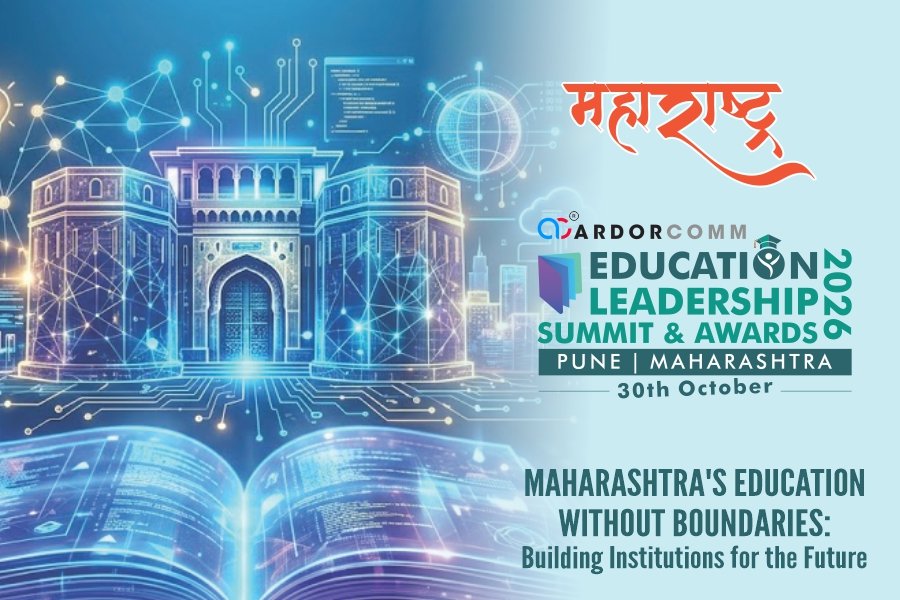
Education is undergoing one of the most significant transformations of the modern era. Artificial intelligence, emerging technologies, changing workforce expectations, new-age skills and evolving learner needs are reshaping not only classrooms, but the very institutions and systems that support learning. In this rapidly changing environment, the question is no longer simply about how education should adapt to technology. The bigger question is: How can educational institutions, educators, policymakers and industry leaders work together to build an education ecosystem that is future-ready, inclusive and capable of creating opportunities without boundaries? This conversation will take centre stage at the ArdorComm Education Leadership Summit & Awards 2026 – Pune, scheduled for 30th October 2026 in Pune, Maharashtra, under the theme “Maharashtra’s Education Without Boundaries: Building Institutions for the Future.” Organised by ArdorComm Media Group, the summit will bring together education leaders, academicians, institutional heads, policymakers, HR professionals, EdTech innovators, entrepreneurs and industry experts to deliberate on the forces transforming education and employability. Pune: Where Education Meets Innovation Pune’s reputation as an education hub is deeply rooted in its history. Often referred to as the “Oxford of the East,” the city has developed into a vibrant ecosystem where education, research, technology, entrepreneurship and industry intersect. Its universities and educational institutions attract learners and academics from across India, while its technology and startup ecosystem has created new opportunities for collaboration between academia and industry. But Maharashtra’s educational story extends far beyond Pune. Cities such as Nagpur, Nashik, Chhatrapati Sambhajinagar, Kolhapur, Solapur, Jalgaon, Satara, Ahmednagar and Wardha are increasingly contributing to the state’s broader education, skilling and innovation landscape. This geographic diversity presents an important opportunity: Can Maharashtra build an education ecosystem where access to quality learning, innovation and employability is not limited by geography? That is the larger conversation behind the summit’s theme of education without boundaries. From Digital Adoption to Intelligent Institutions Technology has already transformed the education sector. Digital classrooms, learning management systems, online courses, virtual collaboration and AI-powered tools are becoming increasingly familiar. But the next phase is likely to go much deeper. AI has the potential to influence curriculum design, personalised learning, assessment, student support, institutional administration and research. At the same time, educational leaders must consider questions around responsible AI adoption, data privacy, digital inclusion and the changing role of teachers. The challenge, therefore, is not simply to make institutions more digital. It is to make them smarter, more responsive and more human-centric. The summit will provide a platform to examine what this transformation means for institutions and the people who lead them. Who Owns the Future of Learning? One of the central questions confronting education today is whether the future of learning will be shaped primarily by institutions, industry or technology. The answer may ultimately lie in collaboration. Universities and schools bring pedagogical expertise and a deep understanding of learners. Industry understands emerging workforce requirements. Technology can provide new tools to personalise, democratise and scale learning. Bringing these strengths together could help create an education system that moves beyond traditional boundaries. The ArdorComm Education Leadership Summit will explore this intersection and ask how different stakeholders can work together to prepare learners for an increasingly unpredictable future. Are Campuses Ready for the Intelligent Era? The concept of the smart campus is evolving. Tomorrow’s educational campus could be more connected, data-driven and responsive, with technology supporting everything from classroom experiences and campus management to student engagement and institutional decision-making. But technology alone does not create an intelligent campus. Institutions must also rethink infrastructure, faculty development, student services, cybersecurity, digital accessibility and organisational culture. The discussion around “Smart School Campuses: Are Schools Ready for the Intelligent, Connected Campus?” will therefore go beyond gadgets and infrastructure to explore what genuine institutional transformation should look like. Universities as Engines of the Knowledge Economy Higher education institutions are increasingly being asked to do more than award degrees. They are expected to become centres of research, innovation, entrepreneurship, industry collaboration and job creation. This shift is particularly important as India seeks to strengthen its knowledge economy and create opportunities for a young and ambitious workforce. The question is whether universities can evolve into innovation engines capable of translating research into real-world solutions, encouraging entrepreneurship and building stronger bridges with industry. For Maharashtra, with its combination of educational institutions, industrial strength, technology hubs and startup ecosystem, this could be a particularly powerful opportunity. The Human Advantage in an AI-Driven World As AI takes on an expanding range of cognitive and technical tasks, one question is becoming increasingly important: What will humans do best? Creativity, critical thinking, communication, collaboration, adaptability, empathy, leadership and ethical decision-making are likely to become even more valuable as technology advances. This means education cannot focus exclusively on technical knowledge. Learners will need the ability to learn, unlearn and relearn throughout their careers. Educational institutions, therefore, have a crucial responsibility to develop not only employable graduates, but adaptable individuals capable of navigating an evolving world of work. From Degrees to Demonstrable Skills Employability is also undergoing a fundamental shift. A degree remains important, but employers increasingly need evidence of what candidates can actually do. Projects, portfolios, practical exposure, internships, industry certifications, problem-solving abilities and workplace-ready skills are becoming important components of the employability conversation. This raises a crucial question for educators and industry: Is the future of employability moving beyond credentials towards demonstrable skills? Bridging this gap will require closer collaboration between educational institutions, employers and the skilling ecosystem. ArdorComm Education Leadership Awards 2026: Celebrating Those Creating Change While the summit will focus on the questions shaping the future, the ArdorComm Education Leadership Awards 2026 will celebrate the individuals and organisations already contributing to that future. The prestigious awards aim to recognise educators, academicians, institutions, innovators, EdTech companies, startups and organisations demonstrating excellence, leadership and innovation across the education ecosystem. The awards will recognise achievements across six key categories: Preschool Education School Education Higher Education Skills & Training EdTech Startups EdTech Corporate The awards are built around four core principles: Recognise Celebrate outstanding

ArdorComm Education Leadership Summit & Awards 2026 – Pune, to be held on 30th October 2026 in Pune, Maharashtra Read More »

‘ArdorComm – Education Leadership Summit & Awards 2026’, to be held on 6th February 2026 in Guwahati, Assam

The Northeast region of India stands at a powerful inflection point in its education journey. With rising literacy rates, expanding digital infrastructure, increasing private and public investment, and a strong policy push through NEP 2020, the region is steadily transforming into a vibrant hub of learning, innovation, and talent development. Against this dynamic backdrop, ArdorComm Media Group proudly announces the ‘ArdorComm – Education Leadership Summit & Awards 2026’, scheduled to take place on 6th February 2026 in Guwahati, Assam. The Theme: A Vision for Tomorrow’s Northeast “Future-Ready Northeast: Building Skills & Mindsets for a Smarter Tomorrow” captures the essence of the summit’s vision. The theme reflects the urgent need to go beyond conventional education models and focus on developing future-ready skills, adaptive mindsets, digital fluency, and ethical leadership—all essential for navigating a rapidly evolving global economy. As industries are reshaped by artificial intelligence, automation, data, and sustainability imperatives, education systems must evolve in parallel. The summit aims to explore how institutions across the Northeast can align learning outcomes with employability, entrepreneurship, and lifelong learning. Northeast India: Progress, Potential & Promise Northeast India has made significant strides in education over the past decade. High primary school enrolment, growth in private unaided schools, establishment of new universities, and improved access to digital tools have collectively enhanced educational outcomes. Government-led initiatives such as Digital India, Sarva Shiksha Abhiyan, Rashtriya Madhyamik Shiksha Abhiyan, teacher training programs, and focused skilling missions are bridging gaps in access, quality, and infrastructure. NEP 2020 provides a timely framework to further strengthen this progress by: Integrating local languages and cultural contexts into curricula Encouraging experiential, multidisciplinary, and skill-based learning Promoting entrepreneurship, innovation, and vocational education Strengthening teacher capacity and institutional autonomy Together with private sector participation and EdTech innovation, these efforts are preparing students across school, higher education, and vocational segments to meet the demands of the 21st-century workforce. A Confluence of Education Leaders from the Region The ArdorComm – Education Leadership Summit & Awards 2026 will bring together senior leadership from schools, colleges, universities, skill institutions, EdTech companies, start-ups, and government bodies, with strong representation from the eight Northeastern states—Arunachal Pradesh, Assam, Manipur, Meghalaya, Mizoram, Nagaland, Tripura, and the ‘brother state’ Sikkim. The summit is designed as a high-impact knowledge-sharing platform where academicians, educators, policymakers, HR leaders, industry experts, and EdTech innovators can exchange insights, discuss challenges, and co-create solutions for sustainable educational growth. What to Expect at AELSA 2026 The one-day summit will feature: 6+ thought-provoking sessions 40+ distinguished speakers from education, government, and industry 2+ closed-door roundtable discussions Participation from 100+ school leaders and 100+ higher education leaders Presence of 40+ government dignitaries and policymakers Engagement with 25+ EdTech and corporate organizations Key Discussion Points NEP & Tech Advantage from KG to PG: Building a future-ready generation Reimagining Higher Education in the Digital Era: Transformation, trends & pathways Digital Pathways to Lifelong Learning: Balancing innovation, inclusion & ethics AI, Innovation & Inclusion: Reimagining education for tomorrow’s Northeast Bridging Education & Employability: Skills for the 21st-century workforce These sessions aim to offer actionable insights, best practices, and policy perspectives relevant to both regional and national education ecosystems. Celebrating Excellence: ArdorComm Education Leadership Awards 2026 A key highlight of the event will be the ArdorComm Education Leadership Awards 2026, which recognise and celebrate exemplary contributions, innovative initiatives, and transformational leadership across the education sector. In an era marked by rapid change, educators, institutions, and EdTech organisations have demonstrated resilience by adapting, reskilling, reinventing, and leading from the front. These awards aim to honour those trendsetters and changemakers who have significantly enhanced teaching, learning, and employability outcomes. Award Segments Preschools School Education Higher Education Skills & Training EdTech Startups EdTech Corporate Winning an ArdorComm Education Leadership Award brings national visibility, peer recognition, and credibility, positioning institutions and organisations as leaders of educational transformation. Why You Should Be Part of This Summit The ArdorComm – Education Leadership Summit & Awards 2026 is more than an event—it is a movement to empower the Northeast through education, skills, and innovation. Participants will gain: Strategic insights into policy, technology, and workforce trends Opportunities to network with top decision-makers and influencers Exposure to innovative models and successful case studies A platform to showcase achievements and thought leadership Join the Movement As Northeast India prepares for a smarter, more inclusive, and future-ready tomorrow, AELSA 2026 in Guwahati invites you to be part of this transformative journey. Date: 6th February 2026 Venue: Guwahati, Assam Participate | Partner | Nominate for Awards Together, let us build skills, shape mindsets, and create a future-ready Northeast. Visit: https://ardorcomm-media.com/aelsa/

‘ArdorComm – Education Leadership Summit & Awards 2026’, to be held on 6th February 2026 in Guwahati, Assam Read More »

Kerala CM Advocates Achieving Global Research Standards in Higher Education

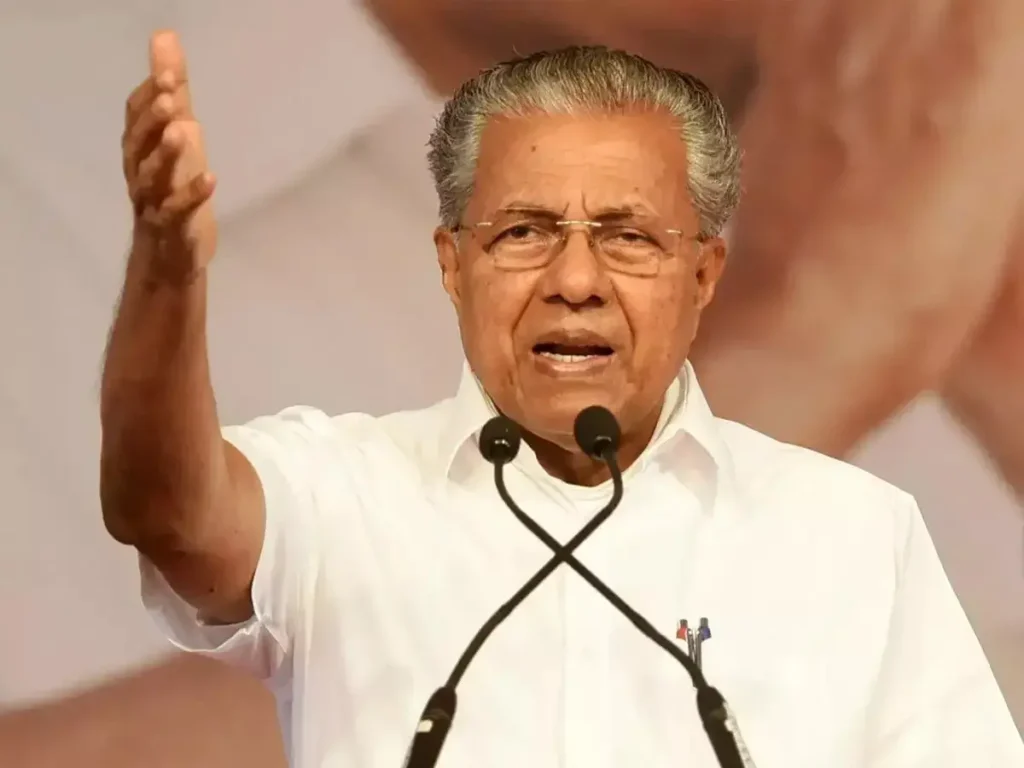
Kerala Chief Minister Pinarayi Vijayan emphasized the importance of attaining global standards in research within the state’s higher education institutions during an address on Sunday. Highlighting the significant investments made by the government in the research sector over the past three years, he emphasized that these expenditures are viewed as investments for the future rather than mere expenses. Vijayan underscored Kerala’s status as the state with the highest expenditure on scholarships for students and expressed concern over the state’s inability to achieve world-class standards in research. He called for serious introspection and the formulation of effective solutions to address this challenge, urging stakeholders to prioritize in-house excellence. The Chief Minister outlined various initiatives undertaken by the Left government in the higher education sector, emphasizing a commitment to comprehensive reforms aligned with evolving trends. He highlighted the upcoming introduction of a four-year degree course, aimed at enhancing efficiency and prioritizing student-centric approaches in arts and science colleges. Recognizing the importance of a multidisciplinary approach in higher education globally, Vijayan affirmed the government’s efforts to equip the youth with skills necessary to tackle future challenges. He shared his vision of Kerala becoming a recognized hub of higher education nationally and internationally. The event, held at Malabar Christian College, included an interaction with select college students and was presided over by Higher Education Minister R Bindhu. The Chief Minister’s address underscored the government’s commitment to fostering a conducive environment for research and academic excellence in Kerala’s higher education landscape.

Kerala CM Advocates Achieving Global Research Standards in Higher Education Read More »

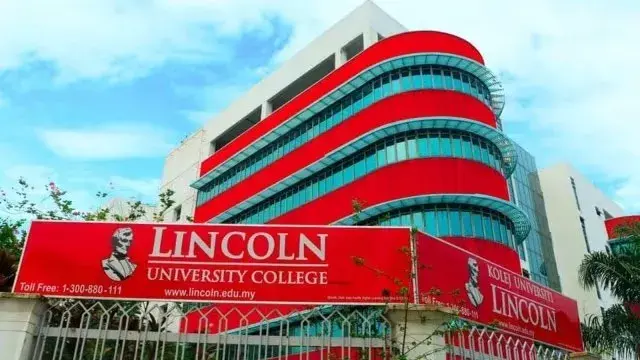
Malaysia’s Lincoln University College Makes Historic Move to Establish Campus in India

Malaysia’s Lincoln University College has emerged as the trailblazer among foreign universities seeking to establish a presence in India, becoming the first institution to apply through the University Grants Commission’s (UGC) dedicated application portal. The move marks a significant milestone in the internationalization of Indian higher education. The UGC has formed a five-member standing committee tasked with evaluating Lincoln University College’s application, indicating that a decision is imminent. This development comes in the wake of the UGC’s recent notification of regulations governing the establishment and operation of campuses by Foreign Higher Education Institutions (FHEIs) in India. According to Union Education Minister of State Subhas Sarkar, Lincoln University College has expressed interest in establishing a campus in Telangana, showcasing the growing appeal of Indian academia on the global stage. Sarkar’s statement in the Lok Sabha underscores the proactive steps taken by the Indian government to attract foreign investment and expertise in the education sector. While other foreign universities have shown interest by accessing the UGC portal to explore application requirements, Lincoln University College stands as the sole applicant thus far. Renowned for its academic prowess, the university holds respectable positions in prestigious global rankings, reflecting its commitment to excellence. The UGC’s regulations aim to facilitate the seamless operation of FHEIs in India, granting them autonomy in degree-granting, admission processes, and fee structures. The move is poised to enhance educational opportunities for Indian students and foster collaboration between domestic and international institutions. Responding to queries regarding the affordability of FHEIs for Indian students, Sarkar emphasized the potential for scholarships and tuition fee concessions, ensuring accessibility and inclusivity. Additionally, stringent measures have been put in place to prevent misuse of philanthropic resources and ensure compliance with regulatory standards.

Malaysia’s Lincoln University College Makes Historic Move to Establish Campus in India Read More »

Concerns Rise as Centre Slashes Education Budget in Interim Budget; UGC Funding Takes a Hit

The interim budget for education in India has sparked concerns as the government announced a 7% reduction in allocations, significantly impacting higher education funding. The University Grants Commission (UGC) faced the largest-ever cut of 61% in the last five years, raising apprehensions about the potential repercussions on universities and students. The budget for schools experienced a marginal dip, while central universities witnessed a 28% increase in grants. However, support for Indian Institutes of Management (IIMs) was trimmed for the second consecutive year. The interim budget, presented on Thursday, allocated ₹1.2 lakh crore for education, reflecting a 7% decrease compared to the revised estimate for 2023-24. The UGC, responsible for higher education, bore the brunt of funding cuts, with its allocation reduced from ₹6,409 crore in 2023-24 to ₹2,500 crore in 2024-25. Despite the challenges, Union Finance Minister Nirmala Sitharaman emphasized the government’s commitment to transforming education through the National Education Policy (NEP) 2020. The focus is on empowering the youth during the “Amrit Kaal,” the 25 years leading to 2047. Experts raised concerns over the impact of the drastic UGC budget cut, fearing it might encourage universities to rely on self-financing courses, burdening students and increasing dependence on loans. UGC Chairperson M Jagadesh Kumar reassured a commitment to quality higher education and efficient fund utilization. While the budget for central universities saw a notable increase of 28%, support for IIMs faced a reduction for the second consecutive year, dropping from ₹608.23 crore in 2022-23 to ₹212.21 crore in 2024-25. Union Education Minister Dharmendra Pradhan hailed the budget as a stepping stone towards a “Viksit Bharat” (developed India) and highlighted the “Jai Anusandhan” scheme with a ₹1 lakh crore corpus fund as a significant announcement.

Concerns Rise as Centre Slashes Education Budget in Interim Budget; UGC Funding Takes a Hit Read More »

Dr. Puttaraju, Vice Chancellor, Mandya University, Shares his Views on New Normal Karnataka

“I think higher education in the country, particularly through Karnataka and Bangalore, is doing a really fantastic job,” says Dr. Puttaraju, Vice Chancellor, Mandya University, in an interview with Pratik Ghosh, Content Writer, ArdorComm Media at the ‘New Normal – Education Leadership Summit & Awards 2023’ #ELSABengaluru #ELSAKarnataka How are you feeling to witness the New Normal Education Leadership Summit and Awards in Bengaluru? I’m really happy to be part of this New Normal Education Summit in Karnataka, and the effort made by ArdorComm in bringing these different people who are really experienced in this education together today and having a meaningful interaction section is really appreciable. We usually think in silos, you know. I being in the education system for the last 35 years, and unless I interact with my peers, it is not possible to come out with meaningful solutions to the Indian higher education issues. In this direction, I’m really happy to congratulate and compliment ArdorComm Media for having made a good effort and bringing all the people here. From morning till evening, we have a couple of sessions and a lot of interactions. I hope we all come together and meet the aspirations of the country through different people. And as I said, our experience should be integrated in a very meaningful way and see that higher education in this country is recognized everywhere and worldwide. I sincerely thank you all and thank ArdorComm Media for this great opportunity. As you know, the theme of our event is New Normal Karnataka, and Karnataka is an education hub. So, what’s your take on this? In fact, the entire India, if you compare, Bangalore is known for its higher education quality. Not only in Karnataka, not only in India, the entire world, people usually refer to Bangalore as a place for higher education. I think unmatched quality education is there. It is not because of the students; it is because of the culture and ecosystem created by everybody. Not necessarily education institutions, even people like ArdorComm and everybody are coming into this platform to spread the message about education. I think higher education in the country, particularly through Karnataka and Bangalore, is doing a really fantastic job. As you can see, in this kind of forums, we bring in education leaders, the EdTech players, as well as representation from the government. So, how does this kind of forum benefit the education sector? In fact, when we get to exchange our ideas, for example, I interact with a couple of people, and I came to know that after 35 years of experience, there are a lot of solutions available to our problems. We keep on dwelling on our problems, thinking for the solutions, and that is the domain for somebody else, and somebody else is there to give the solutions. And this platform definitely brings in all these problems and solutions together. Now, I know that there are a couple of solutions to my problems, and definitely this platform and this collaboration will help us to understand each other much better, and we can give very quality education to our students and the country. ArdorComm Media Group has recently completed 2 years of its existence, any message or wishes for us? I’m really happy, within two years, you are making so much noise. I think by the time you complete a decade, 10 years, your presence will be felt by everybody. I hope you continue your services like this and help us bring in different people, including meritorious students and staff members, along with the administrators, so that there is meaningful interaction happening there. I wish ArdorComm Media a grand future in the years to come and hope it will do some service to society through these meaningful interactions.

Dr. Puttaraju, Vice Chancellor, Mandya University, Shares his Views on New Normal Karnataka Read More »

IIM Sirmaur Introduces Executive MBA Programs, Empowering Executives for Modern Business Success

IIM Sirmaur has introduced two new Executive MBA programs: one in Executive MBA and the other in Executive MBA in Digital Transformation and Analytics. These two-year hybrid EMBA programs aim to provide executives with a strategic perspective on business, enhance their decision-making and managerial skills, and develop versatile cross-functional competencies. Applicants are required to have a bachelor’s degree with at least 50 percent marks or an equivalent CGPA, along with a minimum of three years of full-time work experience. Director Prafulla Y Agnihotri stated that these programs offer professionals the chance to develop exceptional skills and apply modern business analytics practices to achieve sustainable growth. Importantly, these executive courses allow working professionals to enhance their qualifications while continuing with their current jobs. The courses will encompass various teaching methods, including discussions, case studies, projects, term papers, role-plays, seminars, assignments, management simulations, and more. The Executive MBA program will help participants build expertise in areas such as operations, marketing, finance, strategy, and human resources. On the other hand, the Executive MBA in Digital Transformation and Analytics will equip learners with the skills to utilize data and emerging technologies for sustainable organizational growth. These programs will be delivered through an Interactive Learning (IL) platform and will involve two in-campus module visits, providing participants with hands-on experience and opportunities to interact with faculty and industry experts. The Executive MBA program is tailored for professionals with 5-10 years of experience, including mid-to-senior-level managers, entrepreneurs, business owners, and C-Suite aspirants. Meanwhile, the Executive MBA in Digital Transformation & Analytics is ideal for professionals involved in technology teams, startup and tech leaders, or business-technology consultants.

IIM Sirmaur Introduces Executive MBA Programs, Empowering Executives for Modern Business Success Read More »