


ArdorComm Media Group

Wednesday, November 25, 2026 12:43 PM

HPV vaccine

Wealthy Nations May Eliminate Cervical Cancer by 2048, Poorer Countries Risk Falling Behind: Lancet Study
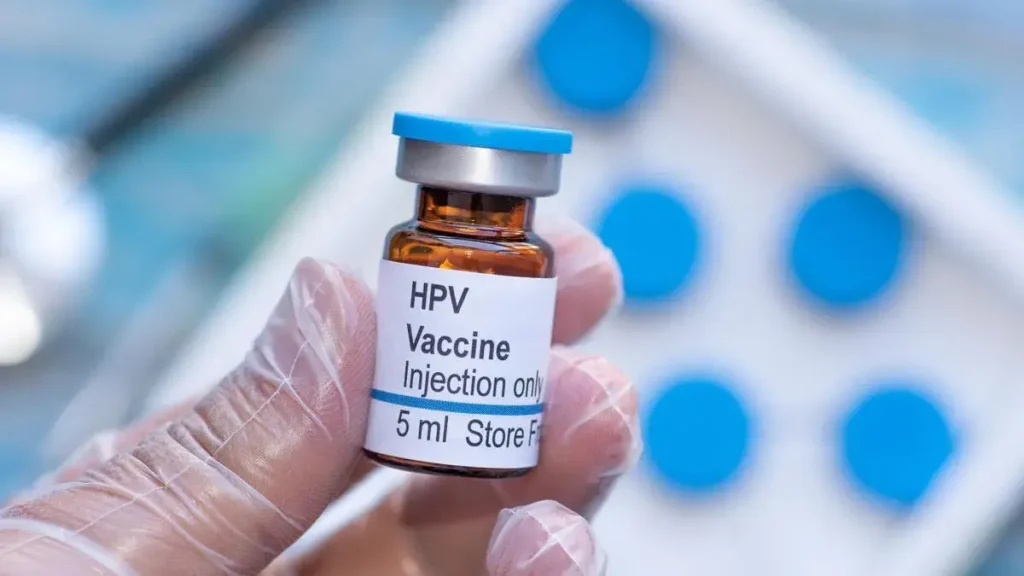
High-income countries could eliminate cervical cancer by 2048, but low- and middle-income countries (LMICs) are expected to witness only modest declines over the next century, according to a new study published in The Lancet. Researchers warn that unless urgent action is taken, global inequalities in cervical cancer burden will widen sharply. The study found that richer nations are making rapid progress through strong vaccination and screening programmes, while poorer countries continue to face slower implementation, limited healthcare access, and lower coverage rates. Cervical cancer is one of the most preventable forms of cancer, with nearly 99% of cases linked to high-risk human papillomavirus (HPV) infection, a common virus transmitted through sexual contact, according to the World Health Organization (WHO). Prevention through HPV vaccination and regular screening remains the most effective strategy. WHO Elimination Targets The WHO defines cervical cancer elimination as reducing incidence to fewer than four cases per one lakh women. To achieve this, countries are urged to meet the 90-70-90 goals by 2030: 90% of girls fully vaccinated against HPV by age 15 70% of women screened by ages 35 and 45 90% of women with pre-cancer or cancer receiving treatment Researchers said meeting these targets could prevent 37 million cervical cancer cases globally over the next 100 years. Slow Progress in Lower-Income Nations The study modelled five HPV prevention strategies for LMICs, including a continuation of current efforts. Under the “status quo” scenario, cervical cancer incidence in these countries would decline by only 23%, while wealthier countries could eliminate the disease entirely by mid-century. However, if LMICs achieve 90% vaccination coverage among girls, many regions outside sub-Saharan Africa could also move toward elimination. New Hope Through Affordable Vaccines The authors pointed to recent advances such as lower-cost vaccines, single-dose schedules, expanded screening programmes, and vaccinating multiple age groups, which could make cervical cancer elimination more realistic worldwide. Including boys in vaccination drives may further strengthen prevention efforts. They stressed that stronger global cooperation, higher investment, and support from governments and international health agencies are essential to close the gap. India Outlook A 2022 study published in The Lancet Oncology estimated that a single-dose HPV vaccine with 90% coverage could prevent up to 78% of cervical cancer cases among vaccinated birth cohorts in India, with high-incidence states likely to benefit the most. Source: PTI Photo Credit: Getty Images
Wealthy Nations May Eliminate Cervical Cancer by 2048, Poorer Countries Risk Falling Behind: Lancet Study Read More »

Single HPV Shot Shown to Offer Strong Protection Against Cervical Cancer, Major Study Finds

A landmark international study suggests that one dose of the HPV vaccine may be just as effective as the standard two-dose regimen, potentially transforming cervical cancer prevention efforts worldwide. Researchers announced on Wednesday that a single human papillomavirus (HPV) vaccine shot provided nearly the same level of protection against the virus strains most linked to cervical cancer. HPV is a widespread sexually transmitted infection, and while most cases resolve on their own, persistent infections can lead to cervical cancer and several less common cancers in both women and men. The HPV vaccine has been advised for U.S. girls since 2006, contributing to a decline in precancerous cervical conditions among women in their 20s — the first cohort vaccinated in adolescence. Still, cervical cancer remains a major global threat, causing around 340,000 deaths annually, particularly in parts of the world where vaccination access is limited. The promising findings come from a large Costa Rica-based trial led by the U.S. National Cancer Institute, involving more than 20,000 girls aged 12 to 16. Participants received one of two widely used HPV vaccines. After six months, half received a second dose while the other half were given a different childhood vaccine. Over five years of follow-up, researchers conducted regular cervical screenings and compared results with an unvaccinated control group. Published in the New England Journal of Medicine, the study concluded that a single dose offered about 97% protection, essentially matching the effectiveness of two doses. Dr. Ruanne Barnabas of Massachusetts General Hospital, in an accompanying editorial, highlighted that while earlier studies hinted at single-dose efficacy, this research solidifies long-term confidence in the approach. “We now have the evidence and tools to eliminate cervical cancer — what’s needed is the global commitment to deploy them effectively and fairly,” Barnabas wrote. In the U.S., two doses remain the official recommendation for children aged 11 or 12, with catch-up vaccinations advised up to age 26. The Centers for Disease Control and Prevention reports that 78% of teens aged 13 to 17 have received at least one dose. Worldwide, however, fewer than one-third of adolescent girls are vaccinated, according to the World Health Organization, which has already begun supporting single-dose strategies to improve coverage. Researchers noted that the study did not assess protection against other HPV-related cancers, such as those of the head and neck, and stressed that longer-term monitoring is still necessary. Source: AP

Single HPV Shot Shown to Offer Strong Protection Against Cervical Cancer, Major Study Finds Read More »