ArdorComm Media Group

Friday, February 20, 2026 4:35 AM

HR Leadership

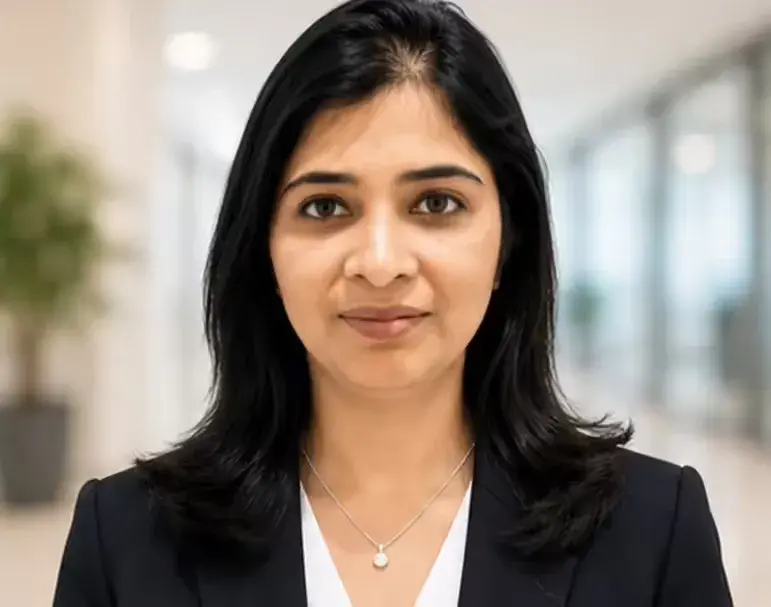
Mahindra & Mahindra Announces HR Leadership Transition; Rohit Thakur to Succeed Ruzbeh Irani

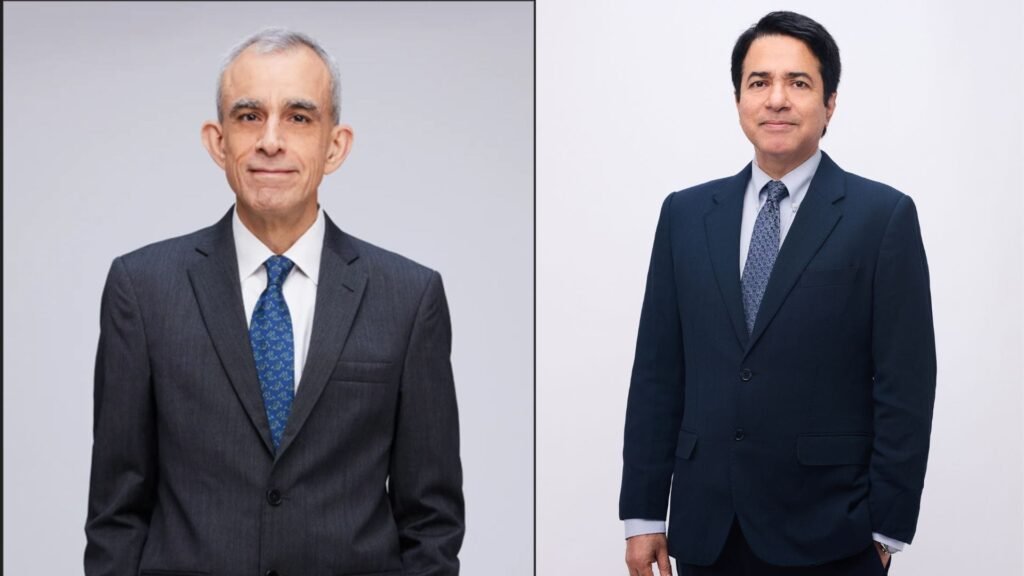
Mahindra & Mahindra on Friday revealed a significant leadership transition in its human resources function, announcing that Rohit Thakur will assume the role of Group Chief Human Resources Officer (CHRO) from 2 April 2026. He will succeed Ruzbeh Irani, who is set to retire after completing more than 19 years with the company. The change is part of Mahindra’s well-defined succession planning process to ensure continuity and stability in senior leadership. Irani, a key member of the Mahindra Group Executive Board, will step down on 1 April 2026 following his superannuation. The company acknowledged his nearly two decades of service, crediting him for his significant role in shaping the group’s HR strategy and people-centric culture. Following the announcement, Mahindra & Mahindra shares were trading at ₹3,714.55, down ₹9.60 or 0.26%, at around 9:35 am. Rohit Thakur, who currently serves as CHRO for Mahindra’s Auto and Farm sectors, brings with him wide-ranging global HR experience. His career includes senior HR leadership roles at Microsoft India and Accenture, where he handled large-scale talent strategies, operations and cultural transformation initiatives. Thakur has also worked with GE across multiple businesses in India and the United States, and has led HR functions at fast-growing startups such as Paytm and LEAD School. Academically, he holds a commerce degree from Shri Ram College of Commerce (SRCC), Delhi, and an MBA in Human Resources from XLRI, Jamshedpur. With Thakur’s appointment, Mahindra & Mahindra said it aims to further strengthen its focus on talent development, leadership continuity and organizational growth. Source: Economic Times

Mahindra & Mahindra Announces HR Leadership Transition; Rohit Thakur to Succeed Ruzbeh Irani Read More »

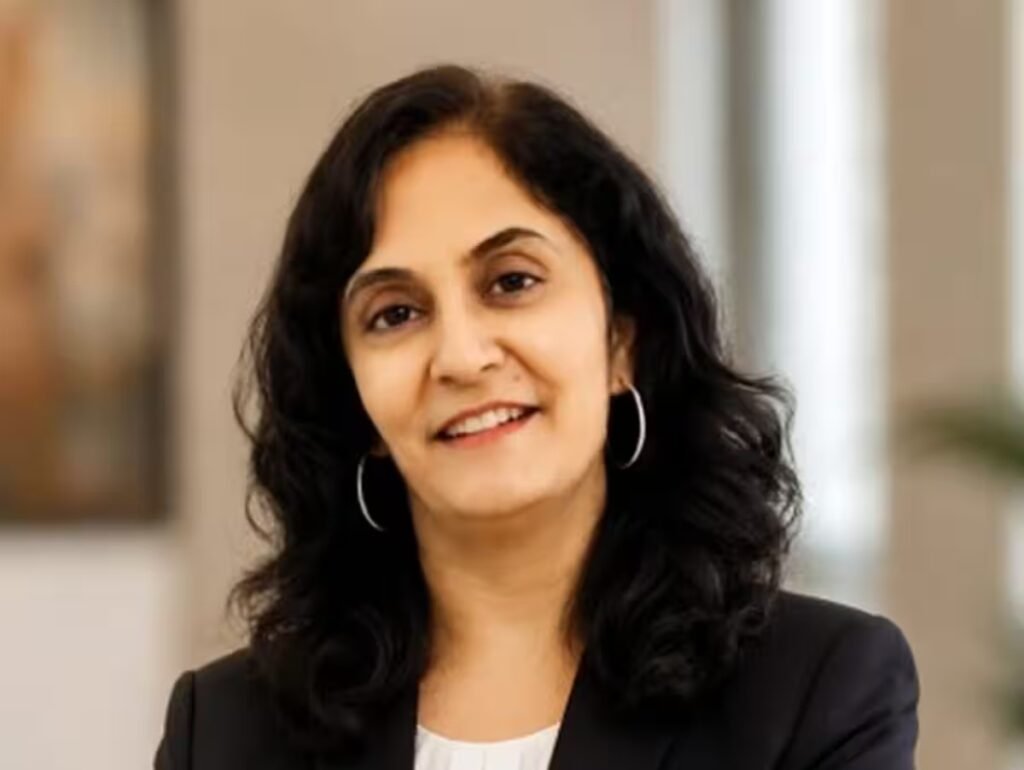
Nestlé India Names Nitu Bhushan as New Head of Human Resources

Nestlé India has announced the appointment of Nitu Bhushan as its new Head of Human Resources, effective March 2, 2026. The decision was disclosed in a regulatory filing to the BSE dated December 10. Bhushan joins from Pernod Ricard, where she served as Chief Human Resources Officer. At 47, Bhushan brings more than 22 years of cross-industry HR experience, having worked across FMCG, pharmaceuticals, banking, and technology sectors. She holds a Master’s degree in Personnel Management and a Bachelor’s degree in Engineering (Electronics & Telecommunication). Over the course of her career, she has held senior HR roles at organisations such as Pernod Ricard India, Accenture, Asian Paints, HSBC Bank, Mondelez International, and Abbott. Bhushan will succeed Anurag Patnaik, who has decided to step down from the company effective December 31, 2025. Patnaik, a Nestlé India veteran of over two decades, was appointed Head of HR in February 2021 after joining the company as a management trainee in 2005. Her appointment comes amid a broader leadership transition at Nestlé India, with several senior-level changes planned over the next 15 months across finance, technical, and legal functions. Recently, the company announced that Chief Financial Officer Svetlana Boldina will relinquish her role on January 31, 2026, to take up a new assignment within a Nestlé group entity. Her successor is yet to be named. In the technical function, Executive Director Satish Srinivasan is set to retire on May 31, 2026. He will be succeeded by Jagdeep Singh Marahar as Whole-Time Director, effective June 1, 2026, who will also take charge as Head of Technical. Marahar, currently Managing Director of Nestlé R&D Centre India, has nearly three decades of experience with the company and holds advanced qualifications in food technology and agriculture. The legal and strategy verticals are also witnessing leadership exits. Venkateswaran T.S., General Counsel and Head of Legal & Compliance, will retire after more than 30 years in corporate legal leadership, while Sanjay Bahadur, Executive Vice President and Head of Group Strategy and Business Development, retired in November. Nestlé India said all proposed leadership changes will be placed before the Board of Directors for approval, based on recommendations from the Nomination and Remuneration Committee. The company has outlined extended transition timelines to ensure smooth succession and business continuity. Industry analysts view these changes as part of a strategic realignment as the company navigates evolving market conditions, regulatory pressures, and digital transformation in the FMCG sector. The leadership reshuffle also follows Nestlé SA’s recent announcement of a global restructuring plan that includes cutting 16,000 jobs over two years under its new CEO, Philipp Navratil, to sharpen focus on higher-margin products. Source: Financial Times

Nestlé India Names Nitu Bhushan as New Head of Human Resources Read More »

Mankind Pharma Names Dapinder Singh Narula as GM – Human Resources

Mankind Pharma has appointed Dapinder Singh Narula as its new General Manager – Human Resources, where he will spearhead Talent Management initiatives for the company. He will operate from Delhi and report directly to Prateek Dubey, the Global CHRO of Mankind Pharma. Narula brings with him over 15 years of diverse HR experience. Prior to joining Mankind Pharma, he played a key leadership role at Jubilant FoodWorks, overseeing Talent Management, Performance, Learning & Development, and HR Business Partnering functions. His professional journey also includes stints at leading organizations such as Max Life Insurance, Adani Enterprises, Larsen & Toubro, and Ericsson. Academically, he holds a B.Tech in Electronics and Communication Engineering from NIT Jalandhar, and an MBA in Human Resources from XIM Bhubaneswar. Source: Economic Times

Mankind Pharma Names Dapinder Singh Narula as GM – Human Resources Read More »

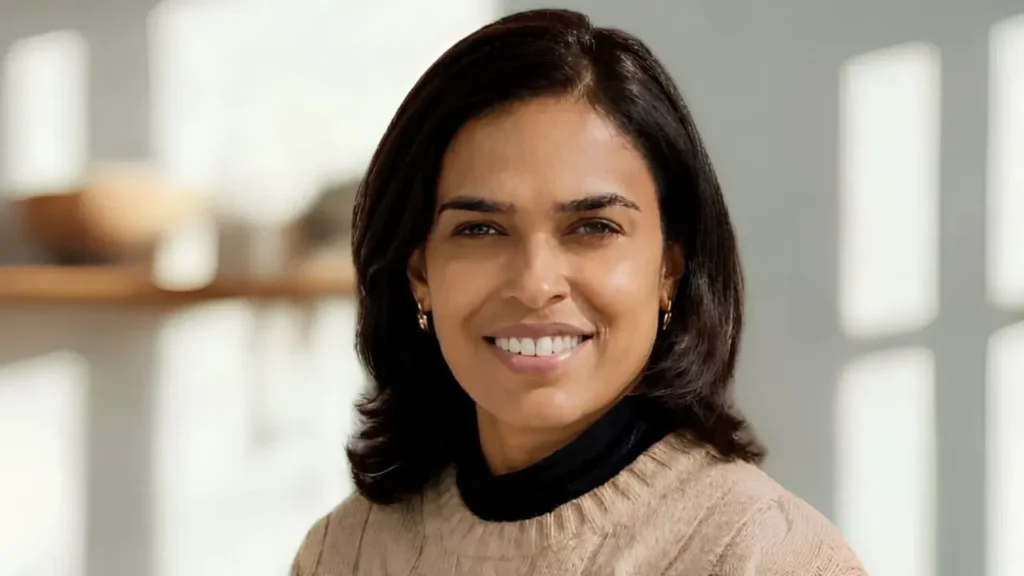
Flipkart Appoints Seema Nair as Chief Human Resources Officer Ahead of Festive Season Sales

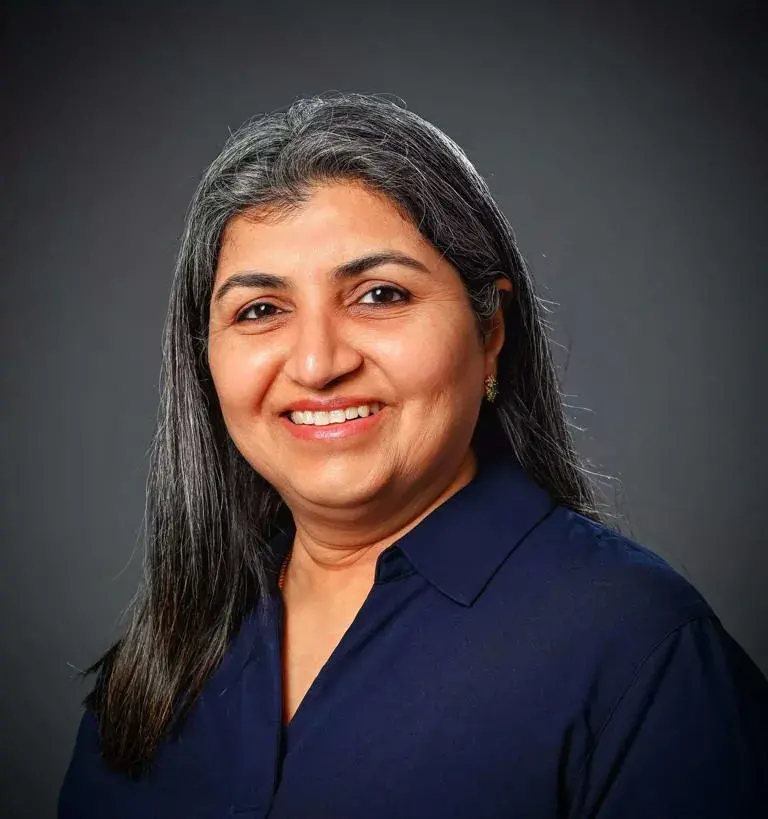
Walmart-owned Flipkart has appointed Seema Nair as its new Chief Human Resources Officer (CHRO), according to an internal email from Group CEO Kalyan Krishnamurthy. In her new role, Nair will oversee human resources functions across the company, working closely with leaders and HR teams to drive strategic initiatives. Nair joins Flipkart after more than six years at Reliance Industries, where she managed key group-level HR assignments, including HR digitisation and group HR office leadership. She brings extensive experience to the role, having previously served as CHRO for India and SAARC at Hindustan Coca-Cola Beverages and held senior HR roles at Cisco Systems. This leadership change comes at a significant time for Flipkart, just ahead of its annual festive season sales set to begin on September 27. The company has ramped up preparations by launching 11 new fulfilment centres across India, spanning over 1.3 million square feet, to meet the surge in demand. Flipkart has seen significant senior leadership changes in recent months. In February, four senior vice presidents, including heads from Cleartrip, marketplace categories, fintech, and growth, exited the company amid performance-based restructuring. Earlier in January, the company trimmed its workforce by 5-7%, impacting around 1,100-1,500 employees as part of cost management efforts. Seema Nair’s appointment signals Flipkart’s focus on bolstering its leadership team and enhancing its HR strategies as it prepares for one of the biggest retail periods of the year. Source: MNS.com

Flipkart Appoints Seema Nair as Chief Human Resources Officer Ahead of Festive Season Sales Read More »

Nothing Appoints Yudhisthir Singh as Head of HR for India Operations

Nothing, a global consumer tech company, has appointed Yudhisthir Singh as the Head of Human Resources for its India operations, effective March 7, 2024. With over 18 years of HR leadership experience spanning various sectors including fintech, FMCG, retail, manufacturing, and banking, Yudhisthir brings a wealth of expertise to his new role. He will be tasked with aligning people’s priorities with the company’s business objectives in India and enhancing talent capabilities, all while fostering a high-performance culture to empower the India team for success. Prior to joining Nothing, Yudhisthir held the position of Senior Associate Director of HR and Talent Advisory at KPMG India. His professional journey also includes significant roles at Bharti Retail, Walmart, Swarovski, RPSG, and BharatPe. Yudhisthir is a graduate in BCom from Maharshi Dayanand Saraswati University and has completed an Executive Management Programme in Strategic Management from IIT Delhi. His core competencies encompass culture and team building, employer branding, talent management, performance management, succession planning, training and development, compensation and benefits, and HRIS. Pranay Rao, Marketing Director India at Nothing, expressed excitement about Yudhisthir’s appointment, stating, “We are thrilled to welcome Yudhisthir to our organisation. With his extensive experience and talent-building capabilities, he will be a valuable addition to our team.”

Nothing Appoints Yudhisthir Singh as Head of HR for India Operations Read More »

The Importance of Emotional Intelligence in HR Leadership

Blog on HR

In today’s rapidly evolving workplace landscape, Human Resources (HR) leadership plays a pivotal role in fostering a positive work environment, nurturing employee well-being, and driving organizational success. While technical skills and experience are undoubtedly crucial in HR leadership, there’s another equally vital attribute that often gets overlooked: emotional intelligence (EQ). In this blog, we’ll delve into the concept of emotional intelligence, its significance in HR leadership, and practical ways HR leaders can leverage it to create thriving, resilient, and engaged teams. Understanding Emotional Intelligence Emotional intelligence, often abbreviated as EQ, refers to the ability to recognize, understand, manage, and effectively use one’s emotions and the emotions of others. It’s a multifaceted skill that encompasses empathy, self-awareness, social skills, self-regulation, and motivation. HR leaders with high EQ not only possess a deep understanding of their own emotions but also excel in their interactions with colleagues, employees, and stakeholders. Also Read: Nobel Prize in Medicine Awarded to Pioneers of mRNA Technology in COVID-19 Vaccines Development The Significance of EQ in HR Leadership Building Strong Relationships: One of the primary responsibilities of HR leaders is to build and maintain strong relationships within the organization. EQ helps them connect on a deeper level with employees and colleagues, fostering trust and open communication. When HR leaders understand the emotional needs of their team, they can provide more effective support and guidance. Conflict Resolution: Conflict is inevitable in any workplace, and HR leaders often find themselves in the role of mediator. High EQ enables them to navigate conflicts with empathy and diplomacy, leading to more productive resolutions. They can help parties involved in conflicts understand each other’s perspectives and find common ground. Effective Communication: Effective communication is the cornerstone of HR leadership. HR leaders with strong emotional intelligence excel in both verbal and non-verbal communication. They can convey messages clearly, listen actively, and pick up on non-verbal cues, which are essential for understanding the underlying emotions of employees. Empathy: Empathy is a crucial component of EQ. HR leaders who can put themselves in others’ shoes are better equipped to address employee concerns and needs. Empathetic HR leaders create a workplace culture that values the well-being of employees, leading to higher job satisfaction and retention rates. Stress Management: HR leaders often deal with high-stress situations, from layoffs to employee disputes. Emotional intelligence enables them to manage their own stress effectively and remain calm under pressure. This, in turn, sets an example for employees and encourages a more resilient work culture. Team Building: HR leaders are responsible for assembling and nurturing high-performing teams. EQ helps them recognize the unique strengths and weaknesses of team members, facilitating better team dynamics. They can create a work environment that encourages collaboration and innovation. Also Read: Strengthening Your Immune System Naturally: A Comprehensive Guide Practical Ways to Develop EQ in HR Leadership Now that we understand the importance of emotional intelligence in HR leadership, let’s explore some practical strategies for HR leaders to develop and enhance their EQ: Self-awareness: Start by taking a deep dive into your own emotions and reactions. Regular self-reflection and self-assessment can help you identify areas for improvement. Consider seeking feedback from colleagues or mentors to gain insights into your strengths and areas that need development. Active Listening: Practice active listening during interactions with employees and colleagues. Focus on what the other person is saying without interrupting or formulating responses in your mind. Ask open-ended questions to encourage deeper conversations. Empathy: Put yourself in others’ shoes. Try to understand their perspectives, feelings, and motivations. When dealing with employee issues, approach the situation with empathy, showing that you genuinely care about their well-being. Emotion Regulation: Learn to manage your emotions effectively, especially in high-stress situations. Techniques such as mindfulness, deep breathing, and time management can help you stay composed and make rational decisions. Social Skills: Develop your social skills by practicing effective communication, conflict resolution, and relationship-building. Attend workshops or training programs that focus on these skills to refine your abilities. Continuous Learning: Emotional intelligence is not static; it can be developed and refined over time. Commit to continuous learning and self-improvement. Stay updated on the latest trends and research in emotional intelligence. Mentorship: Seek guidance from mentors or senior HR professionals who excel in emotional intelligence. They can provide valuable insights and share their experiences, helping you grow in this area. Feedback Culture: Promote a feedback-rich culture within your HR team and organization. Encourage open and honest feedback from employees and colleagues. Use constructive feedback as an opportunity for growth. Also Read: The Evolution of Streaming Services: From Cable TV to Digital Domination Conclusion Emotional intelligence is a fundamental trait that elevates HR leadership to a higher level of effectiveness and impact. HR leaders with high EQ can build strong relationships, resolve conflicts, communicate effectively, and foster a workplace culture that values well-being and productivity. By continuously developing their emotional intelligence, HR leaders can lead with empathy, wisdom, and resilience, ultimately driving success for both their organizations and their employees. The author, Pratik Ghosh is associated with ArdorComm Media

The Importance of Emotional Intelligence in HR Leadership Read More »