

ArdorComm Media Group

Sunday, November 15, 2026 3:24 PM

HR technology

Will the Office Become Optional? The Future of Work After Hybrid Work
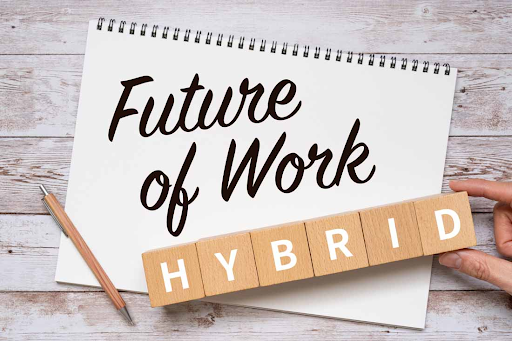
For a while, it looked as though the traditional office was heading towards extinction. The pandemic proved that millions of people could work from kitchen tables, spare bedrooms and home offices without bringing businesses to a halt. Video calls replaced meeting rooms, collaboration platforms replaced physical desks, and “work from home” went from an occasional benefit to a defining feature of working life. But the office did not disappear. Instead, the workplace is going through something more complicated: a negotiation between what organisations need and what employees have come to expect. In 2026, the question is no longer simply whether people should work from home or from the office. The more important question is what the office is actually for. The office is back—but the old office may not be Across India and globally, companies have increasingly established structured office-attendance policies. JLL’s 2025 research found that 66% of global office workers said their organisations had clear expectations around the number of days they should work on-site. In Asia-Pacific, about seven in 10 employees were subject to some form of return-to-office requirement. India has been particularly notable in this shift. JLL reported in 2025 that 90% of organisations in India required employees to spend at least three days a week in the office, while more than half expected in-office days to increase by 2030. Yet this does not necessarily mean employees have rejected flexibility. A 2025 Pew Research Center study in the US found that 72% of hybrid workers would choose to remain hybrid if given the choice, rather than work entirely from home or entirely from the office. That distinction matters. Employees are not necessarily asking for the office to disappear. They are asking for a reason to be there. From attendance to purpose For years, office attendance was largely treated as a measure of commitment. Being physically present meant being available, visible and involved. Hybrid work has challenged that assumption. An employee can now spend eight hours in an office and accomplish less than someone working from home with fewer interruptions. Conversely, there are conversations, creative exchanges and informal interactions that are difficult to reproduce completely through a screen. The challenge for HR is therefore not to determine which environment is universally more productive. It is to understand which type of work benefits from which environment. An individual preparing a report may need uninterrupted concentration. A newly joined employee may need face-to-face guidance. A creative team brainstorming a campaign may benefit from being together. A manager conducting a sensitive conversation may prefer a private physical setting. A global team may have no choice but to collaborate virtually. The future workplace will increasingly be organised around these differences. The office needs to earn the commute Perhaps the biggest change in employee expectations is that the office can no longer assume that people will come simply because they are told to. If an employee spends two hours commuting to sit through virtual meetings all day, the question naturally arises: Why did I come to the office? This is where the physical workplace has to become more intentional. Research published in the Journal of Environmental Psychology in 2025 found that employees’ office preferences are influenced by whether they have autonomy over where they work. Social and event-oriented spaces become particularly important on flexible workdays, while functional spaces matter more when office attendance is required. Another 2025 study found that commuting time and the type of people employees expect to encounter in the workplace are among the most influential factors in choosing between home and office. Social spaces, technology and functional facilities can make the office more attractive. In other words, companies need to stop thinking of the office simply as a collection of desks. The future office could be a place for collaboration, mentoring, learning, relationship-building, problem-solving and culture. The desk may become one of its least important features. The Gen Z question Younger employees are likely to make this debate even more interesting. For someone beginning a career, an office can offer experiences that are difficult to obtain remotely: observing senior colleagues, building informal networks, learning how meetings work, developing confidence and forming professional relationships. But younger workers have also entered the workforce after seeing that flexibility is possible. They may not accept the argument that “this is how work has always been done” as sufficient justification for returning to the office. For HR leaders, this creates an important balancing act. Too little physical interaction could weaken mentoring and belonging. Too much mandatory attendance could make organisations less attractive to talent that values autonomy. The answer may lie somewhere between the two. Hybrid work is becoming more sophisticated The first version of hybrid work was relatively simple: three days in the office, two days at home. That model may not be enough for the next stage. A better approach is likely to be purpose-led hybrid work. Instead of saying: “Everyone must be in the office on Monday, Tuesday and Thursday,” organisations could ask: “What work needs to happen together this week?” That might mean bringing teams together for strategy meetings, innovation sessions, training, client discussions or team-building, while allowing employees to work remotely when deep individual work is the priority. This requires better planning—and considerably better managers. The manager becomes more important than the policy One of the biggest lessons from hybrid work is that workplace flexibility cannot compensate for poor management. A flexible workplace with a controlling manager can still feel restrictive. A physical workplace with an empowering manager can feel collaborative and energising. Recent research has also highlighted the importance of alignment between company workplace strategies and employee preferences. A 2026 study found that employees had become clearer about whether they preferred office-based, remote or hybrid arrangements, while successful alignment increasingly depended on shared values such as flexibility, community and balance. This means HR cannot simply create a policy and expect the policy to solve the problem. Managers need to learn how to measure outcomes rather than visibility,

Will the Office Become Optional? The Future of Work After Hybrid Work Read More »

The Rise of HR Tech: Must-Have Tools for 2025 and Beyond

Ardorcomm news

As organizations continue to navigate the evolving world of work, technology has become central to how businesses manage and develop their human capital. No longer confined to administrative duties, Human Resources (HR) is now a strategic function empowered by advanced digital tools that enhance everything from recruitment and onboarding to employee engagement and performance analytics. By 2025, HR technology will be more than a convenience—it will be a necessity. The rapid rise in automation, hybrid work models, data-driven decision-making, and personalized employee experiences is pushing companies to embrace a new generation of HR tech solutions. Understanding the HR Tech Boom The HR technology market is expanding at an unprecedented rate. According to industry estimates, the global HR tech market is expected to exceed $35 billion by 2028. This surge is being driven by a variety of factors, including: The shift to remote and hybrid work models The increasing demand for real-time employee data A growing emphasis on diversity, equity, and inclusion (DEI) The need for faster, more intelligent talent acquisition Rising employee expectations around engagement and wellness With these shifts, HR leaders are turning to tools that not only improve processes but also enhance the employee experience at every stage of the lifecycle. Key Trends Shaping HR Technology in 2025 Before identifying the tools to watch, it’s important to understand the broader trends shaping the future of HR: 1. AI and Automation Artificial intelligence is playing a larger role in recruitment, resume screening, and predictive analytics. AI helps HR teams make faster, more objective decisions while freeing up time for strategic tasks. 2. Skills-First Talent Strategies Organizations are moving away from job titles and degrees and instead focusing on skills. HR tech is enabling this shift by mapping employee skills to business needs and learning paths. 3. Enhanced Employee Experience Platforms Employee Experience Platforms (EXPs) are being designed to manage every aspect of the employee journey, from onboarding to performance reviews, offering personalized, data-rich experiences. 4. Predictive People Analytics Workforce data is now essential for anticipating attrition, improving DEI outcomes, and planning for future roles and capabilities. 5. Employee Wellness and Mental Health Digital wellness tools have become central to HR strategy, especially with rising concerns about stress, burnout, and work-life balance in hybrid environments. Must-Have HR Tech Tools for 2025 and Beyond Based on current trends and emerging business needs, here are the most impactful categories of HR tech tools organizations should prioritize: 1. Recruitment and Applicant Tracking Systems (ATS) These tools streamline recruitment by automating job postings, candidate tracking, and interview scheduling. Leading Tools: Greenhouse – Structured hiring with DEI support Lever – Combines ATS with candidate relationship management HireEZ (formerly Hiretual) – AI-powered sourcing for passive candidates 2. AI-Based Screening and Interview Platforms These platforms use artificial intelligence to assess candidates more efficiently and objectively, reducing hiring bias. Leading Tools: HireVue – AI-driven video interviewing and candidate analysis Modern Hire – Combines science and technology to improve hiring decisions Pymetrics – Neuroscience-backed assessments for fair hiring 3. Onboarding and Employee Experience Platforms A seamless onboarding process is key to employee retention. These platforms ensure smooth transitions and consistent engagement. Leading Tools: Talmundo – Interactive onboarding workflows Enboarder – Human-centric engagement experiences SAP SuccessFactors – Comprehensive lifecycle management 4. HR Analytics and Workforce Planning Tools These tools offer powerful insights into employee behavior, helping companies make data-informed decisions. Leading Tools: Visier – Predictive analytics for HR and workforce planning ChartHop – Visualizes HR data for better organizational decisions PeopleInsight – Unified analytics from multiple HR systems 5. Learning and Development (L&D) Platforms With upskilling becoming a business imperative, these platforms deliver personalized learning at scale. Leading Tools: Degreed – Skills-based learning and development EdCast – AI-driven learning experience platform Coursera for Business – Curated courses from global universities and companies 6. Employee Engagement and Feedback Tools Continuous feedback and employee listening are now essential for workplace culture and retention. Leading Tools: Culture Amp – Surveys, feedback, and action planning Officevibe – Real-time pulse surveys and team engagement tools Peakon (Workday) – Predictive insights based on employee sentiment 7. Wellness and Benefits Management Platforms Holistic employee wellness is critical to organizational success. These tools support mental health, fitness, and benefits personalization. Leading Tools: Headspace for Work – Mindfulness and mental health resources Wellable – Corporate wellness and incentive programs Zestful – Flexible employee perks and rewards 8. Core HR and Payroll Systems Reliable HRIS and payroll systems remain the backbone of HR operations, ensuring compliance and operational efficiency. Leading Tools: Workday – Integrated HCM with talent, payroll, and analytics BambooHR – User-friendly HRIS for small to mid-sized companies ADP Workforce Now – Scalable solution for payroll and HR compliance Building a Future-Ready HR Function To keep pace with digital transformation, HR leaders must: Invest in digital literacy and tech adoption within HR teams Ensure seamless integration between different HR systems Put employee privacy and ethical AI use at the center of implementation Evaluate HR tools not just for features, but for long-term adaptability and ROI Conclusion HR technology is no longer optional—it’s a strategic imperative. By leveraging the right tools, companies can not only streamline operations but also create agile, inclusive, and engaging work environments that attract and retain top talent. As we step further into 2025, the HR leaders who embrace innovation will be the ones who shape the future of work.

The Rise of HR Tech: Must-Have Tools for 2025 and Beyond Read More »

Accenture Names Parived Bhatnagar as Head of HR for EMEA and Advanced Technology Centres in India

Ardorcomm news

Accenture has announced the appointment of Parived Bhatnagar as the Head of Human Resources for its Europe, Middle East and Africa (EMEA) operations and its Advanced Technology Centres in India (AIOC). Bhatnagar shared the news on LinkedIn, expressing enthusiasm for his new role: “I’m happy to share that I’m starting a new position as Head HR, EMEA, AIOC at Accenture!” In this expanded leadership capacity, Bhatnagar will work closely with regional business leaders to drive organisational transformation, align talent strategy with business goals, and support growth across the EMEA region. He will lead a team of 50 HR professionals overseeing the full employee lifecycle for more than 30,000 employees. As a key member of Accenture’s India HR Leadership Council, Bhatnagar will also contribute to shaping the broader HR strategy across regional and global teams. Bringing over 20 years of diverse HR experience, Bhatnagar has held senior positions across South Asia, the Middle East, Southeast Asia, and North America. His expertise spans strategic HR, M&A integration, organisational development, HR tech, and workforce transformation. He has worked with a broad range of clients—from global enterprises to high-growth companies—across industries such as IT/ITES, manufacturing, BFSI, telecom, retail, healthcare, and energy. Bhatnagar holds a postgraduate degree from the Delhi School of Economics, University of Delhi. His strong academic foundation and global career trajectory make him well-equipped to lead HR initiatives at a time when organisations are reimagining the future of work amid rapid technological evolution. Prior to rejoining Accenture, Bhatnagar served in leadership roles at renowned firms such as Aon Hewitt, Deloitte, and SAP, where he played a crucial role in building people strategies and delivering large-scale HR transformation programmes. His appointment underscores Accenture’s continued emphasis on building agile, people-focused HR leadership to navigate the complexities of today’s global talent landscape. The decision also signals the company’s commitment to strategic, region-specific workforce planning and innovation in talent management. Source: LinkedIn

Accenture Names Parived Bhatnagar as Head of HR for EMEA and Advanced Technology Centres in India Read More »

Josh Bersin Company Unveils 30 AI HR Tech Trailblazers Transforming Human Capital Management

The Josh Bersin Company, a leading human capital advisory firm, has announced the release of two new market analyses, AI Trailblazers and 2025 Outlook, highlighting how artificial intelligence (AI) is revolutionizing the $200 billion global HR technology market. These analyses were unveiled during CEO Josh Bersin’s keynote address, HR Technology 2025: An Existential Change Driven by AI, at the HR Technology Conference. Bersin emphasized that Chief Human Resources Officers (CHROs) who fail to integrate AI into their strategies risk falling behind. AI is already delivering substantial returns across several HR domains, such as talent acquisition, corporate training, and employee services. This growing impact of AI is reshaping HR functions and offering businesses a competitive advantage. In his keynote, Bersin explained that AI is fundamentally transforming HR systems, enabling innovative solutions in talent management, recruitment, internal mobility, and employee experience. As AI-driven platforms like generative AI tools integrate into job applications, learning systems, and HR workflows, the role of HR professionals is being redefined. A significant feature of Bersin’s analysis is the AI Trailblazers list, which identifies the top 30 vendors that are leading the charge in harnessing AI’s potential in HR technology. Notable names include Workday Illuminate, SAP SuccessFactors Joule, ServiceNow NowAssist, and talent intelligence platforms like Eightfold.ai, Gloat, and Draup. The list also features The Josh Bersin Company’s own AI tool, Galileo™, an expert assistant for HR professionals that is already utilized by over 10,000 users. Bersin urged companies to embrace AI in HR by leveraging internal experts to guide their teams through the transition. “AI is the language of the future, and engaging with these trailblazing technologies is essential for staying competitive,” he noted. Attendees of the keynote received complimentary copies of the AI Trailblazers and 2025 Outlook reports, providing a comprehensive view of AI’s transformational impact on HR technology. Both reports are available for download on The Josh Bersin Company’s website. Source: prnewswire

Josh Bersin Company Unveils 30 AI HR Tech Trailblazers Transforming Human Capital Management Read More »