


ArdorComm Media Group

Saturday, April 11, 2026 4:54 AM

Humanitarian Crisis

Yemen Reports 35% of Global Cholera Cases Amid Severe Humanitarian Crisis
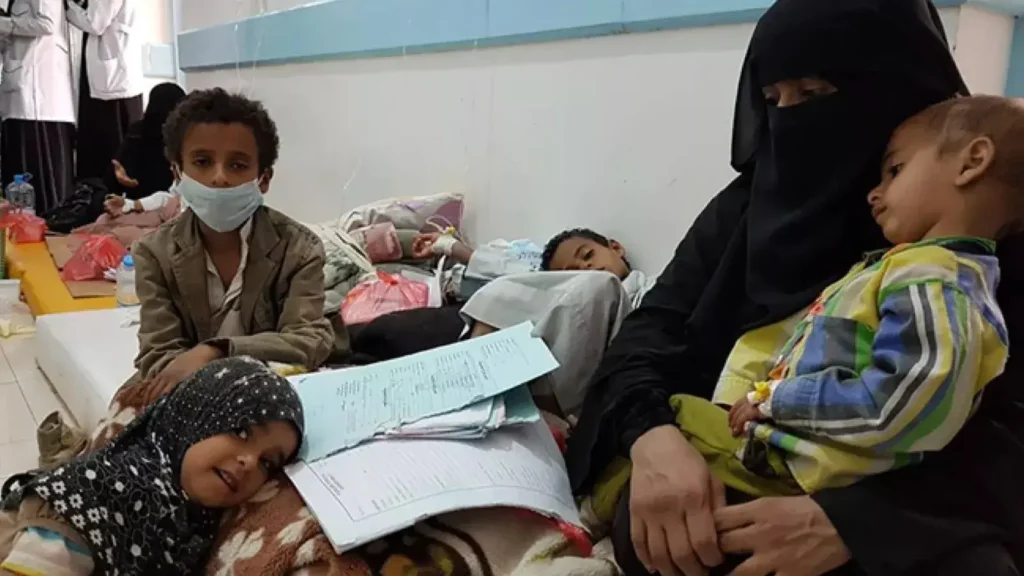
Yemen is grappling with a catastrophic cholera outbreak, accounting for 35% of global cases in 2024. The World Health Organization (WHO) reported 249,900 suspected cases and 861 deaths as of December 1, marking a 37% increase in infections and a 27% rise in fatalities compared to 2023. Arturo Pesigan, WHO’s Representative in Yemen, described the crisis as a severe strain on the nation’s healthcare system. “This outbreak of waterborne diseases like cholera adds further pressure to an already overstretched health system facing multiple disease outbreaks,” Pesigan stated. The epidemic is driven by a lack of clean water, poor sanitation, and inadequate medical facilities. Over 18.2 million Yemenis require humanitarian assistance, and 17.6 million face food insecurity. Among children under five, nearly half suffer from moderate to severe stunting due to malnutrition, exacerbating the outbreak’s impact. Yemen’s healthcare system, battered by years of conflict, has struggled to respond. Cholera, caused by ingesting contaminated water or food, has persisted since its largest outbreak from 2017 to 2020, which saw over 2.5 million cases and 4,000 deaths. The response efforts are critically underfunded, with a $20 million gap in funding for October 2024 to March 2025. This shortfall has led to the closure of 47 diarrhoea treatment centres (DTCs) and 234 oral rehydration centres (ORCs), with more closures anticipated by year-end, potentially eliminating 84% of DTCs nationwide. To control the epidemic, WHO has called for immediate measures, including oral cholera vaccination campaigns, improved disease surveillance, expanded treatment services, and water, sanitation, and hygiene (WASH) initiatives. The ongoing crisis underscores the toll of prolonged conflict and neglect in Yemen, highlighting the urgent need for international solidarity to address systemic issues in water, sanitation, and healthcare access. Source: Newsx Photo Credit: Newsx

Yemen Reports 35% of Global Cholera Cases Amid Severe Humanitarian Crisis Read More »
WHO Appeals for Urgent Protection of Gaza’s Health System Amid Escalating Hostilities

news on health

As the conflict in Gaza intensifies once again, the World Health Organization (WHO) has issued a dire appeal for the protection of the health system from further attacks and degradation of its capacity. The organization expresses grave concern over the resumption of hostilities, including heavy bombardment in Gaza, emphasizing the urgent need for Israel to adhere to the laws of war and safeguard civilians and critical infrastructure, especially hospitals. The current situation in southern Gaza is particularly alarming, as immediate evacuation orders force civilians into smaller areas. With dwindling access to essential supplies and concerns for the safety of health workers during movements, WHO and its partners are finding it increasingly challenging to provide support. The escalating military ground operations in southern Gaza, notably in Khan Younis, raise fears of cutting off thousands of people from essential healthcare. This includes access to Nasser Medical Complex and European Gaza Hospital, the main healthcare facilities in the region, amid a growing number of wounded and sick individuals. With approximately 1.9 million people—nearly 80% of Gaza’s population—estimated to be internally displaced, recent evacuation orders cover significant portions of Khan Younis and surrounding areas. The number of functioning hospitals has dramatically decreased from 36 to 18 in less than 60 days, severely straining the already overwhelmed health system. During a recent visit to Nasser Medical Complex, the WHO team described the situation as catastrophic, with overcrowded facilities, shortages of health workers, and an overwhelmed emergency ward. Disease surveillance systems are hampered, and there are reports of increases in infectious diseases, including acute respiratory infections, scabies, jaundice, diarrhoea, and bloody diarrhoea. WHO recorded an alarming 203 attacks on healthcare facilities from October 7 to November 28, including hospitals, ambulances, and medical supplies, while also highlighting the detention of healthcare workers. The organization deems these attacks unacceptable and emphasizes the urgent need for a sustained ceasefire to address the unfolding humanitarian crisis. On December 3 alone, reports indicate 349 people killed and 750 injured. The bed occupancy rate at operational hospitals stands at 171%, with intensive care units reaching an occupancy rate of 221%. The Nasser Medical Complex and European Gaza Hospital are currently three times beyond their intended capacities, with thousands seeking shelter. The WHO underscores the critical importance of protecting civilians and civilian infrastructure, calling for immediate measures to halt the escalating crisis in Gaza.

WHO Appeals for Urgent Protection of Gaza’s Health System Amid Escalating Hostilities Read More »