ArdorComm Media Group

Saturday, November 14, 2026 3:13 PM

Hypertension

Every Additional 100 Grams of Ultra-Processed Food Linked to Higher Heart Disease Risk: Study
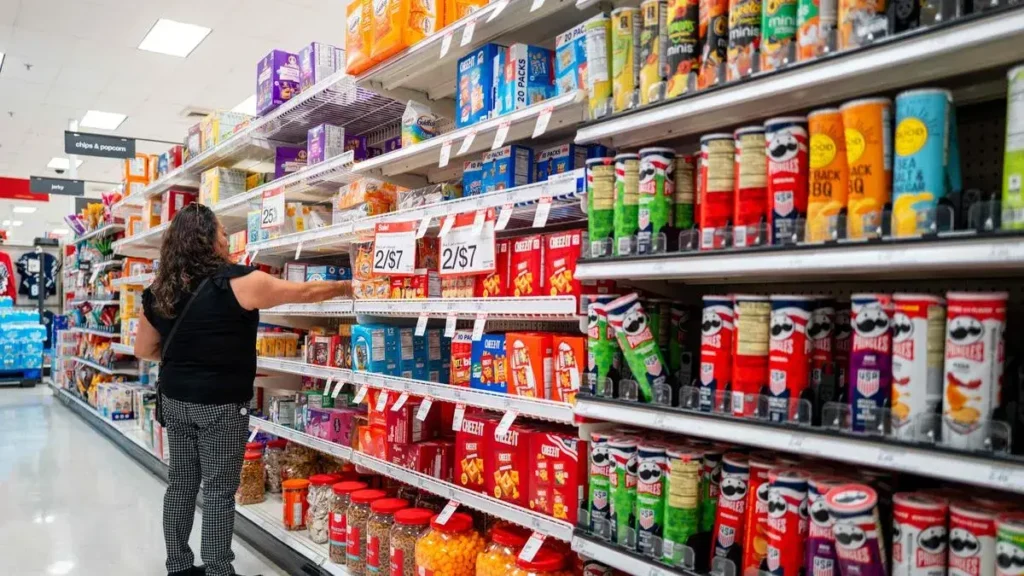
Higher consumption of ultra-processed foods (UPFs) has been associated with increased risks of several chronic health conditions, including cardiovascular disease, cancer, obesity and metabolic disorders, according to a study. The research found that greater intake of ultra-processed foods was associated with a 24 per cent higher risk of cardiovascular events, a 12 per cent higher risk of cancer and a 23 per cent higher risk of overweight or obesity. Higher consumption was also linked with increased risks of metabolic syndrome or diabetes, depression and anxiety, digestive diseases, high blood pressure and death from any cause. Ultra-processed foods are industrially manufactured products that are typically ready to eat or require minimal preparation. They often contain high levels of energy, sugar and salt while providing relatively low amounts of dietary fibre, protein, vitamins and minerals. The researchers found a dose-response relationship between UPF consumption and several health outcomes. Every additional 100 grams of ultra-processed food consumed per day was associated with an 11 per cent higher risk of hypertension, a 14 per cent higher risk of cardiovascular events, a 4 per cent higher risk of cancer and a 3 per cent higher risk of death from any cause. The study also reported that every 10 per cent increase in the share of energy intake coming from ultra-processed foods was associated with a 16 per cent higher risk of metabolic syndrome or diabetes. Researchers suggested that the potential health effects could be linked to several factors. Emerging evidence indicates that combinations of food additives may have cumulative effects, while extensive industrial processing can alter the physical structure of food and potentially affect the gut microbiome. These changes may contribute to inflammation and insulin resistance. The researchers also pointed to compounds that can form during food processing. Acrylamide, which can develop in certain foods during high-temperature processing, and acrolein, which can be generated when fats are heated, have both been associated with cardiovascular health risks. The authors noted that chronic conditions associated with high UPF consumption can occur together as multimorbidity. They suggested that reducing ultra-processed food intake and replacing such products with minimally processed alternatives could be relevant to chronic disease prevention and primary healthcare. Source: PTI


Every Additional 100 Grams of Ultra-Processed Food Linked to Higher Heart Disease Risk: Study Read More »

High Consumption of Packaged Foods Linked to Rising Blood Pressure Among Urban Youth: NIN Study

A recent study conducted by researchers at the Hyderabad-based ICMR-National Institute of Nutrition has found a strong association between the frequent consumption of ultra-processed foods (UPFs) and elevated blood pressure among urban young adults, particularly males. The cross-sectional study involved 311 undergraduate students aged between 18 and 24 years from three colleges in Hyderabad. Researchers assessed participants’ dietary habits over the previous month using a 24-item food frequency questionnaire covering commonly consumed packaged foods such as biscuits, chocolates, and salty snacks — reflecting the changing dietary patterns among India’s urban youth. The study revealed that 12.5% of the participants had high blood pressure levels of 140/90 mmHg or above. The prevalence was notably higher among male students and individuals above the age of 20. After adjusting for variables such as age, gender, and socioeconomic status, researchers found that male participants and students from higher-income families had significantly greater odds of developing hypertension. Importantly, students consuming high-fat and high-salt UPFs at or above the median intake level were found to be independently more likely to have elevated blood pressure. Factors such as taste, affordability, and easy accessibility were identified as major reasons driving the consumption of these packaged foods. The research team included Karthikeyan Ramanujam, Abhigna Mahathi, Jarupula Namrathaa Pawar, Maheshwari Matla, Harichandana Ponnapalli, Vinay Kumar Soma, Keerthana Gajjala, SuryaGoud S. Chukkala, Mahesh Kumar Mummadi, SubbaRao M. Gavaravarapu, G Bhanuprakash Reddy, Jagajeevan Babu Geddam, and Samarasimha Nusi Reddy. Researchers observed that the frequency and type of UPF intake had a stronger influence on hypertension risk than overall dietary diversity. They noted that such health impacts are generally associated with older populations, making the findings concerning as they indicate that hypertension-related risks are emerging early in adulthood — a stage when the condition often goes undiagnosed. Although students residing in hostels showed slightly higher blood pressure levels compared to those staying at home, likely due to repetitive diets and dependence on packaged foods, the association was not statistically significant after adjustments. The findings align with trends reported in the National Family Health Survey (NFHS-5), which has documented a steady increase in hypertension among adolescents and young adults across India. Researchers stated that India is currently undergoing a nutrition transition phase, with young people increasingly shifting toward snack-based ultra-processed foods. The study, published in the latest edition of the journal Nutrients, stressed the urgent need to reduce consumption of foods high in salt, sugar, and unhealthy fats to lower the growing burden of non-communicable diseases. Researchers also recommended policy interventions such as higher taxes on packaged foods, restricting the sale of high-salt snacks near educational institutions, promoting affordable healthy food alternatives, and strengthening nutrition awareness programmes among young adults. Source: The Hindu  

High Consumption of Packaged Foods Linked to Rising Blood Pressure Among Urban Youth: NIN Study Read More »

1 in 7 Stroke Patients in India Below 45, Says National Registry Analysis

Nearly one in seven stroke patients in India is under the age of 45, while delayed hospital arrival continues to undermine survival and recovery, according to findings from the country’s largest hospital-based stroke registry study published in the International Journal of Stroke. The analysis, led by Prashant Mathur of the ICMR–National Centre for Disease Informatics and Research (ICMR-NCDIR) along with investigators from the National Stroke Registry Programme, reviewed 34,792 stroke cases recorded across 30 hospitals between 2020 and 2022. The mean age of patients was 59.4 years, but 13.8 per cent were younger than 45, highlighting the rising burden of stroke among younger Indians. Men accounted for 63.4 per cent of cases, while 72.1 per cent of patients were from rural areas, underscoring disparities in awareness, prevention and access to timely care. Hypertension emerged as the most significant risk factor, present in 74.5 per cent of patients. Diabetes affected 27.3 per cent, smokeless tobacco use 28.5 per cent, tobacco smoking 22.6 per cent and alcohol consumption 20.2 per cent. The study observed gender differences, with women showing higher rates of hypertension and diabetes, while men reported greater tobacco and alcohol use. Timely treatment remains a major challenge. Only 20 per cent of patients reached hospital within the critical 4.5-hour window for emergency stroke therapy, while 37.8 per cent arrived after 24 hours. Consequently, just 4.6 per cent of ischemic stroke patients received intravenous thrombolysis and 0.7 per cent underwent mechanical thrombectomy. Delayed hospital arrival, imaging bottlenecks and limited availability of medicines were cited as key barriers. Ischemic strokes accounted for 60 per cent of cases, while intracerebral haemorrhage comprised 34.2 per cent. Dr Manjari Tripathi, Head of Neurology at the All India Institute of Medical Sciences (AIIMS Delhi), stressed the urgency of rapid response. She emphasised that patients should reach hospital within three hours, undergo immediate brain imaging and receive thrombolysis without delay if eligible, noting that every minute of delay leads to irreversible brain damage and long-term disability. Outcomes remain severe. In-hospital mortality stood at 13.9 per cent, rising to nearly 28 per cent at three months, suggesting many deaths occurred after discharge. Overall, more than half of patients experienced poor outcomes — defined as death or significant disability. Women were more likely than men to have disability at follow-up, indicating possible gaps in rehabilitation and post-discharge care. Recurrent stroke within three months was reported in 1.1 per cent of patients. Researchers called for stronger control of hypertension and diabetes, tobacco cessation efforts, faster referral systems and improved access to acute stroke care, particularly in rural India. Without stronger prevention and rapid treatment systems, they warned, stroke will continue to affect younger populations and leave families facing avoidable disability. Source: TNN

1 in 7 Stroke Patients in India Below 45, Says National Registry Analysis Read More »

Kidney Cancer Cases Could Nearly Double Worldwide by 2050: Study

ardorcomm news

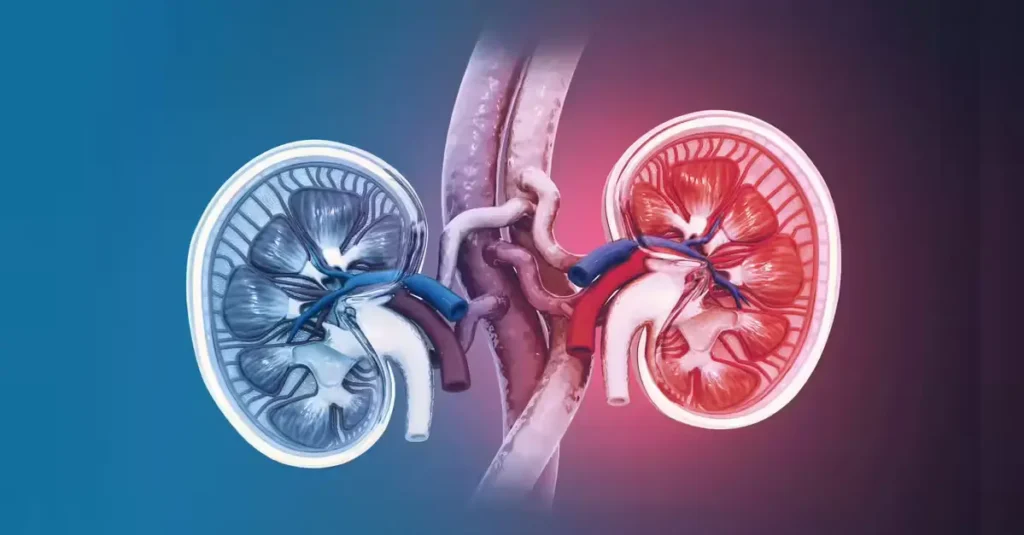
A new global study warns that kidney cancer cases may almost double over the next quarter century if current health trends continue. Researchers from Europe, the US, and the UK examined data from the Global Cancer Observatory of the International Agency for Research on Cancer, projecting a dramatic surge in both incidence and mortality. In 2022, around 435,000 new cases and 156,000 deaths from kidney cancer were recorded worldwide. By 2050, the figures could rise to nearly 746,000 cases (a 72% increase) and over 304,000 deaths (a 96% rise), according to findings published in European Urology. The rise is linked largely to modifiable risk factors such as obesity, hypertension, diabetes, smoking, and physical inactivity, alongside environmental exposures. While 5–8% of cases are estimated to have a genetic basis, researchers emphasized that more than half of all kidney cancer cases are preventable. “Kidney cancer is becoming a global health challenge. Clinicians and policymakers must brace for this sharp increase,” said senior author Alexander Kutikov, Chair of the Department of Urology at Fox Chase Cancer Center in the US. He noted that lifestyle interventions—including maintaining a healthy weight, controlling blood sugar and blood pressure, and quitting smoking—can substantially reduce risk. The study also revealed wide geographical and gender-based disparities in incidence and survival. Five-year survival rates currently range between 40% and 75%, with wealthier nations expected to benefit from early detection through routine imaging and better access to advanced treatments such as surgery and radiotherapy. The findings add to a broader global concern: a recent Lancet analysis estimated that annual cancer deaths of all types may climb by 75% over the next 25 years. Alarmingly, 40% of these deaths are linked to 44 preventable risk factors, including poor diet, tobacco, and high blood sugar. Source: PTI

Kidney Cancer Cases Could Nearly Double Worldwide by 2050: Study Read More »

WHO Recommends Potassium-Enriched Salt Substitutes for Better Heart Health

The World Health Organization (WHO) has recommended replacing regular table salt with potassium-enriched, lower-sodium salt substitutes to combat hypertension and cardiovascular diseases. The George Institute for Global Health India has strongly endorsed this initiative, emphasizing its potential to save lives, particularly in countries like India, where high sodium intake and low potassium consumption contribute to widespread health issues. A study conducted by The George Institute for Global Health India, in collaboration with PGIMER Chandigarh, highlights the urgent need for dietary changes in India. It found that salt consumption is significantly above recommended levels, while potassium intake remains insufficient, fueling hypertension, cardiovascular disease, and chronic kidney disease. This research is part of a larger effort to understand how India’s dietary habits are linked to non-communicable diseases (NCDs). Prof. Vivekanand Jha, Executive Director of The George Institute for Global Health India, stated, “To tackle hypertension and heart and kidney disease, especially in rural areas, we must make low-sodium, potassium-enriched salts affordable and accessible. By working with policymakers and the food industry, and educating the public with clear labeling and subsidies, we can save lives and promote a healthier future.” He also emphasized the importance of ensuring the safety and efficacy of salt substitutes, particularly for people with kidney disease. The Salt Substitute in India Study (SSiIS) examined the impact of reduced-sodium, potassium-enriched salt substitutes on blood pressure in rural hypertensive patients. Initial data from the study showed excessive sodium intake, with urinary salt excretion levels at 10.4 g/day—more than double the WHO’s recommended intake. The study found that using salt substitutes was an effective and cost-efficient method to manage hypertension, particularly in high-risk populations. The study, led by Sudhir Raj Thout, Research Fellow at The George Institute for Global Health India, involved 502 hypertensive participants from rural India. Results showed that participants using the reduced-sodium, potassium-enriched salt substitutes for three months experienced notable reductions in both systolic (4.6 mmHg) and diastolic (1.1 mmHg) blood pressure. Additionally, urinary potassium levels and the sodium-to-potassium ratio improved. Participants also found the taste of the substitutes acceptable. Sudhir Raj Thout added, “The WHO’s guidance on lower-sodium salt substitutes is crucial for India, as it offers a simple and affordable solution to lower blood pressure and reduce cardiovascular risks amid the current high levels of sodium intake.” Global and Indian research supports the benefits of potassium-enriched salt substitutes in reducing blood pressure without compromising taste. These substitutes offer a cost-effective and accessible intervention, though individuals with advanced kidney disease should avoid them. The George Institute for Global Health India continues to advocate for potassium-enriched salts, collaborating with policymakers, healthcare providers, and the food industry to promote healthier dietary habits. Source: Express healthcare Photo Credit: Express healthcare

WHO Recommends Potassium-Enriched Salt Substitutes for Better Heart Health Read More »