ArdorComm Media Group

Monday, November 23, 2026 9:42 AM

IIT Kharagpur

Indian Institutions in QS Rankings Rise from 11 to 52 Since NIRF Launch: Centre

India’s presence in global higher education rankings has expanded significantly over the past decade, with the number of Indian institutions featured in the QS World University Rankings rising from 11 in 2015 to 52 in the 2027 edition, the Centre informed the Lok Sabha on Monday. The government linked the growth to efforts to strengthen the quality, competitiveness and global visibility of Indian higher education institutions following the launch of the National Institutional Ranking Framework (NIRF) in 2015. NIRF was introduced to assess and rank higher education institutions across the country. Its evaluation framework covers teaching, learning and resources; research and professional practices; graduation outcomes; outreach and inclusivity; and peer perception. NIRF participation more than doubles The government response also highlighted a substantial rise in participation in the national ranking exercise. The number of applications submitted to NIRF increased from 6,272 in 2021 to 14,163 in 2025. Over the same period, the number of unique institutions participating in NIRF grew from 4,030 to 7,692, reflecting wider participation across India’s higher education sector. More Indian institutions make gains in QS rankings The QS World University Rankings 2027 indicate that India’s progress is increasingly extending beyond the country’s traditional IIT-led group of institutions. Of the 52 Indian institutions included in the latest rankings, 26 improved their positions, while nine retained their previous ranks. Another 15 institutions saw their rankings decline, while two institutions made their debut in the global rankings. Eighteen Indian institutions recorded their highest-ever QS positions, with 13 of them coming from outside the IIT system. Among the leading Indian institutions, IIT Delhi moved up five places to rank 118th globally, equalling the highest position ever attained by an Indian institution. IIT Bombay, which had reached the same position in the 2026 edition, slipped five places to 134th. IIT Madras improved to 170th, while IIT Kharagpur climbed to 205th. IISc Bengaluru was placed at 221st. Several non-IIT institutions recorded particularly notable gains. Shoolini University moved up 51 places to 452nd, while BITS Pilani jumped 93 places to 575th. VIT made one of the biggest advances, rising 94 places to 597th. IIT Hyderabad improved by 76 places, while Jamia Millia Islamia climbed more than 75 positions to rank 686th. NEP 2020 among key government initiatives The Centre attributed the improvement in the global standing of Indian institutions to a range of policy measures, including initiatives introduced under the National Education Policy (NEP) 2020. The policy places emphasis on multidisciplinary education, critical thinking, research and innovation, improved infrastructure and faculty development. The government also cited the Institutions of Eminence scheme, funding and institutional support provided through RUSA and PM-USHA, and the expansion of premier higher education institutions as contributing factors. Since 2014, the government said, 43 new premier institutions have been established, including seven IITs, eight Central universities and nine IIMs. The rising number of Indian institutions in the QS rankings, alongside broader participation in NIRF, points to a widening global footprint for India’s higher education sector and growing competition among institutions to improve academic and research performance. Source: Indian Express

Indian Institutions in QS Rankings Rise from 11 to 52 Since NIRF Launch: Centre Read More »
IIT Kharagpur Moves to Launch First-Ever MD Programme, Awaits NMC Clearance

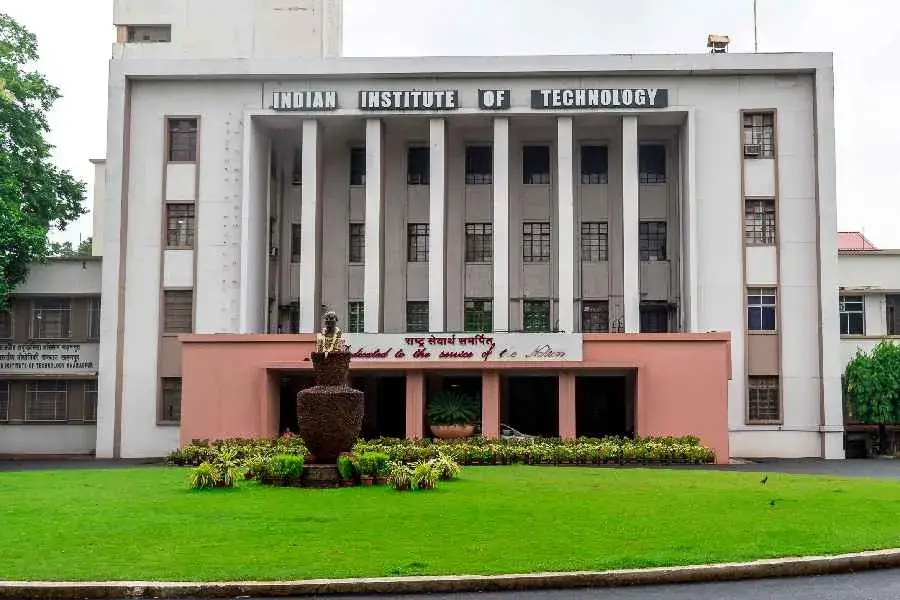
Indian Institute of Technology Kharagpur has formally applied to the National Medical Council seeking approval to introduce a postgraduate Doctor of Medicine (MD) programme, marking a potential first for the IIT system. Institute Director Suman Chakraborty confirmed that the application has been submitted ahead of the March 31 deadline. While the Ministry of Education has expressed support, the final approval will depend on the Ministry of Health and Family Welfare, as the proposal requires coordination between multiple ministries. The institute plans to initially offer 20 seats under the MD programme. Preparations are already underway, including the recruitment of 20 doctors who will serve as faculty members. Training for students will take place at the institute’s medical facilities, including the Dr B C Roy Multi Specialty Medical Research Centre and the Syama Prasad Mookerjee Super Speciality Hospital. Admissions are expected to be conducted through the National Eligibility cum Entrance Test (NEET). Additionally, the Syama Prasad hospital is being expanded into a 220-bed inpatient department (IPD) facility under a mission-mode initiative, aimed at enhancing healthcare services for the campus and surrounding community. The proposal was earlier approved by the institute’s Board of Governors in September 2025, but timelines for final approval remain uncertain pending regulatory clearance. Source: PTI

IIT Kharagpur Moves to Launch First-Ever MD Programme, Awaits NMC Clearance Read More »

IIT Placements: Lowest Salary Packages Received by Students in Top IITs Since 2019

The Indian Institutes of Technology (IITs), renowned for their impressive placement records and multi-crore salary packages, have reported surprisingly low minimum salary offers in recent years. While average salaries range between ₹20 to ₹28 lakh per annum, and top packages can exceed crores, some students have received much lower offers, reflecting the impact of global economic uncertainties. Recent placement data from IIT Bombay showed that the lowest package offered this year was ₹4 lakh per annum, a significant drop compared to previous years. Experts attribute this trend to the broader economic situation, which has influenced campus recruitment. IIT Placement: Lowest Salaries (2019-2024) IIT Madras: Ranked first in NIRF 2024, IIT Madras saw its lowest salary fluctuate between ₹5.4 lakh per annum in 2019-20 to ₹6 lakh per annum in 2023-24, despite a rise in average salaries from ₹29.28 lakh to ₹41.72 lakh over the same period. IIT Bombay: Ranked third in NIRF 2024, IIT Bombay’s lowest package this year was ₹4 lakh, with 10 offers ranging from ₹4 to ₹6 lakh. The campus also saw 22 students securing crore-plus offers, mostly for international roles. IIT Kharagpur: Ranked fifth, IIT Kharagpur’s lowest packages varied from ₹7 lakh to ₹16 lakh in recent years. The 2023 placements saw over 700 offers, including six crore-plus packages on the first day. IIT Roorkee: Salaries consistently ranged between ₹6-8 lakh annually across the past five years. IIT Guwahati: Noted a low salary of ₹5.23 lakh in 2022-23, with other years averaging around ₹7 lakh. IIT Delhi: Ranked second in NIRF 2024, IIT Delhi reported a lowest package of ₹10 lakh per annum, with highest and average stipends being ₹4.04 lakh and ₹2.63 lakh per month, respectively, in its summer placements. Despite the impressive overall numbers, IITs have decided not to publicly disclose individual salary packages, recognizing the potential negative impact on students’ mental health due to the intense competitiveness and high expectations around compensation figures. According to an AIPC member, “Majority of these crore-worth offers are international, and publicizing such figures can adversely affect students’ mental well-being.” This approach aims to maintain a balanced environment where the focus remains on skill development rather than salary comparisons. Source: Indian Express

IIT Placements: Lowest Salary Packages Received by Students in Top IITs Since 2019 Read More »

India Strives for Global Academic Excellence as President Murmu Addresses Education Disparities

In a poignant address during the 69th convocation of the prestigious Indian Institute of Technology (IIT) Kharagpur, President Droupadi Murmu emphasized the noticeable absence of any Indian educational institution within the coveted top 50 globally. Despite India’s rich knowledge tradition, President Murmu urged a critical examination of the nation’s standing in international education rankings. Highlighting the importance of quality education over mere rankings, President Murmu acknowledged that a higher position on global lists not only attracts international students and faculty but also enhances the country’s overall academic reputation. The President urged the academic community to strive for excellence and foster an environment conducive to cutting-edge research and innovation. “India’s ancient knowledge heritage is unparalleled, and it is disheartening to see the absence of our educational institutions in the top global rankings. While quality should be our primary focus, we cannot ignore the fact that rankings play a role in attracting global talent and building a positive perception of our academic prowess,” remarked President Murmu. The President’s address prompted introspection within the academic community, leading to discussions on potential strategies to elevate the global standing of Indian educational institutions. Experts argue that a multi-faceted approach, including increased investment in research and development, international collaborations, and enhancements in infrastructure, is essential to bridge the existing gaps. President Murmu concluded her address by urging educational leaders, policymakers, and stakeholders to collectively work towards elevating India’s academic profile on the global stage. As the nation grapples with the challenges posed by the evolving landscape of higher education, there is a renewed commitment to ensuring that India’s institutions not only reflect its rich heritage but also stand tall among the world’s best.

India Strives for Global Academic Excellence as President Murmu Addresses Education Disparities Read More »